
Feb . 26, 2026 02:05 Back to list
Comprehensive Guide to Choosing the Best Gym Equipment Mats for Carpet Protection
Choosing the Right Gym Equipment Mats for Carpet: A Comprehensive Guide
Protecting your floors and equipment is crucial for any gym, especially when using heavy weights. Selecting the right gym equipment mats for carpet can prevent damage, reduce noise, and enhance safety. This article will delve into the types of mats available, factors to consider when choosing, and how to maintain them for long-lasting performance. Whether you’re setting up a home gym or equipping a commercial fitness center, understanding your options is essential. Proper flooring protection is an investment in the longevity of both your equipment and your floors.
Understanding the Different Types of Gym Mats
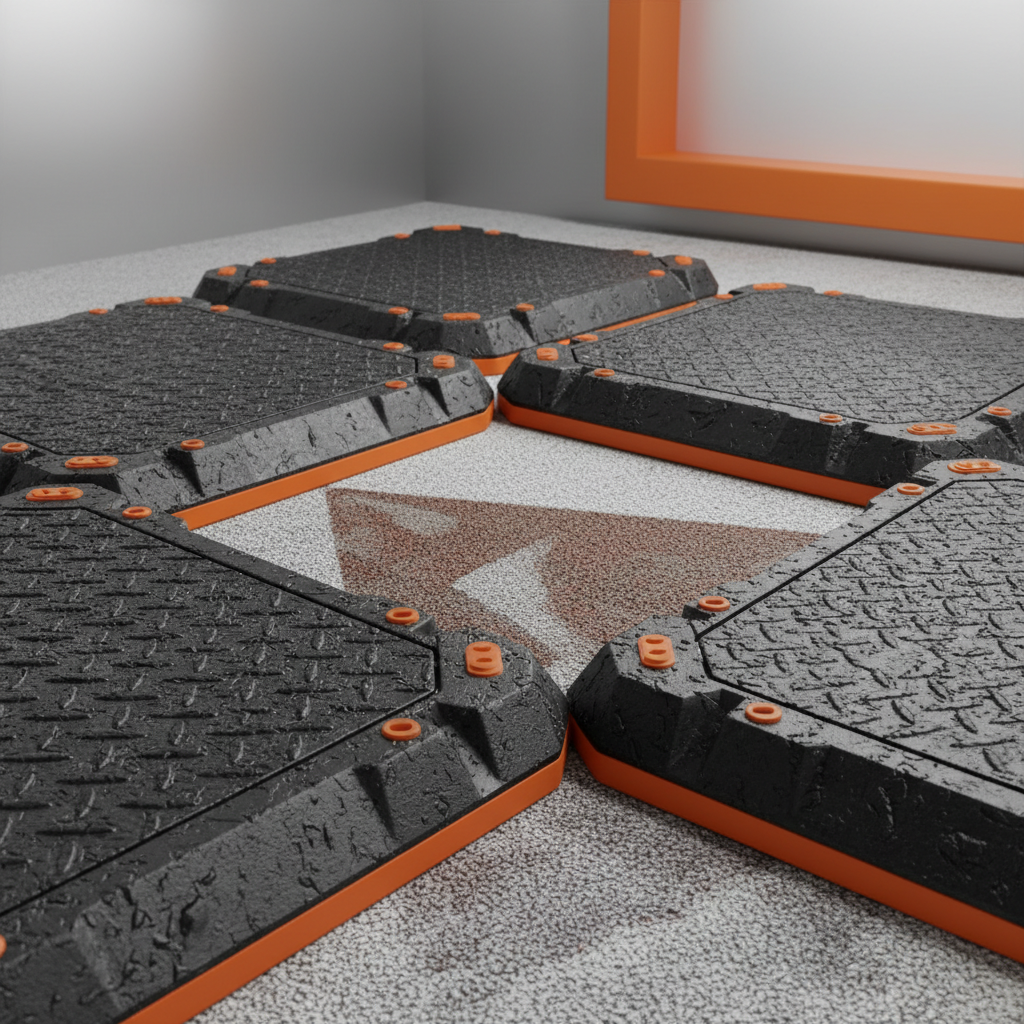
Gym mats for carpet come in a variety of materials, each with its own advantages and disadvantages. Rubber mats are a popular choice due to their durability and excellent shock absorption. EVA foam mats are lighter and more affordable, making them suitable for home gyms. Interlocking tiles offer versatility and easy installation, allowing you to customize the coverage area. Consider the weight of your equipment and the type of exercises you'll be performing when selecting a material. High-impact activities require more robust mats, while lighter workouts can be accommodated with softer options. Choosing the right mat isn't just about protecting your carpet; it's about creating a safe and functional workout space.
Key Considerations: Durability, shock absorption, cost, ease of installation, and suitability for the type of exercise.
Key Features to Look for in Gym Equipment Mats for Carpet
When choosing gym equipment mats for carpet, several key features should be considered. High density is crucial for effective shock absorption and preventing equipment from sinking into the mat. A textured surface provides improved grip and reduces the risk of slipping. The mat’s thickness should be appropriate for the weight of your equipment – thicker mats are needed for heavier loads. Look for mats that are non-toxic and odor-free. Finally, consider the ease of cleaning and maintenance to ensure a hygienic workout environment. Investing in quality features ensures a safe, durable, and comfortable workout experience.
Essential Features:
• High Density
• Textured Surface
• Appropriate Thickness
• Non-Toxic Materials
Rubber vs. EVA Foam: A Comparison
Rubber and EVA foam are two of the most common materials for gym mats. Rubber mats are exceptionally durable and provide superior shock absorption, making them ideal for heavy weightlifting. However, they can be more expensive and have a distinct odor. EVA foam mats are lighter, more affordable, and easier to install. They're a good choice for home gyms and lighter workouts but may not withstand the same level of abuse as rubber. Choosing between the two depends on your budget, workout intensity, and desired level of durability. Consider the long-term costs and benefits of each material when making your decision.
Ensuring Proper Installation and Maintenance
Proper installation is key to maximizing the effectiveness of your gym mats. Ensure the carpet is clean and dry before laying down the mats. For interlocking tiles, carefully align the edges to create a seamless surface. Regular maintenance, such as vacuuming or sweeping, will prevent dirt and debris from accumulating. Avoid using harsh chemicals or abrasive cleaners, as these can damage the mats. Inspect the mats periodically for signs of wear and tear, and replace them when necessary. Following these simple steps will prolong the life of your mats and keep your gym looking its best.
Product Specifications: Enlio Sport Gym Mats
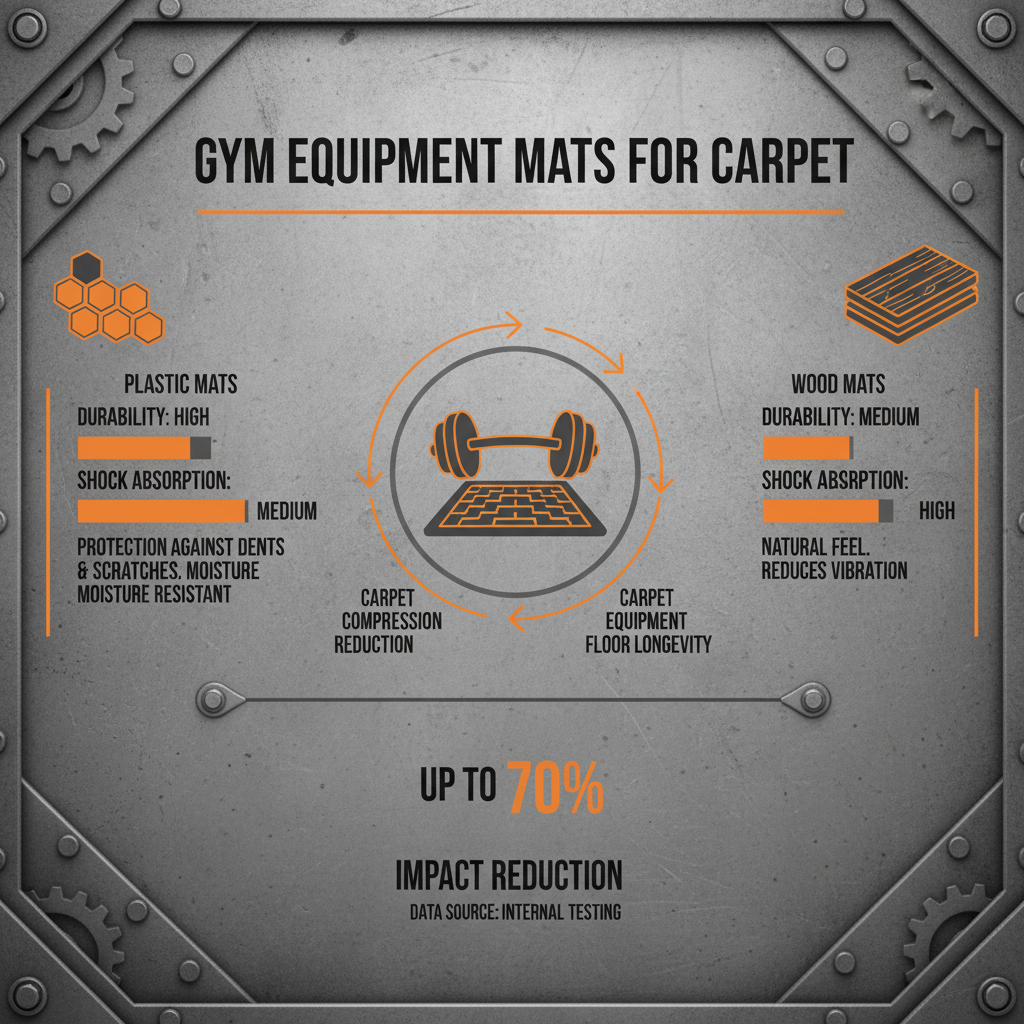
At Enlio Sport, we offer a wide range of high-quality gym equipment mats designed to protect your floors and equipment. Here are some of our key product specifications:
Conclusion: Protect Your Investment with the Right Gym Mats
Choosing the right gym equipment mats for carpet is a vital investment for any gym owner or home fitness enthusiast. By considering the factors discussed in this guide – material, thickness, density, and maintenance – you can select mats that will protect your floors, enhance safety, and contribute to a more enjoyable workout experience. Browse our selection at Enlio Sport today!
Frequently Asked Questions (FAQs)
What thickness of mat is best for heavy weightlifting?
For heavy weightlifting, we recommend a mat thickness of at least 10mm, and ideally 15-20mm. This provides sufficient cushioning to absorb impact and protect both your floors and your equipment. Thicker mats also help to reduce noise, which is especially important in shared spaces. The denser the material, the better the shock absorption, so look for high-density rubber or EVA foam. Consider the specific weights you’ll be lifting and the type of flooring underneath – harder surfaces require thicker mats.
Can gym mats be used on all types of carpet?
While gym mats can be used on most carpets, it's important to consider the carpet's pile height and density. Lower-pile, denser carpets provide a more stable base. High-pile carpets may require thicker mats to prevent equipment from sinking. Always test a small area first to ensure the mat doesn't cause any damage or discoloration to the carpet. It’s also crucial to ensure the carpet is clean and dry before installing the mats to prevent mold or mildew growth.
How do I clean and maintain my gym mats?
Regular cleaning is essential to maintain the hygiene and longevity of your gym mats. Vacuum or sweep the mats daily to remove dirt and debris. For deeper cleaning, use a mild detergent and warm water. Avoid harsh chemicals or abrasive cleaners, as these can damage the material. Allow the mats to air dry completely before using them. For rubber mats, occasional scrubbing can help remove stubborn stains. Inspect the mats regularly for any signs of wear and tear and replace them if necessary.
Are interlocking gym mats a good option for home gyms?
Yes, interlocking gym mats are an excellent option for home gyms due to their versatility and ease of installation. They allow you to customize the coverage area to fit your space and can be easily moved or reconfigured as needed. Interlocking mats are typically made from EVA foam, which is lightweight and affordable. They provide good cushioning for moderate workouts and are easy to clean. However, for heavy weightlifting, rubber mats are still recommended for superior shock absorption.
-
Ultimate Guide to Choosing the Best Professional gym floor matts
NewsApr.16,2026
-
Ultimate Guide to High Quality Gym Floor Puzzle Mats for Fitness
NewsApr.09,2026
-
Comprehensive Guide to Gym Flooring Exercise Mats for Home and Commercial Use
NewsApr.07,2026
-
Choosing the Best Gym Ground Mats for Your Workout Space
NewsApr.04,2026
-
Comprehensive Guide to Selecting the Ideal Gym Landing Mat for Safety and Performance
NewsMar.31,2026
-
Comprehensive Guide to Gym Rubber Matts for Optimal Fitness Flooring
NewsMar.28,2026