
Apr . 07, 2026 01:55 Back to list
Comprehensive Guide to Gym Flooring Exercise Mats for Home and Commercial Use
Gym Flooring Exercise Mats: A Comprehensive Guide
Creating a safe and effective workout space is crucial, whether you’re setting up a home gym or equipping a commercial fitness center. Gym flooring exercise mats are a vital component, offering protection, comfort, and versatility. This article delves into the world of gym flooring, exploring the different types, materials, and benefits to help you choose the perfect mats for your needs. Finding the right flooring can significantly enhance your workout experience and minimize the risk of injuries. Discover how Enliosport's gym flooring solutions can transform your space.
Understanding the Different Types of Gym Flooring
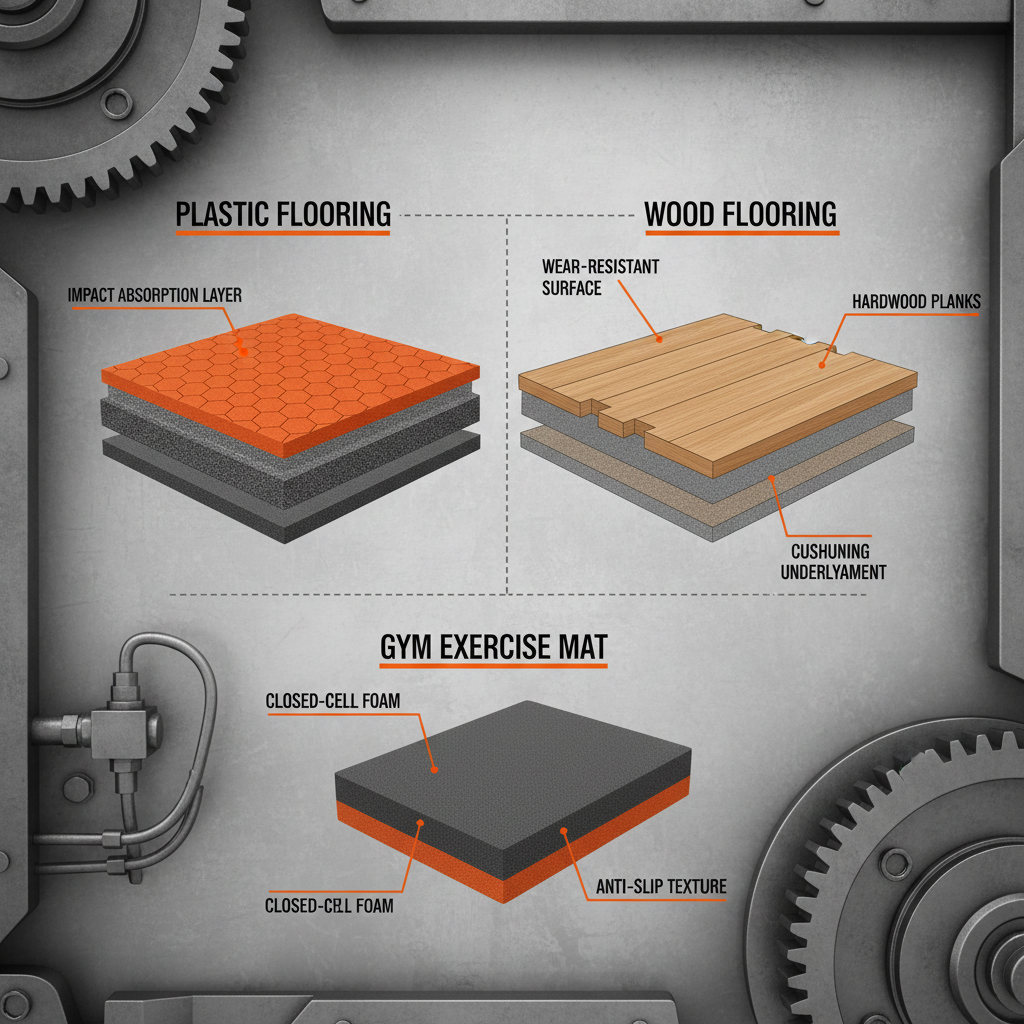
Gym flooring isn’t one-size-fits-all. Different activities and environments require different types of mats. Common types include rubber mats (available in rolled and interlocking tiles), foam mats (often used for yoga and Pilates), vinyl flooring (durable and easy to clean), and carpeted mats (offering comfort and noise reduction). Rubber mats are renowned for their durability and shock absorption, making them ideal for weightlifting areas. Foam mats are perfect for low-impact exercises, while vinyl provides a hygienic surface for various activities. Choosing the correct type ensures optimal performance and safety.
Key Takeaway: Selecting the appropriate gym flooring depends heavily on the intended use and the type of exercises performed within the space.
The Importance of Material Selection
The material of your gym flooring plays a significant role in its durability, performance, and cost. Rubber is a popular choice due to its resilience and shock-absorbing properties. It’s ideal for high-impact activities. EVA foam is lightweight and offers good cushioning, making it suitable for yoga, stretching, and general exercise. PVC vinyl is a durable and low-maintenance option, often used in commercial gyms. Consider factors like wear resistance, slip resistance, ease of cleaning, and environmental impact when making your decision. Enliosport offers a wide range of materials to suit different needs and budgets.
Material Comparison:
• Rubber: High durability, excellent shock absorption, suitable for heavy weights.
• EVA Foam: Lightweight, good cushioning, ideal for low-impact exercises.
• PVC Vinyl: Durable, easy to clean, low maintenance, suitable for various activities.
Choosing the Right Gym Flooring Exercise Mats for Your Workout
Different workouts demand different levels of support and protection. For weightlifting, thick rubber mats are essential to absorb impact and protect both the floor and the equipment. For cardio exercises, a more cushioned surface like foam or vinyl may be preferable. Yoga and Pilates benefit from mats that offer grip and comfort. Consider the overall space and layout when choosing mats. Interlocking tiles are easy to install and customize, while rolled rubber provides seamless coverage. The right mats will enhance your workout and help prevent injuries.
Benefits Beyond Protection: Why Invest in Quality Gym Flooring?
Beyond protecting your floors and equipment, quality gym flooring offers numerous benefits. It reduces noise levels, creating a more pleasant workout environment. It enhances comfort, minimizing strain on joints. It improves grip, reducing the risk of slips and falls. Furthermore, it provides a professional and inviting aesthetic. Enliosport’s flooring options are designed to deliver these benefits and more, contributing to a safer and more enjoyable fitness experience.
Factors to Consider When Purchasing Gym Flooring
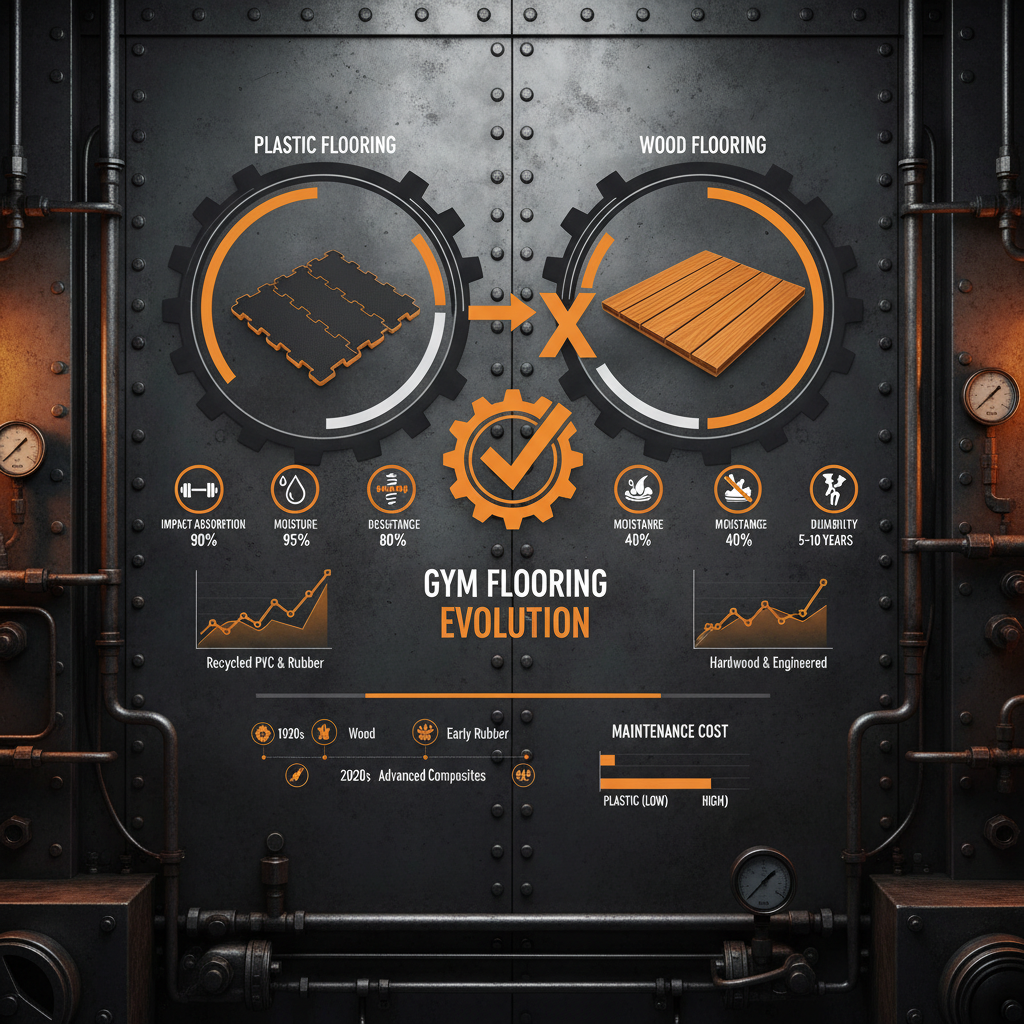
Before purchasing gym flooring, consider your budget, the size of your space, and the types of activities you’ll be performing. Think about the long-term maintenance requirements. Look for flooring that is durable, easy to clean, and resistant to wear and tear. Don’t compromise on quality – investing in durable flooring will save you money in the long run. Also, consider the installation process. Interlocking tiles are generally easier to install than rolled rubber.
Conclusion: Create Your Ideal Workout Space
Investing in the right gym flooring exercise mats is essential for creating a safe, comfortable, and effective workout environment. By carefully considering your needs and choosing high-quality materials, you can transform your space into a fitness haven. Don't hesitate to explore the diverse range of options available at Enliosport and find the perfect flooring solution for your goals.
Frequently Asked Questions (FAQs)
How do I clean and maintain my gym flooring?
Cleaning your gym flooring depends on the material. Rubber mats can be swept and mopped with a mild detergent. Foam mats are typically wiped clean with a damp cloth. Vinyl flooring can be cleaned with a vinyl floor cleaner. Avoid using abrasive cleaners, as they can damage the surface. Regular cleaning prevents the buildup of dirt and bacteria, extending the lifespan of your flooring. Always check the manufacturer’s instructions for specific cleaning recommendations.
Are interlocking tiles or rolled rubber flooring better for a home gym?
Interlocking tiles are often more suitable for home gyms due to their ease of installation and customization. They allow you to create a specific layout and are easy to replace if damaged. Rolled rubber provides a seamless surface but requires more effort to install and may be less forgiving if you need to adjust the layout later. Consider your DIY skills and the complexity of your gym layout when making your decision.
What is the best thickness for gym flooring?
The ideal thickness depends on the types of activities you’ll be performing. For light exercise like yoga and stretching, 6-10mm is sufficient. For weightlifting and high-impact activities, 15-25mm is recommended to provide adequate shock absorption and protect the floor. Consider the subfloor as well. If you have a concrete subfloor, a thicker mat will provide better cushioning and noise reduction.
How much does gym flooring typically cost?
The cost of gym flooring varies depending on the material, thickness, and size of the area. Foam mats are generally the most affordable option, while rubber and vinyl are more expensive. Interlocking tiles tend to be less expensive than rolled rubber. Consider your budget and prioritize features that are most important to you. Enliosport offers competitive pricing and a variety of options to fit different budgets.
-
Ultimate Guide to High Quality Gym Floor Puzzle Mats for Fitness
NewsApr.09,2026
-
Comprehensive Guide to Gym Flooring Exercise Mats for Home and Commercial Use
NewsApr.07,2026
-
Choosing the Best Gym Ground Mats for Your Workout Space
NewsApr.04,2026
-
Comprehensive Guide to Selecting the Ideal Gym Landing Mat for Safety and Performance
NewsMar.31,2026
-
Comprehensive Guide to Gym Rubber Matts for Optimal Fitness Flooring
NewsMar.28,2026
-
Comprehensive Guide to Gym Safety Mats for Optimal Fitness Protection
NewsMar.26,2026