Parquet vinyl flooring is rapidly gaining prominence in the flooring industry, offering a compelling blend of aesthetic appeal and practical benefits. Its ability to mimic the look of natural wood while providing enhanced durability, water resistance, and ease of maintenance makes it a versatile choice for both residential and commercial applications. As sustainability becomes increasingly important, the eco-friendly aspects of many parquet vinyl flooring options are also driving demand.
Globally, the flooring market is experiencing substantial growth, fueled by construction activity, renovation projects, and evolving consumer preferences. Parquet vinyl flooring is capturing a significant share of this market, particularly in regions where cost-effectiveness and resilience are prioritized. The increasing adoption of modern interior design trends, which often favor a clean and sophisticated look, further contributes to its popularity.
Understanding the nuances of parquet vinyl flooring – from its composition and manufacturing processes to its installation and long-term care – is crucial for architects, designers, contractors, and homeowners alike. This knowledge empowers informed decision-making and ensures optimal performance and longevity of the flooring investment.
The Core Principles of Parquet Vinyl Flooring
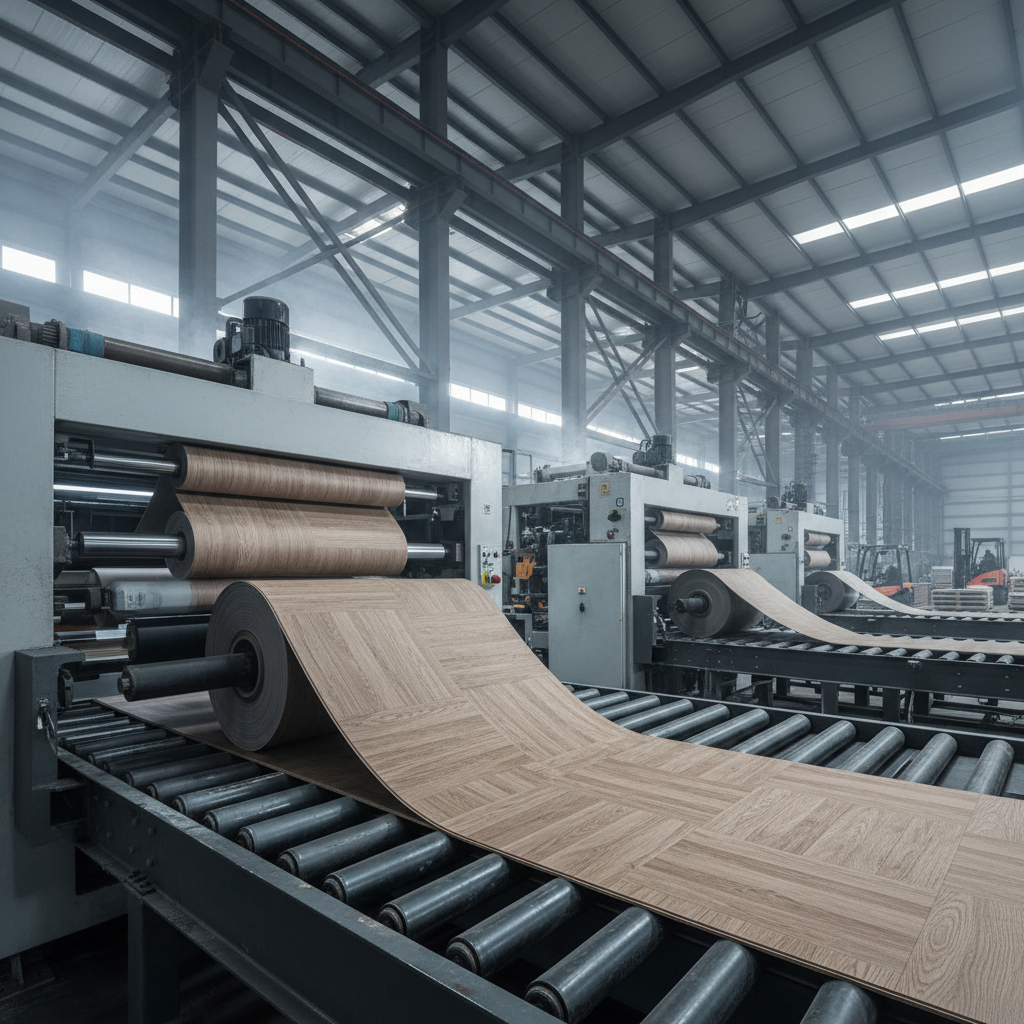
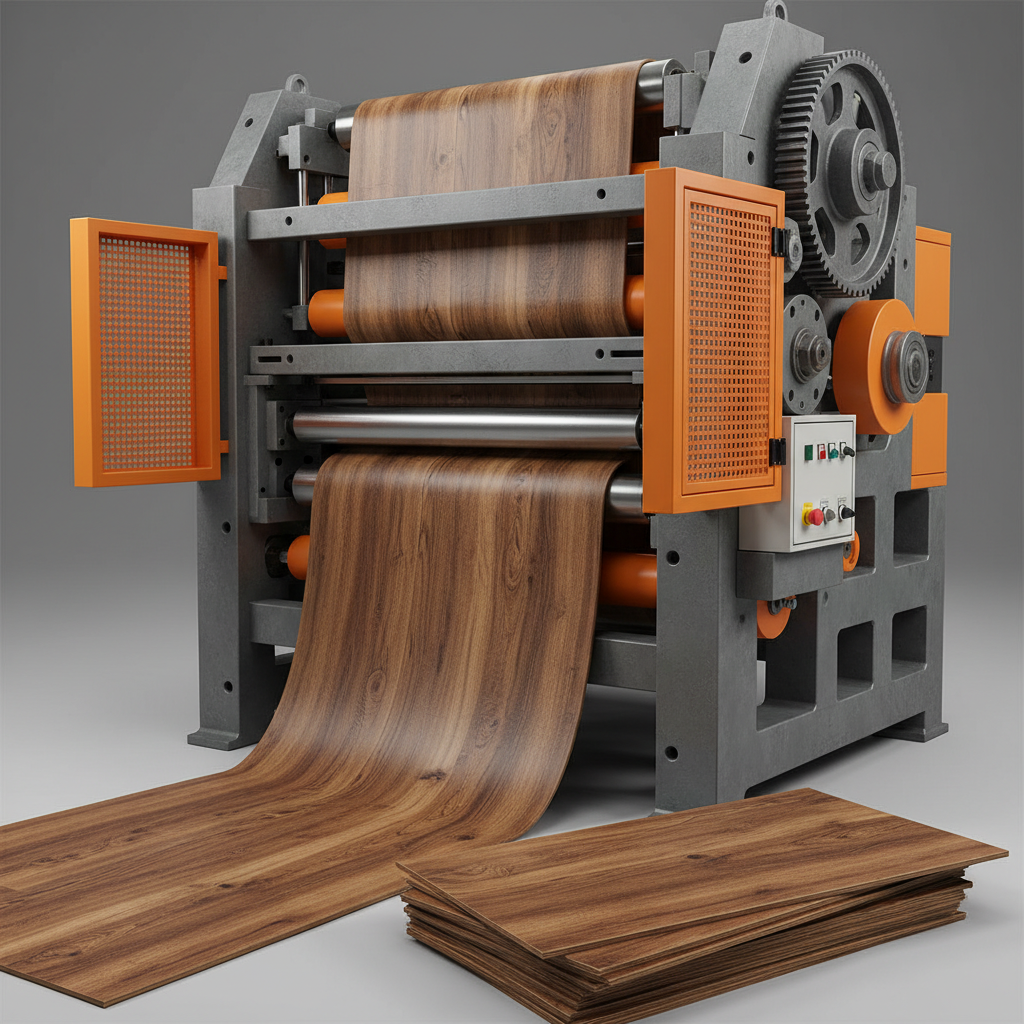
Parquet vinyl flooring hinges on the precise replication of classic parquet patterns – typically geometric arrangements of wood – using vinyl materials. This involves advanced printing technologies to achieve realistic wood grain visuals, coupled with durable wear layers that withstand daily foot traffic and potential damage. The success of parquet vinyl flooring lies in its ability to combine aesthetic sophistication with practical functionality.
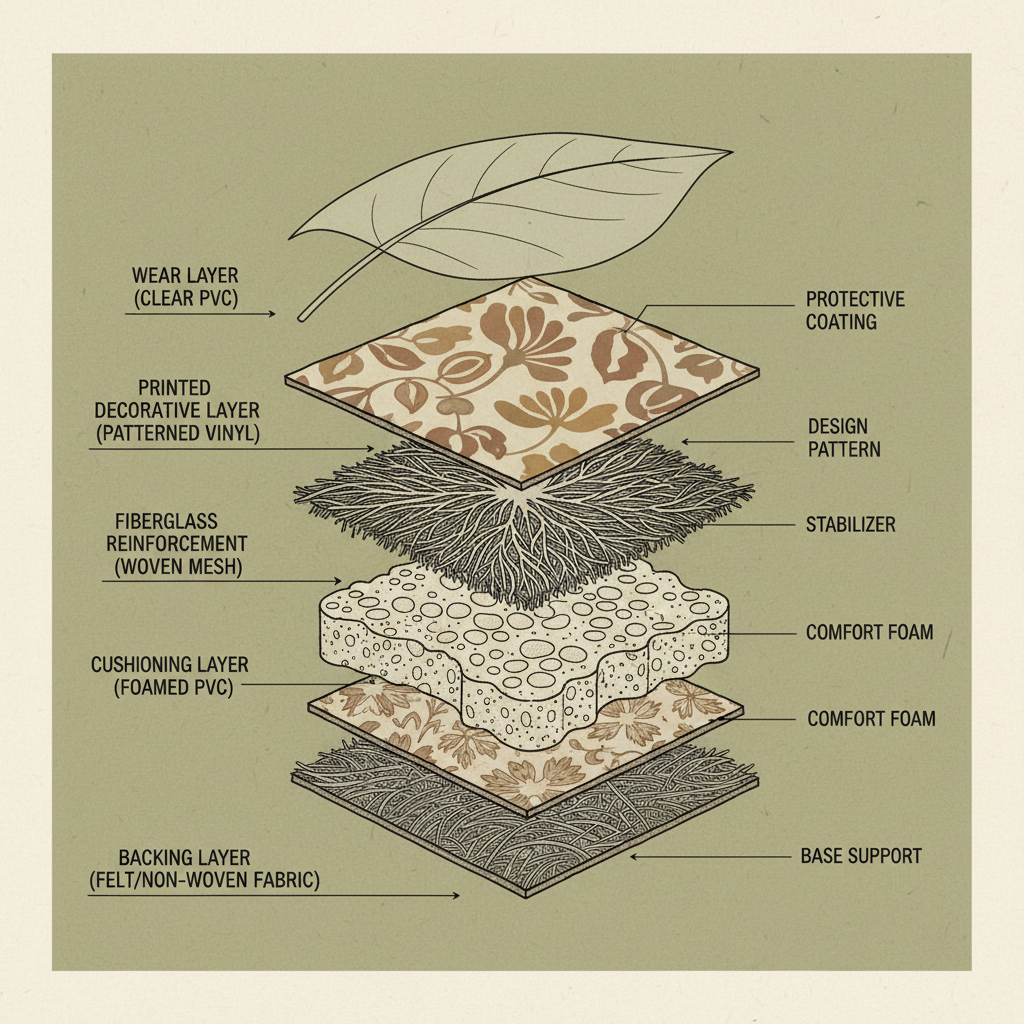
Central to its construction is a multi-layer composition. A resilient core, often made of PVC, provides stability and cushioning. A decorative layer featuring the parquet design is then applied, protected by a transparent wear layer. This wear layer is critical for resisting scratches, stains, and fading, ensuring the longevity of the flooring's appearance.
Understanding the Global Market for Parquet Vinyl Flooring
The global market for parquet vinyl flooring is experiencing significant growth, driven by factors such as increasing urbanization, rising disposable incomes, and a growing preference for aesthetically pleasing and durable flooring solutions. Asia-Pacific currently represents the largest regional market, fueled by robust construction activity in countries like China and India.
North America and Europe also constitute substantial markets, with a strong demand for high-quality, eco-friendly parquet vinyl flooring options. The demand is not only limited to residential applications; commercial sectors like retail, hospitality, and healthcare are increasingly adopting parquet vinyl flooring for its durability and ease of maintenance.
According to industry reports, the global vinyl flooring market is projected to reach [Insert credible statistic from market research report here] by [Year], with parquet vinyl flooring representing a growing segment within this market. This growth is further propelled by continuous advancements in manufacturing technologies and the development of innovative designs.
Defining Parquet Vinyl Flooring: A Modern Flooring Solution
Parquet vinyl flooring is a type of luxury vinyl tile (LVT) or luxury vinyl plank (LVP) designed to replicate the intricate patterns of traditional parquet wood flooring. Unlike traditional wood parquet, which requires significant maintenance and is susceptible to moisture damage, parquet vinyl flooring offers a waterproof, scratch-resistant, and low-maintenance alternative.
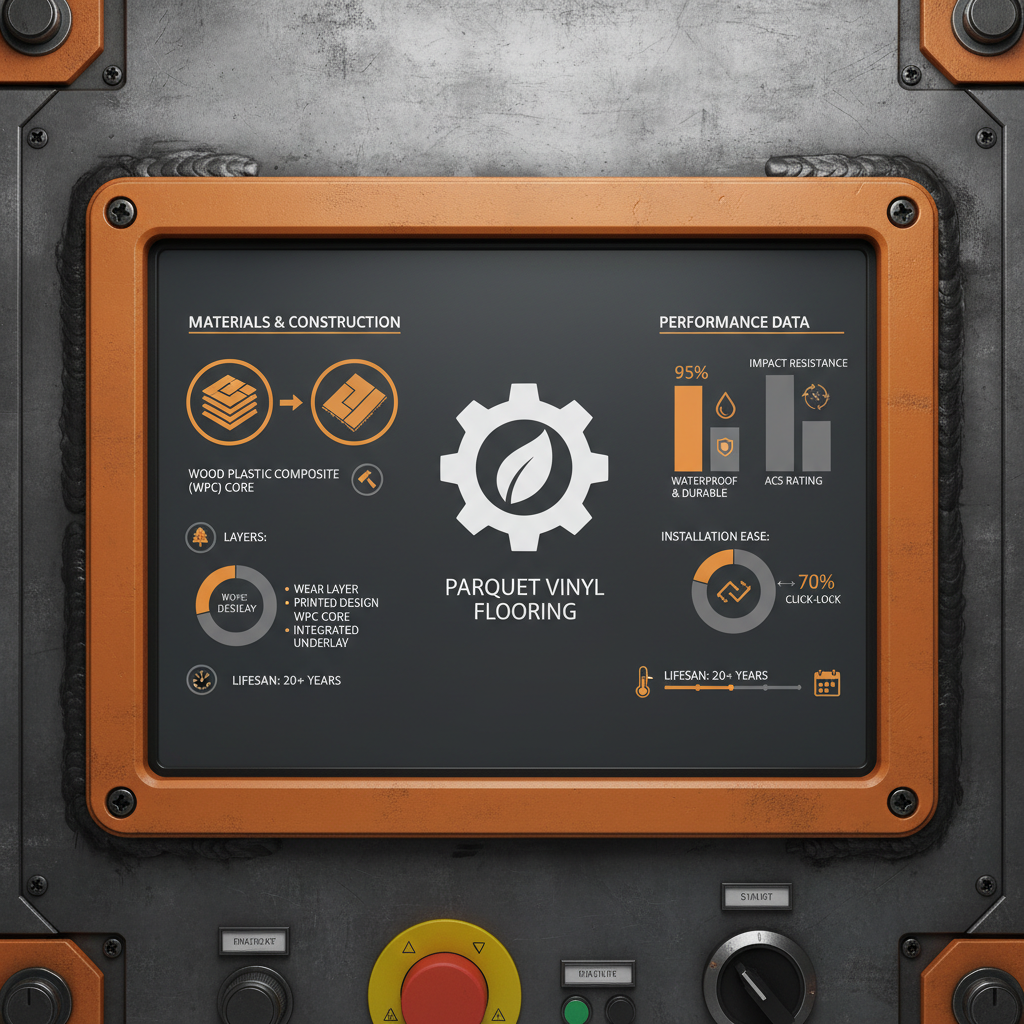
This flooring solution bridges the gap between aesthetic desire and practical needs. It's commonly constructed with multiple layers, including a wear layer, a print layer that depicts the parquet design, and a core layer providing stability and comfort underfoot. Its composition allows for easy installation, typically utilizing click-lock systems or adhesive methods.
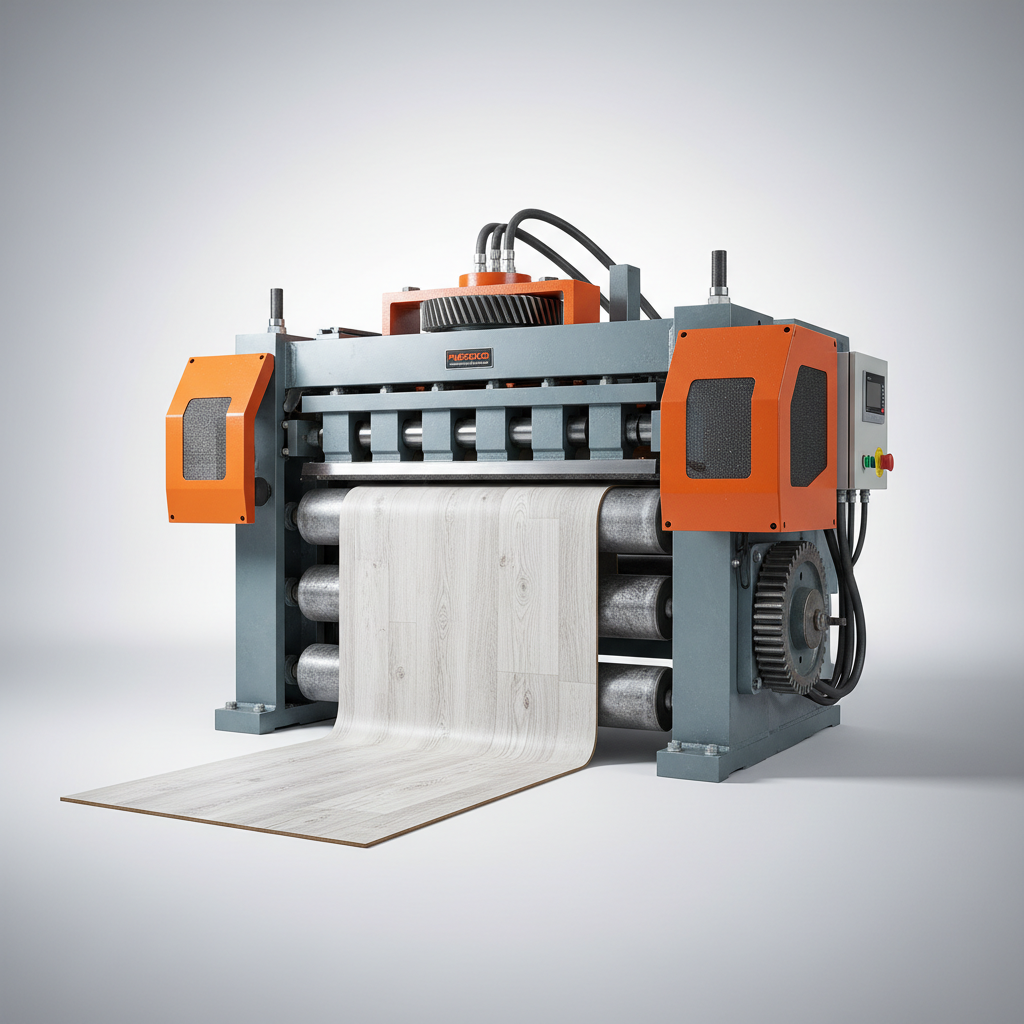
The connection to modern industry lies in its innovative use of polymer technology and digital printing, resulting in a highly realistic and durable product. It also addresses humanitarian needs in contexts where robust, hygienic, and easily cleaned flooring is paramount, such as hospitals, schools, and temporary shelters.
Key Attributes of High-Quality Parquet Vinyl Flooring
Parquet vinyl flooring's appeal stems from several key attributes. First and foremost is its Durability. The wear layer, typically ranging from 0.15mm to 0.55mm, protects against scratches, dents, and stains, making it ideal for high-traffic areas. Secondly, its Water Resistance is a significant advantage, particularly in kitchens, bathrooms, and basements.
Design Versatility is another crucial factor. Parquet vinyl flooring is available in a wide range of colors, patterns, and finishes, allowing for customization to suit various design aesthetics. Furthermore, its Ease of Maintenance – requiring only regular sweeping and occasional mopping – simplifies upkeep. Cost-Effectiveness, compared to traditional hardwood parquet, makes it an accessible option for a broader range of consumers. Finally, Comfort and Quietness are benefits often overlooked, as the vinyl core provides a more cushioned and quieter walking surface than hardwood or tile.
Comparative Performance of Parquet Vinyl Flooring Methods
Real-World Applications of Parquet Vinyl Flooring
Parquet vinyl flooring finds extensive use in residential settings, from living rooms and dining areas to kitchens and bathrooms. Its aesthetic appeal and durability make it a popular choice for homeowners seeking a stylish and practical flooring solution. Beyond homes, it's increasingly used in commercial spaces such as retail stores, restaurants, and offices.
In the healthcare sector, the hygienic properties and ease of cleaning of parquet vinyl flooring are particularly valuable, making it suitable for hospitals and clinics. Similarly, in educational institutions, its durability and resistance to wear and tear make it an ideal choice for classrooms and hallways. It's also gaining traction in hospitality, offering a luxurious look without the high maintenance costs of traditional wood flooring.
The Long-Term Advantages of Choosing Parquet Vinyl Flooring
The long-term value proposition of parquet vinyl flooring extends beyond its initial cost-effectiveness. Its exceptional durability significantly reduces the need for frequent replacements, resulting in lower lifecycle costs. Furthermore, many parquet vinyl flooring products are manufactured using recycled materials and sustainable production processes, contributing to a smaller environmental footprint.
From a social impact perspective, its ease of installation and maintenance can reduce labor costs and improve indoor air quality due to the absence of VOC emissions in many modern formulations. This contributes to a healthier living and working environment, fostering well-being and productivity. The aesthetic appeal also enhances the overall value of the property, increasing its marketability.
Future Trends and Innovations in Parquet Vinyl Flooring Technology
The future of parquet vinyl flooring is poised for continued innovation. Developments in digital printing technology are enabling increasingly realistic and detailed wood grain reproductions. Enhanced wear layers are improving scratch and stain resistance, extending the lifespan of the flooring. Furthermore, advancements in core materials are leading to more stable and comfortable flooring options.
Sustainability is a major driver of innovation, with manufacturers exploring bio-based polymers and recycled content to minimize environmental impact. The integration of smart technologies, such as embedded sensors for monitoring foot traffic and temperature, is also being explored. The industry is also focusing on reducing carbon emissions during manufacturing and transportation, aligning with global sustainability goals.
The demand for textured parquet vinyl flooring that closely mimics the feel of real wood is also growing, providing a more authentic tactile experience. These advancements will solidify parquet vinyl flooring's position as a leading flooring solution for both residential and commercial applications.
Summary of Parquet Vinyl Flooring Performance Metrics
| Performance Category |
Testing Metric |
Standard Rating (1-10) |
Typical Parquet Vinyl Flooring Score |
| Wear Resistance |
Taber Abraser Test (Cycles to First Wear) |
1-10 |
8.5 |
| Water Resistance |
24-Hour Water Immersion Test |
1-10 |
9 |
| Dimensional Stability |
Temperature & Humidity Cycling Test |
1-10 |
7.5 |
| Scratch Resistance |
Pencil Hardness Test |
1-10 |
8 |
| Fade Resistance |
Light Exposure Test (Hours to Noticeable Fade) |
1-10 |
7 |
| Impact Resistance |
Drop Ball Test (Height of Drop) |
1-10 |
6.5 |
FAQS
Parquet vinyl flooring offers several advantages over traditional hardwood, including enhanced water resistance, lower maintenance requirements, greater durability against scratches and stains, and a significantly lower cost. It’s also easier to install, often featuring click-lock systems, and provides more design flexibility thanks to a wide range of available patterns and colors. Importantly, it’s a more sustainable choice as it doesn’t require deforestation.
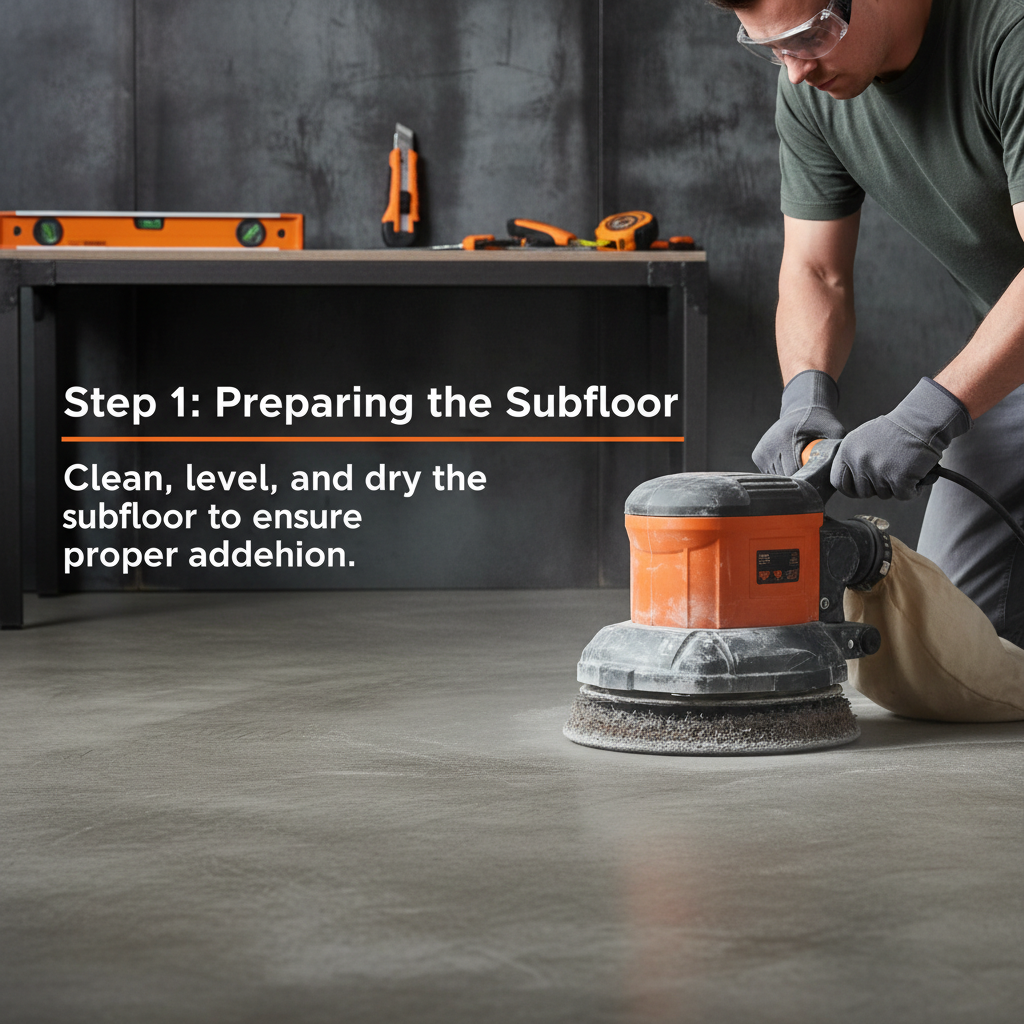
Installation of parquet vinyl flooring is generally considered DIY-friendly, particularly with click-lock systems. The planks or tiles simply snap together, eliminating the need for messy adhesives. However, proper subfloor preparation is crucial for a successful installation, ensuring it’s level, clean, and dry. Adhesive-based installations require more skill and precision.
While most parquet vinyl flooring is highly water-resistant, it's not entirely waterproof. Spills should be cleaned up promptly to prevent water from seeping into the seams. Look for 100% waterproof options, often featuring a fully waterproof core, for areas prone to prolonged moisture exposure, such as bathrooms and kitchens.
With proper care and maintenance, parquet vinyl flooring can last between 10 and 25 years or even longer. The lifespan depends on the quality of the flooring, the thickness of the wear layer, the level of foot traffic, and the maintenance routine. Regular sweeping, occasional mopping with a pH-neutral cleaner, and the use of furniture pads can significantly extend its longevity.
Parquet vinyl flooring can be a more sustainable choice than traditional hardwood, as it doesn’t contribute to deforestation. Many manufacturers now utilize recycled materials in their production processes and prioritize low-VOC emissions, contributing to improved indoor air quality. Look for certifications like FloorScore or GreenGuard to ensure environmentally responsible manufacturing practices.
Cleaning parquet vinyl flooring is straightforward. Regularly sweep or vacuum to remove loose dirt and debris. Mop with a pH-neutral cleaner diluted in water, avoiding abrasive cleaners or scouring pads. For stubborn stains, use a mild detergent and a soft cloth. Avoid excessive water and ensure the floor is thoroughly dry after mopping. Use furniture pads to protect against scratches.
Conclusion
In conclusion, parquet vinyl flooring presents a compelling flooring solution that seamlessly blends aesthetic appeal with practical functionality. Its durability, water resistance, ease of maintenance, and cost-effectiveness make it an increasingly popular choice for both residential and commercial applications. By understanding the key attributes and ongoing innovations in this field, homeowners, designers, and builders can make informed decisions that enhance the beauty and longevity of their spaces.
Looking ahead, continued advancements in sustainable materials and manufacturing processes will further solidify parquet vinyl flooring's position as a responsible and versatile flooring option. Exploring the latest technologies and design trends will empower individuals to create stunning and enduring flooring solutions that meet their evolving needs and aesthetic preferences. Visit our website at parquet vinyl flooring to explore our full range of parquet vinyl flooring options and find the perfect fit for your project.