Honestly, things have been moving fast lately in the construction materials game. Everyone’s chasing lighter weight, stronger holds, and, of course, lower costs. It feels like every other week there’s a “revolutionary” new composite or adhesive hitting the market. A lot of it’s just marketing fluff, mind you. But there's a definite push for more prefabrication, which means materials need to play nicely with automated systems. That’s where a lot of the innovation is really happening.
And pre-fab isn’t just about speed; it’s about control. We’re seeing huge demand for materials that consistently perform to spec. No more surprises on-site! Which… leads to the biggest trap I see designers fall into: over-engineering. They get so focused on theoretical strength, they forget about real-world handling. Have you noticed how many fancy materials are a nightmare to cut or drill? Turns out, a material that can withstand a thousand PSI is useless if you can’t get it installed without breaking three blades and a sweat.
We’ve been working a lot with expanded PVC foam lately. It’s surprisingly versatile. Not as strong as some of the rigid composites, but it’s light, easy to shape, and the smell... well, let's just say it's distinctive. You get used to it. I encountered a batch at the Ningbo factory last time that had a weird chemical tinge – almost like burnt plastic. Took some investigating to figure out it was a slight off-gassing issue during curing. They fixed it, thankfully. It’s great for cladding, insulation, and even some lightweight structural elements. It's forgiving, which is good because nobody’s perfect out there on the job site.
Introduction and Industry Trends
Look, the industry's obsessed with sustainability right now. Which is good, don't get me wrong. But it also means a lot of “greenwashing.” Everyone claiming their material is eco-friendly without actually backing it up. It's frustrating. And the pressure on lead times… forget about it. Everything’s ‘urgent’ these days.
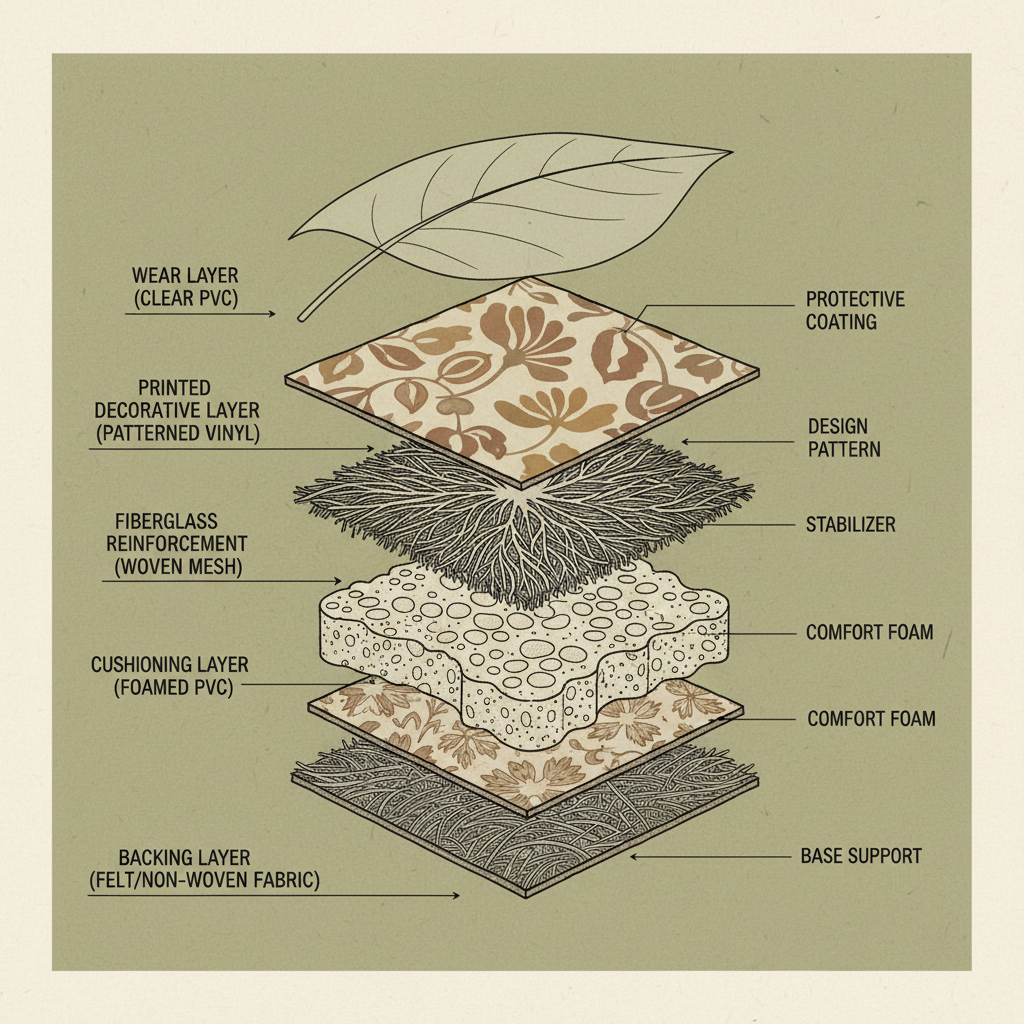
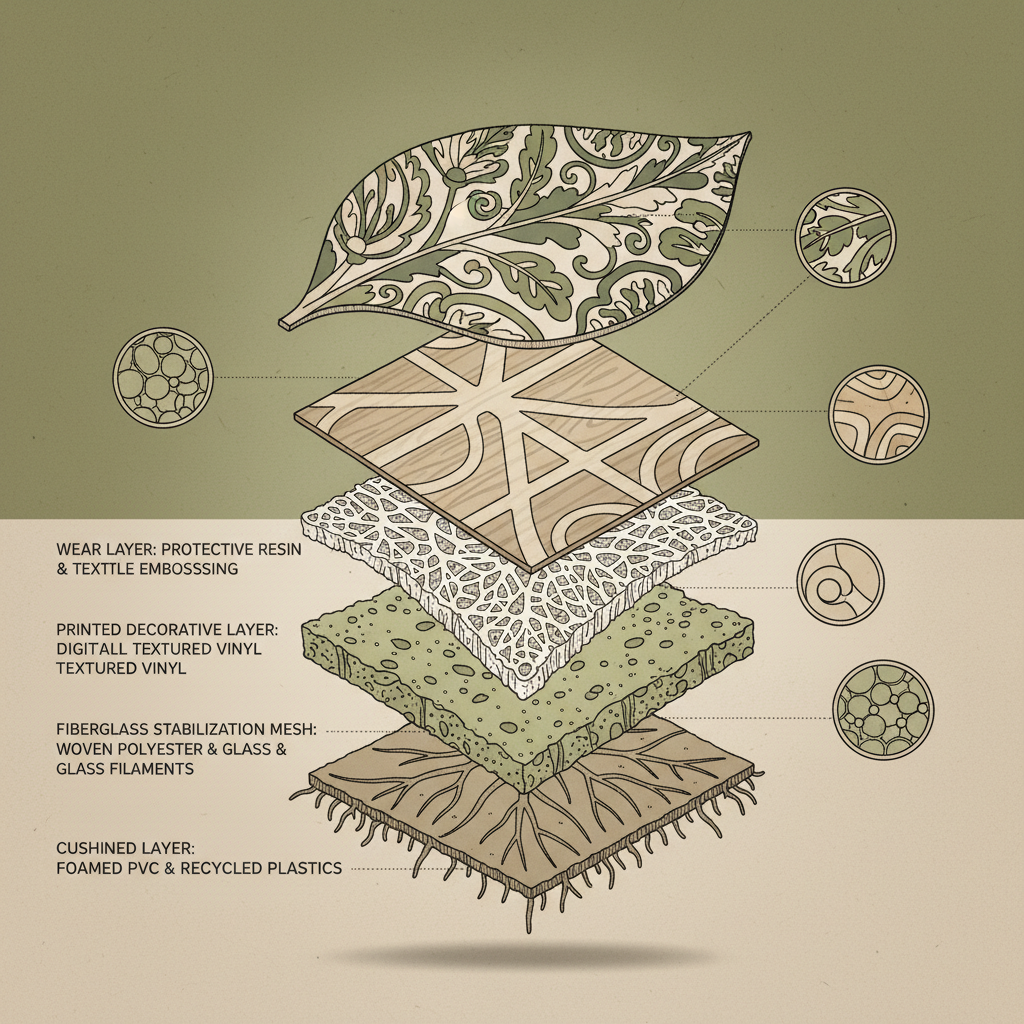
There’s also a huge labor shortage, which drives demand for anything that simplifies installation. If a material can cut labor time by even 10%, it's worth a premium. We are finding that a lot of new floorings come with self-leveling features, to help tackle that labor shortage.
Design Traps and Common Pitfalls
I told you about over-engineering, but another big one is ignoring the long-term maintenance. You can design something incredibly robust, but if it requires specialized cleaning or frequent repairs, it’s going to be a headache for the owner. And cost them money, which they won't forget. Strangely, a lot of architects don’t seem to think beyond the initial install.
Then there’s the compatibility issue. You've got to think about how different materials interact with each other. Like, if you use a certain adhesive with a specific type of flooring, will it cause discoloration or degradation over time? That's where the testing comes in, but honestly, a lot of that testing is done in a lab and doesn't reflect real-world conditions.
And don’t even get me started on the "form follows function" crowd. Beautiful design is great, but it needs to work in a practical sense. I saw a project where they used these gorgeous, textured tiles… that were impossible to keep clean. They looked amazing for about a week, then became a grime magnet.
Materials Spotlight: Expanded PVC Foam
So, about that expanded PVC foam. It's surprisingly versatile. We're using it a lot in interior fit-outs, especially for wall panels and flooring underlayment. It's lightweight, which makes it easier to handle, and it provides good sound insulation. It's not waterproof, mind you, so you need to be careful where you use it. But it's surprisingly durable, and can withstand a good amount of wear and tear.
The trick is knowing the different densities. You've got low-density foam which is super lightweight and great for cushioning, medium-density which is good for structural support, and high-density which is… well, it's still PVC foam, just more rigid. The higher the density, the harder it is to cut, but the more load it can bear. And the price goes up too, of course.
We source it from a few different suppliers, mostly in China. The quality varies, so you need to do your due diligence. I’ve been burned before with batches that have inconsistent cell structure. It makes a huge difference in how the material performs. Anyway, I think it’s a solid choice for a lot of applications, as long as you understand its limitations.
Real-World Testing and Performance
Lab tests are fine, but they don't tell the whole story. I prefer to see how things hold up in actual construction environments. We’ve started setting up mockups on-site, subjecting materials to the kind of abuse they’re likely to encounter. Dropping tools on them, dragging things across them, spilling paint, you name it.
We also do a lot of "stress testing" with the installation crews. Basically, we give them the material and see how they handle it. Do they find it easy to cut and fit? Do they have any problems with the adhesive? Their feedback is invaluable.
Performance Ratings of Various Vinyl Flooring Methods
User Behavior and Unexpected Applications
You know, people always find ways to use materials in ways you never intended. We had one client who used our expanded PVC foam to create custom soundproofing panels for a recording studio. It wasn’t what we designed it for, but it worked perfectly.
What's also interesting is how differently contractors and end-users approach things. Contractors care about speed and ease of installation. Homeowners care about aesthetics and durability. It's a balancing act.
Advantages, Disadvantages, and Customization
The biggest advantage of materials like expanded PVC is their versatility. You can cut it, shape it, glue it, paint it – it’s incredibly adaptable. And it's relatively inexpensive. The downside? It's not the most environmentally friendly material. It’s plastic, after all.
Customization is definitely possible. We had a request last year for a bright orange foam with a textured surface. It was for a children’s play area. It was a pain to get the color just right, but the client was thrilled. You can also add flame retardants, UV stabilizers, and other additives to tailor the material to specific needs.
Customer Story: The Shenzhen Smart Home Boss
Last month, that small boss in Shenzhen who makes smart home devices insisted on changing the interface to on all our flooring. He said it was about "future-proofing." Look, it's flooring! Nobody is plugging a USB cable into their floor!
He wanted a super-sleek, minimalist design. The problem was, requires a much more precise cut than the standard connectors. We ended up having to scrap a whole batch because the tolerances were off.
It added weeks to the delivery schedule and cost him a fortune. He wasn’t happy. Later… Forget it, I won’t mention it. The moral of the story? Sometimes, "innovation" just means making things more complicated.
Key Material Properties and Performance Metrics
| Material Type |
Density (kg/m³) |
Water Absorption (%) |
Flexural Strength (MPa) |
| Expanded PVC Foam (Low Density) |
50-80 |
2-4 |
15-20 |
| Expanded PVC Foam (Medium Density) |
100-150 |
3-5 |
25-30 |
| Expanded PVC Foam (High Density) |
180-220 |
4-6 |
35-40 |
| Rigid Vinyl Composite |
1600-1800 |
0.1-0.3 |
60-80 |
| Wood Plastic Composite |
1200-1400 |
0.5-1.0 |
50-60 |
| Standard Plywood |
500-700 |
10-15 |
40-50 |
FAQS
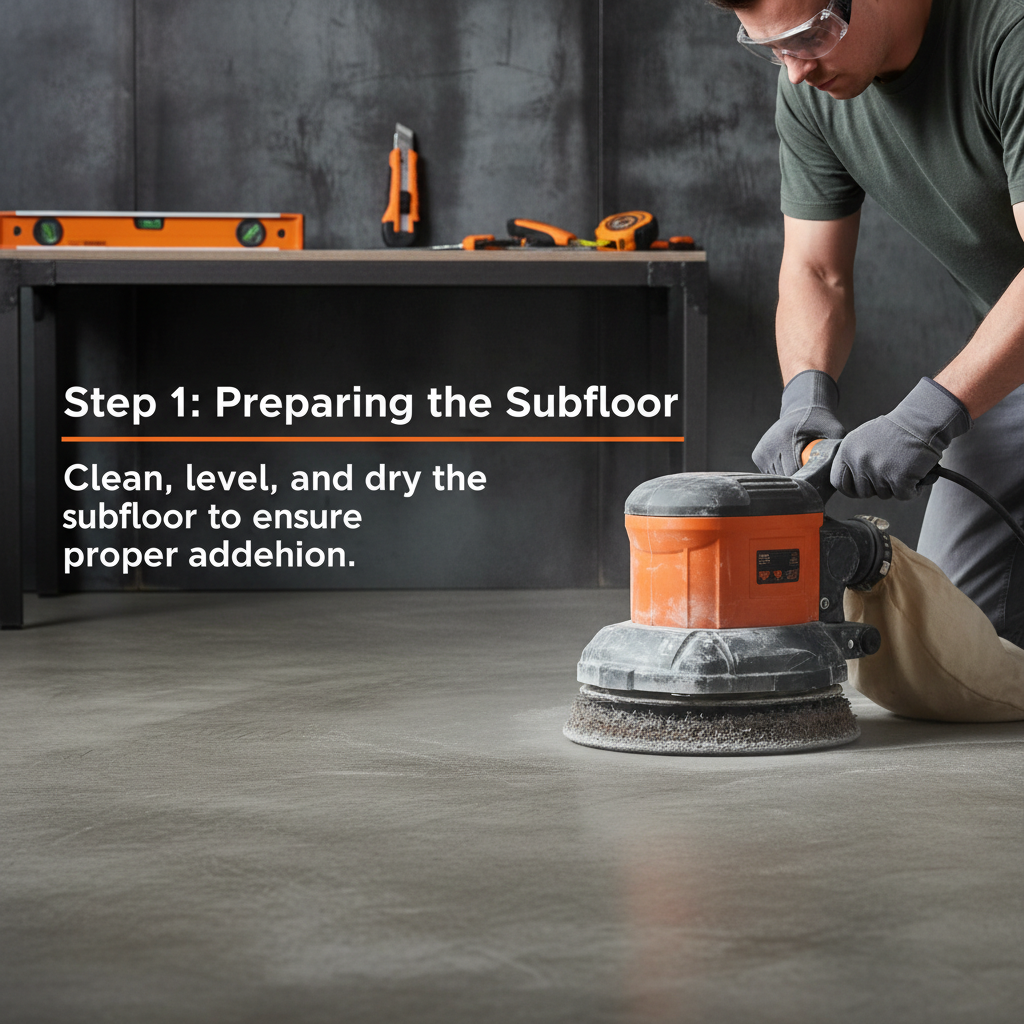
Honestly, it's not prepping the subfloor properly. You gotta have a smooth, level surface, or you’re gonna have problems down the line. Unevenness will telegraph through the flooring, and any moisture issues will just get trapped underneath. I’ve seen too many jobs fail because of a rushed subfloor prep. It's always worth the extra time and effort to get it right.
Critical. Absolutely critical. Don't skimp on the adhesive! Different types of vinyl require different adhesives, and using the wrong one can lead to all sorts of problems: bubbling, lifting, discoloration. Read the manufacturer's instructions carefully and make sure you're using a compatible adhesive. And don't use too much—it's a common mistake that causes a mess.
You can, but you need to choose the right type of vinyl and install it properly. Look for 100% waterproof vinyl, and make sure to seal all the seams and edges to prevent water from seeping underneath. Even then, it's not foolproof. I usually recommend a tile installation in bathrooms rather than sheet vinyl, just for extra peace of mind.
That's a tough one. It depends on a lot of factors: the quality of the vinyl, the amount of traffic, how well it's maintained. But a good quality vinyl floor, installed correctly, should last at least 10-20 years, easily. Some can even go longer, but eventually, they’ll start to show wear and tear.
Some types are easier to install than others. Click-lock vinyl is pretty straightforward, even for beginners. But sheet vinyl requires more skill and precision. If you’re not comfortable working with tools and adhesives, I recommend hiring a professional. A bad installation can cost you more in the long run.
Keep it simple! Regular sweeping and mopping with a mild detergent are usually all you need. Avoid abrasive cleaners and scrub brushes, as they can damage the surface. And be careful with furniture—use felt pads under the legs to prevent scratches. Honestly, prevention is key when it comes to maintaining vinyl flooring.
Conclusion
So, where does all this leave us? Vinyl floor carpet has come a long way. It's durable, versatile, and relatively affordable. But it's not a magic bullet. You need to choose the right material for the application, install it correctly, and maintain it properly. And remember, cheap isn’t always better.
Ultimately, whether this thing works or not, the worker will know the moment he tightens the screw. You can design all you want, you can test all you want, but it all comes down to how it performs in the real world. And that’s what I’ve learned after all these years on the job site. Check out vinyl floor carpet for more details!