0%

Table of Contents

Look, I’ve been running around construction sites for… well, let’s just say a long time. Been touching materials, smelling adhesives, arguing with engineers. Vinyl floor tiles, huh? Seems simple enough, right? But honestly, the stuff happening in the industry lately… it's wild. Everyone’s chasing “sustainable,” “eco-friendly,” “low VOC.” Which is good, I guess. But sometimes it feels like marketing hype instead of real change. They slap a label on it and charge you double. Have you noticed that?

It’s a constant trade-off, you know? Durability versus cost, aesthetics versus practicality. And a lot of designers, bless their hearts, they don’t actually understand what it’s like to lay this stuff down. They design a beautiful interlocking system, then forget about the guys trying to muscle it into place on an uneven subfloor. That's a headache.

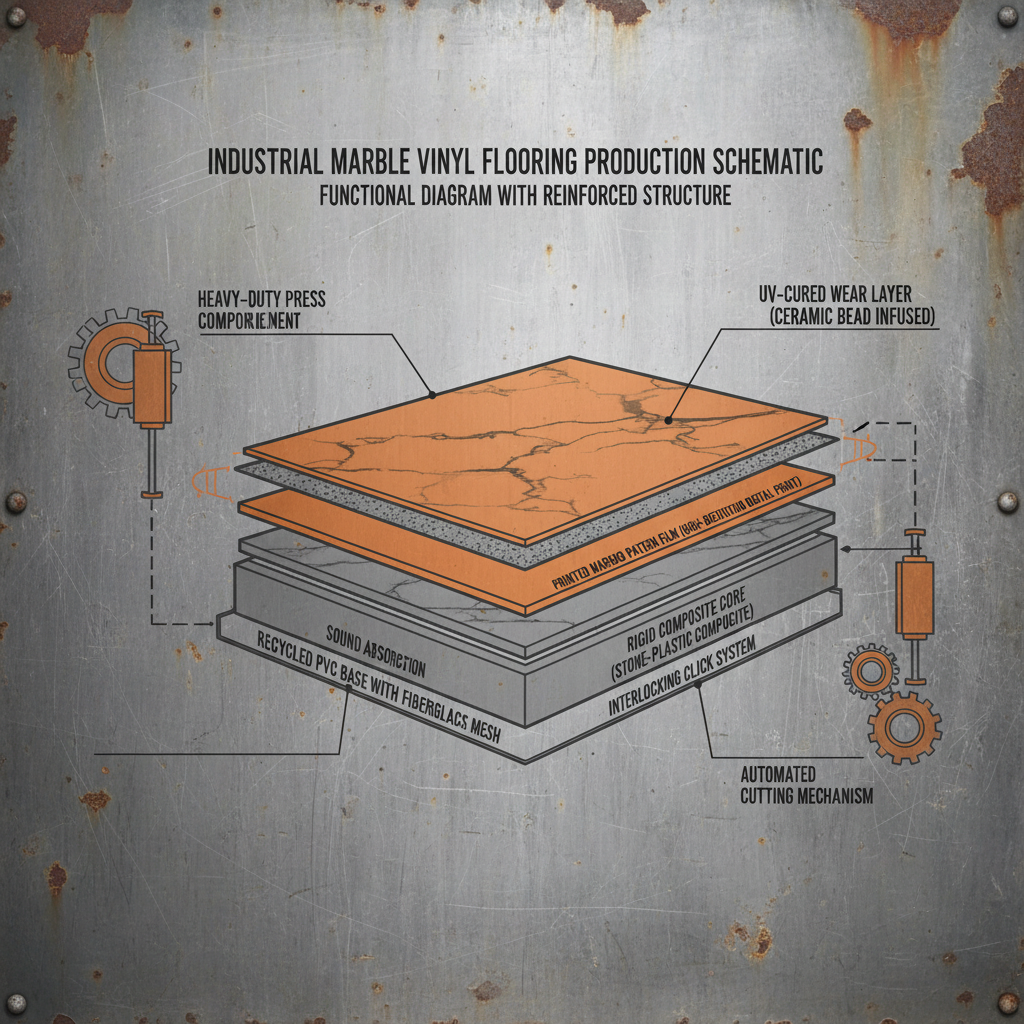
And the materials themselves…it’s not just “vinyl.” It's PVC, of course. But the plasticizers, the fillers, the wear layers… that’s where the real difference is. I was at a factory in Jiangsu province last time, and the smell… it was potent. You could tell which batches had the cheaper plasticizers. And you could feel the difference in flexibility. The good stuff feels…substantial. Not brittle.
Understanding the Nuances of Vinyl Floor Tiles Installation and Material Science

Recent Industry Trends in Vinyl Floor Tiles

Understanding the Nuances of Vinyl Floor Tiles Installation and Material Science

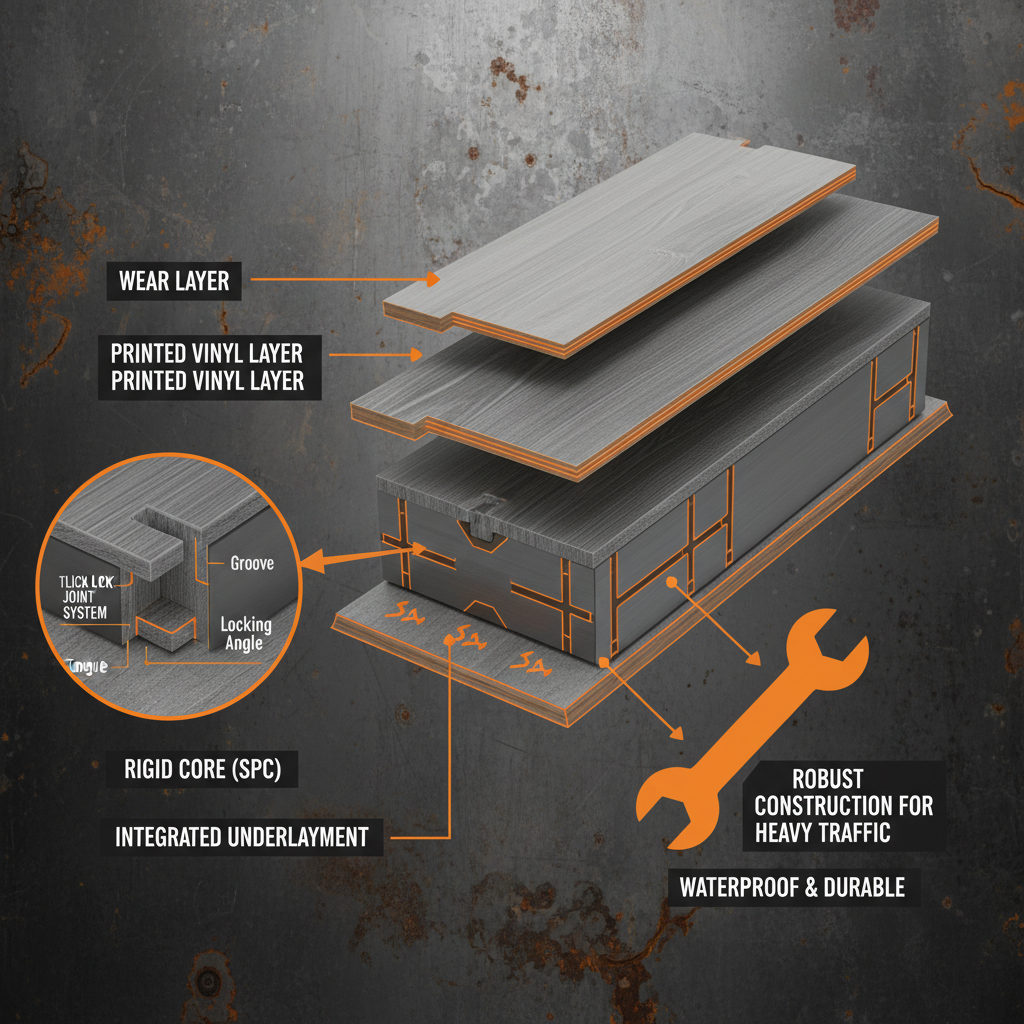
To be honest, the biggest trend is SPC – Stone Polymer Composite. Everyone’s jumping on that bandwagon. More rigid, more waterproof, supposedly. It's good stuff, don’t get me wrong. But it feels… different to work with. It’s denser, harder to cut cleanly. I’ve seen guys ruin blades just trying to get a straight line. And the price? Forget about it. It's creeping up. They're also pushing for more realistic textures. Embossing techniques are getting pretty sophisticated, trying to mimic wood grain and stone. It’s getting harder to tell the difference from the real thing, which is kinda creepy, right?

And then there’s the whole “click-lock” system evolution. They’re always trying to make it easier, faster. Some systems are genuinely good, but others…well, let’s just say they’re prone to separating under heavy loads.

Design Pitfalls and Common Mistakes

The biggest mistake I see is overcomplicating the interlocking edges. They want fancy angles and complex profiles, thinking it'll make it look "premium." But it just makes it harder to install. A simple, robust tongue-and-groove is often the best way to go. Less to go wrong. Another thing is underestimating the importance of the subfloor. If the subfloor isn't level, no amount of fancy vinyl tile is going to fix it. You'll get squeaks, gaps, and eventually, failure. Strangely, some designers forget that people actually walk on this stuff. They design beautiful patterns, but don't consider how the wear patterns will look after a year.

And don't even get me started on trying to match colors between different batches. It’s a nightmare. Always order extra, always.

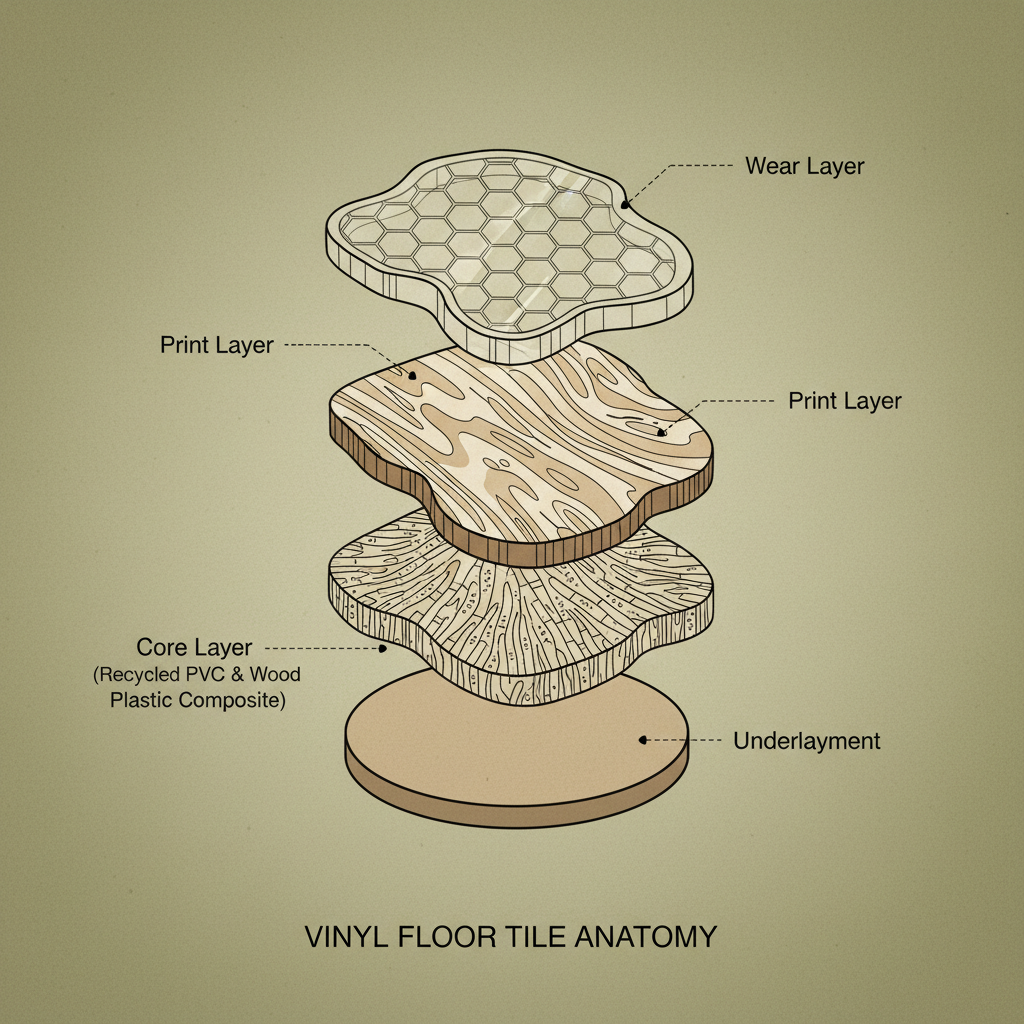
They always want to cut corners on the wear layer. That’s where they think they can save money. But trust me, a cheap wear layer will scratch and fade in no time.

Material Composition and On-Site Handling

Like I said, it's PVC, but the devil’s in the details. The phthalate content is a big deal. They’re trying to move away from those, but it affects the flexibility. A lot of the cheaper stuff feels… stiff. And it cracks easily. Then you have the fiberglass reinforcement layer. That’s crucial for dimensional stability. I encountered a batch at a school project last time where the fiberglass was unevenly distributed. The tiles warped like crazy in the sunlight. A disaster.

Handling it on site… you gotta be careful. Direct sunlight will warp it. Extreme temperatures can make it brittle. And if you're using adhesives, make sure they're compatible with the vinyl. I’ve seen adhesive residue that’s impossible to remove. It ruins the whole finish. The smell of the adhesive is always awful, by the way. Always.

You need to acclimatize the tiles to the room temperature for at least 48 hours before installation. It’s a pain, I know, but it's essential.

Real-World Testing and Performance

Lab tests are fine, but they don't tell the whole story. I've seen tiles pass all the lab tests but fall apart after six months in a busy retail store. The real test is foot traffic. A lot of it. And resistance to staining. Someone spills coffee, someone drags a heavy box, someone tracks in mud. That’s what really matters. We do our own "drop tests" - dropping a steel ball from a certain height. Seems crude, but it gives you a good indication of impact resistance.

Vinyl Floor Tile Performance Metrics


Actual User Applications and Unexpected Uses

You see it everywhere, right? Homes, offices, hospitals, schools. But I’ve seen some interesting applications. I had a client who used it in a dog grooming salon. They needed something waterproof, easy to clean, and durable enough to withstand sharp claws. Worked perfectly. And another guy used it as a temporary floor in a food truck.

They're also starting to use it in gyms now. Apparently, it provides decent cushioning. But I’m skeptical. I think it'll wear out quickly under heavy weights.

Advantages, Disadvantages, and Customization Options

Advantages? It’s affordable, relatively easy to install, and comes in a million different colors and patterns. It's waterproof, which is a big plus. Disadvantages? It can dent easily, it's not the most eco-friendly option, and it can off-gas VOCs. Honestly, the low end stuff smells like a chemical factory. Customization…you can get custom colors, custom sizes, even custom patterns. Last month, that small boss in Shenzhen who makes smart home devices insisted on changing the interface to , and the result was a three-week delay and a lot of wasted material. He wanted it to match his product branding. It was… a choice. Anyway, I think it's useful.

You can also get it with different textures. Embossed in register, where the texture matches the pattern, is a nice touch. Makes it look more realistic.

Material Property Comparison

To understand the differences, you gotta look at the specs. But honestly, those numbers don’t always tell the full story. It’s about how it feels in your hand, how it behaves on the job site.

But here’s a quick comparison, just roughly sketched, like I’d scribble on a notepad:

Vinyl Floor Tile Material Properties

Material Type Durability (1-10) Water Resistance (1-10) Cost (per sqm)
Standard PVC 6 7 $15-25
Luxury Vinyl Tile (LVT) 8 8 $30-50
SPC (Stone Polymer Composite) 9 10 $40-60
Rigid Core LVT 7 9 $25-40
WPC (Wood Plastic Composite) 6 8 $20-35
Eco-Friendly Vinyl (Recycled) 7 7 $35-55

FAQS

What's the best way to prep a concrete subfloor for vinyl tile installation?

Honestly, it's a pain. You gotta make sure it's completely clean, dry, and level. Vacuum it like your life depends on it. Then use a self-leveling compound to fill any cracks or dips. Moisture is the enemy. Test the moisture levels with a meter before you even think about laying down the tiles. Seriously, moisture issues will ruin everything.

How do I remove stubborn adhesive residue from vinyl flooring?

Oh, that’s a fun one. Forget about water. It just smears it around. You need a solvent, something like mineral spirits or adhesive remover. But test it in an inconspicuous area first! Some solvents will melt the vinyl. And always wear gloves and a respirator. Trust me, the fumes are nasty.

What’s the difference between LVT and SPC flooring?

LVT (Luxury Vinyl Tile) is more flexible, SPC (Stone Polymer Composite) is more rigid. SPC is generally more waterproof and durable. LVT tends to be softer underfoot. The price difference is significant too. SPC is usually more expensive. It depends on what you're looking for, but honestly, SPC is becoming the standard now.

Can vinyl floor tiles be installed over radiant heat?

Some can, some can’t. You gotta check the manufacturer’s specifications. It's crucial that the heat source is compatible. Also, the adhesive needs to be heat-resistant. Otherwise, it’ll melt and the tiles will come loose. It's a risk, honestly, and I usually advise against it unless it’s specifically designed for radiant heat.

How do you repair a gouge or scratch in vinyl flooring?

For minor scratches, you can use a vinyl repair kit. They have color-matched fillers that you can use to fill in the damage. For deeper gouges, you might need to replace the entire tile. It’s tricky to get a perfect match, though. Sometimes you just have to live with it.

Is vinyl flooring a good choice for high-moisture areas like bathrooms?

It can be, but you need to make sure it's 100% waterproof. Not just water-resistant. Look for tiles specifically designed for wet areas. And pay attention to the seams. You need to seal them properly to prevent water from getting underneath. Still, it's not as foolproof as tile, in my opinion.

Conclusion

So, yeah, vinyl floor tiles. They're not glamorous, but they’re practical. They've come a long way, but they still have their limitations. The industry’s chasing trends, trying to make them more sustainable and more realistic, but ultimately, it's a balancing act between cost, performance, and aesthetics. There's a lot of hype out there, so do your research and choose wisely.

Ultimately, whether this thing works or not, the worker will know the moment he tightens the screw. That's the truth of it. If it lays flat, feels solid, and doesn’t smell too bad, you're probably in good shape. And if it doesn't… well, you’ll know. Visit our website for more details: vinyl floor tiles

Michael Davis

Michael Davis

Michael Davis is the Logistics and Supply Chain Coordinator for Enlio in North America. He ensures the efficient and timely delivery of Enlio’s sports flooring products to customers across the region. Michael has a strong understanding of international logistics and customs regulations. He works closely with Enlio’s manufacturing facilities in
Previous Navigating Modern Construction with Expanded PVC Foam and Vinyl Floor Carpet
Next Exploring the Durability and Practicality of Vinyl SPC Flooring Solutions