To be honest, things are moving fast these days. Everyone’s chasing this "smart" and "integrated" buzzword. Seen a lot of prefab stuff, a lot of composite materials. Feels like five years ago everyone was still arguing about whether PVC was good enough, and now it's all SPC, WPC, fancy foams... It's kinda dizzying, ya know? The biggest trend, though? Durability. People are sick of replacing floors every other year. They want something that can take a beating, especially in commercial spaces.
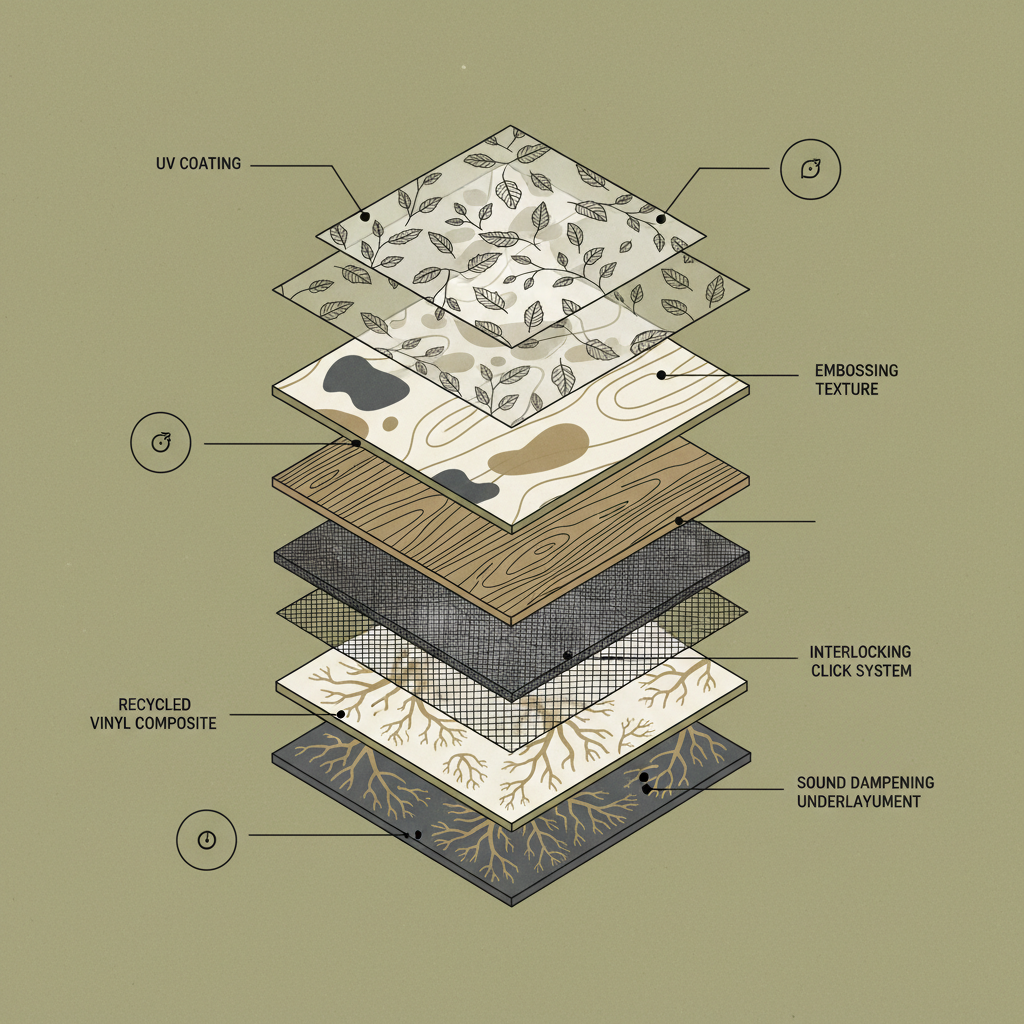
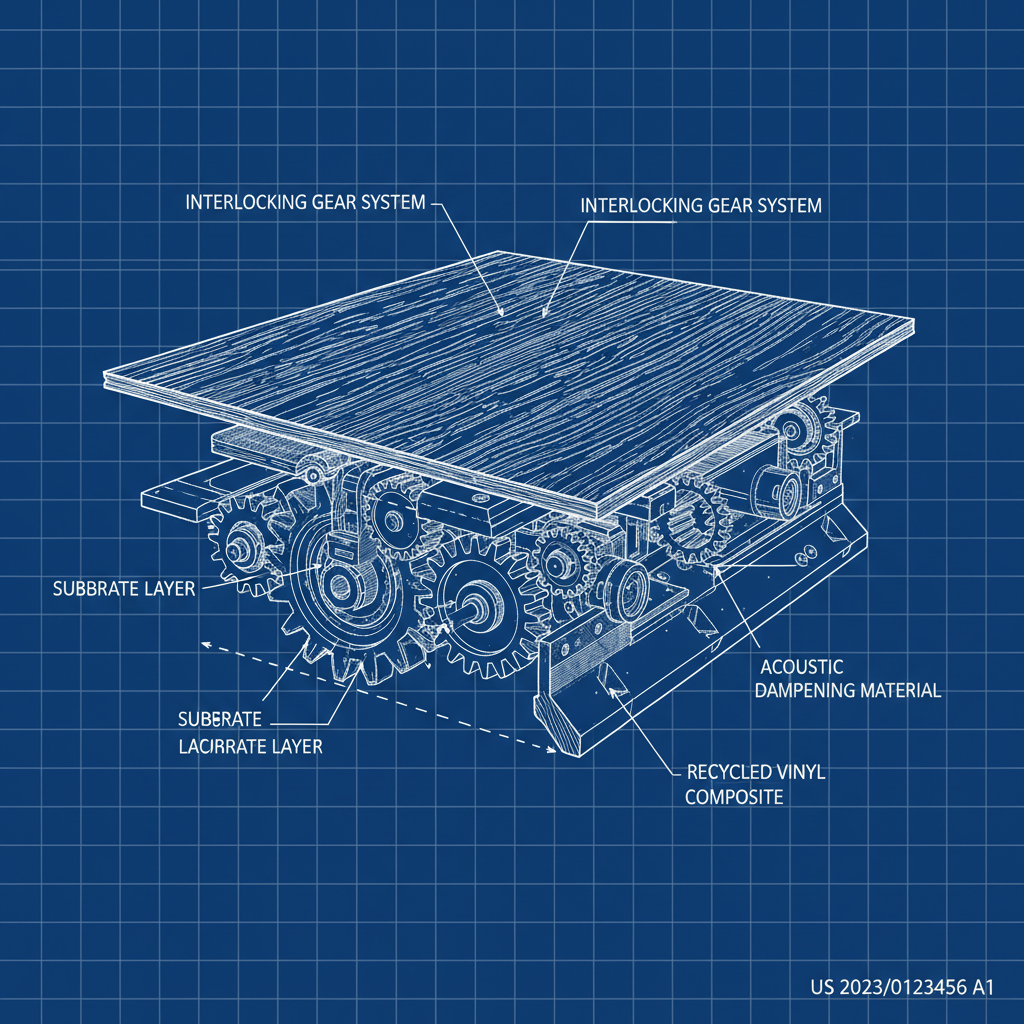
Have you noticed how many designs look good on paper, but are a nightmare to actually install? I swear, I encountered a floor with a click-lock system at a factory in Guangdong last time that took three guys an hour to get a single plank connected. Three guys! Click-lock is supposed to be easy. It's the little things, like the tongue and groove profile, the locking angle...that’s where things get hairy. And don’t even get me started on underlayment. Too thin, and you get noise and unevenness. Too thick, and you're fighting door clearances.
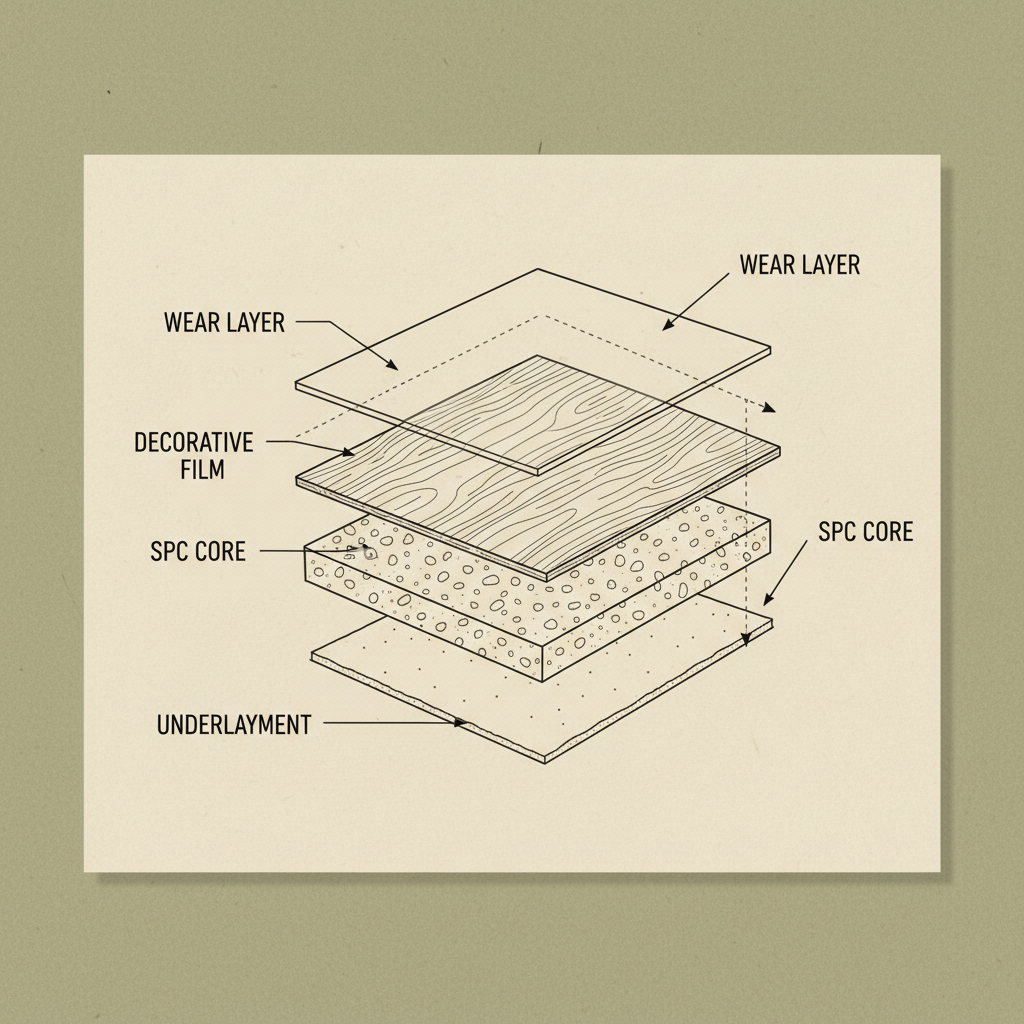
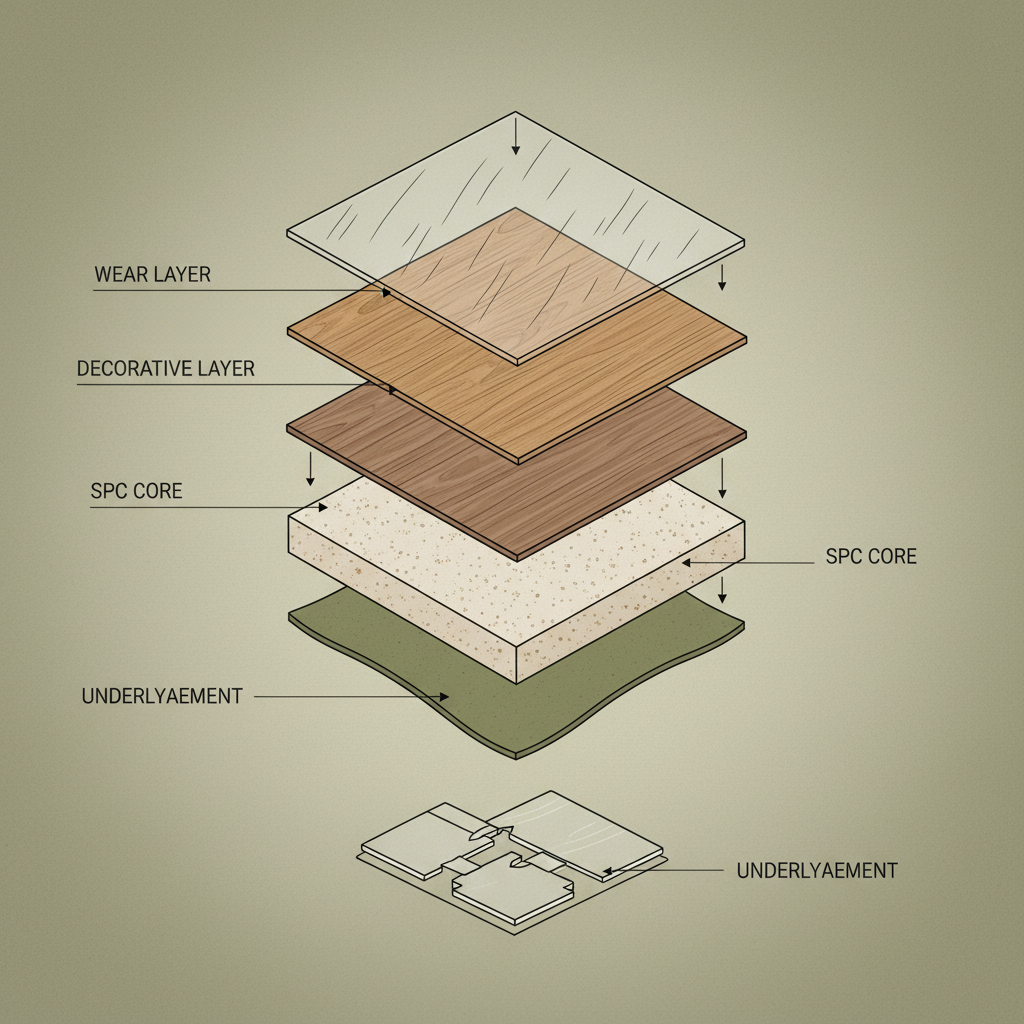
With vinyl spc flooring, it’s a different beast. It’s basically stone plastic composite – limestone powder mixed with PVC and stabilizers. Sounds simple, right? It's dense. Feels solid underfoot, unlike some of the softer vinyl options. It doesn’t have that…plasticky smell, either. More like, well, stone, I guess. It’s a bit rough to the touch before you install it, all that powder, but that’s a good sign. Means it’s got substance. You gotta wear a mask when cutting it though, that dust gets everywhere.
Industry Trends and Design Pitfalls
Strangely enough, everyone's obsessed with making it look like wood. Like, real wood is out? I've seen SPC floors with textures so deep you'd think you were walking on actual planks. It's kinda ironic, given how much cheaper it is. But honestly, it sells. The pitfall? Trying to mimic high-end wood grains on a budget material. It often looks...cheap. Keep it simple, folks. A clean, modern design usually works better.
And the bevels. Oh, the bevels. Too sharp, and they chip easily. Too rounded, and they look…soft. It's a Goldilocks situation.
Material Composition and Handling
So, SPC. Limestone powder, PVC, stabilizers. The quality of the PVC matters a lot. Cheap PVC yellows over time. I've seen it happen. The stabilizers are what keep it from getting brittle. They’ve gotten better over the years, but you still want to check the specs. The limestone powder, that's what gives it that weight and rigidity. Different grades of powder give different results. Fine powder, smoother surface. Coarser powder, more texture. Anyway, I think that’s enough chemistry for one day.
Handling it, it cuts like butter with a good blade. But wear safety glasses! That dust is no joke. And remember, it doesn't expand and contract like wood, which is a huge plus. No need to leave massive expansion gaps around the perimeter. Makes installation a lot easier.
You’ll find some SPC floors with an attached pad. Some are good, some…not so much. A separate, high-quality underlayment is always the better option, in my experience.
Testing in the Real World
Lab tests are fine and dandy, but they don’t tell the whole story. We do drop tests with steel balls, scratch tests with different materials, and, most importantly, we walk on it. For months. We have a small test room at the factory where we deliberately abuse the floors. Coffee spills, dragging furniture, high heels...you name it. That’s where you really see what holds up.
We also send samples to construction sites and let the workers beat them up. Seriously. They're the best testers. If they complain, you know you have a problem. One time, we sent a sample to a school, and the kids practically demolished it in a week. Back to the drawing board, obviously.
The water resistance test is crucial. SPC is waterproof, but not all waterproofings are created equal. We submerge planks in water for 24 hours and check for swelling or warping. The good stuff doesn’t even flinch.
Actual User Applications
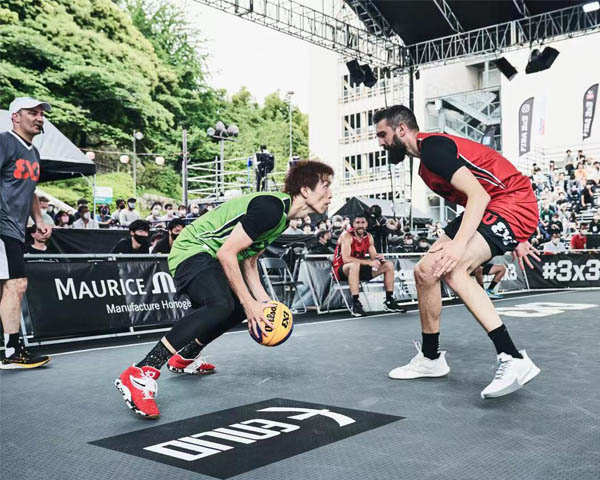
We’re seeing a lot of SPC in commercial spaces – hospitals, schools, offices. Anywhere with high foot traffic. It’s also popular in basements, kitchens, and bathrooms. Anywhere you need a waterproof floor. I’ve even seen it used in some retail stores, the stuff that can handle a forklift driving over it.
The funny thing is, people are using it in ways we never anticipated. Like, one guy used it to create a waterproof backdrop for his aquarium. An aquarium! I never would have thought of that.
SPC Floor Applications by Industry
Advantages and Disadvantages of vinyl spc flooring
The biggest advantage is the durability, hands down. It can take a beating, and it's waterproof. That's a winning combination. It’s also relatively affordable, compared to hardwood or tile. And the installation is pretty straightforward.
But it’s not perfect. It doesn’t feel as warm underfoot as some other flooring options. And it can be noisy if you don't use a good underlayment. The designs, while improving, can still sometimes look a bit…artificial. And frankly, some of the cheaper stuff just doesn’t hold up. You get what you pay for.
Customization Options
We can do a lot with customization. Different thicknesses, different wear layers, different colors and patterns. We can even do custom embossing. Last month, that small boss in Shenzhen who makes smart home devices insisted on changing the interface to , and the result was a three-week delay because we had to retool the embossing rollers. He swore it was for future-proofing. I still don’t get it.
We can also do different sizes. Standard planks are usually around 72 inches long, but we can go shorter or longer depending on the customer's needs. We've even done SPC flooring with integrated LED lighting. Now that was a challenge.
Basically, if you can dream it, we can probably build it. Within reason, of course.
A Customer Story and Final Thoughts
Anyway, I think the bottom line is, vinyl spc flooring is a solid choice for a lot of applications. It’s durable, waterproof, and affordable. It’s not a magic bullet, but it’s a good, reliable option.
I remember one job in a new hospital wing. They wanted something that could withstand constant cleaning and heavy equipment. They went with our SPC flooring, and the nurses are thrilled. No more worrying about water damage or scratches.
But ultimately, whether this thing works or not, the worker will know the moment he tightens the screw.
SPC Flooring: Core Performance Attributes
| Key Attribute |
Testing Method |
Performance Range |
Real-World Observation |
| Water Resistance |
24-Hour Immersion Test |
0% Absorption |
No swelling or warping after prolonged exposure. |
| Impact Resistance |
Steel Ball Drop Test |
No visible damage at 2kg |
Holds up well to dropped tools on construction sites. |
| Scratch Resistance |
Taber Abraser Test |
2000 Cycles |
Resistant to everyday wear and tear. |
| Dimensional Stability |
Temperature Cycling |
Less than 0.1% change |
Minimal expansion or contraction with temperature changes. |
| Wear Layer Thickness |
Micrometer Measurement |
0.3mm - 0.7mm |
Thicker wear layers offer increased durability. |
| Slip Resistance |
Static Coefficient of Friction |
>0.6 |
Provides good traction, even when wet. |
FAQS
Generally, SPC flooring is more durable and waterproof than laminate. Laminate is susceptible to water damage, whereas SPC flooring is completely waterproof. SPC also has a denser core, making it more resistant to dents and scratches. We've seen laminate buckle and swell after even minor spills, something SPC handles with ease.
For SPC flooring, you want an underlayment that provides moisture protection and sound absorption. A closed-cell foam underlayment, around 1.5mm to 2mm thick, is usually a good choice. Avoid underlayments with a vapor barrier if your SPC flooring already has one attached. It’s important not to trap moisture.
Yes, in most cases. However, the tile needs to be clean, level, and free of debris. Any cracks or unevenness in the tile need to be addressed first. A self-leveling compound might be necessary. We recommend a moisture test on the tile before installation, just to be safe.
Absolutely. That's one of its biggest strengths. SPC flooring is designed to withstand heavy foot traffic and resist wear and tear. A wear layer of 0.3mm or higher is recommended for high-traffic areas. We’ve installed it in hospitals, schools, and retail stores with excellent results.
Cleaning is easy! Regular sweeping or vacuuming will remove dirt and debris. For deeper cleaning, use a mild detergent and warm water. Avoid abrasive cleaners, as they can damage the wear layer. Spills should be cleaned up immediately. It's really low-maintenance, which is a big plus.
It can feel colder underfoot than some other flooring options, and it’s not as naturally warm as wood. The sound can also be an issue if you don't use a good underlayment. Finally, the designs, while improving, can sometimes look less authentic than real wood or tile. But for the price and durability, it’s a pretty solid choice.
Conclusion
So, vinyl spc flooring. It’s not glamorous, but it’s practical. It’s a workhorse, not a show pony. It’s a good, reliable option for anyone who wants a durable, waterproof, and affordable floor. It’s become the go-to choice for commercial applications and is increasingly popular in residential settings.
Looking ahead, I think we’ll see even more innovation in SPC flooring, with improvements in design and sustainability. Manufacturers are working on using recycled materials and reducing the environmental impact of production. Ultimately, whether this thing works or not, the worker will know the moment he tightens the screw. Visit our website to learn more: vinyl spc flooring