
0%

Table of Contents

Waterproof vinyl flooring for bathrooms has emerged as a leading choice for homeowners and designers alike, offering a compelling blend of style, durability, and practicality. The increasing demand stems from a desire for bathroom flooring that can withstand the unique challenges posed by moisture, humidity, and frequent use. It represents a significant upgrade over traditional materials like tile, wood, and laminate, addressing common issues such as water damage, mold growth, and maintenance complexities.

The global construction industry is witnessing a surge in the adoption of waterproof flooring solutions, driven by rising disposable incomes, urbanization, and a growing emphasis on home renovation. According to Statista, the global vinyl flooring market size was valued at USD 31.4 billion in 2023 and is projected to reach USD 45.2 billion by 2030. This growth is partially fuelled by the versatility and cost-effectiveness of waterproof vinyl, making it an attractive option for both new constructions and remodeling projects.

The prevalence of bathrooms as a key area for home improvement, coupled with the need for resilient flooring, directly addresses a critical market need. Consumers are actively seeking solutions that minimize long-term maintenance costs and enhance the overall aesthetic appeal of their homes, and waterproof vinyl flooring for bathrooms fulfills these requirements perfectly.
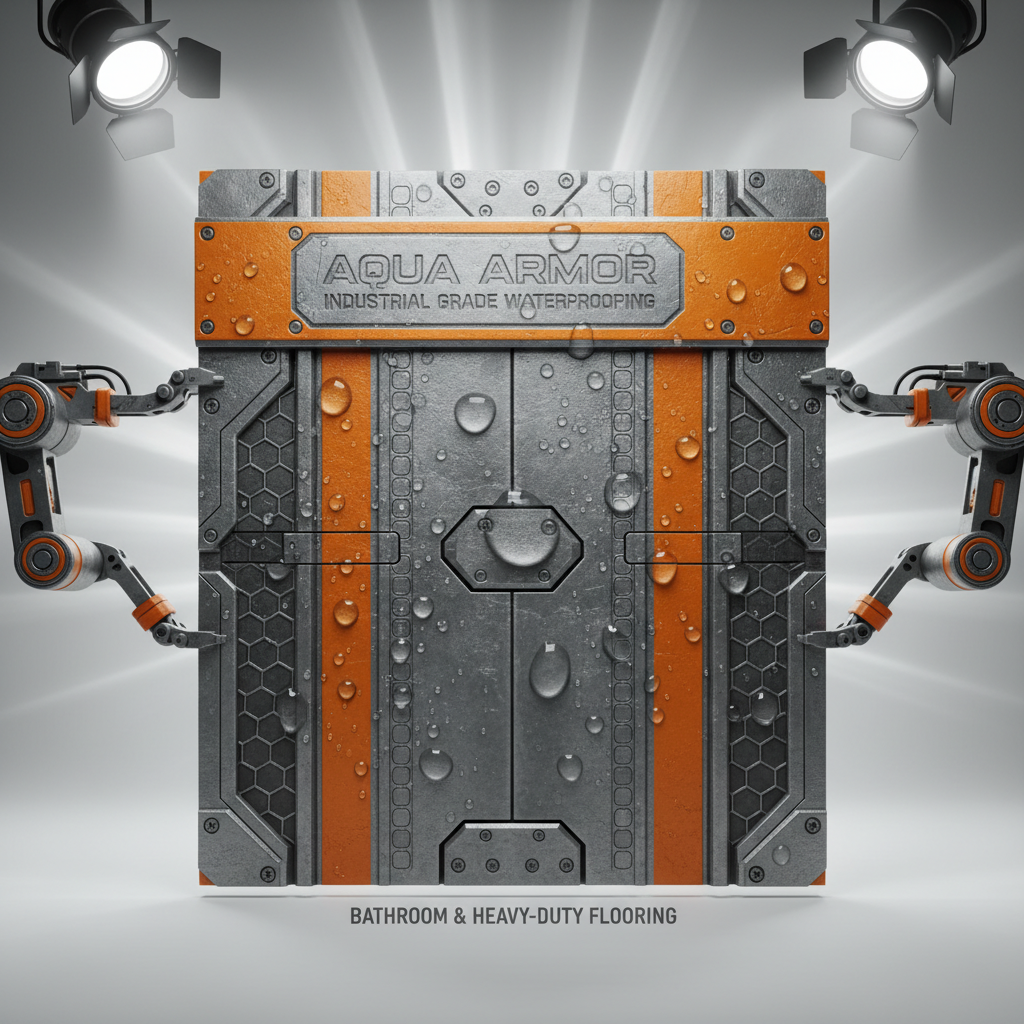
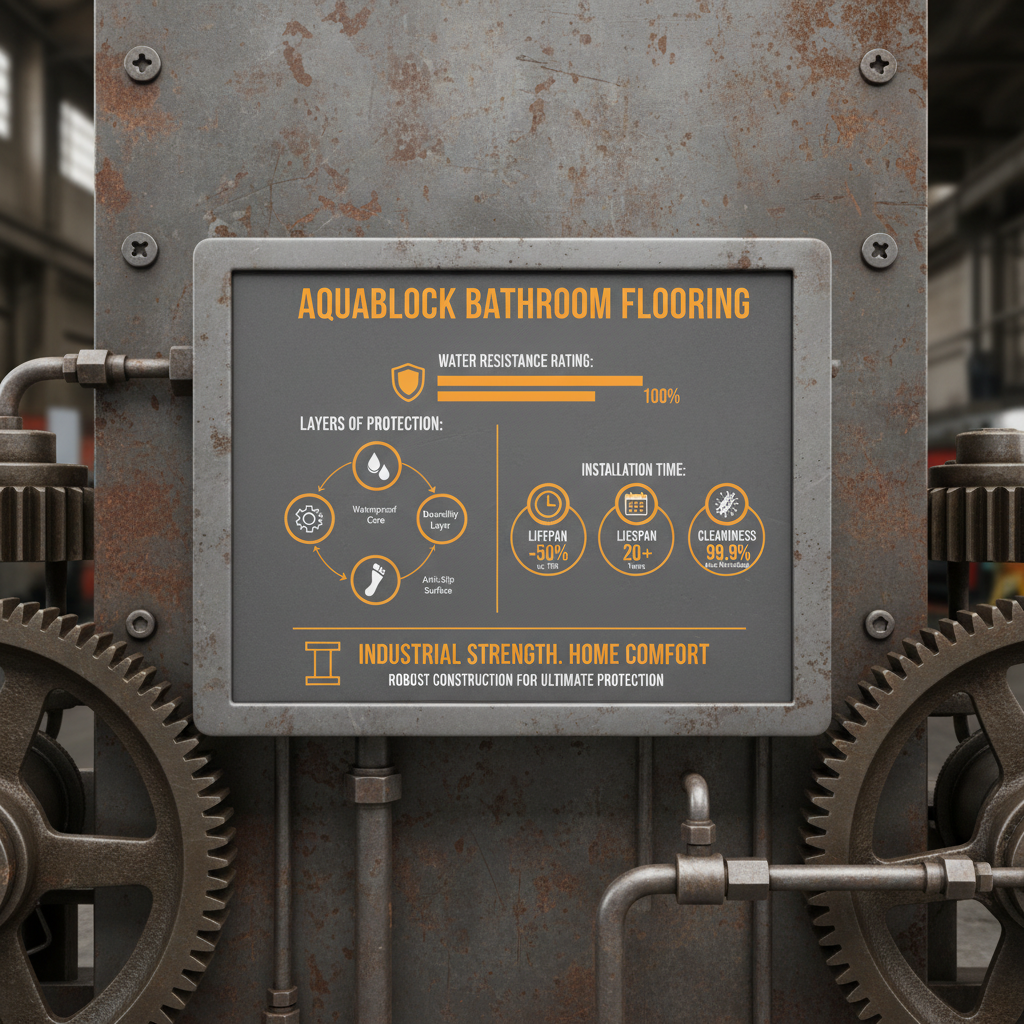
Exploring the Benefits of Waterproof Vinyl Flooring for Bathrooms and Beyond

Introduction to waterproof vinyl flooring for bathrooms

Exploring the Benefits of Waterproof Vinyl Flooring for Bathrooms and Beyond

Waterproof vinyl flooring for bathrooms has rapidly become a staple in modern bathroom design, offering a practical and aesthetically pleasing solution for homeowners. It’s not simply a trend; it’s a response to the inherent challenges of bathroom environments – constant moisture, potential spills, and the need for easy cleaning. The flooring’s ability to mimic natural materials like wood or stone, combined with its water resistance, makes it a highly sought-after alternative to traditional bathroom flooring options.

Its popularity extends beyond residential applications, finding its way into commercial spaces like hotels, spas, and healthcare facilities where hygiene and durability are paramount. This broad appeal underscores the versatility and enduring value of this innovative flooring material.

Defining Waterproof Vinyl Flooring

Waterproof vinyl flooring for bathrooms refers to a synthetic flooring material constructed in layers, with the core layer being completely impermeable to water. Unlike water-resistant vinyl, which can withstand splashes and spills for a limited time, waterproof vinyl prevents water from penetrating the flooring and reaching the subfloor, thus preventing mold, mildew, and structural damage. It's often available in several forms, including luxury vinyl planks (LVP) and luxury vinyl tiles (LVT).

The construction typically includes a wear layer for scratch and stain resistance, a waterproof core often made from stone plastic composite (SPC) or wood plastic composite (WPC), and a backing layer for cushioning and sound absorption. This layered structure contributes to the flooring’s overall durability and comfort underfoot.

This definition connects to modern industry needs by addressing a persistent problem: the vulnerability of floors to water damage. The demand for reliable, long-lasting flooring materials in high-moisture environments is driving innovation in vinyl flooring technology and manufacturing processes.

Key Characteristics of Bathroom Vinyl Flooring

One of the most crucial characteristics of waterproof vinyl flooring for bathrooms is its inherent water resistance. The core material, typically SPC or WPC, is designed to be completely impervious to water, safeguarding against leaks, spills, and humidity. This is a fundamental advantage over traditional materials susceptible to water damage.

Durability is another significant attribute. Waterproof vinyl flooring for bathrooms is built to withstand heavy foot traffic, scratches, and stains, making it ideal for busy bathrooms. The wear layer, available in varying thicknesses, protects the surface from everyday wear and tear, ensuring a long-lasting and attractive appearance.

Furthermore, waterproof vinyl flooring for bathrooms is renowned for its comfort. The backing layer provides a degree of cushioning, making it more comfortable to stand on compared to hard surfaces like tile. Its relative warmth also contributes to a more inviting bathroom environment.

Performance Attributes

The performance of waterproof vinyl flooring for bathrooms is evaluated based on several key metrics. Water resistance, as previously discussed, is paramount, often tested using standards like ASTM D4269. Dimensional stability, which measures the flooring’s resistance to expansion and contraction with changes in temperature and humidity, is also critical for ensuring a long-lasting installation.

Impact resistance and wear resistance are further important performance attributes, typically assessed using tests like the drop-weight test and the Taber abrasion test. These tests simulate real-world conditions to determine how well the flooring can withstand impacts and abrasive forces.

Performance Comparison of waterproof vinyl flooring for bathrooms Methods


Application Across Diverse Settings

Waterproof vinyl flooring for bathrooms is being utilized across a diverse range of settings. In residential applications, it's becoming the go-to choice for master bathrooms, guest bathrooms, and powder rooms due to its aesthetic appeal and practical benefits. It’s also gaining popularity in basements, where moisture is a common concern.

Commercial applications include hotels, spas, gyms, and healthcare facilities. In these environments, the durability, water resistance, and ease of cleaning are crucial advantages. For example, hospitals often opt for waterproof vinyl flooring in patient rooms and restrooms to maintain a hygienic environment.

Benefits and Long-Term Value

The benefits of waterproof vinyl flooring for bathrooms extend beyond its practical qualities. From a cost perspective, it often represents a more affordable alternative to natural stone or high-end tile, while offering comparable aesthetic appeal. Its low maintenance requirements translate to long-term savings on cleaning and repair costs.

Sustainability is another growing benefit, as many manufacturers are incorporating recycled materials into their production processes. The durability of the flooring also contributes to its sustainability by reducing the need for frequent replacements. Beyond the tangible benefits, waterproof vinyl flooring for bathrooms provides peace of mind, knowing that your bathroom is protected from water damage and mold growth.

Future Innovations and Trends

The future of waterproof vinyl flooring for bathrooms is likely to be shaped by ongoing innovations in materials and manufacturing processes. Researchers are exploring new core materials that offer even greater water resistance and durability. Digital printing technologies are also enabling more realistic and intricate designs, mimicking the look of natural materials with greater accuracy.

There's a growing emphasis on sustainable manufacturing practices, with companies investing in recycled content and eco-friendly production methods. Smart flooring technologies, such as embedded sensors for detecting leaks or monitoring moisture levels, are also emerging as potential future innovations.

The trend towards antimicrobial flooring is another area of development, with manufacturers incorporating antimicrobial additives to inhibit the growth of bacteria and mold, further enhancing the hygienic properties of this already practical flooring solution.

FAQS

What is the best underlayment to use with waterproof vinyl flooring for bathrooms?

Selecting the right underlayment is critical. Look for an underlayment specifically designed for vinyl flooring, offering moisture protection and cushioning. Many waterproof vinyl products have a pre-attached underlayment, simplifying installation. Avoid underlayments that are too thick, as they can create instability. A thin, high-density foam or cork underlayment is often the best choice for bathroom applications, ensuring optimal performance and comfort.

How do I clean waterproof vinyl flooring for bathrooms?

Cleaning waterproof vinyl flooring for bathrooms is remarkably easy. Regular sweeping or vacuuming removes dust and debris. For deeper cleaning, use a damp mop with a pH-neutral cleaner specifically designed for vinyl flooring. Avoid abrasive cleaners, scouring pads, and harsh chemicals, as these can damage the wear layer. Occasional use of a vinyl floor polish can help maintain its shine.

Is waterproof vinyl flooring for bathrooms suitable for high-traffic bathrooms?

Yes, waterproof vinyl flooring for bathrooms is exceptionally well-suited for high-traffic bathrooms. Its durability and wear resistance can withstand frequent use without showing signs of wear and tear. Look for products with a thicker wear layer (12mil or higher) for enhanced protection. The scratch-resistant properties of the flooring also contribute to its longevity in busy bathrooms.

Can I install waterproof vinyl flooring for bathrooms over existing tile?

It depends on the condition of the existing tile. The tile must be clean, level, and securely bonded to the subfloor. Minor imperfections can be addressed with a self-leveling compound. However, significant cracks or unevenness will need to be repaired before installing the vinyl flooring. Always consult the flooring manufacturer's instructions for specific recommendations.

How long does waterproof vinyl flooring for bathrooms typically last?

With proper installation and maintenance, waterproof vinyl flooring for bathrooms can last 15-25 years or even longer. The lifespan depends on the quality of the flooring, the thickness of the wear layer, and the amount of traffic it receives. Regular cleaning and avoiding abrasive materials will help extend its longevity.

Is waterproof vinyl flooring for bathrooms a good option for bathrooms with radiant heat?

Yes, many waterproof vinyl flooring for bathrooms products are compatible with radiant heat systems. However, it's crucial to check the manufacturer's specifications to ensure that the flooring is specifically approved for use with radiant heat. Following the manufacturer's installation guidelines is essential to avoid damaging the flooring or the heating system.

Conclusion

In conclusion, waterproof vinyl flooring for bathrooms stands out as a superior flooring solution, offering a unique combination of durability, water resistance, aesthetic versatility, and cost-effectiveness. Its ability to withstand the challenging conditions of a bathroom environment while providing a comfortable and visually appealing surface makes it a popular choice for both residential and commercial applications. The material addresses a critical need for flooring that can reliably protect against water damage and mold growth, ensuring long-term performance and peace of mind.

Looking ahead, the continued innovation in materials, manufacturing processes, and design options promises to further enhance the appeal and functionality of waterproof vinyl flooring for bathrooms. By embracing sustainable practices and exploring smart flooring technologies, this material is poised to become an even more integral part of modern bathroom design. For quality and selection, visit our website: waterproof vinyl flooring for bathrooms.

David Miller

David Miller

David Miller is the North American Sales Director for Hebei Enlio Sports Goods Co., LTD, joining the company in 2018. With over 15 years of experience in the sports flooring industry, David focuses on expanding Enlio’s market share within the US and Canada. He's a key driver behind the company's
Previous Exploring the Benefits and Applications of Marble Vinyl Flooring Solutions
Next Exploring the Versatility and Growth of Plastic Vinyl Flooring Solutions