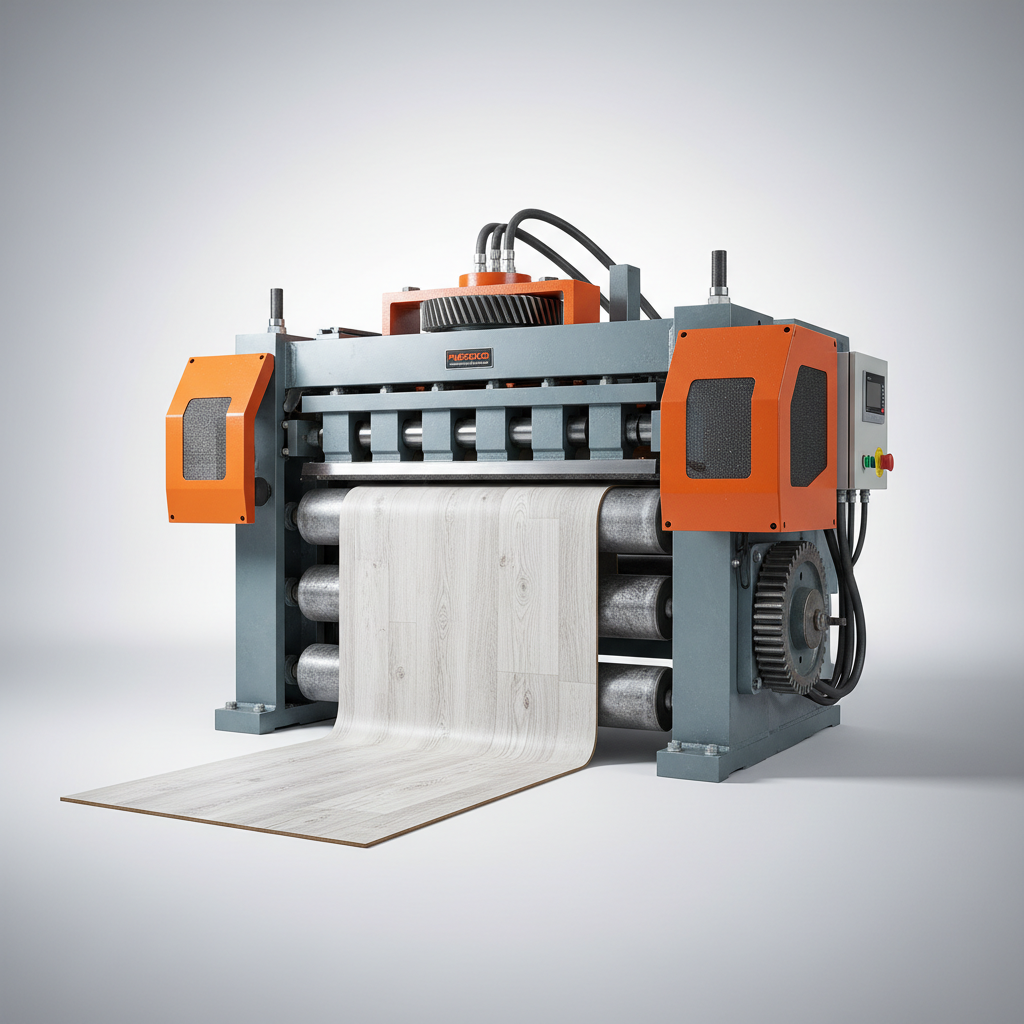
Marble vinyl flooring has emerged as a compelling and increasingly popular choice for both residential and commercial spaces globally. Its ability to mimic the luxurious aesthetic of natural marble, coupled with its practicality and affordability, has driven significant demand. From bustling city apartments to high-traffic commercial environments, marble vinyl flooring offers a versatile solution for those seeking style, durability, and ease of maintenance. Understanding its benefits and applications is crucial for architects, designers, and homeowners alike in today's evolving construction and interior design landscape.
The global flooring market is experiencing substantial growth, with vinyl flooring consistently gaining market share due to its cost-effectiveness and performance characteristics. According to industry reports, the vinyl flooring market is projected to reach \$45.5 billion by 2028, exhibiting a CAGR of 5.2% during the forecast period. This growth is fueled by rising construction activities in emerging economies, a growing preference for resilient flooring solutions, and increasing awareness regarding the aesthetic benefits of vinyl products, including marble vinyl flooring.
A key challenge within the construction industry is balancing aesthetic appeal with budget constraints and practical requirements. Marble vinyl flooring directly addresses this challenge by providing a high-end look without the high-end price tag or maintenance demands of genuine marble. It’s a solution that allows for stylish spaces without compromising on durability or functionality, becoming a key player in modern interior design.
Introduction to Marble Vinyl Flooring
Marble vinyl flooring offers an exceptional blend of aesthetics and functionality, making it a preferred choice for a wide range of applications. This flooring solution successfully emulates the luxurious look of genuine marble at a fraction of the cost, providing homeowners and businesses alike with an accessible path to achieving a sophisticated design aesthetic.
The increasing popularity of marble vinyl flooring is also driven by its durability and ease of maintenance. Unlike natural marble which requires regular sealing and polishing, marble vinyl flooring is incredibly resilient to scratches, stains, and water damage, making it ideal for high-traffic areas and busy households. This practical advantage, coupled with its visual appeal, ensures long-lasting beauty and value.
Defining Marble Vinyl Flooring
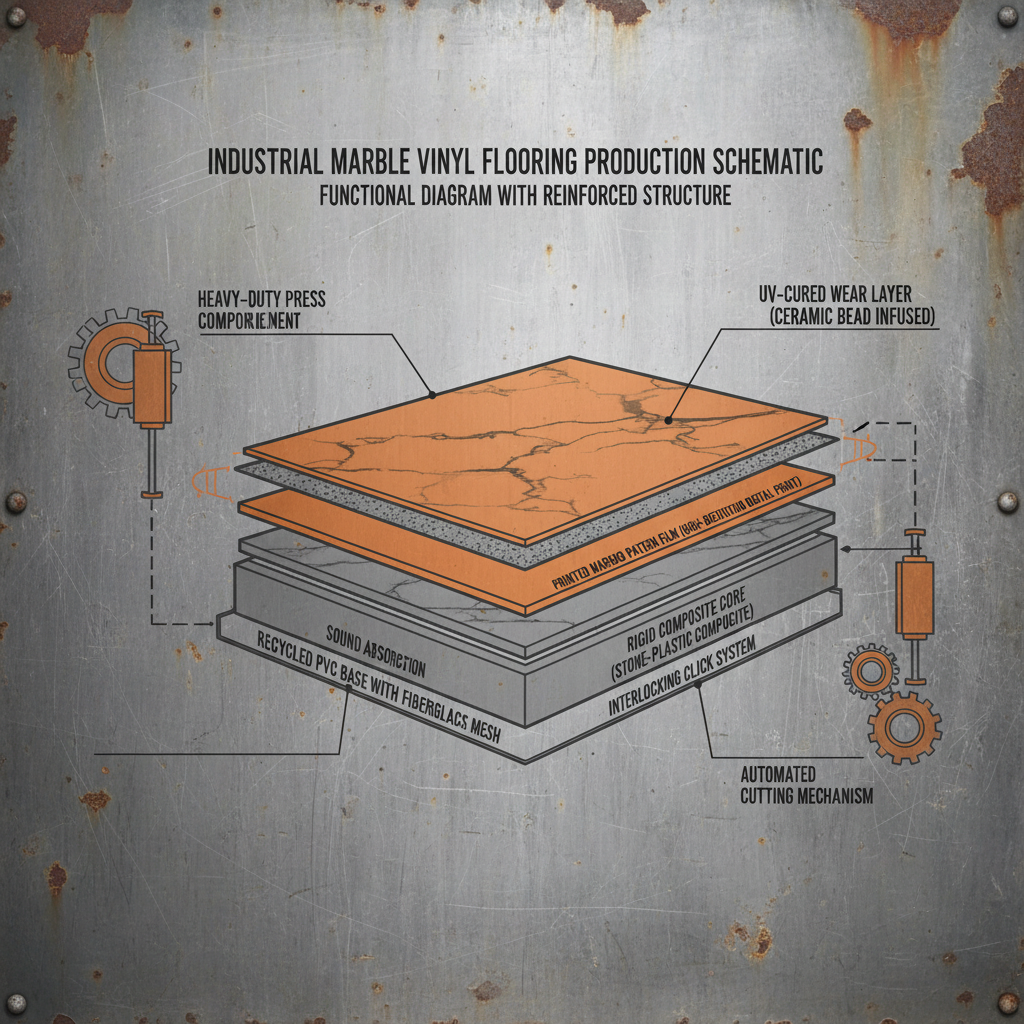
Marble vinyl flooring is a synthetic flooring material designed to replicate the look of natural marble. It is typically constructed from multiple layers, including a wear layer, a print layer that displays the marble pattern, and a core layer that provides stability and cushioning. These layers are bonded together to create a durable and visually appealing flooring product.
This type of flooring directly addresses the need for cost-effective and practical design solutions in both residential and commercial settings. In an era where sustainability and affordability are paramount, marble vinyl flooring offers a compelling alternative to more expensive and environmentally demanding materials.
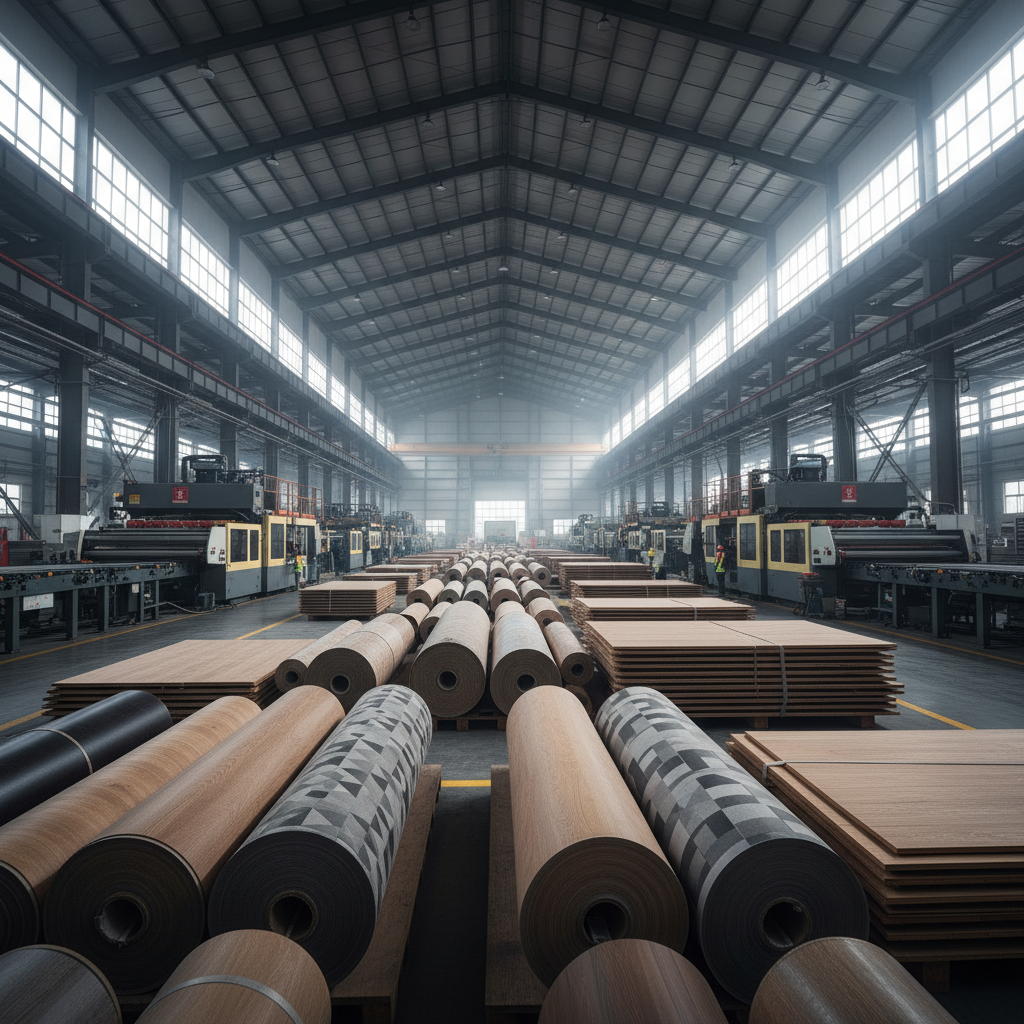
The manufacturing of marble vinyl flooring is a highly refined process, driven by advancements in polymer chemistry and printing technologies. This allows for incredibly realistic marble designs, making it difficult to distinguish between the vinyl imitation and the genuine stone.
Core Components of Marble Vinyl Flooring
Understanding the key components of marble vinyl flooring is crucial to appreciating its performance characteristics. The wear layer, typically made of polyurethane, protects against scratches, stains, and wear and tear. The thicker the wear layer, the more durable the flooring will be.
Beneath the wear layer lies the print layer, which showcases the high-definition marble pattern. Advanced printing techniques ensure a realistic and visually appealing design. The core layer, often made of PVC or WPC (Wood Plastic Composite), provides stability, cushioning, and impact resistance. Variations in core composition impact the flooring’s waterproof qualities and overall rigidity.
Finally, many marble vinyl flooring options include an underlayment, which further enhances comfort and sound absorption. These components work synergistically to create a flooring solution that is not only aesthetically pleasing but also durable, comfortable, and practical for a variety of applications.
Practical Applications of Marble Vinyl Flooring
Marble vinyl flooring’s versatility makes it suitable for a wide array of applications, spanning both residential and commercial sectors. In homes, it is commonly used in kitchens, bathrooms, living rooms, and hallways, where its water resistance and durability are particularly valuable.
In commercial settings, marble vinyl flooring finds applications in retail stores, offices, healthcare facilities, and hospitality spaces. Its ability to withstand heavy foot traffic and maintain its aesthetic appeal makes it an ideal choice for high-traffic areas.
Marble Vinyl Flooring Performance Across Applications
Advantages and Long-Term Value
The advantages of marble vinyl flooring extend beyond its aesthetic appeal. One significant benefit is its cost-effectiveness. Compared to genuine marble, marble vinyl flooring represents a substantial savings, making it accessible to a wider range of budgets.
Furthermore, marble vinyl flooring is remarkably easy to maintain. Unlike marble which requires regular sealing and polishing, vinyl flooring can be easily cleaned with a damp mop and mild detergent, reducing long-term maintenance costs. This convenience, coupled with its durability, translates into long-term value for homeowners and businesses.
Future Trends and Innovations
The future of marble vinyl flooring is poised for continued innovation. Developments in digital printing technology are enabling even more realistic and intricate marble designs. Enhanced wear layers are improving durability and scratch resistance.
Furthermore, there’s a growing emphasis on sustainable manufacturing practices, with manufacturers exploring the use of recycled materials and eco-friendly adhesives. Innovations in core materials, such as SPC (Stone Plastic Composite), are increasing the rigidity and waterproof capabilities of marble vinyl flooring, expanding its application possibilities.
The integration of smart technology is another potential trend, with the possibility of incorporating sensors into the flooring to monitor foot traffic, temperature, or even detect leaks.
Challenges and Solutions
While marble vinyl flooring offers numerous benefits, certain challenges exist. One concern is the potential for off-gassing of volatile organic compounds (VOCs) during manufacturing and installation. However, manufacturers are increasingly adopting low-VOC and phthalate-free formulations to address this issue.
Another challenge is ensuring proper subfloor preparation. Uneven or improperly prepared subfloors can compromise the integrity and longevity of the flooring. Professional installation and thorough subfloor assessment are essential to mitigate this risk.
Finally, consumer awareness regarding the quality and composition of marble vinyl flooring can be limited. Clear labeling and standardized certification programs can help consumers make informed purchasing decisions and select products that meet their specific needs and environmental concerns.
Summary of Challenges and Solutions for Marble Vinyl Flooring
| Challenge |
Impact on Flooring |
Solution |
Implementation Cost (1-10) |
| VOC Emissions |
Indoor air quality concerns, potential health effects |
Low-VOC and phthalate-free formulations |
6 |
| Subfloor Irregularities |
Flooring instability, premature wear |
Professional subfloor preparation and leveling |
7 |
| Lack of Consumer Awareness |
Poor product selection, dissatisfaction |
Clear labeling and certification programs |
5 |
| Moisture Intrusion |
Mold growth, flooring damage |
Waterproof core materials (SPC) and proper sealing |
8 |
| Scratch Resistance |
Visible wear and tear, reduced lifespan |
High-performance wear layers |
4 |
| Installation Issues |
Gaps, uneven seams, reduced aesthetics |
Professional installation with proper tools and techniques |
9 |
FAQS
Marble vinyl flooring generally surpasses laminate flooring in water resistance. While laminate has a water-resistant surface, its core can swell and warp when exposed to prolonged moisture. Marble vinyl, especially those with a waterproof core like SPC, offers superior protection against water damage, making it a better choice for kitchens, bathrooms, and laundry rooms.
Many marble vinyl flooring products are compatible with underfloor heating systems, but it’s crucial to check the manufacturer's specifications. Typically, floors with a thickness of less than 2.5mm are suitable, and the maximum surface temperature should not exceed 27°C (80°F). Improper heating can cause the flooring to warp or discolour, so adherence to guidelines is essential.
The lifespan of marble vinyl flooring varies depending on the wear layer thickness and the level of foot traffic. With proper care and maintenance, high-quality marble vinyl flooring with a wear layer of 0.3mm or greater can last for 10-20 years, or even longer. Regular cleaning and avoiding abrasive cleaners contribute to extending its lifespan.
Minor scratches on the surface of marble vinyl flooring can often be buffed out with a vinyl repair kit. However, deeper damage or extensive wear may require replacing the affected planks or tiles. Having extra flooring on hand is recommended for future repairs. For significant damage, professional repair may be necessary.
While not a natural material, marble vinyl flooring can be a more sustainable choice than some other flooring options. Many manufacturers are using recycled content and adopting low-VOC production processes. Choosing products with certifications like FloorScore ensures low emissions and adherence to environmental standards. Consider the full lifecycle impact when evaluating its sustainability.
Regular cleaning of marble vinyl flooring involves sweeping or vacuuming to remove loose dirt and debris. For deeper cleaning, use a damp mop with a mild detergent specifically designed for vinyl flooring. Avoid abrasive cleaners, scouring pads, and excessive water, as these can damage the surface. Spot clean stains immediately with a suitable cleaner.
Conclusion
In conclusion, marble vinyl flooring represents a compelling solution for those seeking an affordable, durable, and aesthetically pleasing flooring option. Its ability to mimic the luxurious look of natural marble, coupled with its practical benefits like water resistance and ease of maintenance, makes it a versatile choice for a wide range of applications. From residential homes to commercial spaces, this flooring solution delivers long-term value and enhances the overall aesthetic appeal of any environment.
Looking ahead, continued innovation in materials and manufacturing processes will further enhance the performance and sustainability of marble vinyl flooring. By choosing high-quality products and adhering to proper installation and maintenance practices, consumers can enjoy the beauty and benefits of this flooring solution for years to come. For more information and to explore our extensive range of marble vinyl flooring options, visit our website: www.enliosport.com.