Plastic vinyl flooring has emerged as a dominant material in the construction and interior design industries, offering a versatile and cost-effective solution for a wide range of applications. Its increasing global adoption is driven by its durability, aesthetic appeal, and ease of maintenance. Understanding the nuances of plastic vinyl flooring is crucial for architects, contractors, homeowners, and anyone involved in building and renovation projects.
The demand for plastic vinyl flooring is soaring worldwide, fueled by urbanization, increased construction activity, and a growing preference for resilient flooring options. According to recent market reports, the global vinyl flooring market is projected to reach \$68.1 billion by 2028, exhibiting a CAGR of 4.7% from 2021. This growth signifies the material’s ability to address the need for affordable, durable, and aesthetically pleasing flooring solutions.
The versatility of plastic vinyl flooring allows it to tackle a variety of challenges, from providing water-resistant surfaces in bathrooms and kitchens to offering impact-resistant flooring in high-traffic commercial spaces. This makes it an indispensable material in modern construction and interior design.
Introduction to Plastic Vinyl Flooring
Plastic vinyl flooring represents a significant advancement in flooring technology, offering a robust and versatile alternative to traditional materials like wood, tile, and stone. It is composed primarily of polyvinyl chloride (PVC), combined with plasticizers and stabilizers to enhance its flexibility, durability, and resistance to wear and tear.
The initial development of plastic vinyl flooring addressed the need for a water-resistant and easy-to-clean flooring option, initially gaining popularity in kitchens and bathrooms. Over time, advancements in manufacturing processes have expanded its range of applications and aesthetic possibilities, making it a viable option for a wider range of commercial and residential spaces.
Defining Plastic Vinyl Flooring
Plastic vinyl flooring, at its core, is a synthetic flooring material made from a combination of polyvinyl chloride (PVC) resins, plasticizers, stabilizers, and pigments. This composition allows for a wide range of textures, patterns, and colors, mimicking the appearance of natural materials while offering superior performance characteristics.
It’s a product of modern chemical engineering, designed to address the limitations of traditional flooring. The ability to tailor the material’s properties through variations in its composition makes it uniquely adaptable to diverse environments and functional requirements.
Plastic vinyl flooring’s connection to modern industry extends beyond just construction. It plays a role in healthcare, education, and transportation sectors where hygiene, durability, and safety are paramount concerns, highlighting its importance in various aspects of modern life.
Core Components of Plastic Vinyl Flooring
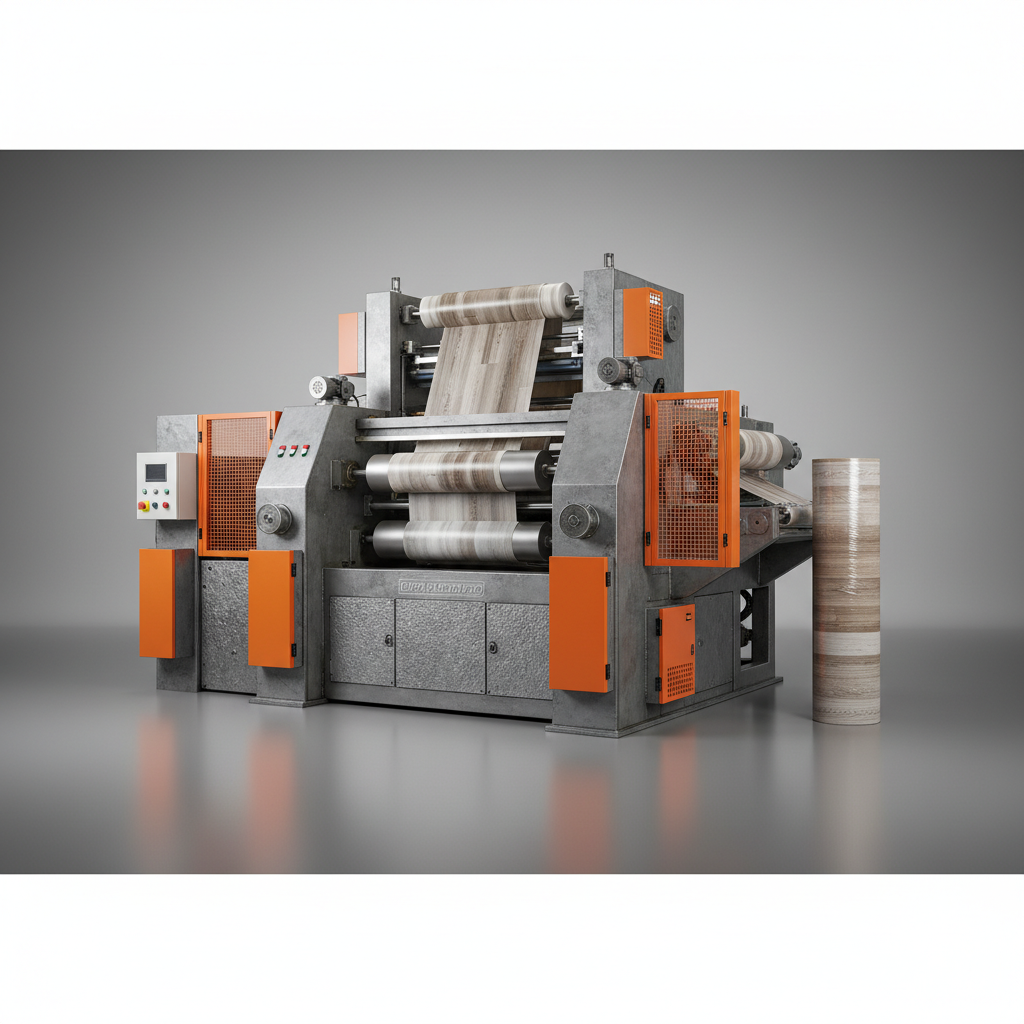
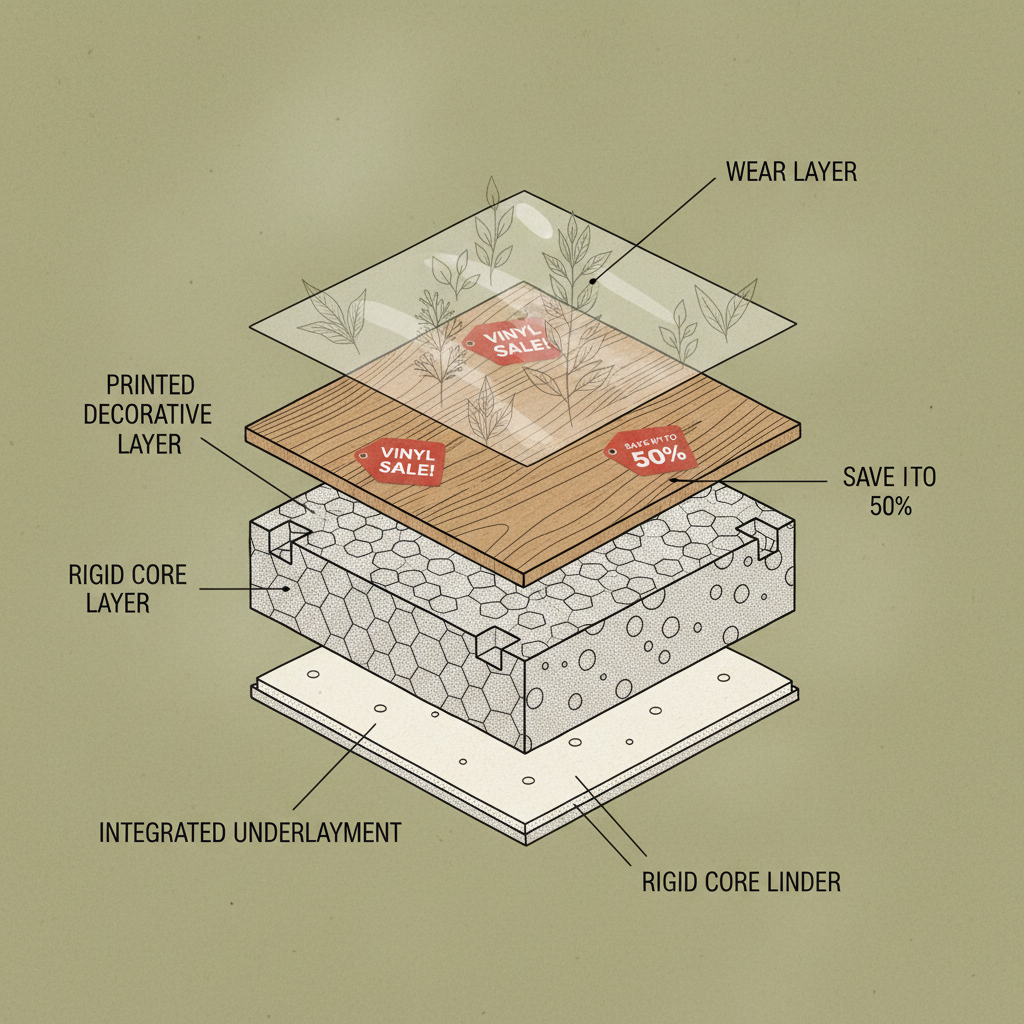
The durability of plastic vinyl flooring stems from its multi-layered construction. Typically, it consists of a wear layer, a print layer, a core layer, and a backing layer. The wear layer, often coated with polyurethane, provides resistance to scratches and scuffs.
The core layer, usually made of PVC, provides the flooring’s structural integrity and flexibility. Different types of core layers contribute to varying levels of water resistance and impact absorption. Luxury Vinyl Tile (LVT) and Luxury Vinyl Plank (LVP) often utilize a more rigid core for enhanced stability.
Plasticizers are crucial components added to the PVC to make the flooring more flexible and workable. Stabilizers are included to protect the PVC from degradation due to heat and UV exposure, ensuring long-term performance and color retention.
Global Applications and Use Cases
Plastic vinyl flooring finds extensive application in residential settings, including kitchens, bathrooms, living rooms, and bedrooms, due to its water resistance, comfort, and aesthetic versatility. It’s also a favored choice for commercial spaces such as hospitals, schools, offices, and retail stores, where durability and ease of maintenance are paramount.
In post-disaster relief operations, plastic vinyl flooring is often used to quickly create temporary shelters and living spaces, offering a hygienic and comfortable environment for displaced populations. The material’s lightweight nature and ease of installation make it ideal for rapid deployment scenarios.
Regions with high humidity or frequent flooding, such as Southeast Asia and coastal areas, increasingly rely on plastic vinyl flooring to mitigate water damage and maintain indoor air quality. In remote industrial zones, its durability makes it ideal for workshops and manufacturing facilities.
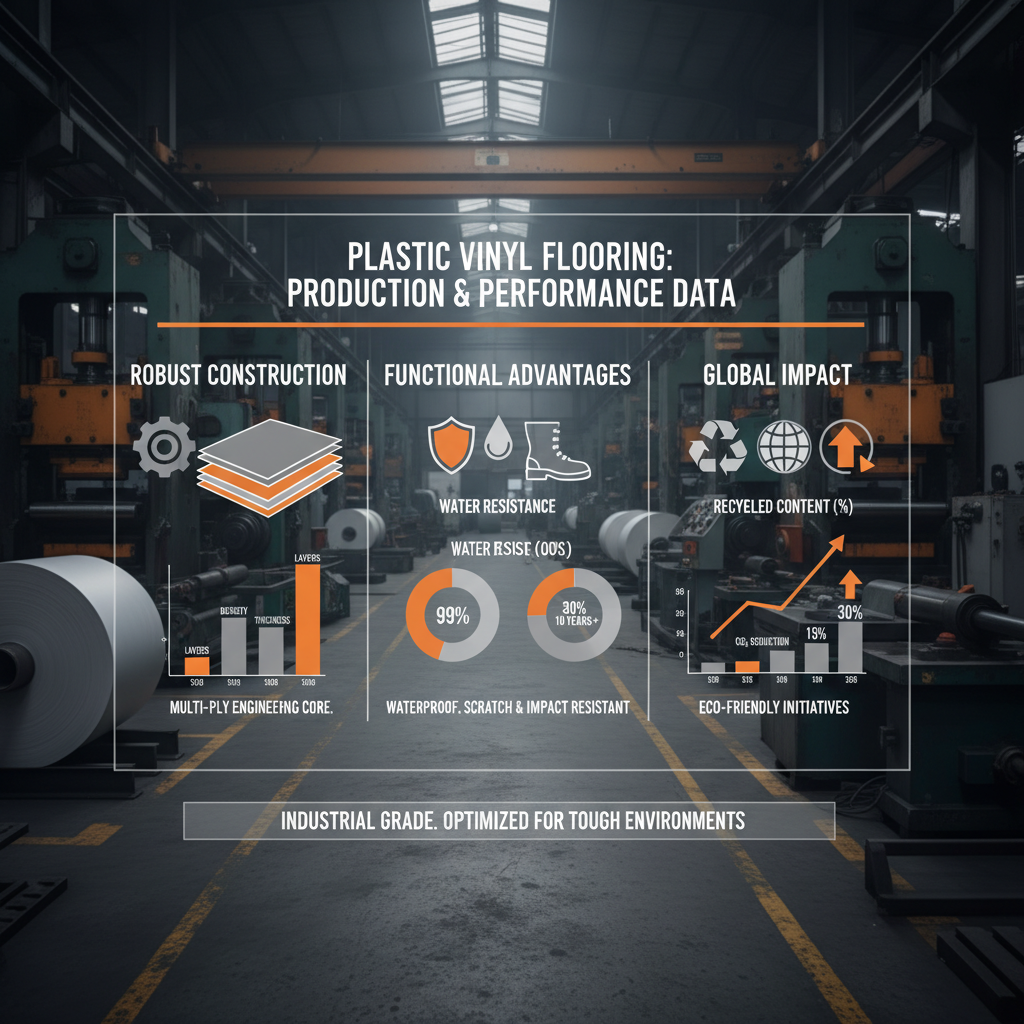
Plastic Vinyl Flooring Performance Metrics
Advantages and Long-Term Value
The cost-effectiveness of plastic vinyl flooring is a major advantage, offering a comparable aesthetic to more expensive materials at a fraction of the price. Its low maintenance requirements, requiring only routine sweeping and occasional mopping, translate to long-term savings on cleaning and upkeep.
From a sustainability perspective, advancements in manufacturing processes are leading to the development of recycled and bio-based plastic vinyl flooring options, reducing its environmental footprint. The longevity and durability of the material also contribute to sustainability by minimizing the need for frequent replacements.
Future Trends and Innovations
The future of plastic vinyl flooring is trending towards increased sustainability. Manufacturers are exploring the use of bio-based plasticizers and recycled PVC content to reduce reliance on virgin materials and minimize environmental impact.
Digital printing technologies are enabling highly realistic designs and customized flooring solutions, blurring the line between plastic vinyl and natural materials. Smart flooring options with integrated sensors for temperature control or foot traffic analysis are also emerging, adding functionality and convenience.
Further, the integration of antimicrobial additives is being researched to enhance hygiene, particularly relevant in healthcare and education settings. This addresses growing concerns about infection control and public health.
Challenges and Solutions
One ongoing challenge is the perception of plastic vinyl flooring as an environmentally harmful material due to the use of PVC. However, advancements in recycling technologies and the development of bio-based alternatives are addressing this concern.
Another challenge is the potential for off-gassing of volatile organic compounds (VOCs) during installation. Choosing low-VOC or VOC-free plastic vinyl flooring products and ensuring proper ventilation during installation can mitigate this issue.
Long-term durability concerns can be addressed through careful selection of high-quality products with thicker wear layers and robust core construction. Regular maintenance and adherence to manufacturer’s instructions are also crucial for maximizing the lifespan of plastic vinyl flooring.
Analysis of Plastic Vinyl Flooring Challenges and Potential Solutions
| Challenge |
Severity (1-10) |
Potential Solution |
Implementation Cost (1-10) |
| Environmental Impact of PVC |
8 |
Utilize Recycled PVC and Bio-Based Plasticizers |
6 |
| VOC Emissions |
7 |
Choose Low-VOC or VOC-Free Products |
4 |
| Scratch Resistance |
5 |
Select Products with Thicker Wear Layers |
5 |
| Water Damage (Seams) |
6 |
Use Waterproof Installation Methods and Sealants |
3 |
| Limited Repair Options |
4 |
Keep Extra Tiles/Planks for Repairs |
2 |
| Perception of Lower Quality |
3 |
Educate Consumers on Advancements in LVT/LVP |
1 |
FAQS
Luxury Vinyl Tile (LVT) and sheet vinyl are both PVC-based flooring options, but they differ in construction and appearance. LVT is designed to mimic the look of natural stone or wood, coming in individual tiles or planks. Sheet vinyl is sold in rolls and offers a seamless appearance. LVT is generally more durable and can withstand higher traffic, while sheet vinyl is often more affordable and waterproof, making it ideal for bathrooms and kitchens.
Yes, plastic vinyl flooring is an excellent choice for homes with pets. Its scratch-resistant surface can withstand the wear and tear of pet claws, and it's easy to clean, making it resistant to pet accidents and messes. Waterproof options are especially beneficial for households with pets prone to accidents.
The lifespan of plastic vinyl flooring varies depending on the quality of the product and the level of traffic it receives. Generally, high-quality LVT/LVP can last 10-20 years or more with proper care. Sheet vinyl typically lasts 5-15 years. Regular cleaning and maintenance are key to maximizing its longevity.
While many plastic vinyl flooring options are water-resistant, not all are completely waterproof. Sheet vinyl, when properly installed with sealed seams, is generally considered waterproof. Many LVT/LVP products are also waterproof, but it’s crucial to check the manufacturer’s specifications to confirm.
Regular cleaning involves sweeping or vacuuming to remove loose dirt and debris. For deeper cleaning, mop with a mild detergent and warm water. Avoid abrasive cleaners or scrubbing pads, as these can damage the wear layer. It’s also recommended to use furniture pads under heavy items to prevent scratches.
Plastic vinyl flooring is generally more affordable than hardwood, tile, or stone. The cost varies depending on the type (LVT/LVP vs. sheet vinyl) and quality. Installation costs are also typically lower compared to other flooring materials, making it a cost-effective option for many projects.
Conclusion
Plastic vinyl flooring has undeniably revolutionized the flooring industry, offering a compelling combination of affordability, durability, versatility, and aesthetic appeal. From its humble beginnings as a practical solution for wet areas, it has evolved into a sophisticated and widely adopted flooring option suitable for a vast range of applications, addressing critical needs in both residential and commercial environments.
Looking ahead, ongoing innovations in materials, manufacturing processes, and design technologies promise to further enhance the sustainability and performance of plastic vinyl flooring. Embracing these advancements and selecting high-quality products will ensure that plastic vinyl flooring continues to provide long-lasting value and a stylish foundation for spaces around the globe. For more information and to explore our selection of premium plastic vinyl flooring options, visit our website: plastic vinyl flooring.