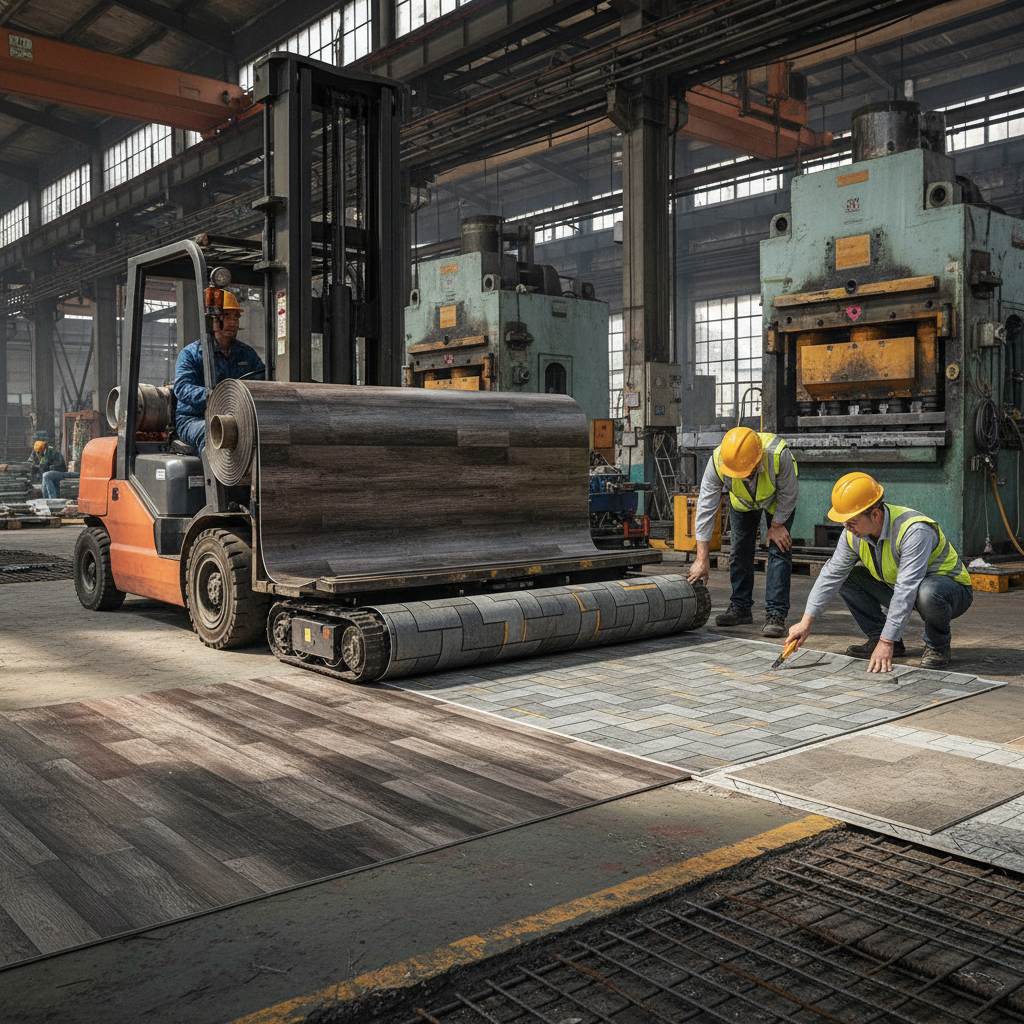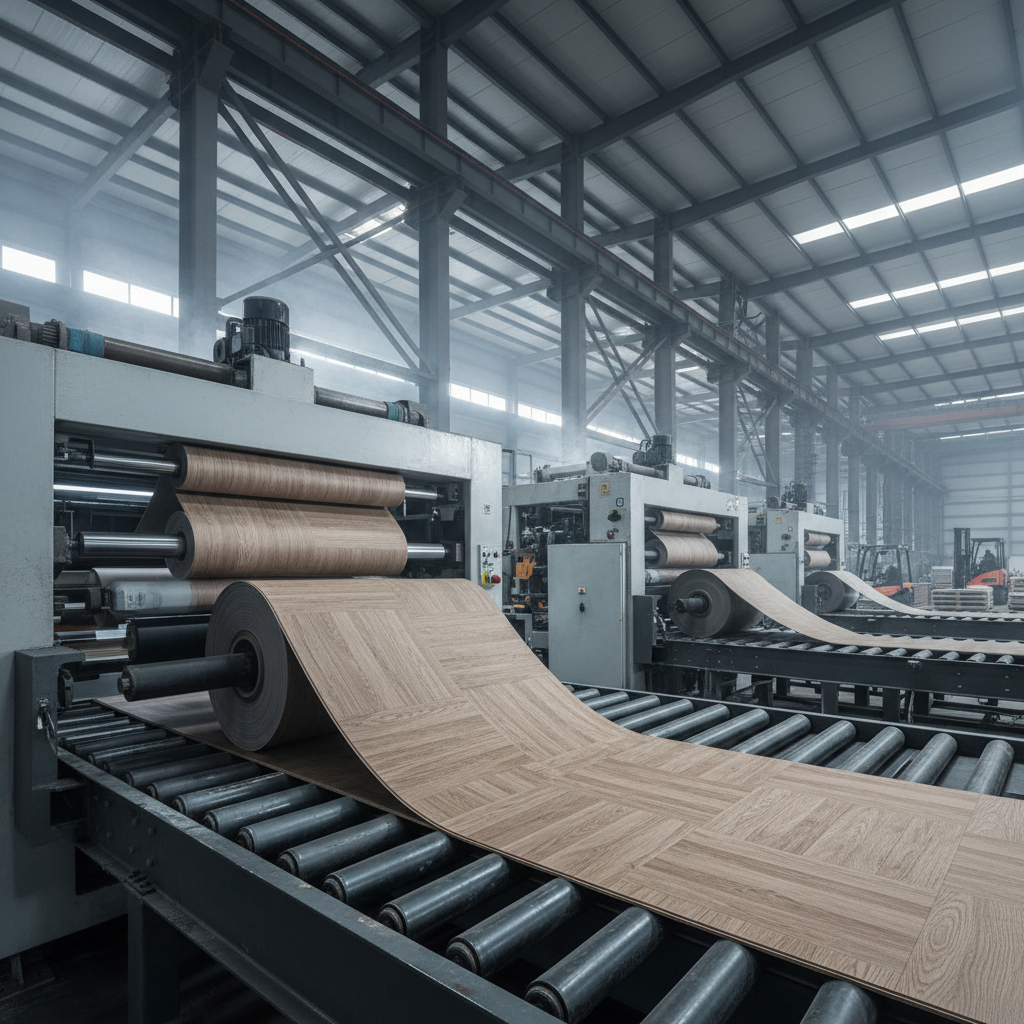
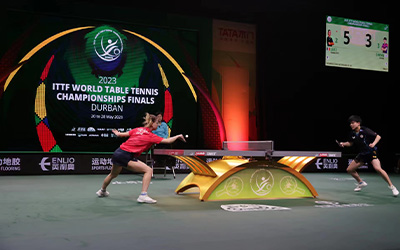
Look, I've been running around construction sites all year, getting my hands dirty with materials, and honestly, these days it's all about durability and quick installation. Everyone’s talking about pre-fab, modular solutions. Vinyl sports flooring fits right into that. It’s not new, but the materials are getting better, the installation’s getting faster, and people are realizing it's a good middle ground between a cheap rubber roll and a super-expensive poured polyurethane system. vinyl sports flooring really is seeing a resurgence.
You wouldn't believe the headaches I see with flooring. So many designers get caught up in aesthetics, forgetting about the practicalities. They'll spec something that looks great on paper, but is a nightmare to install, or wears through in six months. Or worse, it off-gasses something nasty. Have you noticed that? It’s always the same story. People forget these floors are going to take a beating, especially in high-traffic areas like gyms and multi-purpose rooms.
It's a whole ecosystem, really. You’ve got your PVC layer, obviously. And the wear layer. That’s where the quality difference really shows. A good wear layer will feel…substantial, you know? Not like thin plastic. It’s got a slight give. The smell is… well, it smells like PVC, honestly. Not the most pleasant, but it dissipates quickly. I encountered a shipment last time at the XX factory that smelled so strong it made your eyes water. Anyway, I think proper ventilation during installation is key.
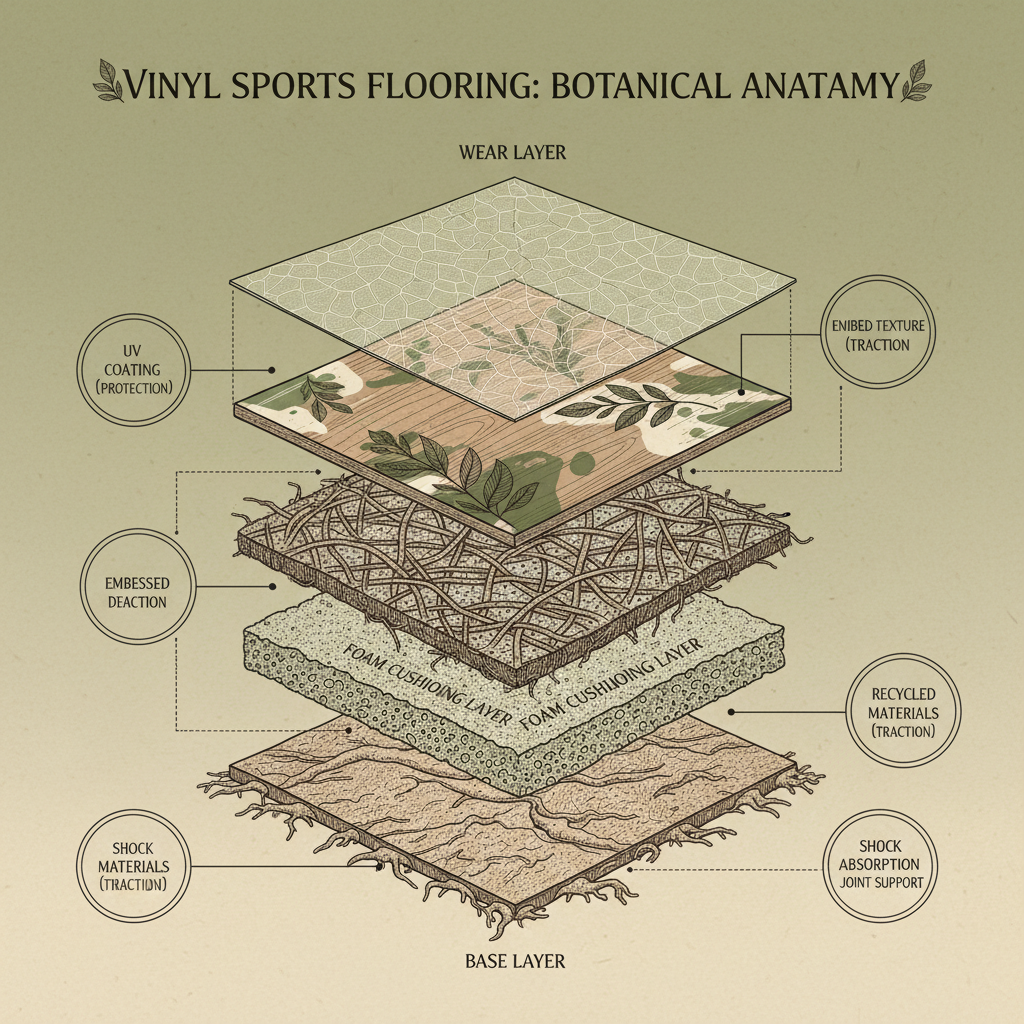
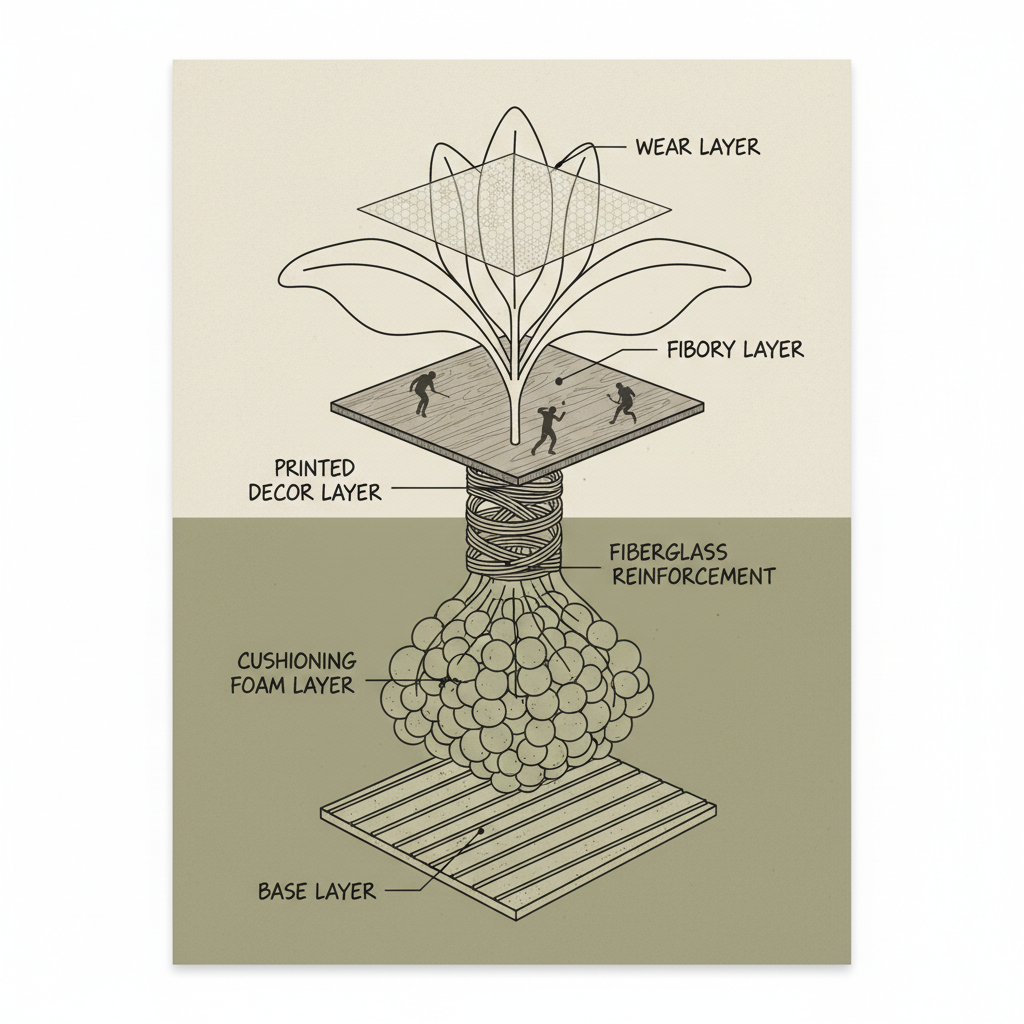
To be honest, the biggest trend is the move towards thicker wear layers. People are demanding more durability, and manufacturers are responding. It used to be you’d get a 0.5mm wear layer and be happy. Now, anything less than 1.0mm is considered… well, frankly, cheap. There’s also a big push for phthalate-free PVC. Health concerns, you know? And a lot of people are asking about recycled content, which is good. It's a slow process, though.
Strangely, there’s a growing interest in textured vinyl. It provides better grip, especially in areas where people are wearing different types of shoes. It's not just about looking good; it’s about safety. I've seen some pretty nasty falls on smooth vinyl floors.
Honestly, regular sweeping and mopping with a neutral pH cleaner is your best bet. Avoid abrasive cleaners and harsh chemicals, as they can damage the wear layer. I recommend a microfiber mop – they're gentle and effective. A little bit of diluted dish soap can work in a pinch, but rinse thoroughly afterwards. Prevention is key – encourage people to wipe their feet and avoid dragging heavy equipment across the floor.
It really depends on the complexity of the installation and the size of the crew. But generally, a standard-sized gym – say, around 8,000 square feet – can take anywhere from 3 to 7 days. That includes subfloor preparation, adhesive application, and the actual flooring installation. Don't rush it. A sloppy installation will cause problems down the road.
To be honest, not really. While some vinyl flooring is designed for limited outdoor use, it’s generally not recommended for prolonged exposure to the elements. UV rays will fade the color, and temperature fluctuations can cause it to crack or warp. There are better options for outdoor surfaces, like rubber or poured polyurethane.
That depends on the level of traffic and the type of activities that will be taking place on the floor. For light use, like a home gym, a 0.5mm wear layer might be sufficient. But for high-traffic areas, like school gyms or fitness centers, you'll want to go with at least 1.5mm, and preferably 2.0mm or higher. Think about the long-term cost of replacement versus the initial investment.
Small tears and scratches can sometimes be repaired with a vinyl repair kit. But for larger damage, like a significant tear or a gouge, it's usually best to replace the entire section of flooring. It’s often easier and more cost-effective than trying to make a complicated repair. And honestly, a bad repair will look worse than just replacing the section.
That's a tricky one. Vinyl, being a PVC product, isn't inherently the most eco-friendly material. But there are manufacturers who are using recycled content and developing phthalate-free formulations, which is a step in the right direction. Look for certifications like FloorScore or GreenGuard to ensure that the flooring meets certain environmental standards. It’s not perfect, but it’s getting better.
So, vinyl sports flooring is a solid choice for a lot of applications. It offers a good balance of durability, cost-effectiveness, and ease of installation. It’s not a perfect solution, of course. It has its drawbacks, but if you choose the right material, prepare the subfloor properly, and follow the manufacturer’s instructions, you can get a floor that will last for years.
Look, at the end of the day, whether this thing works or not, the worker will know the moment he tightens the screw. Don’t skimp on quality, listen to the guys on the ground, and you’ll be alright. Want to explore options and find the right flooring for your project? Visit our website: enliosport.com.