Pattern vinyl sheet flooring has emerged as a dominant force in the flooring industry, offering a compelling blend of aesthetics, durability, and affordability. Globally, the demand for resilient flooring solutions is soaring, driven by urbanization, increased construction activity, and a growing preference for low-maintenance surfaces. This growth is particularly pronounced in residential and commercial sectors, with pattern vinyl sheet flooring playing a significant role in diverse applications – from bustling retail spaces to cozy family homes. Understanding the nuances of this material is crucial for architects, designers, contractors, and homeowners alike.
The rise of pattern vinyl sheet flooring is inextricably linked to advancements in polymer technology and printing techniques. Modern manufacturing processes allow for an astonishing range of realistic designs, replicating the look of natural materials like wood, stone, and tile with remarkable accuracy. Furthermore, its inherent properties, such as water resistance, ease of cleaning, and relatively quiet underfoot, make it a practical choice for various environments. The global flooring market is projected to reach substantial values in the coming years, with vinyl flooring consistently capturing a significant share.
Addressing the need for cost-effective and visually appealing flooring, pattern vinyl sheet flooring has become a preferred choice for both new construction and renovation projects. Its versatility and ease of installation make it an attractive solution for projects of any scale, offering a compelling alternative to more expensive and labor-intensive flooring options. This material effectively bridges the gap between affordability and aesthetic quality, making it a key player in the evolving landscape of interior design.
The Global Impact of Pattern Vinyl Sheet Flooring
Pattern vinyl sheet flooring has experienced substantial growth in recent decades, mirroring the increasing demand for resilient flooring worldwide. According to data from the World Bank, construction activity is projected to increase significantly in developing nations, driving demand for affordable and durable flooring solutions. The ISO standards for flooring materials consistently incorporate performance criteria that pattern vinyl sheet flooring readily meets, further validating its reliability and acceptance on a global scale. This material has become a standard in both residential and commercial building projects across numerous countries.
A key challenge the rise of pattern vinyl sheet flooring addresses is the need for cost-effective and aesthetically pleasing flooring options in diverse climates and economic conditions. Traditional materials like hardwood and stone often present significant financial and logistical barriers, particularly in regions with limited resources. Pattern vinyl sheet flooring provides a viable alternative, offering a combination of durability, design versatility, and affordability, making it a crucial solution for addressing the global housing and infrastructure needs.
Defining Pattern Vinyl Sheet Flooring
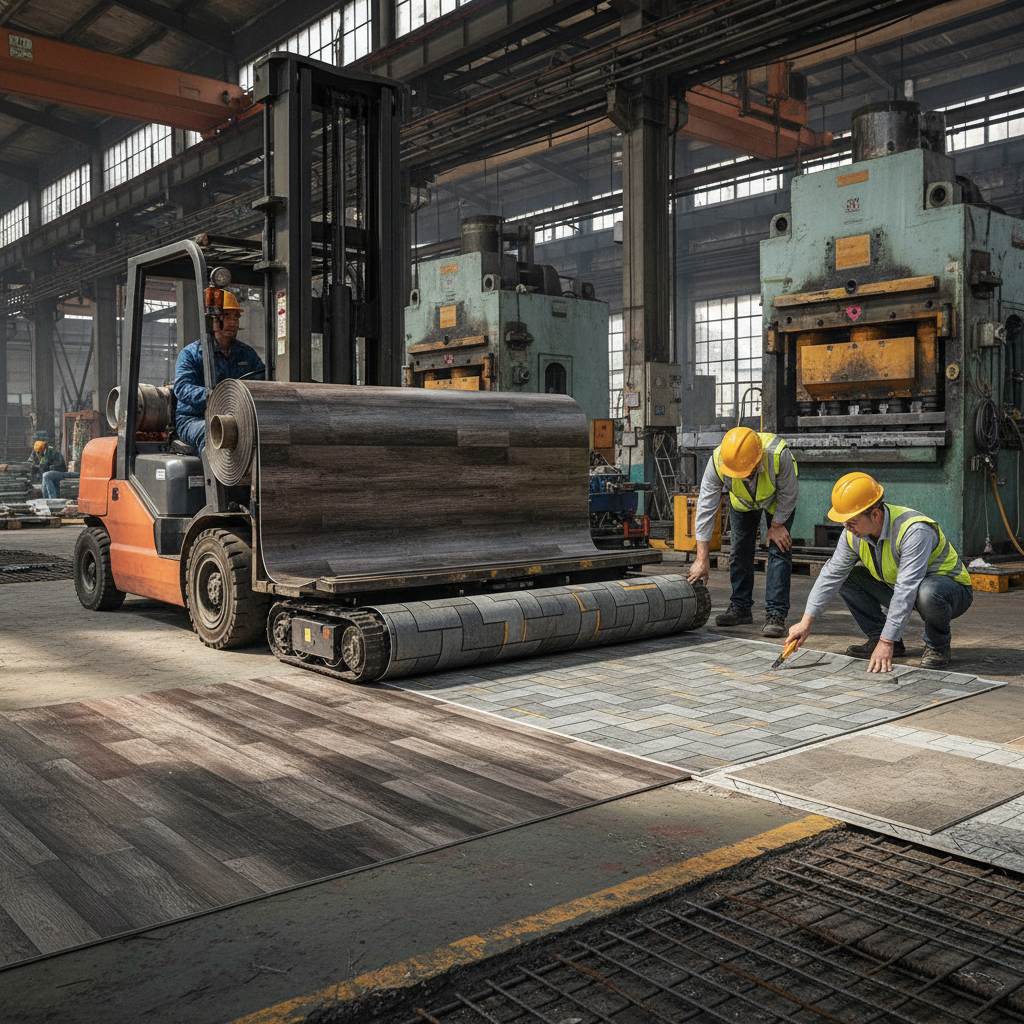
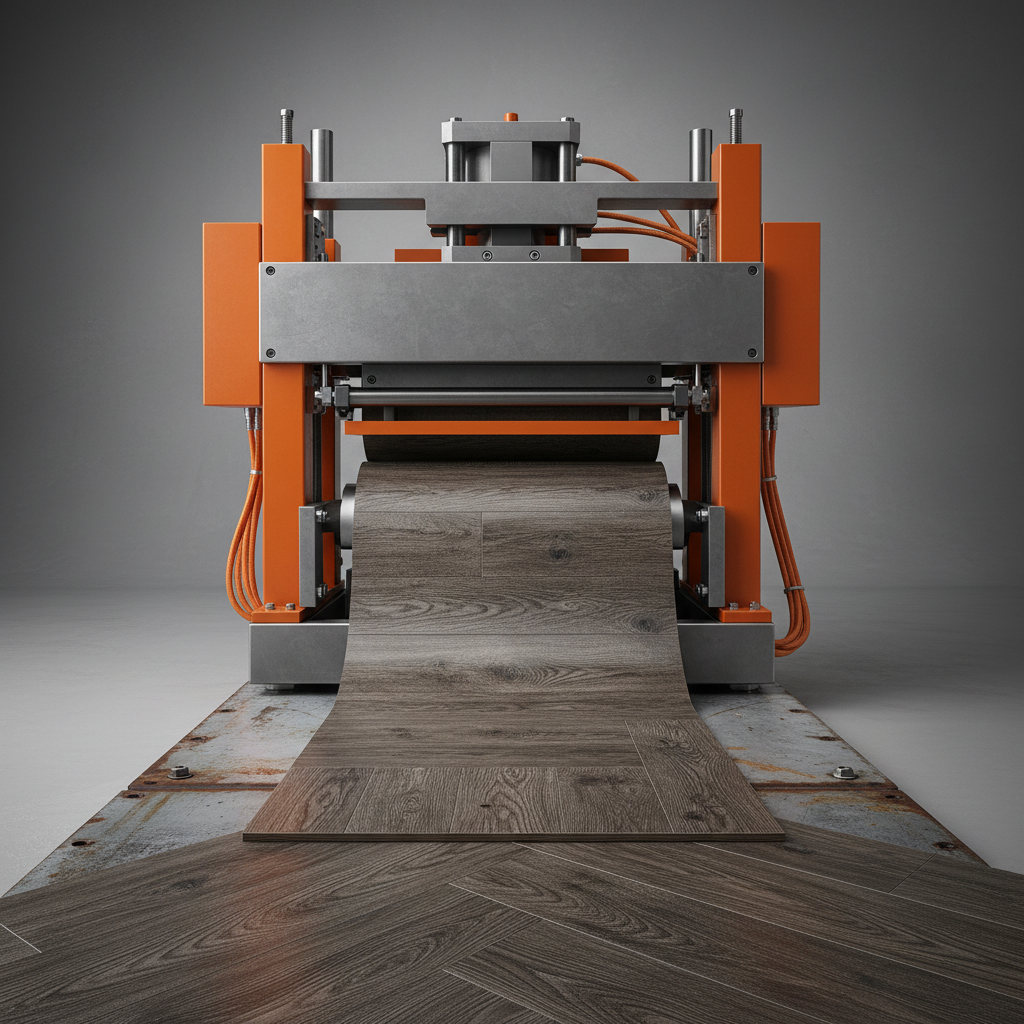
Pattern vinyl sheet flooring is a synthetic flooring material composed primarily of polyvinyl chloride (PVC). It's manufactured in large, continuous rolls, offering seamless installation and minimal waste. The "pattern" refers to the printed designs that mimic the appearance of other materials, such as wood, stone, tile, or abstract textures. Modern manufacturing techniques allow for high-resolution printing, creating incredibly realistic and detailed patterns.
The material’s connection to modern industry lies in its reliance on advanced polymer chemistry and printing technologies. It’s a product of innovation, constantly evolving to meet changing aesthetic preferences and performance requirements. From a humanitarian perspective, pattern vinyl sheet flooring offers a durable and hygienic flooring solution for temporary shelters, healthcare facilities, and disaster relief efforts, providing a safe and comfortable environment for those in need.
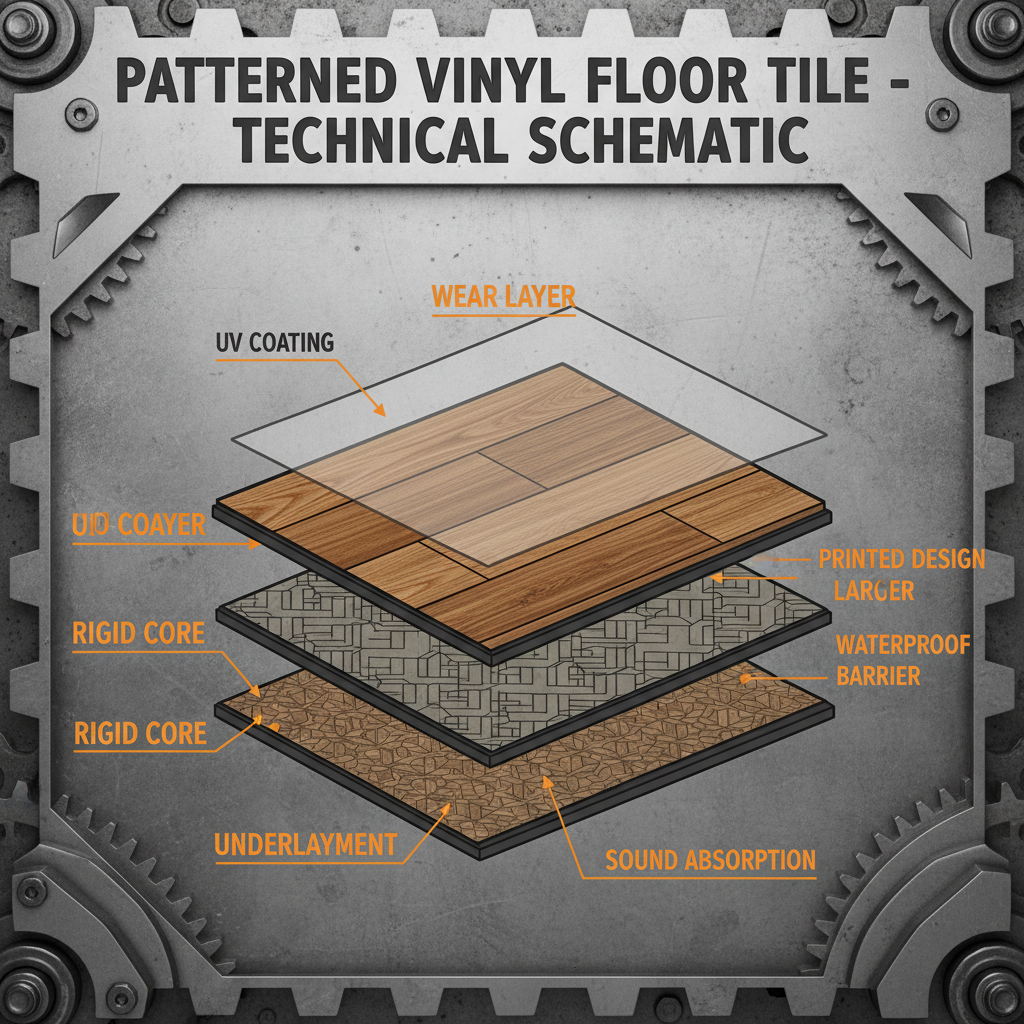
Understanding its composition and manufacturing process is key to appreciating its benefits. The PVC base provides water resistance and durability, while multiple layers—including a wear layer, a print layer, and a backing layer—contribute to its overall performance and longevity. These layers work in concert to create a flooring solution that is both aesthetically pleasing and functionally robust.
Core Characteristics of Pattern Vinyl Sheet Flooring
Durability: Pattern vinyl sheet flooring is renowned for its exceptional resistance to wear and tear. The wear layer, typically made of clear vinyl, protects the printed pattern from scratches, stains, and scuffs, ensuring a long-lasting surface that can withstand heavy foot traffic. This makes it ideal for high-traffic areas in both residential and commercial settings.
Water Resistance: One of the key advantages of pattern vinyl sheet flooring is its inherent water resistance. The non-porous nature of PVC prevents water from penetrating the material, making it suitable for kitchens, bathrooms, and basements where moisture is a concern. This resistance also simplifies cleaning and maintenance, as spills can be easily wiped away without causing damage.
Design Versatility: The ability to replicate a wide range of patterns and textures makes pattern vinyl sheet flooring a highly versatile design option. From realistic wood grains to intricate tile patterns, the possibilities are virtually limitless. This allows homeowners and designers to achieve the desired aesthetic without the cost or maintenance associated with natural materials.
Key Applications Across Industries
Pattern vinyl sheet flooring finds widespread application in the healthcare sector, where hygiene and durability are paramount. Its seamless surface and ease of cleaning make it an ideal choice for hospitals, clinics, and laboratories. Similarly, the retail industry benefits from its ability to withstand high foot traffic and maintain a visually appealing environment.
In educational institutions, pattern vinyl sheet flooring provides a safe and durable surface for classrooms, hallways, and cafeterias. Its noise-reducing properties contribute to a more conducive learning environment. Furthermore, the hospitality industry utilizes it extensively in hotels, restaurants, and bars, leveraging its aesthetic versatility and ease of maintenance. From busy airport terminals to modern office spaces, pattern vinyl sheet flooring delivers a practical and stylish solution.
Pattern Vinyl Sheet Flooring Application by Sector
Advantages and Long-Term Value
The economic benefits of pattern vinyl sheet flooring are considerable. Its lower initial cost compared to hardwood, tile, or stone, coupled with minimal maintenance requirements, translates into significant long-term savings. Furthermore, its durability reduces the frequency of replacement, lowering lifecycle costs.
From a sustainability perspective, pattern vinyl sheet flooring can be a responsible choice, particularly when manufactured with recycled content. Its durability contributes to reduced waste, and many manufacturers are actively pursuing eco-friendly production processes. The combination of affordability, longevity, and potential for sustainable manufacturing makes it a compelling long-term investment.
Future Trends and Innovations
The future of pattern vinyl sheet flooring is poised for further innovation, with a growing emphasis on sustainability and digital printing technologies. Manufacturers are increasingly incorporating recycled content into their products and exploring bio-based alternatives to traditional PVC. Digital printing allows for even greater design flexibility, enabling customized patterns and photorealistic imagery.
Smart flooring, integrating sensors and connectivity, is also emerging as a potential trend. This technology could enable features such as integrated lighting, temperature monitoring, and even fall detection, adding a new dimension of functionality to pattern vinyl sheet flooring. The convergence of flooring and smart home technology represents an exciting frontier for this versatile material.
We can also expect advancements in wear layer technology, leading to even greater durability and scratch resistance. Nanotechnology may play a role in enhancing the performance characteristics of the material, further extending its lifespan and reducing the need for replacement. These innovations will solidify pattern vinyl sheet flooring’s position as a leading flooring solution for years to come.
Challenges and Solutions in Application
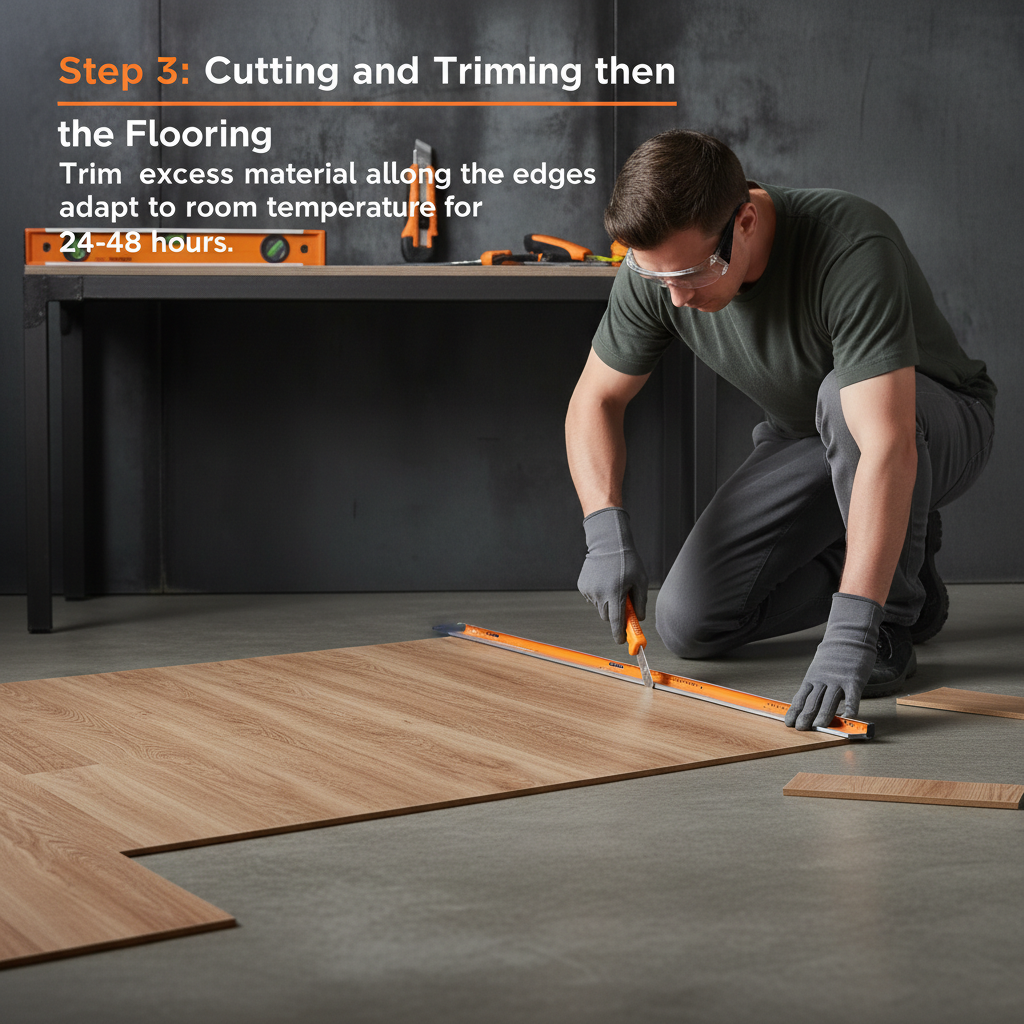
One common challenge in applying pattern vinyl sheet flooring is ensuring proper subfloor preparation. Uneven or improperly cleaned subfloors can lead to imperfections in the finished surface. A thorough inspection and leveling of the subfloor are essential steps to ensure a successful installation. Proper adhesives must also be used to guarantee long-term adhesion.
Another potential issue is seam visibility, particularly in large installations. Skilled installers employ techniques such as heat welding or specialized seaming adhesives to minimize the appearance of seams, creating a seamless and cohesive surface. The quality of the installation is crucial for maximizing the aesthetic appeal and performance of pattern vinyl sheet flooring.
Addressing concerns about the environmental impact of PVC is also a priority. Manufacturers are actively investing in research and development to create more sustainable formulations, incorporating recycled materials and reducing VOC emissions. Proper disposal and recycling programs are essential for minimizing the environmental footprint of this material throughout its lifecycle.
Table Summarizing Pattern Vinyl Sheet Flooring Application Challenges & Solutions
| Challenge |
Impact on Performance |
Recommended Solution |
Cost of Solution (Scale 1-10) |
| Uneven Subfloor |
Visible Imperfections, Reduced Durability |
Self-Leveling Compound, Subfloor Repair |
6 |
| Poor Adhesive Selection |
Lifting, Bubbling, Weak Bonding |
Use Manufacturer-Recommended Adhesive |
4 |
| Visible Seams |
Aesthetic Concerns, Potential Moisture Entry |
Heat Welding, Specialized Seaming Adhesive |
7 |
| PVC Environmental Impact |
Concerns about VOCs and End-of-Life Disposal |
Choose Low-VOC Options, Support Recycling Programs |
5 |
| Incorrect Cleaning Products |
Damage to Wear Layer, Dull Finish |
Use pH-Neutral Cleaners Recommended by Manufacturer |
2 |
| Lack of Acclimation |
Expansion/Contraction Issues, Seam Separation |
Allow Material to Acclimate to Room Temperature/Humidity |
3 |
FAQS
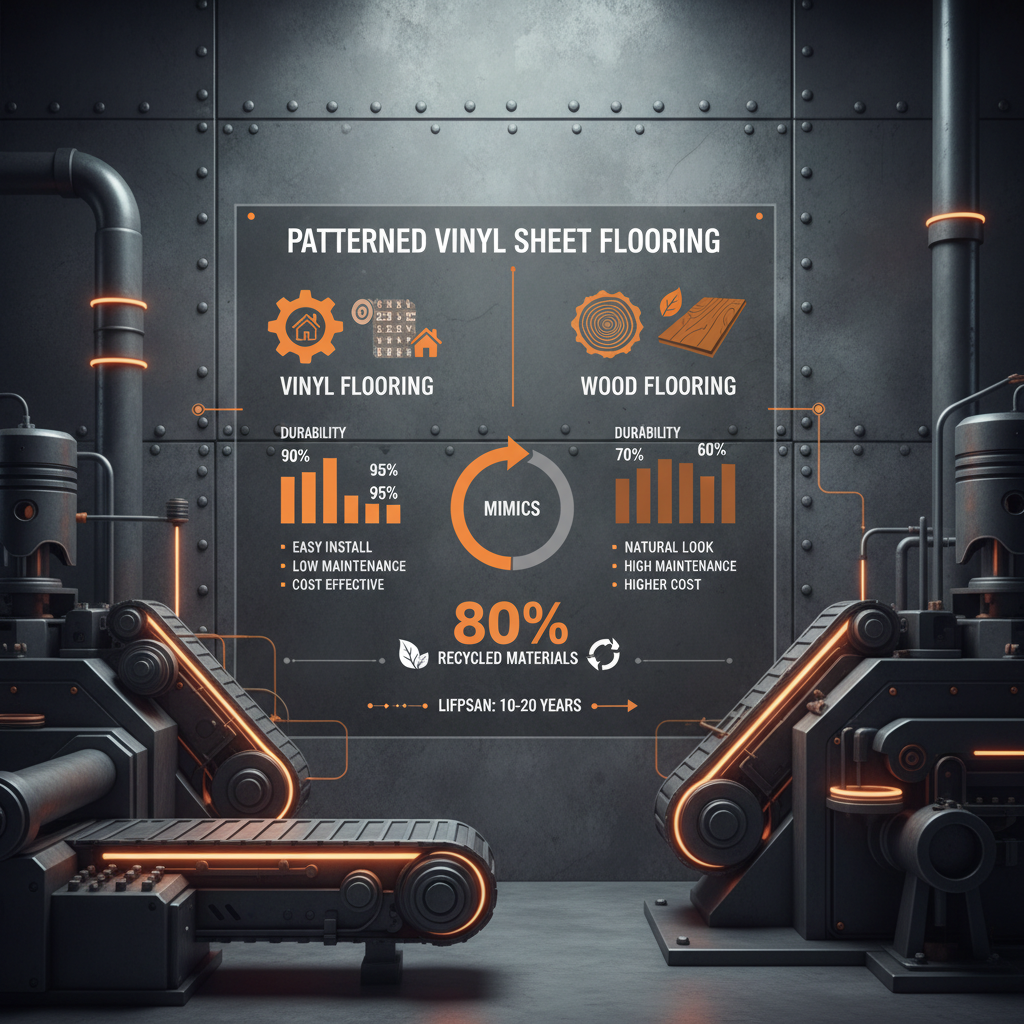
The lifespan of pattern vinyl sheet flooring typically ranges from 10 to 20 years, depending on the quality of the material, the level of foot traffic, and the maintenance practices employed. Higher-quality products with thicker wear layers tend to last longer. Proper installation and regular cleaning are essential for maximizing longevity. With consistent care, pattern vinyl sheet flooring can remain a durable and attractive surface for many years.
Pattern vinyl sheet flooring is highly water-resistant, but not entirely waterproof. While the surface is non-porous and prevents water from penetrating the material, water can potentially seep into seams if they are not properly sealed. Therefore, it’s crucial to ensure that all seams are meticulously welded or sealed with a suitable adhesive to maintain a waterproof barrier. It is a great choice for kitchens and bathrooms.
Cleaning pattern vinyl sheet flooring is relatively easy. Regular sweeping or vacuuming removes dust and debris. For more thorough cleaning, use a damp mop with a pH-neutral cleaner specifically designed for vinyl flooring. Avoid abrasive cleaners or scouring pads, as they can damage the wear layer. Spills should be cleaned up promptly to prevent staining.
In many cases, pattern vinyl sheet flooring can be installed over existing flooring, such as linoleum or tile, provided the existing surface is smooth, clean, and properly prepared. However, it’s essential to address any unevenness or imperfections in the subfloor before installation. Avoid installing directly over carpeting or wood flooring that is not adequately supported. Always consult the manufacturer’s guidelines.
The environmental impact of pattern vinyl sheet flooring depends on the manufacturing process and material composition. Many manufacturers are now incorporating recycled content and utilizing low-VOC formulations to reduce their environmental footprint. Look for products with certifications such as FloorScore or GreenGuard, which indicate adherence to strict environmental standards. Proper disposal and recycling of the material are also important considerations.
Pattern vinyl sheet flooring and laminate flooring are both popular flooring options, but they differ in composition and performance characteristics. Vinyl is 100% waterproof and generally softer underfoot, while laminate is more scratch-resistant but susceptible to water damage. Vinyl offers more design versatility, while laminate often provides a more textured surface. The best choice depends on the specific needs and preferences of the user.
Conclusion
Pattern vinyl sheet flooring stands as a compelling flooring solution, seamlessly blending affordability, durability, and aesthetic versatility. Its adaptability to diverse applications, from healthcare facilities to residential homes, coupled with ongoing innovations in sustainability and design, ensures its continued relevance in the evolving flooring market. Understanding its core characteristics and proper installation techniques is key to unlocking its full potential.
Looking ahead, the future of pattern vinyl sheet flooring is bright, driven by a commitment to eco-friendly practices and the integration of smart technologies. Choosing pattern vinyl sheet flooring is an investment in a long-lasting, stylish, and practical surface. For superior quality and a wide selection of designs, visit our website today at pattern vinyl sheet flooring.