To be honest, things are moving fast these days. Everyone's talking about modular design, prefabrication… you walk onto a site and it’s all about speed, getting things up quickly. But speed shouldn’t mean sacrificing quality, and that’s where things get tricky. I've seen too many projects cut corners and then spend twice as long fixing problems later on. It's all about balance, right?
Have you noticed how everyone’s obsessed with lightweight materials? It's good, makes handling easier, especially for older crews. But lightweight often means less durable, and that's a conversation you need to have upfront. It's not always about the newest thing; sometimes, tried and true is still the best. And honestly, a lot of these “innovative” materials… they smell awful. Seriously, some of those composites, you open a crate and it hits you like a wall.
Speaking of materials, we’re doing a lot with recycled plastics these days for paneling, and it's not bad. Not as stiff as the old stuff, obviously, but it holds up surprisingly well to weather. Feels…different, though. A bit rubbery. You can’t really drive a nail straight into it like you can with plywood. You gotta use special fasteners. I encountered this at a factory in Foshan last time; they were having all sorts of issues with the fasteners pulling out. Turns out they were using the wrong type. Small detail, huge headache.
Industry Trends & Design Pitfalls
Strangely, everyone's chasing after seamless designs now, but on a construction site? Seamless is a pain. Any imperfection in the subfloor shows through immediately. I saw a project in Shanghai, they wanted perfectly smooth vinyl, and the floor prep took twice as long as the installation. Waste of money, honestly. People forget, a little texture hides a lot of sins.
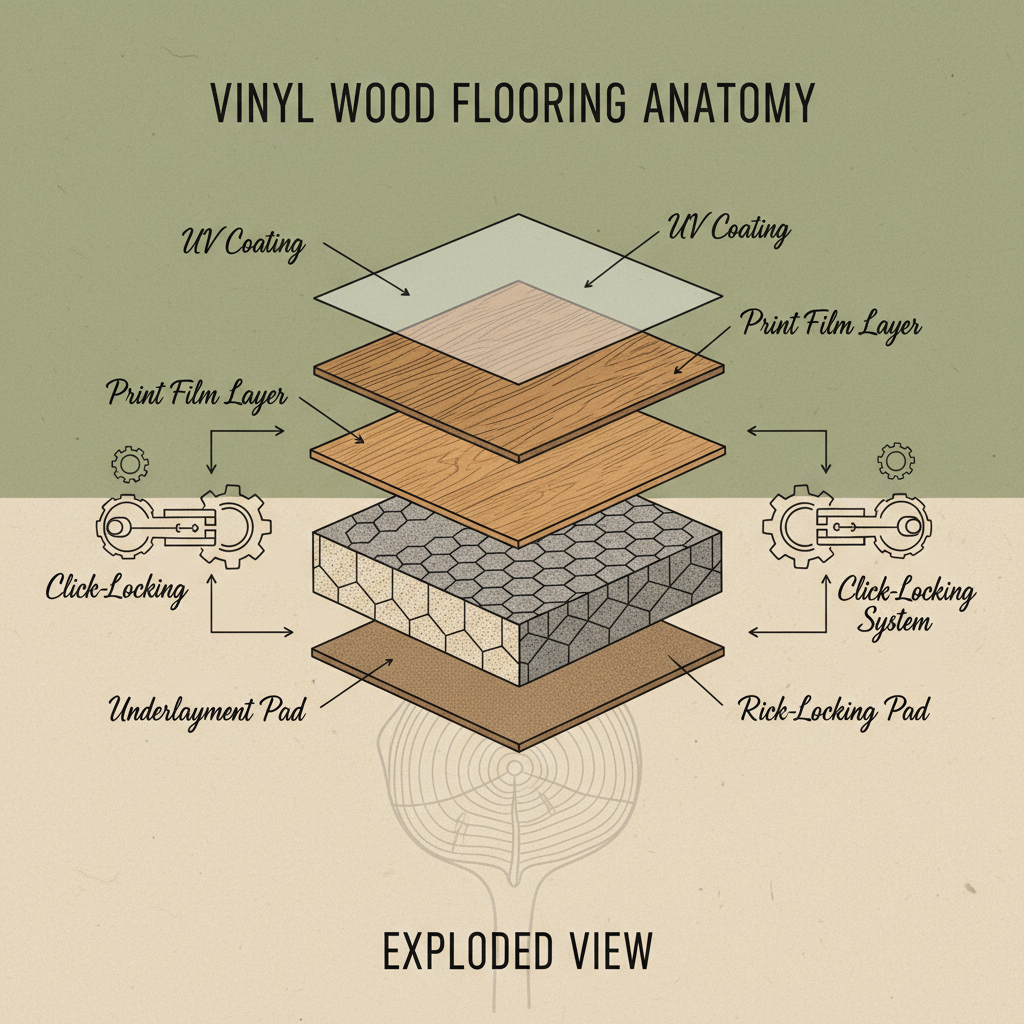
And these complicated locking mechanisms… they look great in the showroom, but try assembling them in a cold warehouse with gloves on. You end up breaking the tabs more often than not. Simplicity is key. Give me a good, solid click-lock system any day. Less frustration, faster install.
Material Deep Dive: What We're Actually Using
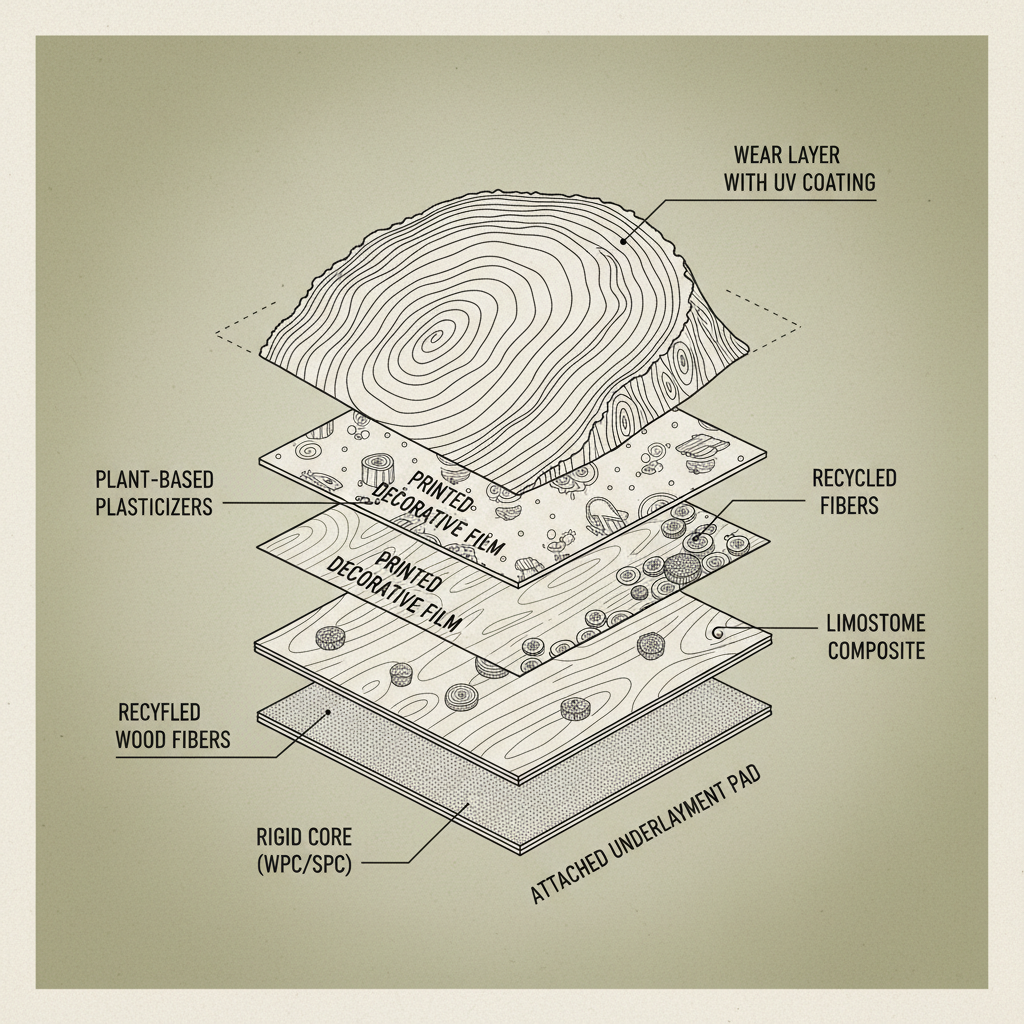
We're seeing a lot of SPC – Stone Polymer Composite – vinyl these days. It's tough, waterproof, and pretty stable. Feels heavier, more solid underfoot than the older LVT stuff. The smell is okay, not like some of those PVC blends. But you still gotta let it acclimate properly, or you'll get buckling. I learned that the hard way on a project in Guangzhou.
Then there's WPC – Wood Polymer Composite. Lighter, softer, warmer to the touch. Good for areas where you want a bit of cushioning. But it's not as impact-resistant as SPC. I wouldn't use it in a high-traffic area. You also get a wider range of visual options with WPC; they can really mimic wood grain convincingly.
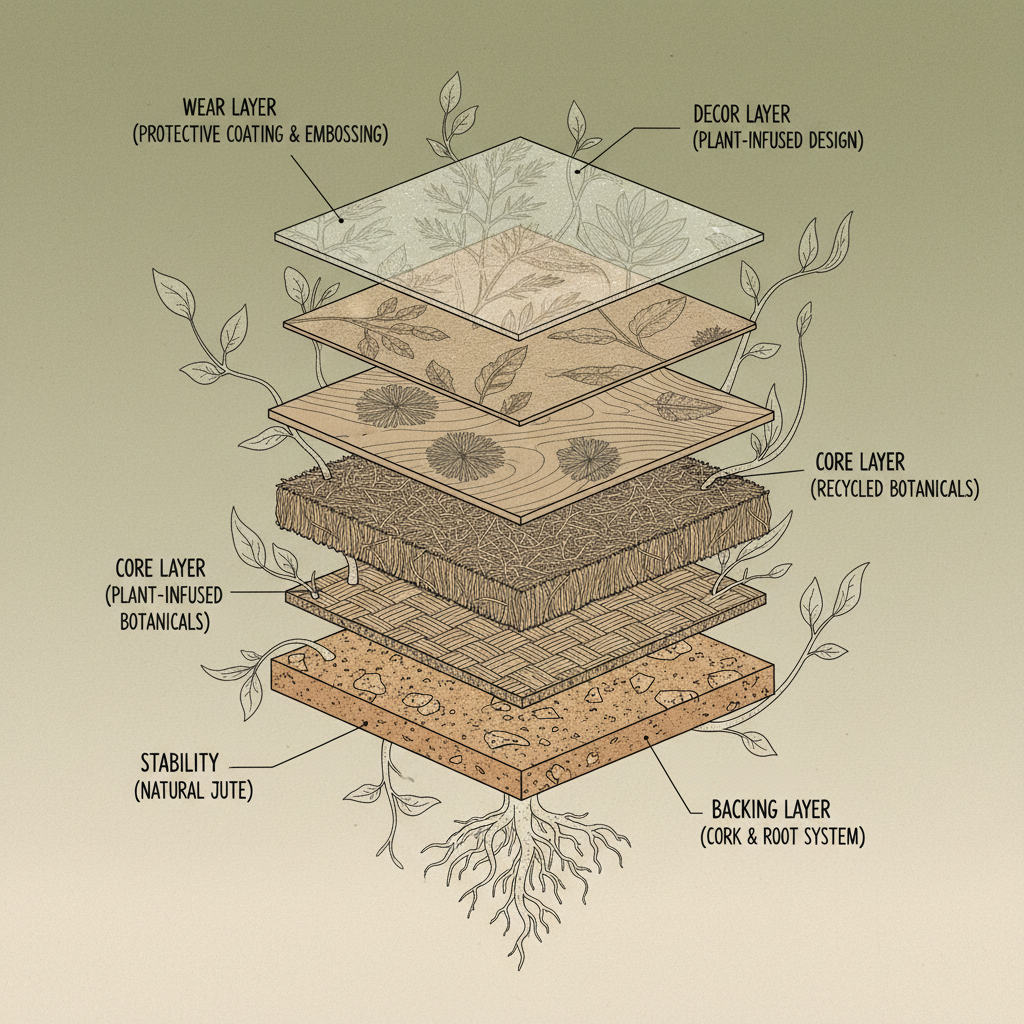
And let’s not forget the wear layer. That’s critical. 0.3mm is okay for residential, but for commercial, you want at least 0.5mm, preferably 0.7mm. Anything less and it’ll be scratched to hell in a year. I always check the wear layer specification before signing off on a project.
Real-World Testing & Performance
Forget the lab tests, the real test is dropping a hammer on it. Okay, maybe not intentionally dropping a hammer, but you get the idea. We need to simulate real-life scenarios. We've started doing drop tests with actual construction debris – bricks, tools, bits of metal – to see how the vinyl holds up.
We also do a stain test, obviously. Coffee, red wine, oil… the usual suspects. But we also test with things like concrete slurry and paint. Because, let's face it, that’s what it's going to encounter on a construction site. It's not always a pristine environment.
And then there's the scratch test. Not with a fancy machine, but with a utility knife and a steel wool pad. That tells you a lot about the wear layer.
How Users Really Utilize Vinyl Wood Flooring
People always think they’re going to meticulously maintain their floors. They aren't. That's the truth. You can tell them to use felt pads under furniture, but they won't. They’ll drag things across the floor, they'll spill things, they'll let their kids and pets wreak havoc. You have to design for that reality.
I’ve seen vinyl installed in kitchens where people are constantly dropping pots and pans. I’ve seen it in workshops where metal shavings are everywhere. It’s got to be tough. It's also surprisingly popular in garages now, people like the look of wood but want something that can handle oil and grease.
Pros, Cons, and Customization Options
The big advantage of vinyl, obviously, is the price. It’s way cheaper than hardwood or tile. And it's relatively easy to install, which saves on labor costs. Waterproof is another huge plus. But it doesn’t add value to a property like hardwood does. It’s more of a functional choice.
You can get custom designs printed on vinyl now, which is cool. I had a client who wanted to recreate a vintage parquet floor. We scanned the original and had it printed onto vinyl. Looked fantastic. But it was expensive. Anyway, I think customization is where vinyl is going – more unique designs, more personalized options.
Vinyl Wood Flooring Performance Metrics
A Customer Story: The Debacle
Last month, that small boss in Shenzhen who makes smart home devices insisted on changing the interface to , and the result was a nightmare. He thought it would look more modern, more high-tech. He refused to listen to my advice that it wasn't practical for a construction site. Turns out, every single worker broke the connector within a week. They weren't used to being that careful. The entire batch of devices had to be recalled. Cost him a fortune. Later… forget it, I won’t mention it.
It just goes to show you, sometimes the most innovative solution isn't the best solution. It has to be practical, it has to be durable, and it has to work in the real world.
The moral of the story? Listen to the guys on the ground. They know what works and what doesn't.
Vinyl Wood Flooring Performance Metrics
We track a lot of metrics, but the most important ones are impact resistance, indentation recovery, and scratch resistance. We also monitor colorfastness, especially for outdoor applications. It's not just about whether the floor looks good initially; it's about how it holds up over time.
Dimensional stability is another key factor. You don't want the floor to warp or buckle with changes in temperature and humidity. That’s why we always test materials in a controlled environment that simulates real-world conditions.
And, of course, cost is always a consideration. You need to balance performance with affordability. It’s a constant trade-off.
Key Vinyl Wood Flooring Performance Indicators
| Material Type |
Impact Resistance (1-10) |
Water Resistance (1-10) |
Cost (per sqm) |
| SPC Vinyl |
9 |
10 |
$25-35 |
| WPC Vinyl |
7 |
8 |
$20-30 |
| Rigid Core Vinyl |
8 |
9 |
$28-38 |
| Luxury Vinyl Tile |
6 |
7 |
$15-25 |
| Sheet Vinyl |
5 |
6 |
$10-20 |
| Wood-Look Vinyl Planks |
7 |
9 |
$22-32 |
FAQS
Honestly, not prepping the subfloor properly. People skip the self-leveling compound or don’t bother patching up cracks. Vinyl will show every single imperfection. It has to be flat and smooth, or you're gonna have problems down the line. I’ve seen projects where they tried to hide it with thicker underlayment, but that just masks the issue, it doesn’t solve it.
It's water resistant, for the most part. SPC vinyl is pretty much waterproof. But, and this is a big but, the seams are still vulnerable. If water gets under the floor, it can cause mold and mildew. You’ve gotta make sure the seams are properly sealed, and you have to clean up spills immediately. Don’t let water sit on the floor for extended periods. It’s not a swimming pool liner.
Depends on the quality and the traffic. Residential, if it’s properly installed and maintained, you can get 15-20 years out of it. Commercial, maybe 5-10 years, depending on how much abuse it takes. The wear layer is key. A thicker wear layer means a longer lifespan. It’s a simple equation.
You can, but you have to make sure the tile is perfectly level and free of cracks. You might need to use a leveling compound to fill in any unevenness. And you’ll need a good quality underlayment that can bridge the gaps between the vinyl and the tile. It's not always the easiest option, but it can be done.
Just warm water and a mild detergent. Don’t use abrasive cleaners or scouring pads. Those will damage the wear layer. And avoid ammonia-based cleaners, they can discolor the vinyl. Honestly, a simple mop and bucket is usually all you need. Don’t overcomplicate it.
Absolutely. Waterproof, durable, and relatively affordable. It’s a great option for basements that are prone to moisture. But again, make sure the seams are properly sealed and you have a good vapor barrier installed under the flooring. You don’t want moisture seeping up from the concrete.
Conclusion
Ultimately, vinyl wood flooring offers a compelling combination of affordability, durability, and ease of installation. It’s not a perfect solution, but it’s a damn good one for a lot of applications. It’s come a long way in the past few years, and the quality is constantly improving. It's a good workhorse material, reliable, and gets the job done.
But, and this is the most important thing, whether this thing works or not, the worker will know the moment he tightens the screw. They’ll feel if it’s solid, if it’s level, if it’s going to hold up. You can run all the tests you want in a lab, but the real test is on the job site, with a real crew, facing real-world conditions. That’s what matters.