Look, I’ve been running around construction sites all year, getting my hands dirty. Vinyl timber flooring… it’s everywhere now, isn’t it? Seems like yesterday everyone wanted tile, now it’s all about this stuff. To be honest, I’ve seen a lot of changes, and it's a good change, mostly. People want something that looks good, but doesn't require a PhD to maintain. And it needs to hold up.
What's trending? Everyone's chasing waterproof, thicker wear layers, and textures that really fool the eye. It's funny, you spend all this time perfecting the look of wood, then you need to make it so it doesn't scratch when a forklift drives over it. Which, believe me, happens. I've seen it.
And the designs… that's where things get tricky. Have you noticed how a lot of manufacturers mess up the embossing? They’ll have a beautiful wood grain print, then the texture is just… wrong. Doesn't match. Looks cheap instantly. It’s a detail, but a big detail. Anyway, I think getting the embossing right is 80% of the battle.
Defining Vinyl Timber Flooring
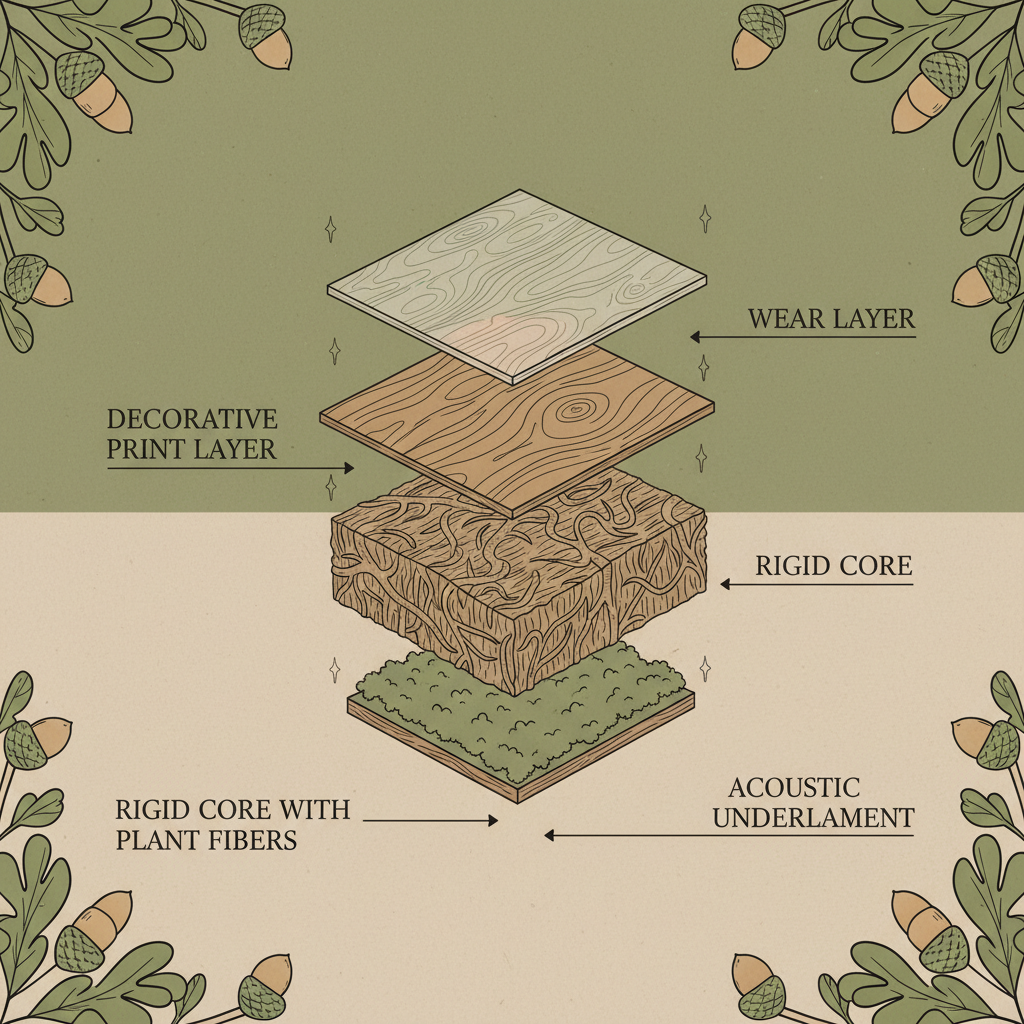
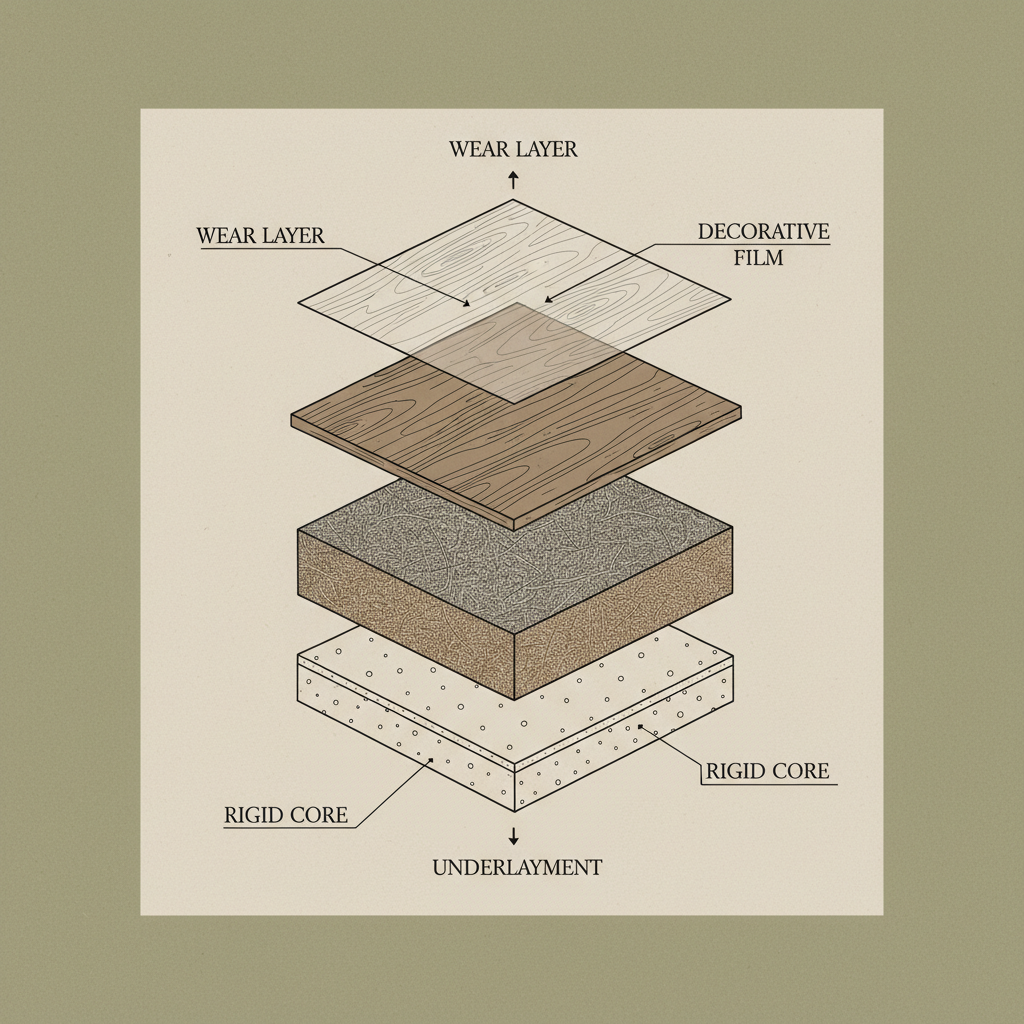
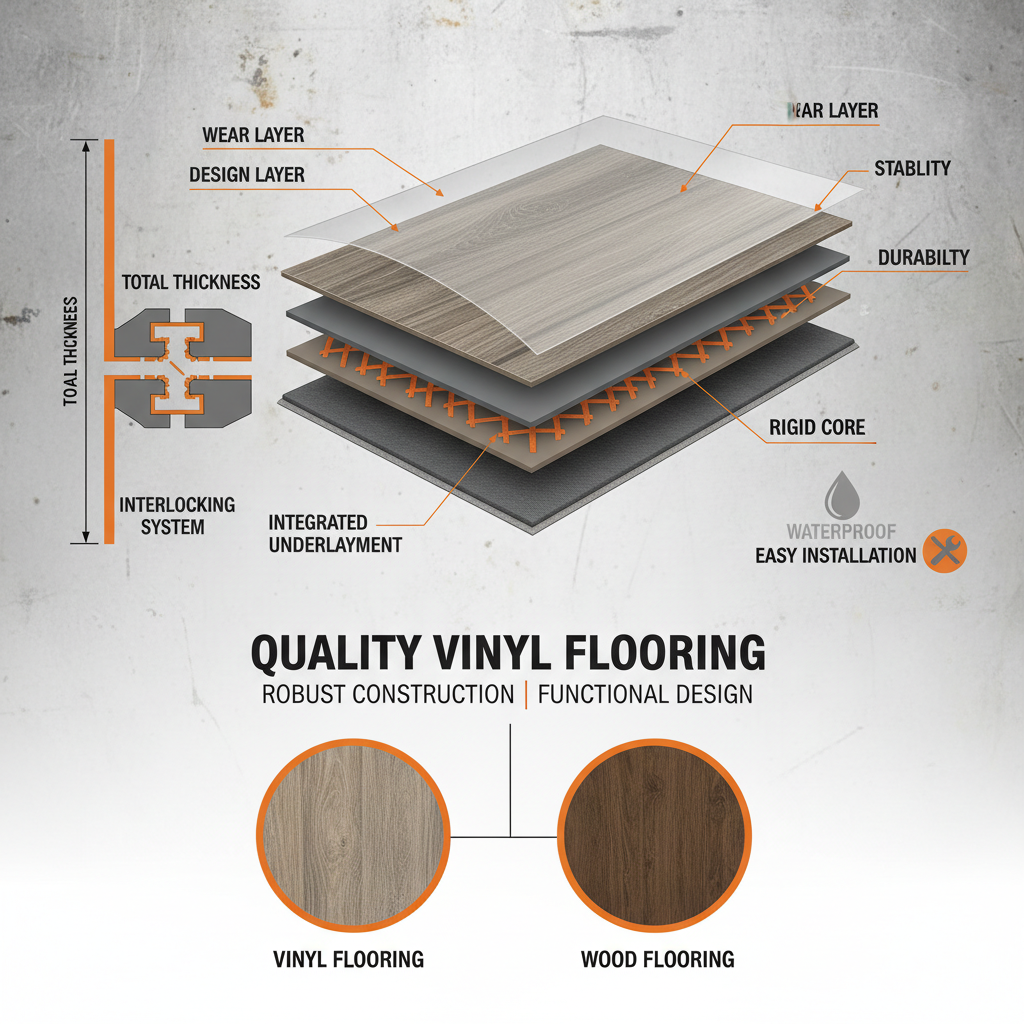
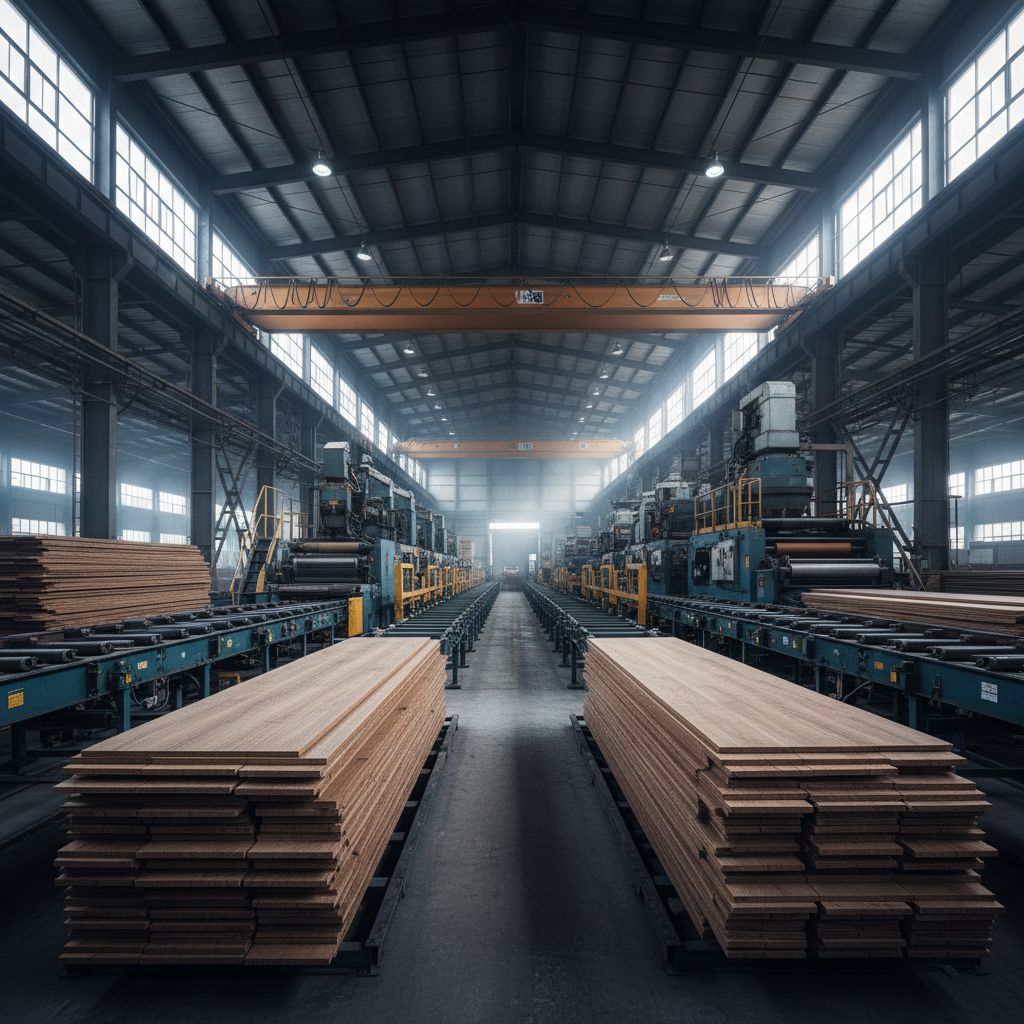
Essentially, it's plastic. Let's be real. But a good plastic. It’s designed to look like wood, and increasingly, it’s doing a pretty convincing job. It’s made up of layers, usually a wear layer, a printed design layer, and a core. The core is what gives it stability. It’s a big step up from the sheet vinyl my dad used to lay. Seriously, that stuff smelled… well, never mind.
It’s become crucial because, well, people want affordability and ease of installation. Traditional hardwood? Beautiful, but expensive and a pain to maintain. Vinyl timber flooring hits a sweet spot for a lot of projects. Particularly in commercial spaces, you want something that can withstand foot traffic, spills, and just general abuse.
Core Components and Construction
So, you've got your wear layer – that's the stuff that takes the beating. Thicker is better, obviously. Then there’s the design layer, usually a high-resolution print. What I've noticed is that the quality of the print really varies. Some look pixelated up close. The core is key. SPC – Stone Polymer Composite – that's what everyone’s using now. It’s solid, waterproof, and stable. WPC – Wood Plastic Composite – used to be popular, but it's a bit softer. I encountered a WPC flooring failure at a school in Foshan last time, they were having problems with dents from chairs.
Underlayment matters too. A good underlayment will add cushioning and sound absorption. Some are attached, some you install separately. It depends on the subfloor. Uneven subfloors are a nightmare; you need that underlayment to smooth things out.
And then there's the locking system. Click-lock, drop-lock… they all work, but some are easier to install than others. A poorly designed locking system will cause gaps and squeaks. Trust me, I’ve spent hours fixing those.
Global Applications in Construction
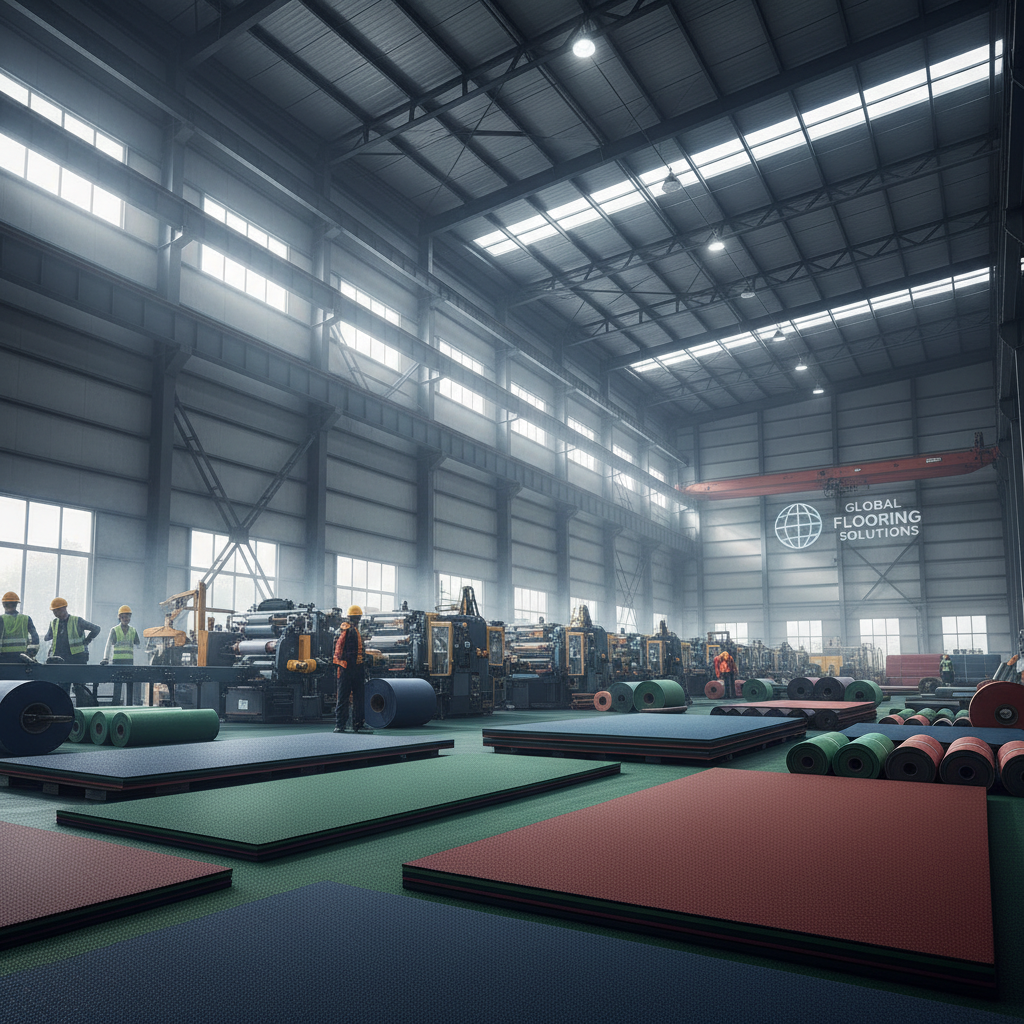
It's everywhere, honestly. From hospitals and schools – places where you need hygiene and durability – to retail spaces and offices. I’ve seen it in high-end apartments too, trying to mimic the look of real wood without the price tag. In Asia, it's huge, especially in new developments. They're building so fast they need something quick to install.
It’s also becoming popular in areas prone to flooding. Waterproof is a major selling point. I was down in Miami last year working on a renovation, and they were using it extensively in ground-floor apartments. They'd had issues with water damage from hurricanes, and this was a relatively easy fix.
Strangely, I'm seeing it more and more in temporary structures too - trade show booths, pop-up shops. It's lightweight and easy to transport. The portability is a major benefit in those situations.
Durability and Performance Testing
The lab tests are fine, but I trust the real-world tests more. Drop tests, scratch resistance, stain resistance… all important, but they don’t always tell the whole story. I like to see how it holds up to actual construction traffic. We run a simple test: drive a loaded dolly over it. If it scratches, it fails.
We also do a burn test – not a full-on fire test, but we'll hold a flame to it briefly to see how it reacts. You want it to char, not melt and drip. The smell is important too. A nasty, chemical smell is a bad sign.
Vinyl Timber Flooring Performance Metrics
Real-World User Applications
I talked to a restaurant owner last month who switched from tile to vinyl. He said his staff were constantly complaining about the cold tile in the kitchen. They’re on their feet all day. The vinyl’s softer underfoot, which made a big difference.
And it's not just commercial. I've seen families with young kids choose it because it’s easier to clean up messes. Spilled milk, muddy paws… it wipes right up. They're not worried about ruining an expensive hardwood floor.
Advantages, Disadvantages, and Customization
The biggest advantage is value. You get the look of wood for a fraction of the cost. It's also waterproof, durable, and easy to install. What's not to like? Well, it’s still plastic. It doesn't feel as warm or natural as real wood. And it doesn’t add the same resale value to a property. But for most people, the trade-offs are worth it.
Customization is getting better. You can get it in different widths, thicknesses, and colors. Last month, that small boss in Shenzhen who makes smart home devices insisted on changing the interface to – demanded a custom wear layer with a specific texture to match his product design. It was a pain to source, but we got it done. People want unique, you know?
Material Composition and Handling
The SPC core smells… plasticky, but not offensively so. The wear layer is pretty neutral. You want to be careful with it during installation, though. It can be damaged if you're too rough. And dust control is key. Any grit underfoot will scratch the surface.
When you're cutting it, a fine dust is produced, so you need a good dust mask. And store it flat, out of direct sunlight. Sunlight can warp the planks. Basic stuff, but people forget. I’ve seen entire shipments ruined by improper storage.
The better stuff feels solid, dense. Cheap stuff feels hollow and flimsy. You can usually tell just by picking it up. It’s a gut feeling, honestly, after doing this for so long.
Vinyl Timber Flooring Material Analysis
| Material Type |
Handling Difficulty (1-5) |
Durability Rating (1-10) |
Cost per Square Meter |
| SPC Core |
2 |
9 |
$15-25 |
| WPC Core |
1 |
7 |
$10-20 |
| High-Resolution Print Film |
1 |
6 |
$5-10 |
| Wear Layer (20mil) |
2 |
8 |
$8-15 |
| Underlayment (Attached) |
1 |
5 |
$3-7 |
| Locking Mechanism |
3 |
7 |
$2-5 |
FAQS
Honestly, it depends on the wear layer thickness. Thicker wear layers, especially those with ceramic reinforcement, can handle a lot of abuse. I’ve seen it in busy retail spaces and hold up pretty well. But if it’s a thinner wear layer, it’ll start to show scratches and wear within a year or two in high-traffic areas. It’s a trade off between cost and durability, really. Proper matting at entrances helps a ton too.
SPC core vinyl flooring is waterproof. It won't swell or warp if it gets wet. WPC is more water-resistant, it can handle spills, but prolonged exposure will cause issues. I’ve seen guys try to wash it with a pressure washer, don’t do that! It’ll force water into the seams. Waterproof doesn’t mean it’s impervious to everything. Standing water for extended periods isn’t ideal.
For minor scratches, a repair kit with a matching color filler can work wonders. You fill the scratch, let it dry, and then buff it smooth. For deeper scratches, you might need to replace the entire plank. It’s easier than you think, especially with click-lock systems. I always tell people to keep a few extra planks on hand for repairs. It’s a lifesaver.
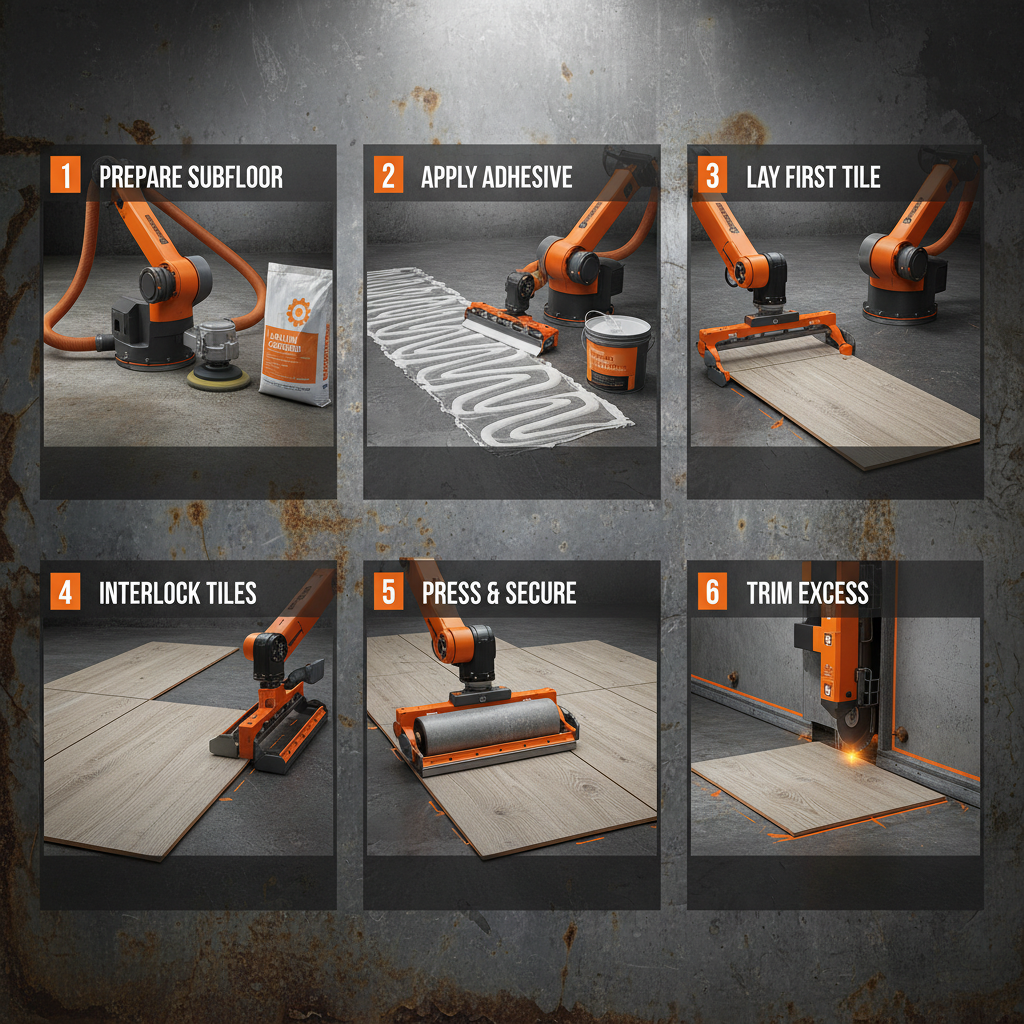
Night and day. Hardwood requires skilled labor, nailing or gluing down planks, sanding, and finishing. Vinyl timber flooring? It’s mostly a floating floor. Click-lock systems make it relatively easy to install, even for DIYers. No need for special tools or adhesives. It saves a ton of time and money. But a good subfloor prep is still critical, don’t skimp on that.
That's a tricky one. It's plastic, so it's not biodegradable. But it's more sustainable than hardwood because it doesn't require cutting down trees. A lot of manufacturers are using recycled content now, which is a good sign. VOC emissions are also a concern, so look for flooring with low-VOC certifications. It's not perfect, but it's better than some alternatives.
You can, but you need to make sure the tile is level and clean. Any imperfections in the tile will telegraph through the vinyl. You might need to use a self-leveling compound to smooth out the surface. Also, make sure the tile isn't too glossy; the vinyl won’t adhere properly. It’s doable, but it requires extra prep work.
Conclusion
So, there you have it. Vinyl timber flooring isn’t a miracle product, but it's a solid choice for a lot of applications. It offers a good balance of price, performance, and ease of installation. It’s not going to replace real wood for everyone, but it’s a practical and versatile option that's become a mainstay in the construction industry.
Ultimately, whether this thing works or not, the worker will know the moment he tightens the screw. You can talk specs and tests all day, but the real test is how it performs under real-world conditions. And if it makes the job easier and looks good doing it, well, that’s a win in my book.