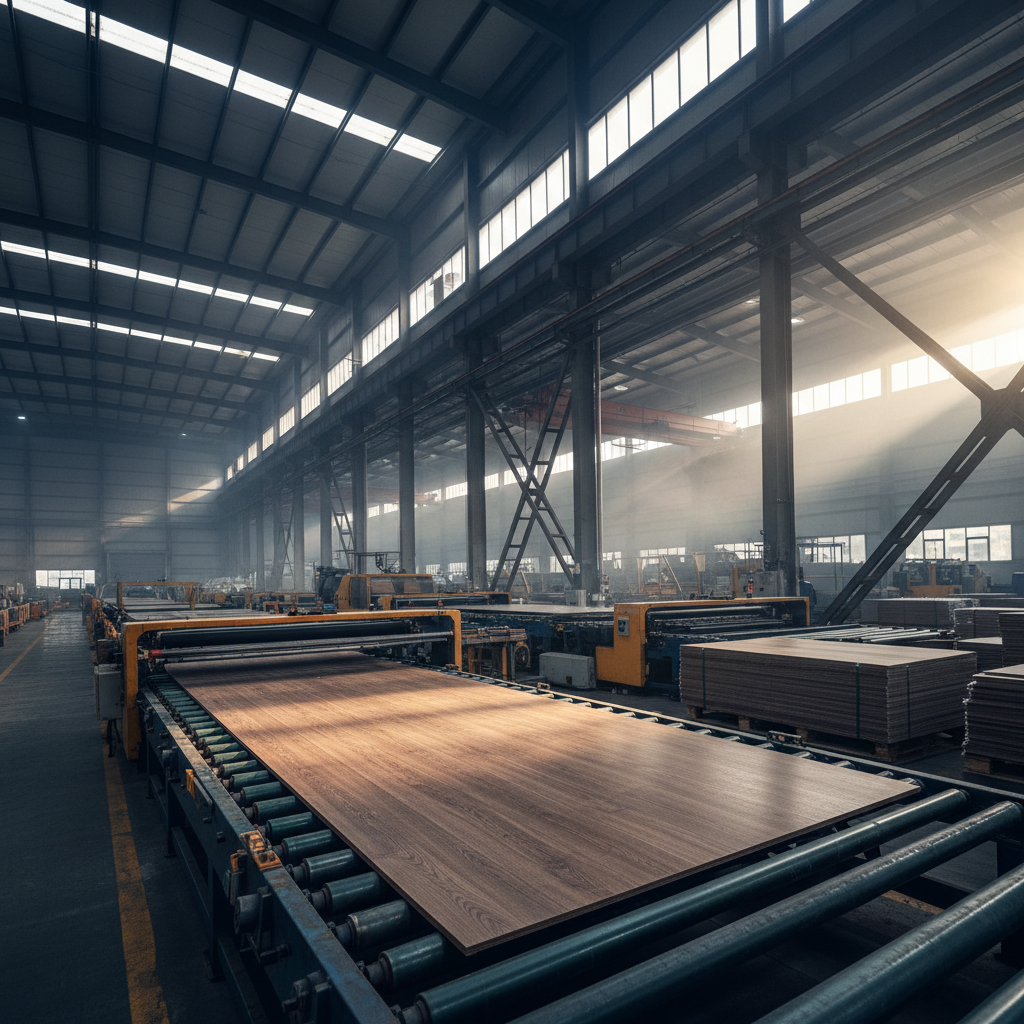
Quality vinyl flooring has rapidly become a globally significant material, extending far beyond simple aesthetics. Its durability, affordability, and ease of maintenance make it a cornerstone in modern construction and renovation projects worldwide. From residential homes to bustling commercial spaces, and even specialized environments like healthcare facilities, quality vinyl flooring offers a versatile solution to diverse flooring needs. This pervasive adoption is driven by a growing demand for sustainable, cost-effective, and visually appealing flooring options.
The global vinyl flooring market is experiencing substantial growth, fueled by increasing construction activities in emerging economies and a rising preference for resilient flooring solutions in developed nations. According to market research reports, the industry is projected to reach multi-billion dollar valuations in the coming years. This expansion isn’t merely about increased volume; it’s also about innovation, with manufacturers continually developing advanced technologies to enhance the performance, design, and environmental footprint of vinyl flooring.
Understanding the nuances of quality vinyl flooring is crucial for architects, designers, contractors, and homeowners alike. Choosing the right type of vinyl flooring – from luxury vinyl tile (LVT) to sheet vinyl – directly impacts long-term cost savings, indoor air quality, and the overall value of a project. This guide will delve into the key characteristics, applications, and future trends surrounding quality vinyl flooring, providing a comprehensive overview for informed decision-making.
Defining Quality Vinyl Flooring
Quality vinyl flooring refers to a synthetic flooring material composed of polyvinyl chloride (PVC) resins, plasticizers, stabilizers, and pigments. Unlike older vinyl formulations, modern high-quality vinyl floors are engineered for superior performance, aesthetics, and durability. This includes advancements in wear layers, core construction, and printing technologies that mimic natural materials like wood, stone, and tile.
In the context of modern construction, quality vinyl flooring plays a critical role in providing affordable, hygienic, and visually appealing surfaces for a wide range of applications. It addresses the need for resilient flooring solutions in environments where moisture, heavy foot traffic, and demanding performance standards are prevalent. It also contributes to a growing demand for more sustainable and environmentally responsible building materials.
Global Relevance and Industry Context
The demand for vinyl flooring is intrinsically linked to global economic trends, construction activity, and urbanization. Developing nations, experiencing rapid population growth and infrastructure development, represent significant growth markets for vinyl flooring. The accessibility and relative affordability of vinyl make it a popular choice for mass housing projects and commercial buildings. This global demand is reshaping the industry, driving innovation in manufacturing processes and material science.
The global flooring market, valued at hundreds of billions of dollars, sees vinyl flooring consistently ranking among the top choices due to its versatility and cost-effectiveness. According to the World Bank, investments in infrastructure development in emerging economies are expected to continue driving demand for durable and affordable flooring materials like vinyl. Additionally, the ISO standards for flooring materials contribute to maintaining quality and performance benchmarks globally.
A key challenge lies in addressing concerns surrounding the environmental impact of PVC production and disposal. This is driving research into bio-based vinyl alternatives and recycling technologies, pushing the industry towards more sustainable practices. Ensuring responsible sourcing and manufacturing processes is paramount to maintaining the long-term viability of quality vinyl flooring as a preferred global flooring solution.
Core Components of Quality Vinyl Flooring
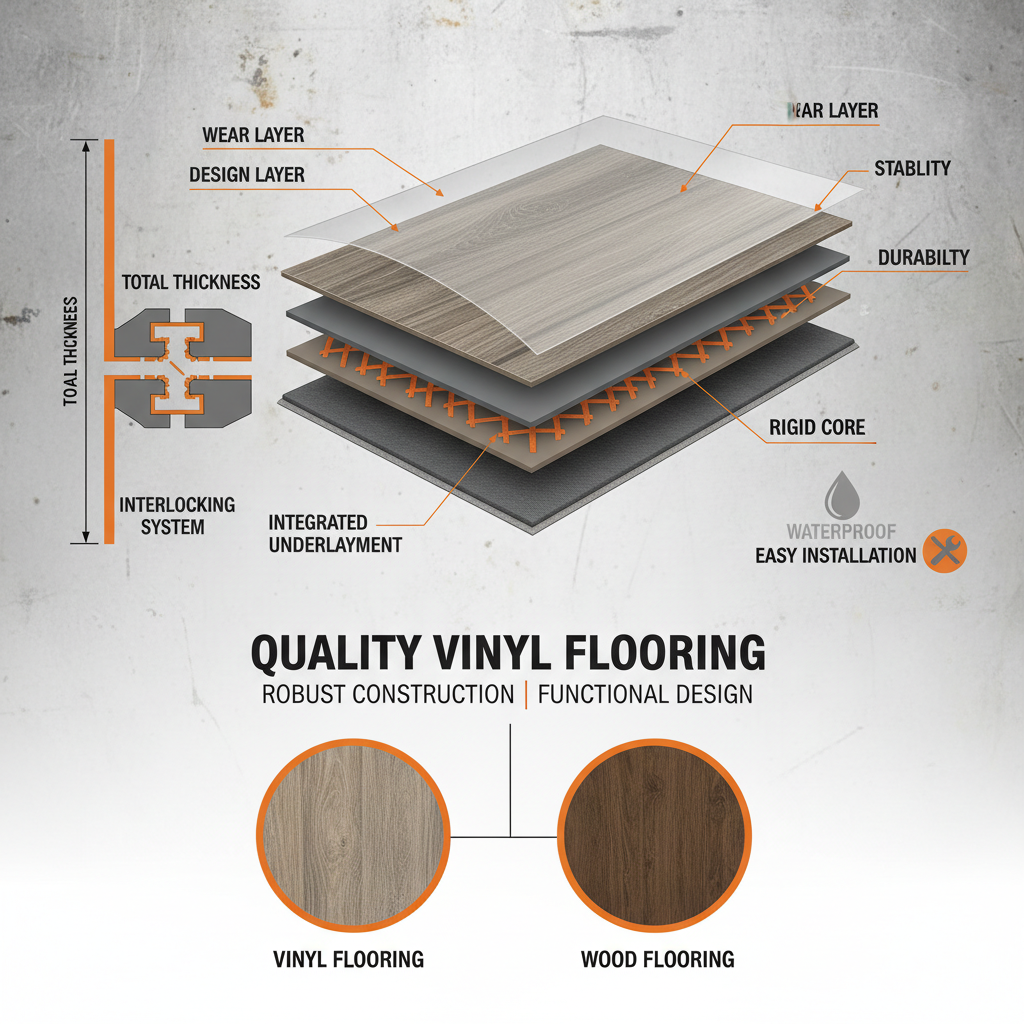
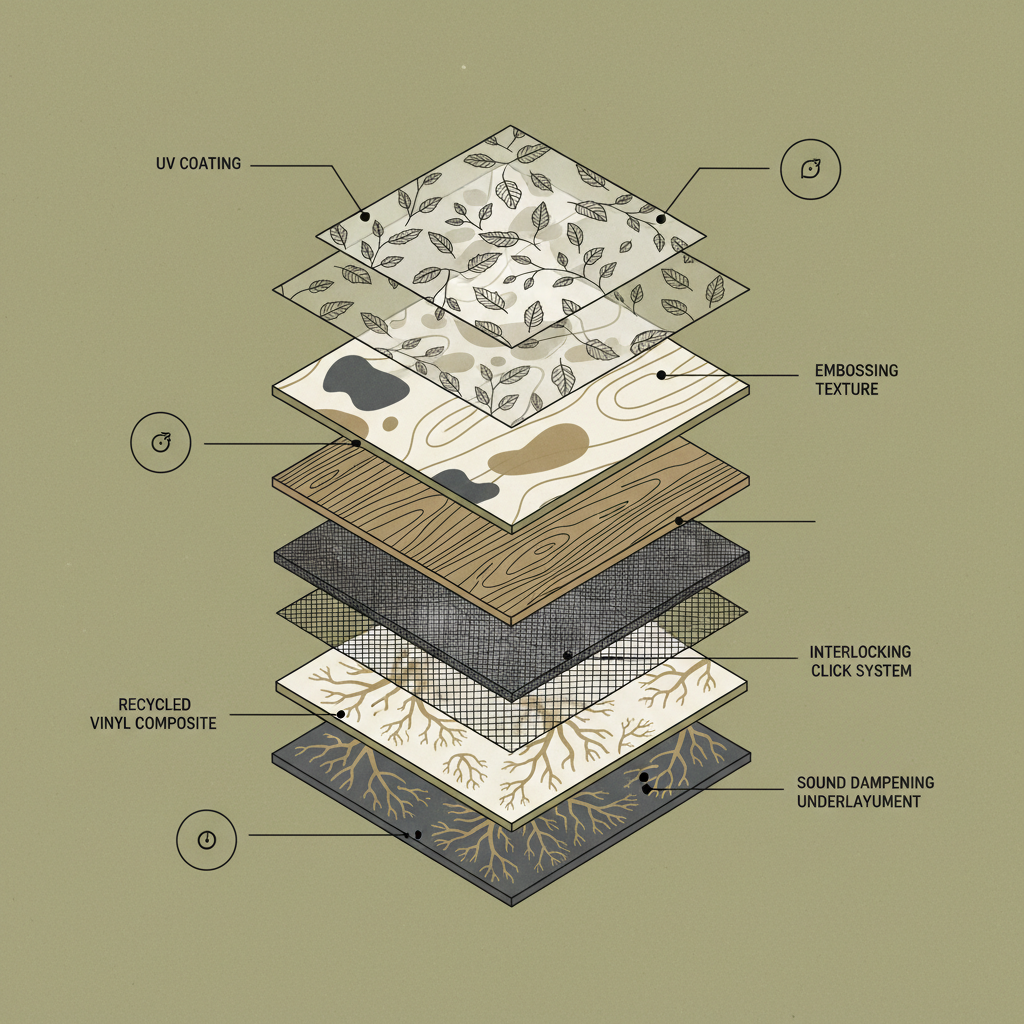
Quality vinyl flooring isn't a monolithic material; it’s composed of several key layers working in concert. The wear layer is the top protective coating, dictating the flooring's resistance to scratches, stains, and abrasion. Below the wear layer is the print layer, providing the visual aesthetic – whether it mimics wood, stone, or a custom design. Crucially, the core layer determines the flooring’s stability and waterproof capabilities.
Different types of vinyl flooring utilize varying core constructions. Solid vinyl provides a dense, stable core ideal for high-traffic areas. Wood Plastic Composite (WPC) cores offer enhanced comfort underfoot due to their foamed composition, while Stone Plastic Composite (SPC) cores provide even greater rigidity and dimensional stability, making them suitable for uneven subfloors. The backing layer, often attached, provides additional cushioning and sound absorption.
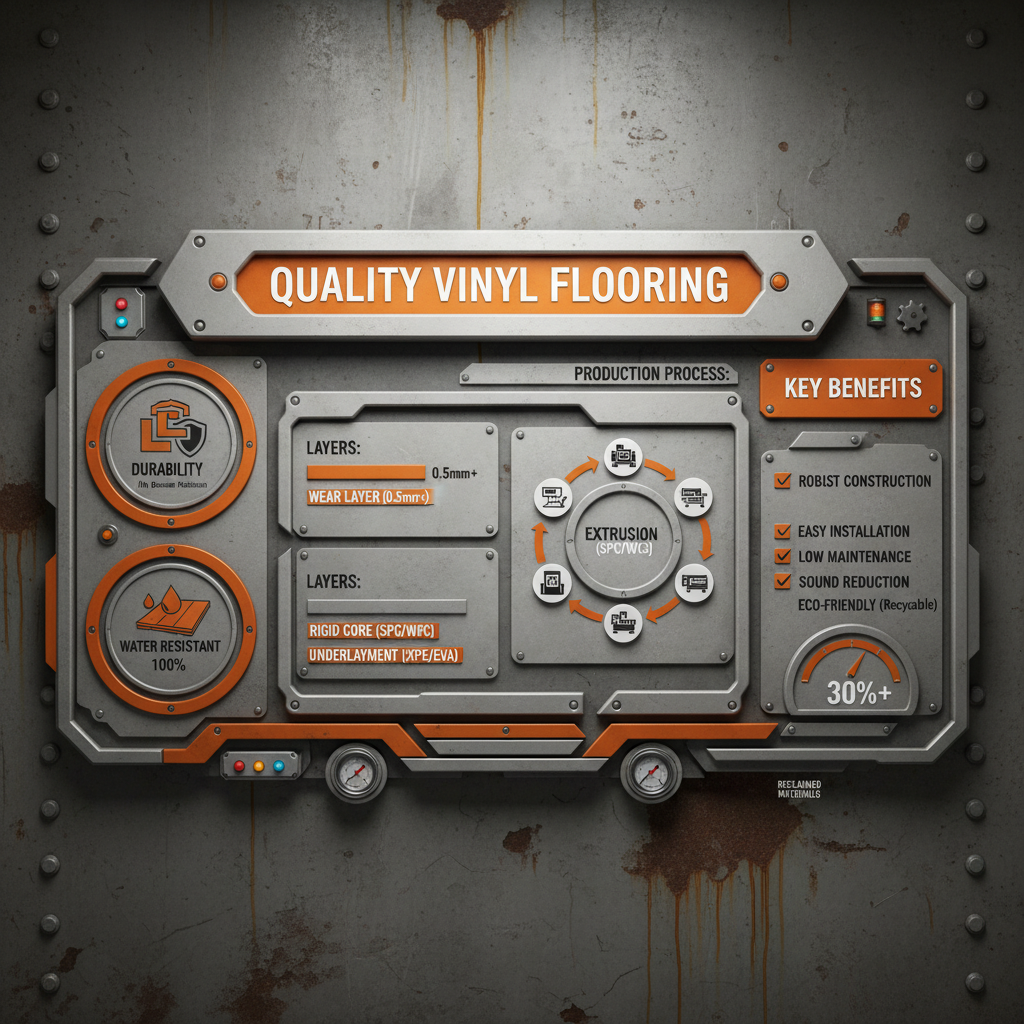
Understanding these components is vital when evaluating quality vinyl flooring options. A thicker wear layer generally equates to greater durability, while the core construction determines the flooring’s suitability for specific environments and applications. Proper selection based on these factors ensures long-lasting performance and value.
Durability and Performance Characteristics
Durability is a cornerstone of quality vinyl flooring. Measured by wear layer thickness and indentation resistance, high-quality vinyl can withstand heavy foot traffic, impacts, and scratches for years. The material's inherent waterproof nature makes it an ideal choice for kitchens, bathrooms, and other areas prone to moisture exposure.
Beyond physical durability, performance characteristics like stain resistance, fade resistance, and dimensional stability contribute to long-term value. Quality vinyl flooring resists common household stains and maintains its color vibrancy even with prolonged exposure to sunlight. Furthermore, its ability to resist warping or buckling in response to temperature fluctuations ensures a consistent and aesthetically pleasing surface.
Performance Ratings of Different Vinyl Flooring Types
Applications in Diverse Settings
The versatility of quality vinyl flooring makes it suitable for a vast range of applications. In residential settings, it's commonly used in kitchens, bathrooms, living rooms, and bedrooms, offering a stylish and practical flooring solution. Commercial spaces, such as retail stores, offices, and healthcare facilities, benefit from its durability, ease of maintenance, and hygienic properties.
Specialized environments also leverage the unique properties of vinyl flooring. Hospitals and clinics utilize it for its resistance to bacteria and ease of sanitation. Educational institutions appreciate its durability and noise-reducing qualities. Even in marine applications, vinyl flooring provides a resilient and waterproof surface.
Advantages and Long-Term Value Proposition
The advantages of choosing quality vinyl flooring extend beyond initial cost savings. Its low maintenance requirements – typically requiring only sweeping and occasional mopping – reduce long-term cleaning expenses. The material's resistance to wear and tear translates to fewer replacements, further minimizing lifecycle costs.
From an environmental perspective, many manufacturers are now offering recycled vinyl flooring options and implementing responsible production practices. This contributes to a lower carbon footprint and supports sustainable building initiatives. The aesthetic appeal and design versatility of vinyl flooring also enhance property value and create inviting spaces.
The long-term value proposition is strengthened by the peace of mind that comes with selecting a durable, reliable, and aesthetically pleasing flooring solution. It's an investment that delivers both practical benefits and enhanced quality of life.
Future Trends and Innovations in Vinyl Flooring
The future of vinyl flooring is marked by ongoing innovation in materials, manufacturing processes, and design aesthetics. Bio-based vinyl, derived from renewable resources, is gaining traction as a more sustainable alternative to traditional PVC. Digital printing technologies are enabling increasingly realistic and intricate designs, blurring the lines between vinyl and natural materials.
Smart vinyl flooring, incorporating embedded sensors for monitoring temperature, humidity, and foot traffic, is emerging as a potential trend. These sensors can provide valuable data for building management systems and enhance energy efficiency. Advancements in installation techniques, such as click-lock systems, are simplifying the installation process and reducing labor costs.
Furthermore, increased focus on circular economy principles is driving the development of vinyl recycling programs and closed-loop manufacturing processes. These efforts aim to minimize waste and maximize resource utilization, contributing to a more sustainable future for the vinyl flooring industry.
Summary of Key Future Trends in Vinyl Flooring
| Trend Category |
Specific Innovation |
Impact on Quality Vinyl Flooring |
Projected Adoption Rate (1-10) |
| Materials Science |
Bio-based Vinyl |
Reduced Environmental Impact |
7 |
| Manufacturing Technology |
Digital Printing |
Enhanced Design Flexibility |
9 |
| Smart Technology |
Embedded Sensors |
Improved Building Management |
5 |
| Installation Methods |
Click-Lock Systems |
Faster & Easier Installation |
8 |
| Sustainability |
Vinyl Recycling Programs |
Reduced Waste & Resource Depletion |
6 |
| Durability Enhancements |
Advanced Wear Layers |
Increased Scratch & Stain Resistance |
8 |
FAQS
Quality vinyl flooring offers several advantages over hardwood. It’s more affordable, waterproof, easier to maintain, and more durable against scratches and dents. Unlike hardwood, it doesn't require regular sanding or refinishing. While hardwood offers a natural aesthetic, modern vinyl flooring convincingly mimics wood grain and texture, providing a similar look at a fraction of the cost and with superior practicality.
The wear layer is a crucial factor determining the durability of vinyl flooring. A thicker wear layer provides greater resistance to scratches, stains, and abrasion. For residential use, a wear layer of 12 mils is generally sufficient, while high-traffic commercial areas benefit from wear layers of 20 mils or more. Selecting a wear layer appropriate for the intended use significantly impacts the flooring's lifespan.
While traditional vinyl (PVC) has faced sustainability concerns, advancements are being made. Many manufacturers now offer recycled vinyl flooring options and are implementing responsible production practices. Look for certifications like FloorScore, which indicates low VOC emissions. Choosing bio-based vinyl and supporting manufacturers with strong recycling programs can contribute to a more sustainable flooring choice.
Yes, in many cases, vinyl flooring can be installed over existing flooring, provided the subfloor is level, clean, and dry. However, it’s essential to check the manufacturer's recommendations regarding acceptable subfloor materials and conditions. Loose-lay vinyl and click-lock vinyl are particularly well-suited for installation over existing floors, minimizing preparation work.
SPC (Stone Plastic Composite) and WPC (Wood Plastic Composite) are both waterproof vinyl cores, but they differ in composition. SPC is denser and more rigid due to its limestone content, making it highly stable and resistant to dents. WPC is softer and more comfortable underfoot due to its foamed core, but it's less dent-resistant. SPC is generally preferred for uneven subfloors, while WPC offers enhanced comfort.
Maintaining quality vinyl flooring is relatively simple. Regular sweeping or vacuuming removes dirt and debris. For deeper cleaning, use a damp mop with a mild detergent specifically designed for vinyl floors. Avoid abrasive cleaners, scouring pads, and excessive water, which can damage the surface. Protect furniture legs with felt pads to prevent scratches.
Conclusion
In conclusion, quality vinyl flooring stands out as a versatile, durable, and cost-effective flooring solution for a diverse range of applications. Its ability to mimic natural materials, coupled with its waterproof nature and ease of maintenance, makes it a compelling choice for both residential and commercial spaces. The ongoing innovations in materials and manufacturing processes are further enhancing its sustainability and performance.
Looking ahead, the vinyl flooring industry is poised for continued growth and innovation. Embracing bio-based materials, advanced recycling technologies, and smart flooring solutions will be crucial for ensuring its long-term viability. By carefully considering the core components, performance characteristics, and future trends, consumers and professionals can make informed decisions that maximize the value and sustainability of their flooring investments. Visit our website at www.enliosport.com to explore our extensive range of quality vinyl flooring options.