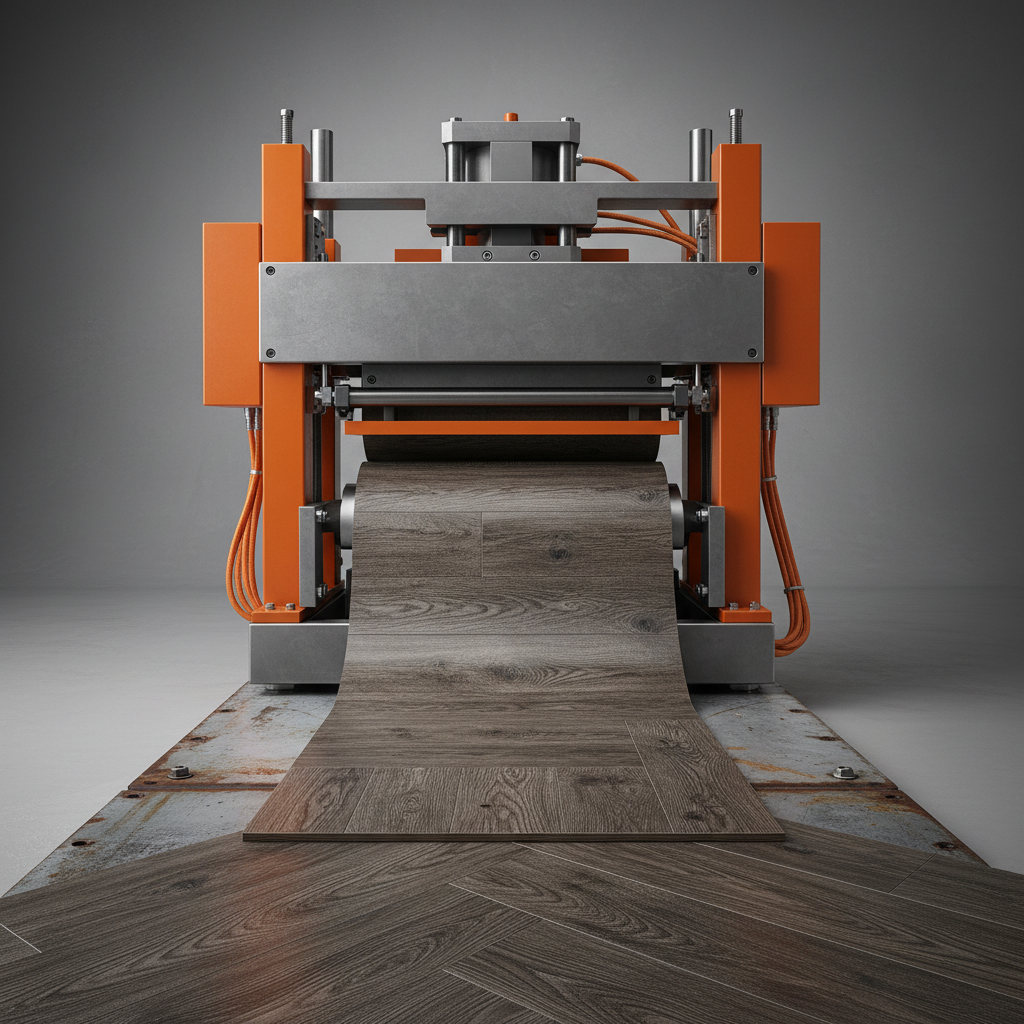
eco friendly vinyl flooring is rapidly gaining prominence as a sustainable and versatile flooring solution. Globally, there’s an increasing demand for building materials that minimize environmental impact without compromising performance or aesthetics. This shift is driven by heightened consumer awareness, stricter regulations concerning volatile organic compounds (VOCs), and a broader commitment to circular economy principles. Understanding the nuances of eco friendly vinyl flooring is crucial for architects, builders, and homeowners alike, allowing for informed decisions that contribute to a healthier planet and living spaces.
The construction industry accounts for nearly 40% of global carbon emissions, making the sourcing of eco-conscious materials paramount (UN Environment Programme, 2023). Traditional vinyl flooring often contains phthalates and other harmful chemicals, raising health concerns and contributing to environmental pollution. eco friendly vinyl flooring addresses these challenges by utilizing recycled content, bio-based materials, and low-VOC formulations. This move towards sustainable flooring is not merely a trend, but a necessary evolution in building practices.
From residential homes to large-scale commercial projects, and even healthcare facilities where hygiene and air quality are critical, eco friendly vinyl flooring presents a viable alternative. Its durability, affordability, and ease of maintenance further solidify its position as a frontrunner in the flooring market.
The Rise of Sustainable Flooring: An Overview
The global demand for sustainable building materials is experiencing exponential growth, driven by both regulatory pressures and consumer preference. eco friendly vinyl flooring represents a significant step forward in addressing the environmental concerns associated with traditional vinyl production. This trend isn’t confined to a specific region; it's a worldwide movement impacting everything from residential construction to large commercial developments.
Increasingly, businesses are prioritizing materials with Environmental Product Declarations (EPDs) and certifications like FloorScore® and GreenGuard, demonstrating a commitment to transparency and environmental responsibility. Consumers are actively seeking products that align with their values, and eco friendly vinyl flooring provides a compelling solution that balances sustainability with practicality and cost-effectiveness.
Defining Eco Friendly Vinyl Flooring
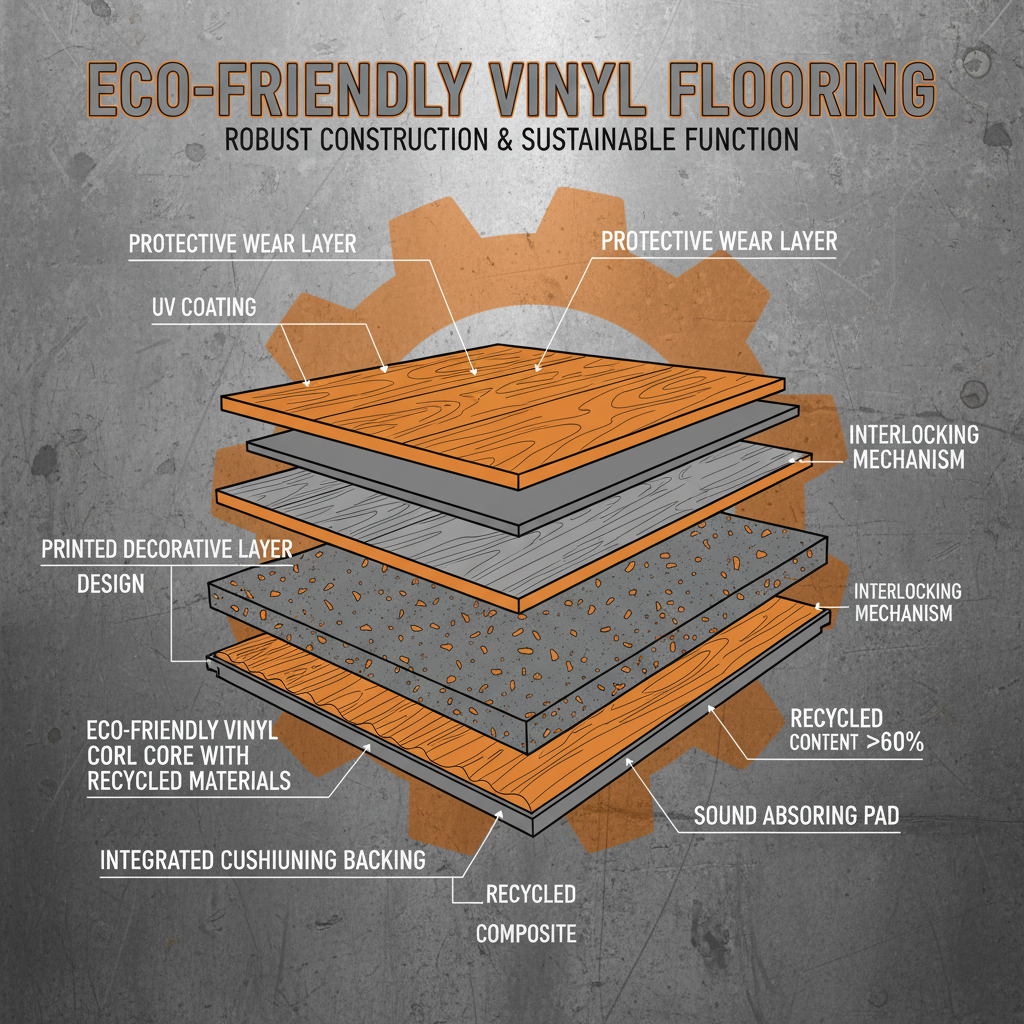
eco friendly vinyl flooring, at its core, is a type of resilient flooring manufactured with a reduced environmental footprint compared to conventional vinyl. This is achieved through various methods, including the incorporation of recycled content—both post-consumer and post-industrial—and the use of bio-based plasticizers derived from renewable resources like castor oil. The key difference lies in minimizing harmful VOC emissions and reducing reliance on fossil fuels in the production process.
Unlike traditional vinyl, which often utilizes phthalates (known endocrine disruptors) as plasticizers, eco friendly options employ alternatives like DOTP (dioctyl terephthalate) or bio-based plasticizers, creating a healthier indoor environment. This shift is directly linked to increasing awareness of indoor air quality and its impact on human health.
The concept of eco friendly vinyl flooring extends beyond the material composition itself. It encompasses the entire lifecycle of the product, including responsible sourcing of raw materials, efficient manufacturing processes, and end-of-life recyclability or responsible disposal.
Core Components of Eco Friendly Vinyl Flooring
Several key components contribute to making vinyl flooring environmentally friendly. Recycled content, often sourced from manufacturing scraps or post-consumer waste, significantly reduces the demand for virgin materials. Bio-based plasticizers, as mentioned previously, replace harmful phthalates, improving indoor air quality. Low-VOC adhesives and finishes are also crucial, minimizing off-gassing and contributing to a healthier environment.
Furthermore, advancements in manufacturing processes, such as closed-loop systems that recapture and reuse waste materials, play a vital role. The utilization of renewable energy sources during production further minimizes the carbon footprint. Finally, considering the end-of-life scenario—whether through recycling programs or responsible disposal methods—is integral to the overall sustainability profile of eco friendly vinyl flooring.
Certifications like FloorScore®, GreenGuard, and LEED (Leadership in Energy and Environmental Design) provide third-party verification of these environmental attributes, offering consumers and builders assurance that the product meets stringent sustainability standards. Choosing certified eco friendly vinyl flooring ensures adherence to best practices and promotes responsible building.
Key Performance Characteristics
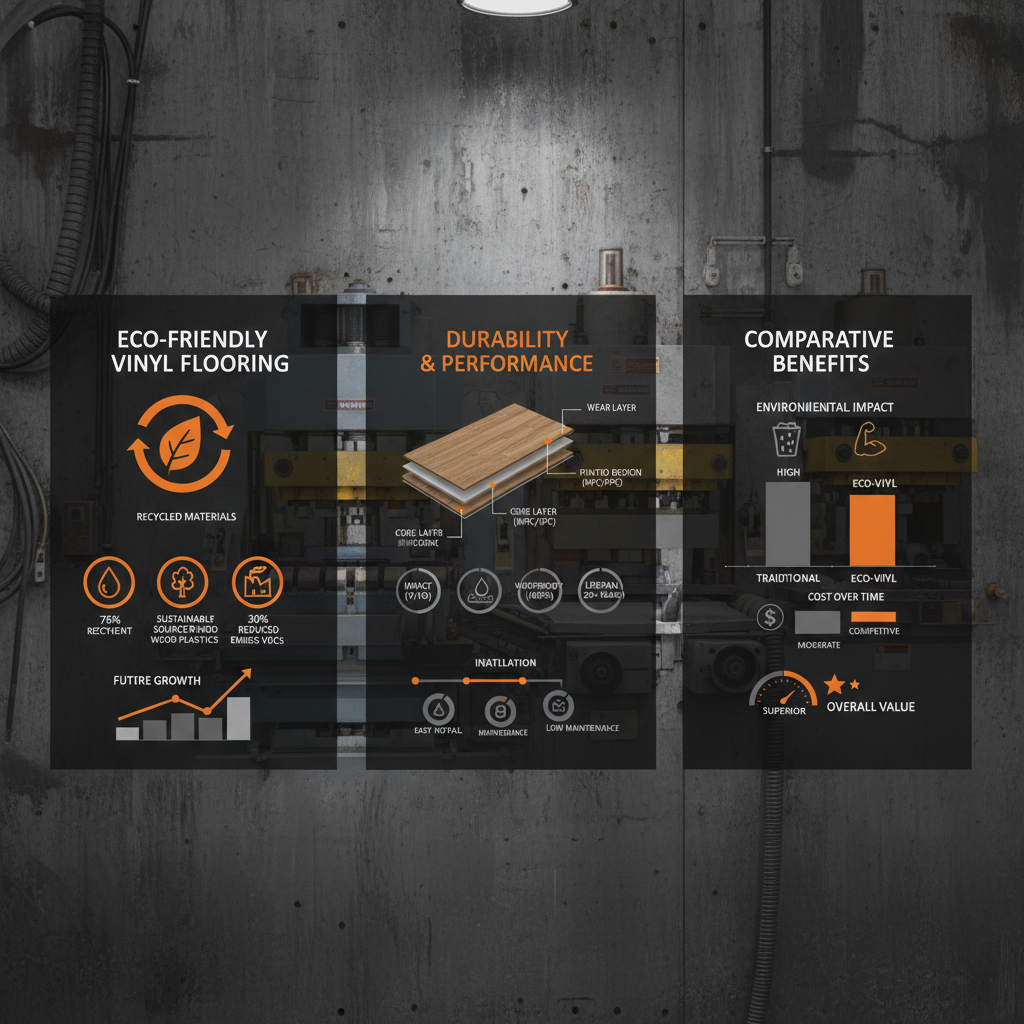
eco friendly vinyl flooring doesn't sacrifice performance for sustainability. In fact, many options offer comparable or even superior performance characteristics to traditional vinyl. Durability is a key factor, with many eco friendly vinyl floors boasting excellent resistance to scratches, dents, and wear, making them suitable for high-traffic areas.
Water resistance is another crucial benefit, making eco friendly vinyl flooring an ideal choice for kitchens, bathrooms, and basements. Moreover, its inherent flexibility provides comfort underfoot, reducing fatigue compared to harder flooring surfaces.
Comparative Performance of Eco Friendly Vinyl Flooring Methods
Applications Across Diverse Sectors
The versatility of eco friendly vinyl flooring extends to a wide range of applications. In residential settings, it's commonly used in kitchens, bathrooms, living rooms, and bedrooms, providing a stylish and sustainable flooring solution. Its water resistance and durability make it particularly well-suited for homes with children and pets.
Commercially, eco friendly vinyl flooring is increasingly popular in retail spaces, offices, healthcare facilities, and educational institutions. Its ability to withstand heavy foot traffic, resist stains, and maintain a clean appearance makes it a practical and cost-effective choice for high-use areas.
Advantages & Long-Term Value Proposition
The advantages of choosing eco friendly vinyl flooring extend beyond environmental benefits. From a financial perspective, its durability translates to lower lifecycle costs, reducing the need for frequent replacements. The enhanced indoor air quality contributes to improved occupant health and productivity, boosting overall well-being.
The positive impact on brand reputation and corporate social responsibility (CSR) initiatives is also a significant benefit for businesses. By demonstrating a commitment to sustainability, companies can attract environmentally conscious customers and investors. This showcases a forward-thinking approach and reinforces a commitment to a healthier future.
Ultimately, investing in eco friendly vinyl flooring is a strategic decision that aligns economic viability with environmental and social responsibility, creating long-term value for all stakeholders.
Future Trends & Innovations in Vinyl Technology
The future of eco friendly vinyl flooring is bright, with ongoing innovations pushing the boundaries of sustainability and performance. Researchers are actively exploring new bio-based materials and plasticizers to further reduce reliance on fossil fuels. Advancements in recycling technologies are also paving the way for closed-loop systems, minimizing waste and maximizing resource utilization.
Digital printing techniques are enabling greater design flexibility and customization, allowing for intricate patterns and realistic textures. Smart flooring solutions, incorporating sensors and data analytics, are also emerging, offering functionalities like foot traffic monitoring and environmental sensing.
These innovations, combined with growing consumer demand and stricter regulations, will continue to drive the adoption of eco friendly vinyl flooring as the preferred choice for sustainable building projects worldwide.
Summary of Eco Friendly Vinyl Flooring Technology Advancements
| Innovation Category |
Technology Description |
Sustainability Impact |
Market Maturity (1-5) |
| Bio-Based Plasticizers |
Utilizing plant-derived oils (e.g., castor oil) instead of phthalates. |
Reduces reliance on fossil fuels and eliminates harmful VOCs. |
4 |
| Recycled Content Integration |
Incorporating post-consumer and post-industrial vinyl waste. |
Decreases landfill waste and conserves virgin resources. |
5 |
| Closed-Loop Recycling Systems |
Collecting and reprocessing vinyl flooring waste into new products. |
Minimizes waste and creates a circular economy for vinyl. |
3 |
| Digital Printing Technology |
Applying high-resolution patterns and designs directly to the flooring surface. |
Reduces material waste and enables customization. |
4 |
| Smart Flooring Integration |
Embedding sensors for data collection (foot traffic, temperature, humidity). |
Enhances building management and optimizes energy efficiency. |
2 |
| Nanotechnology Enhancements |
Applying nanoscale coatings for improved scratch resistance and stain protection. |
Extends flooring lifespan and reduces maintenance requirements. |
3 |
FAQS
The primary difference lies in the materials and manufacturing processes used. Standard vinyl often contains phthalates and utilizes virgin materials, whereas eco friendly vinyl prioritizes recycled content, bio-based plasticizers, and low-VOC emissions. This results in a significantly reduced environmental impact and improved indoor air quality. Eco-friendly options are designed to minimize harm to both the planet and occupants.
Yes, most eco friendly vinyl flooring options are highly water-resistant, making them suitable for kitchens, bathrooms, and basements. However, it’s important to check the specific product specifications, as the degree of water resistance can vary. While generally resistant to spills and splashes, prolonged exposure to standing water should be avoided to prevent potential damage.
While initially eco friendly vinyl flooring may have a slightly higher upfront cost, the long-term value often outweighs the difference. Its increased durability reduces the need for frequent replacements, and the healthier indoor environment can lead to improved productivity and well-being. Furthermore, potential tax incentives or rebates may be available for sustainable building materials.
Look for certifications like FloorScore®, GreenGuard, and LEED. FloorScore® certifies low VOC emissions, ensuring healthier indoor air quality. GreenGuard certification also assesses chemical emissions. LEED (Leadership in Energy and Environmental Design) recognizes products contributing to sustainable building practices. These certifications provide assurance that the product meets stringent environmental standards.
Recyclability varies depending on the specific product and local recycling infrastructure. Some manufacturers offer take-back programs for their flooring, while others are actively developing closed-loop recycling systems. It's important to inquire about the end-of-life options when making a purchase, and to check with local recycling facilities to determine if they accept vinyl flooring.
Eco friendly vinyl flooring reduces carbon emissions through several avenues. Utilizing recycled content lowers the demand for virgin materials and associated energy-intensive extraction processes. Bio-based plasticizers replace fossil fuel-derived alternatives. More efficient manufacturing and potential use of renewable energy sources during production contribute to a smaller carbon footprint overall.
Conclusion
eco friendly vinyl flooring represents a significant advancement in sustainable building materials, offering a compelling blend of environmental responsibility, performance, and cost-effectiveness. Its ability to reduce carbon emissions, improve indoor air quality, and minimize waste makes it a valuable asset for creating healthier and more sustainable spaces. From residential homes to commercial buildings, its versatility and durability ensure long-term value.
As technology continues to evolve, we can expect even more innovative solutions in the realm of eco friendly vinyl flooring, further minimizing its environmental impact and maximizing its benefits. By embracing these advancements and prioritizing sustainable choices, we can collectively contribute to a more resilient and environmentally conscious future. Explore the possibilities and transform your spaces with eco friendly vinyl flooring – visit our website today: eco friendly vinyl flooring.