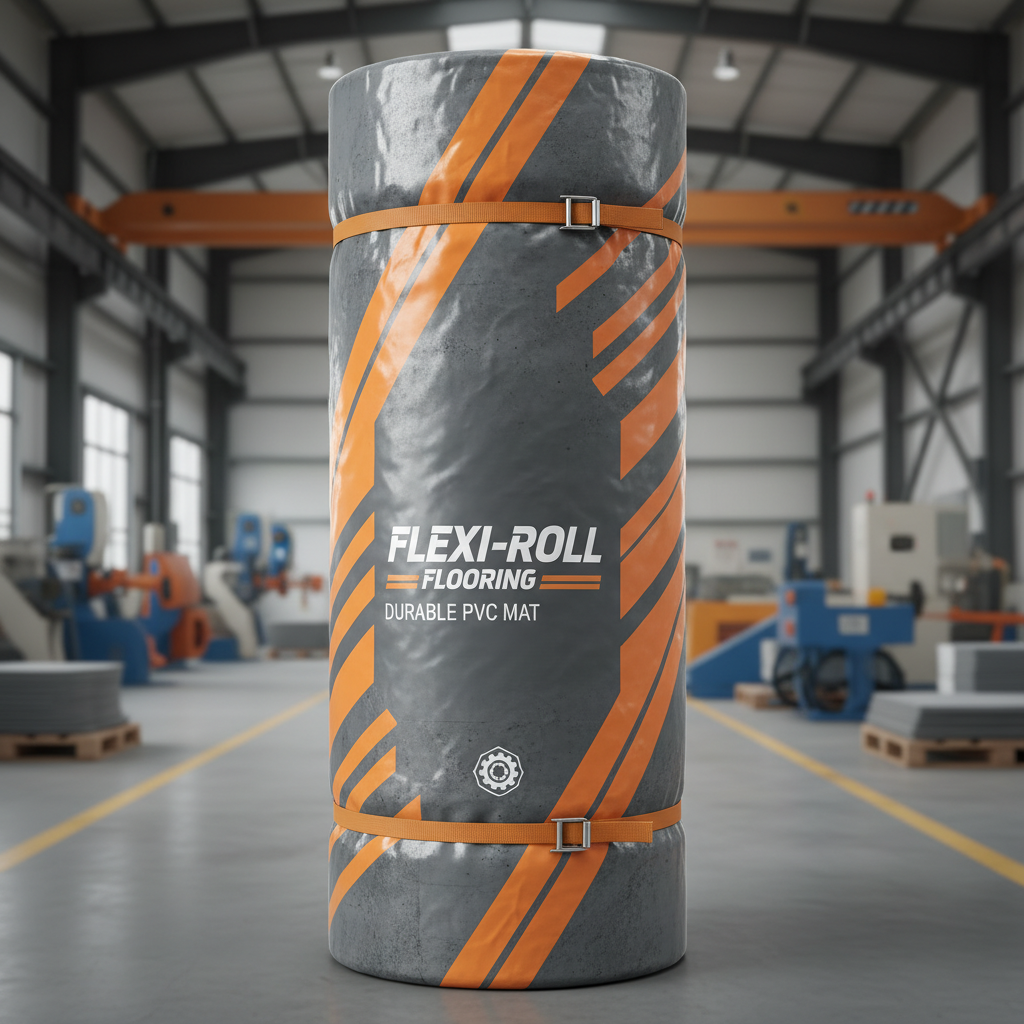
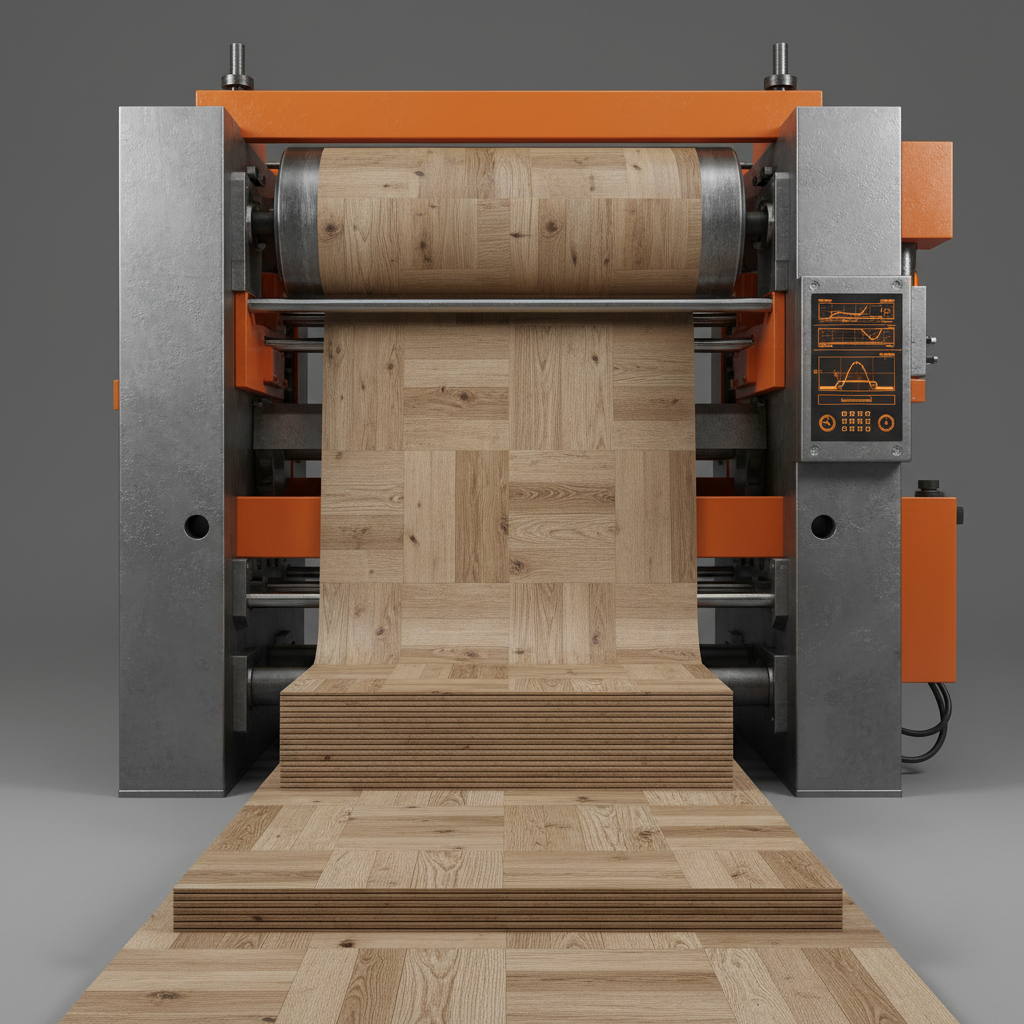
Eco vinyl flooring represents a significant advancement in the flooring industry, offering a compelling blend of durability, affordability, and environmental responsibility. As concerns about sustainability and indoor air quality rise globally, the demand for eco-friendly flooring solutions like eco vinyl flooring continues to grow. This material presents a viable alternative to traditional vinyl, addressing many of the health and environmental drawbacks associated with its predecessors.
The escalating need for sustainable building materials is driven by growing environmental awareness and stricter regulations worldwide. Organizations like the UN Environment Programme and the World Bank are increasingly promoting green building practices, pushing industries to adopt more sustainable materials and processes. Eco vinyl flooring is positioned to play a crucial role in achieving these goals, offering a cost-effective and versatile option for both residential and commercial applications.
Understanding the nuances of eco vinyl flooring – its composition, manufacturing processes, and long-term performance – is essential for architects, contractors, homeowners, and anyone involved in the building and renovation sectors. Its unique properties and benefits contribute to healthier indoor environments and a smaller carbon footprint, making it a responsible choice for a sustainable future.
The Definition and Composition of eco vinyl flooring
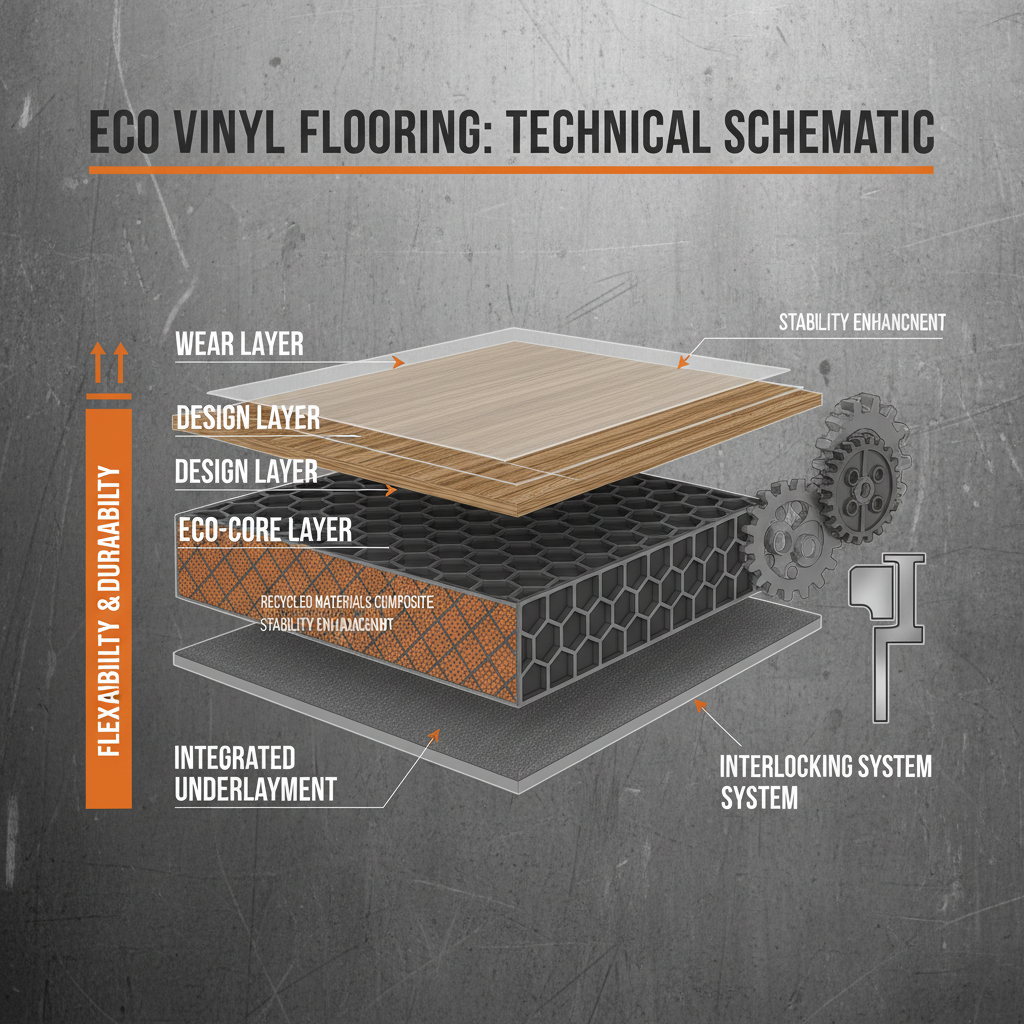
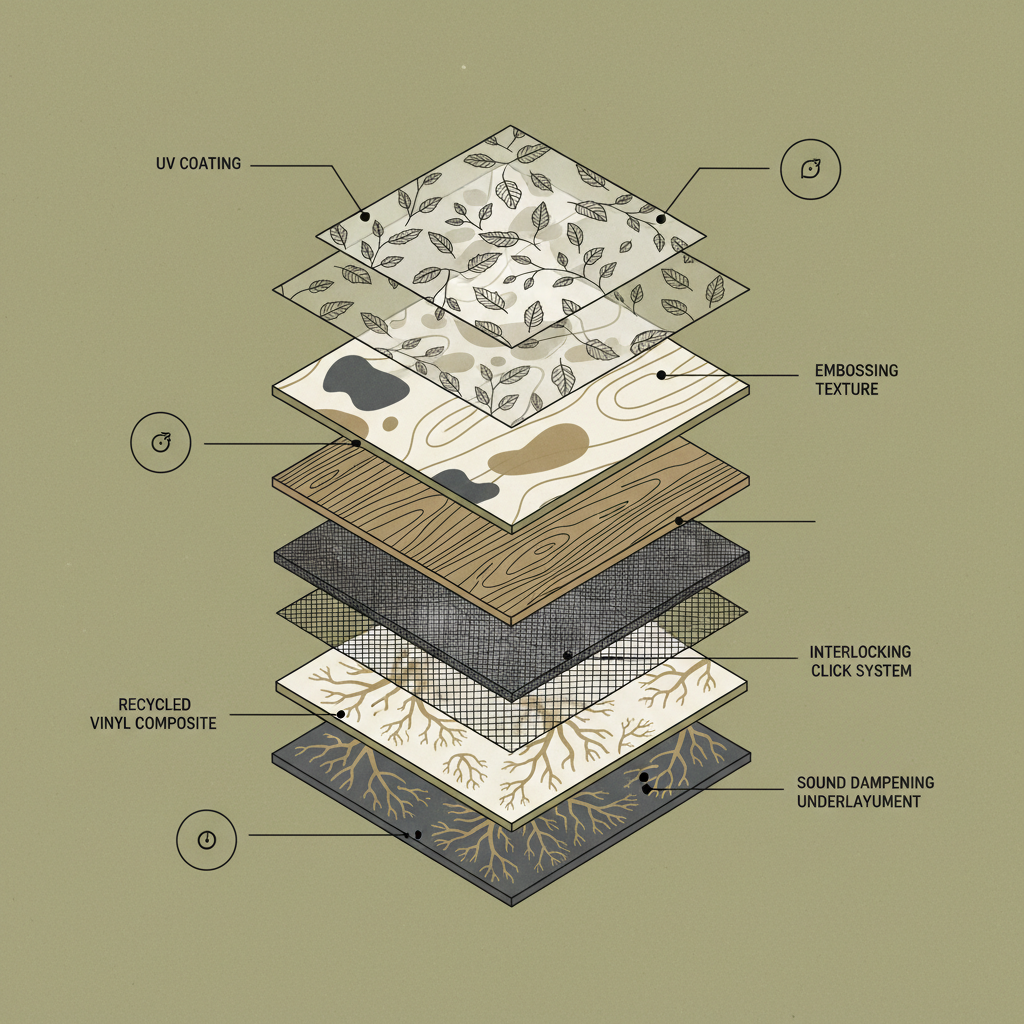
Eco vinyl flooring, at its core, is a type of resilient flooring made from a blend of recycled materials, stabilizers, and plasticizers, designed as a more sustainable alternative to traditional vinyl flooring. Unlike conventional vinyl which often relies heavily on virgin PVC and potentially harmful phthalates, eco vinyl prioritizes the use of renewable resources and non-toxic components.
This often includes a high percentage of recycled content – such as post-industrial or post-consumer vinyl – along with bio-based plasticizers derived from sources like soybean oil or cornstarch. The precise composition can vary between manufacturers, but the common thread is a commitment to reducing environmental impact and improving indoor air quality.
The Growing Global Demand for eco vinyl flooring
The demand for eco vinyl flooring is experiencing substantial growth worldwide, fueled by increased consumer awareness of sustainability and health concerns. This trend is particularly strong in regions with stringent building codes and a focus on green building practices, such as Europe and North America. According to recent industry reports, the global resilient flooring market is projected to reach \$XX billion by 2028, with eco vinyl representing a significant and expanding segment.
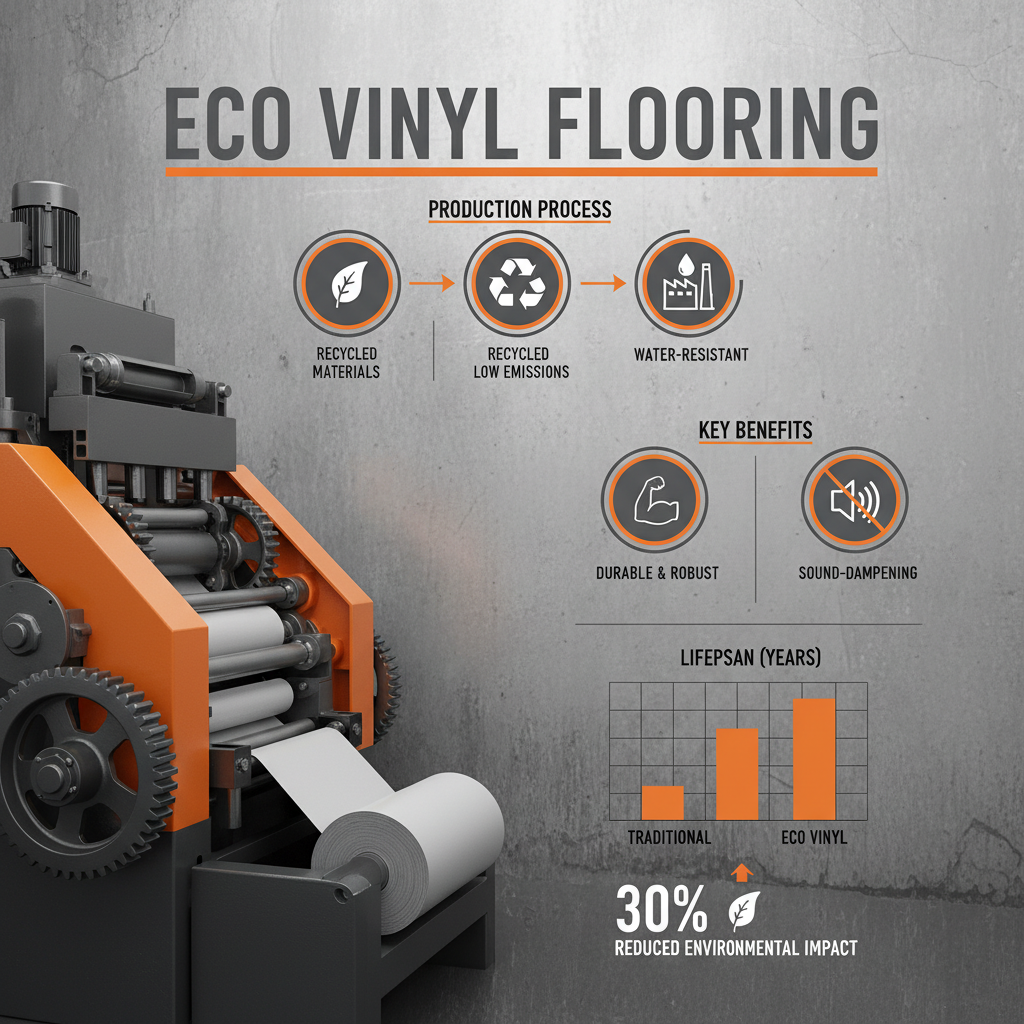
This rise in demand is also driven by the versatility of eco vinyl flooring, which can be used in a wide range of applications, from residential homes and apartments to commercial spaces like offices, schools, and healthcare facilities. Its water resistance, durability, and ease of maintenance make it a practical and attractive choice for diverse environments.
Furthermore, governmental incentives and certifications like LEED (Leadership in Energy and Environmental Design) are playing a key role in promoting the adoption of eco-friendly building materials, including eco vinyl flooring, across various sectors. This creates a positive feedback loop, driving innovation and further reducing the environmental impact of the flooring industry.
Key Characteristics of High-Quality eco vinyl flooring
High-quality eco vinyl flooring distinguishes itself through several key characteristics. Foremost is its composition, boasting a significant percentage of recycled content—often exceeding 75%—and employing bio-based plasticizers instead of harmful phthalates. This reduces reliance on virgin materials and minimizes the release of volatile organic compounds (VOCs), contributing to better indoor air quality.
Durability is another defining trait. Premium eco vinyl flooring exhibits excellent resistance to scratches, dents, and stains, ensuring a long lifespan with minimal maintenance. Thickness also matters; thicker layers generally offer better comfort underfoot and improved sound insulation. Look for flooring with a wear layer of at least 12 mils for residential use and 20 mils or higher for commercial applications.
Finally, credible certifications, such as FloorScore® and GreenGuard Gold, validate a product’s low VOC emissions and overall environmental performance. These certifications provide assurance that the flooring meets stringent standards for indoor air quality and sustainability, offering peace of mind for both consumers and building professionals.
Performance Metrics of Different eco vinyl flooring Types
Different types of eco vinyl flooring offer varying performance characteristics. Luxury Vinyl Tile (LVT) and Luxury Vinyl Plank (LVP) are popular choices, known for their realistic wood or stone appearance and excellent durability. Sheet vinyl, while typically less expensive, can offer seamless installation and good water resistance. Each option has unique strengths and weaknesses based on construction and materials.
The following chart provides a comparative overview of key performance metrics across these common eco vinyl flooring types, rated on a scale of 1-10 (10 being the highest).
Comparison of eco vinyl flooring Performance Metrics
Applications of eco vinyl flooring Across Industries
The versatility of eco vinyl flooring makes it suitable for a broad spectrum of applications. In residential settings, it’s a popular choice for kitchens, bathrooms, and living areas due to its water resistance and ease of cleaning. Commercial applications span healthcare facilities, retail stores, schools, and offices, where durability and low maintenance are paramount.
The healthcare sector benefits from its hygienic properties, ease of sterilization, and ability to reduce noise levels. Educational institutions appreciate its resilience to heavy foot traffic and its contribution to a healthier learning environment. The retail industry utilizes it to create visually appealing and durable spaces that enhance the customer experience.
Long-Term Benefits and Cost Analysis of eco vinyl flooring
Investing in eco vinyl flooring delivers a range of long-term benefits beyond initial cost savings. Its exceptional durability translates to reduced replacement frequency, lowering lifecycle costs. The low maintenance requirements – typically just sweeping and occasional damp mopping – minimize cleaning expenses. Furthermore, the enhanced indoor air quality contributes to improved occupant health and productivity.
While the upfront cost of some eco vinyl flooring options may be slightly higher than traditional vinyl, the long-term value proposition is compelling. Reduced environmental impact aligns with corporate sustainability goals and enhances brand reputation. The combination of durability, low maintenance, and environmental benefits makes eco vinyl flooring a financially and ethically sound investment.
Moreover, the increasing demand and growing market share of eco vinyl flooring are expected to drive down prices over time, making it an even more accessible and attractive option for a wider range of consumers and businesses.
Innovations and Future Trends in eco vinyl flooring Technology
The field of eco vinyl flooring is constantly evolving, with ongoing innovations focused on enhancing sustainability, performance, and design. Researchers are exploring new bio-based plasticizers and recycled content sources to further reduce the environmental footprint of these materials. Developments in manufacturing processes are also aiming to minimize waste and energy consumption.
One exciting trend is the integration of digital printing technology, enabling the creation of highly realistic and customized designs. This allows for greater design flexibility and the ability to mimic natural materials with unprecedented accuracy. Advances in wear layer technology are also extending the lifespan of eco vinyl flooring, further reducing the need for replacements.
Looking ahead, we can anticipate the emergence of even more sustainable and high-performing eco vinyl flooring options, driven by consumer demand and the ongoing pursuit of environmentally responsible building materials.
Summary of Challenges and Solutions in eco vinyl flooring Production and Implementation
| Challenge |
Impact on eco vinyl flooring |
Proposed Solution |
Implementation Timeline |
| Sourcing of Sustainable Raw Materials |
Limited availability of consistently high-quality recycled vinyl. |
Invest in advanced recycling technologies and establish closed-loop systems. |
Short-term (1-2 years) – pilot programs; Long-term (5+ years) – widespread adoption. |
| Bio-Based Plasticizer Cost |
Higher cost compared to traditional phthalates. |
Government subsidies and incentives for bio-based materials. |
Medium-term (2-3 years) – policy implementation; Ongoing – market adjustments. |
| VOC Emission Control |
Ensuring consistently low VOC emissions during manufacturing. |
Implement rigorous quality control measures and utilize advanced emission control technologies. |
Immediate – continuous monitoring and improvement. |
| End-of-Life Management |
Lack of widespread recycling infrastructure for vinyl flooring. |
Develop comprehensive take-back programs and invest in vinyl recycling facilities. |
Medium-term (3-5 years) – infrastructure development. |
| Consumer Awareness |
Limited consumer understanding of the benefits of eco vinyl flooring. |
Launch targeted marketing campaigns and educational initiatives. |
Ongoing – sustained awareness efforts. |
| Maintaining Performance Standards |
Balancing sustainability with durability and aesthetic appeal. |
Continuous research and development to optimize material formulations and manufacturing processes. |
Ongoing – iterative improvement and innovation. |
FAQS
Eco vinyl flooring differs significantly from traditional vinyl in its composition and environmental impact. Traditional vinyl often contains harmful phthalates as plasticizers and relies heavily on virgin PVC. Eco vinyl, on the other hand, utilizes bio-based plasticizers, such as those derived from soybean oil, and incorporates a substantial percentage of recycled content, reducing its reliance on fossil fuels and minimizing the release of volatile organic compounds (VOCs). This results in a healthier indoor environment and a lower carbon footprint.
Eco vinyl flooring is highly water-resistant, making it a suitable choice for moisture-prone areas like kitchens and bathrooms. However, it's important to differentiate between “water-resistant” and “waterproof.” While most eco vinyl flooring can withstand spills and splashes, prolonged exposure to standing water can potentially seep into the seams. Proper installation and regular maintenance are crucial to ensure optimal water resistance and prevent damage.
The cost of eco vinyl flooring can vary depending on the type, quality, and installation complexity. Generally, it falls within a similar price range as traditional vinyl flooring, but may be slightly higher for premium options with higher recycled content or advanced features. However, when considering the long-term benefits – such as durability, low maintenance, and reduced environmental impact – eco vinyl flooring often offers a more cost-effective solution over its lifespan.
When selecting eco vinyl flooring, prioritize products with reputable certifications that validate their environmental performance and indoor air quality. Key certifications to look for include FloorScore® (for low VOC emissions), GreenGuard Gold (for stringent chemical emission standards), and certifications from organizations like the Cradle to Cradle Products Innovation Institute. These certifications provide assurance that the flooring meets rigorous standards for sustainability and health.
Maintaining eco vinyl flooring is relatively straightforward. Regular sweeping or vacuuming will remove loose dirt and debris. For more thorough cleaning, use a damp mop with a pH-neutral cleaner specifically designed for vinyl flooring. Avoid abrasive cleaners, scouring pads, and excessive water, as these can damage the surface. Periodic polishing with a vinyl floor polish can help restore shine and protect the flooring.
The recyclability of eco vinyl flooring is an evolving area. While traditional vinyl recycling infrastructure is limited, there’s growing interest in developing closed-loop systems for eco vinyl. Some manufacturers offer take-back programs to facilitate recycling. However, it’s important to check with local recycling facilities to determine if they accept vinyl flooring for recycling. Advancements in recycling technologies are expected to improve the recyclability of eco vinyl flooring in the future.
Conclusion
In conclusion, eco vinyl flooring represents a significant step forward in the flooring industry, providing a compelling combination of sustainability, durability, and cost-effectiveness. Its ability to reduce environmental impact, improve indoor air quality, and offer long-term performance makes it an increasingly attractive choice for both residential and commercial applications. Understanding its composition, benefits, and proper maintenance is crucial for making informed decisions.
Looking ahead, continued innovation and investment in recycling infrastructure will further enhance the sustainability of eco vinyl flooring. As consumer awareness grows and demand for environmentally responsible products increases, eco vinyl flooring is poised to become a dominant force in the flooring market, contributing to a healthier and more sustainable built environment. Visit our website at eco vinyl flooring to explore our range of eco-friendly flooring solutions.