Vinyl composite flooring (VCF) represents a significant advancement in the construction and interior design industries, offering a versatile and durable surface solution. Its growing global adoption reflects increasing demands for cost-effective, resilient, and aesthetically pleasing flooring options. From residential homes to large-scale commercial spaces, VCF is rapidly becoming a preferred choice, driven by its ease of installation and maintenance, making it a cornerstone of modern building practices.
The relevance of vinyl composite flooring extends beyond mere aesthetics. In an era focused on sustainable building materials and reducing environmental impact, VCF presents a viable alternative to traditional materials like hardwood or tile. Global markets are seeing increased demand for resilient flooring, especially in regions prone to moisture or high traffic. According to industry reports, the global vinyl flooring market is projected to reach substantial growth in the coming years, underscoring its importance in the building materials landscape.
Addressing the challenges of fluctuating material costs and the need for durable solutions, vinyl composite flooring offers a compelling alternative. Its robust nature and resistance to wear and tear translate to long-term cost savings for both residential and commercial property owners. The adaptability of VCF, available in a wide range of styles and patterns, further solidifies its position as a key material in contemporary construction and renovation projects.
Introduction to Vinyl Composite Flooring
Vinyl composite flooring stands out as a versatile material, providing a blend of aesthetic appeal, durability, and cost-effectiveness. Its composition, typically a combination of polyvinyl chloride (PVC) resin, plasticizers, and stabilizers, allows for a wide range of design options and practical applications. This makes vinyl composite flooring a popular choice for both residential and commercial projects, addressing diverse needs from home renovations to large-scale installations.
The widespread adoption of VCF is further fueled by its environmental benefits compared to some traditional flooring options. Manufacturing processes are continually evolving to incorporate recycled materials and reduce waste, enhancing its sustainability profile. As a result, VCF is increasingly favored by environmentally conscious consumers and builders looking to minimize their carbon footprint.
Defining Vinyl Composite Flooring
Vinyl composite flooring is an engineered flooring material constructed from a blend of polyvinyl chloride (PVC) resin, plasticizers, stabilizers, and other additives. This composite structure creates a resilient, waterproof, and durable surface ideal for various applications. Unlike traditional vinyl, VCF often incorporates multiple layers and advanced manufacturing techniques to enhance its performance characteristics.
The core purpose of VCF is to provide a long-lasting, low-maintenance flooring solution that rivals natural materials in appearance without the associated costs or upkeep. Its inherent resistance to moisture, scratches, and stains makes it particularly well-suited for high-traffic areas and environments prone to spills or humidity.
VCF plays a critical role in addressing the growing demand for affordable and sustainable building materials. It offers a practical alternative to more expensive options like hardwood or tile, making quality flooring accessible to a wider range of consumers and project budgets. This affordability, combined with its durability, positions VCF as a key component in modern construction and renovation practices.
Core Components of VCF
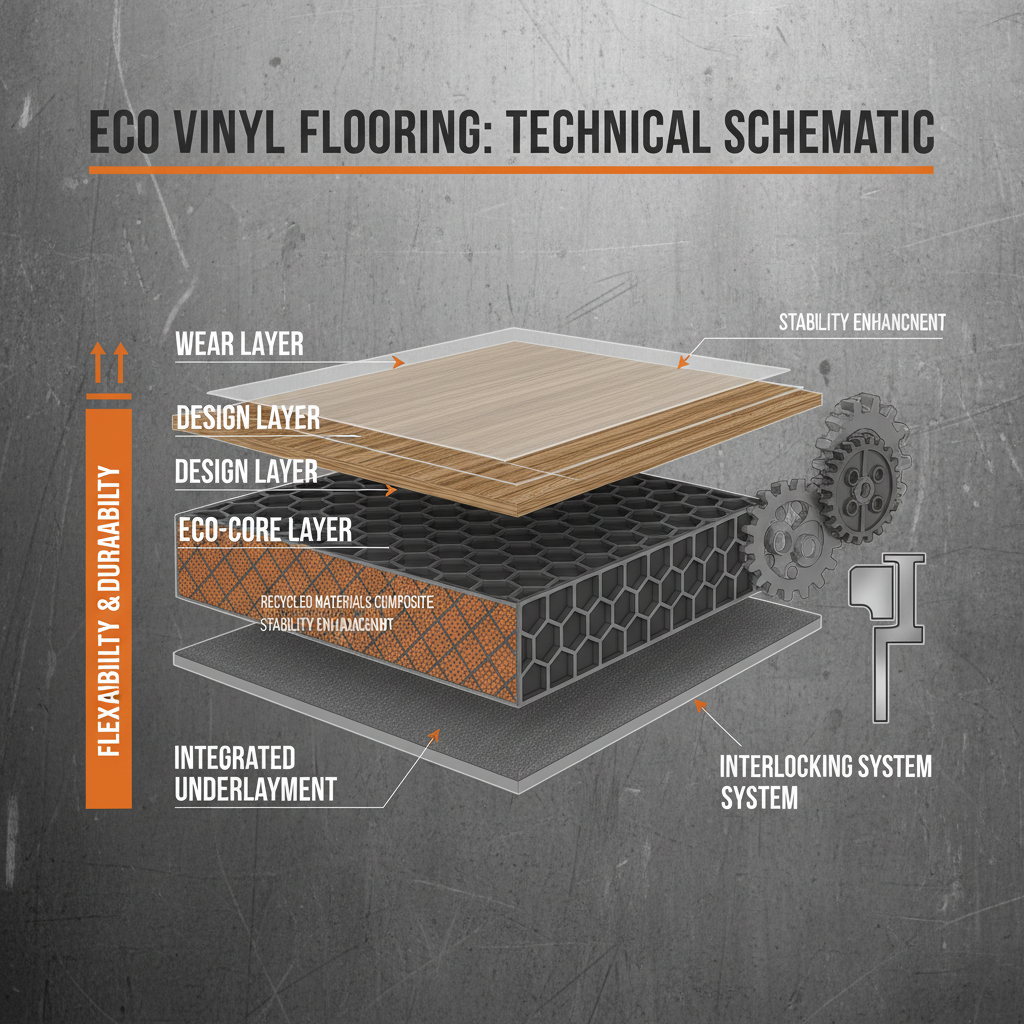
Understanding the composition of vinyl composite flooring is essential to appreciating its performance characteristics. The primary component is PVC resin, which provides the base material for durability and flexibility. Plasticizers are added to soften the PVC, making it more workable and comfortable underfoot. Stabilizers protect the PVC from degradation caused by heat and UV exposure.
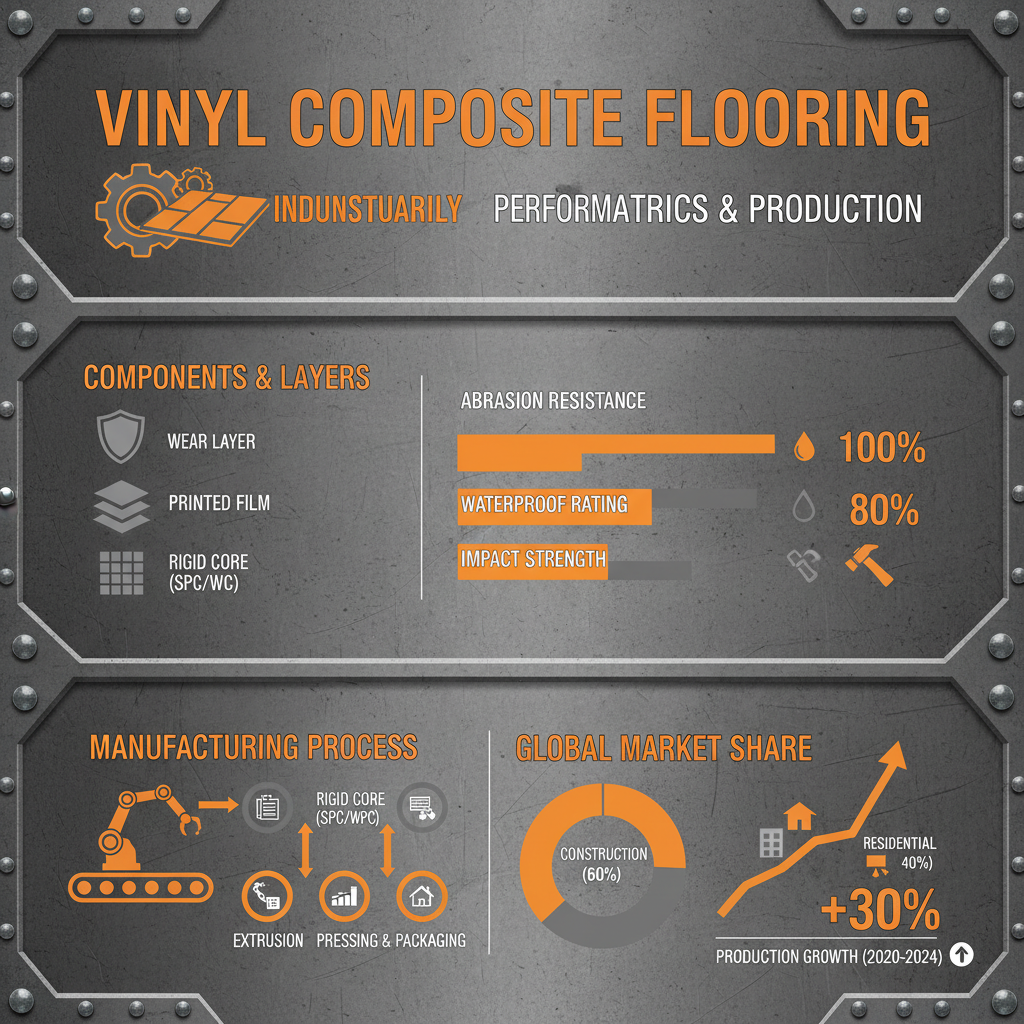
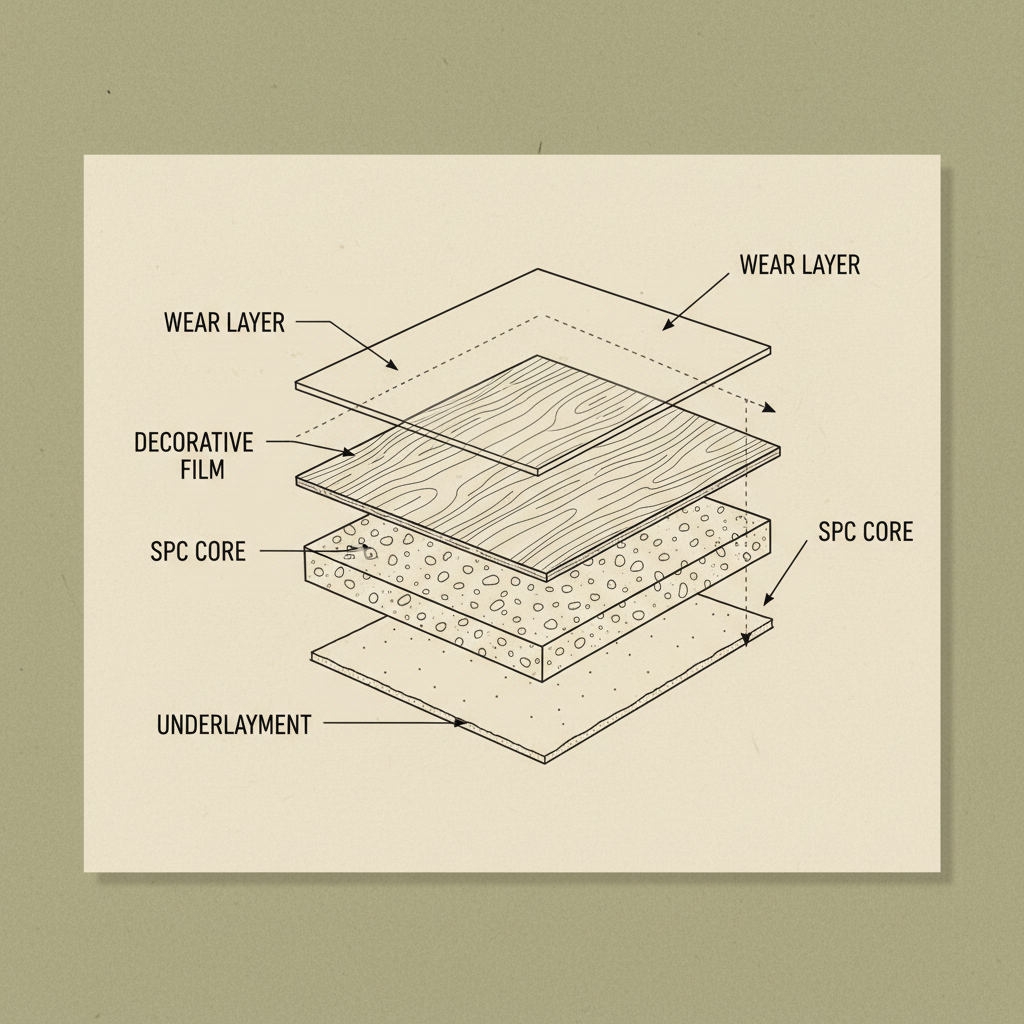
Further refining the characteristics of VCF, wear layers are crucial. These transparent protective coatings shield the surface from scratches, scuffs, and stains. The thickness of the wear layer directly correlates with the flooring’s durability and expected lifespan. Additionally, many VCF products incorporate backing layers for added cushioning, sound absorption, and moisture resistance.
The specific formulations and layering techniques vary among manufacturers, impacting the final product’s performance and aesthetics. High-quality vinyl composite flooring typically features thicker wear layers, advanced backing materials, and rigorous quality control processes, ensuring long-term reliability and visual appeal.
Key Factors Influencing VCF Performance
Several factors significantly impact the performance and longevity of vinyl composite flooring. The thickness of the wear layer is paramount, determining the floor's resistance to abrasion and staining. Higher-quality VCF products boast thicker wear layers, suited for heavy-traffic areas.
The density and composition of the core layer also play a vital role. A denser core provides greater stability and prevents indentation from furniture or heavy objects. The backing layer adds cushioning, sound insulation, and moisture resistance, enhancing overall comfort and preventing subfloor damage.
Vinyl Composite Flooring Performance Metrics
Global Applications of Vinyl Composite Flooring
Vinyl composite flooring finds extensive application across a diverse range of sectors worldwide. In residential settings, it is widely used in kitchens, bathrooms, living rooms, and bedrooms due to its water resistance, durability, and aesthetic versatility. Commercial spaces, such as hospitals, schools, and retail stores, benefit from its ability to withstand high traffic and maintain a clean, hygienic environment.
In regions prone to natural disasters, vinyl composite flooring is increasingly utilized in temporary housing and disaster relief efforts due to its ease of installation and water resistance. Furthermore, its adaptability makes it suitable for use in industrial environments, providing a durable and safe flooring solution for manufacturing plants and warehouses.
Advantages and Long-Term Value of VCF
The advantages of vinyl composite flooring are numerous, contributing to its long-term value. Cost-effectiveness is a significant benefit; VCF is typically less expensive than traditional materials like hardwood or tile, making it accessible to a broader range of budgets. Its durability and resistance to wear and tear translate to reduced replacement costs over time.
From a sustainability perspective, VCF often incorporates recycled content and reduces reliance on natural resources. Installation is straightforward, minimizing labor costs and project timelines. Emotionally, VCF provides peace of mind knowing that you have chosen a robust, long-lasting, and easy-to-maintain flooring solution that enhances the value of your property.
The reliability of VCF contributes to trust and confidence among homeowners and businesses alike. It's a practical choice, promoting safety through slip-resistant surfaces and contributing to a clean, healthy indoor environment. Its enduring aesthetic appeal ensures long-term satisfaction and enhances the overall quality of living and working spaces.
Future Trends and Innovations in VCF
The future of vinyl composite flooring is poised for continued innovation, driven by advancements in materials science and manufacturing technologies. Increasing emphasis on sustainability is leading to the development of VCF products with higher recycled content and reduced VOC emissions. Digital printing technologies are enabling more realistic and intricate designs, blurring the lines between VCF and natural materials.
Automation in manufacturing processes is improving efficiency and reducing production costs, making VCF even more affordable. The integration of smart technologies, such as antimicrobial coatings and embedded sensors, is enhancing functionality and hygiene. These innovations will solidify VCF's position as a leading flooring solution for decades to come.
Research into bio-based plasticizers is also underway, aimed at reducing reliance on fossil fuels and creating more environmentally friendly VCF formulations. The convergence of these trends signifies a commitment to sustainability, innovation, and enhanced performance within the vinyl composite flooring industry.
FAQS
Vinyl composite flooring generally offers superior water resistance compared to laminate, making it a better choice for kitchens, bathrooms, and basements. It’s also typically softer underfoot and quieter, providing more comfort. While laminate can mimic wood grain effectively, VCF offers a wider range of design options, including realistic stone and tile looks. Durability is also a key factor, with VCF often exhibiting greater resistance to scratches and dents.
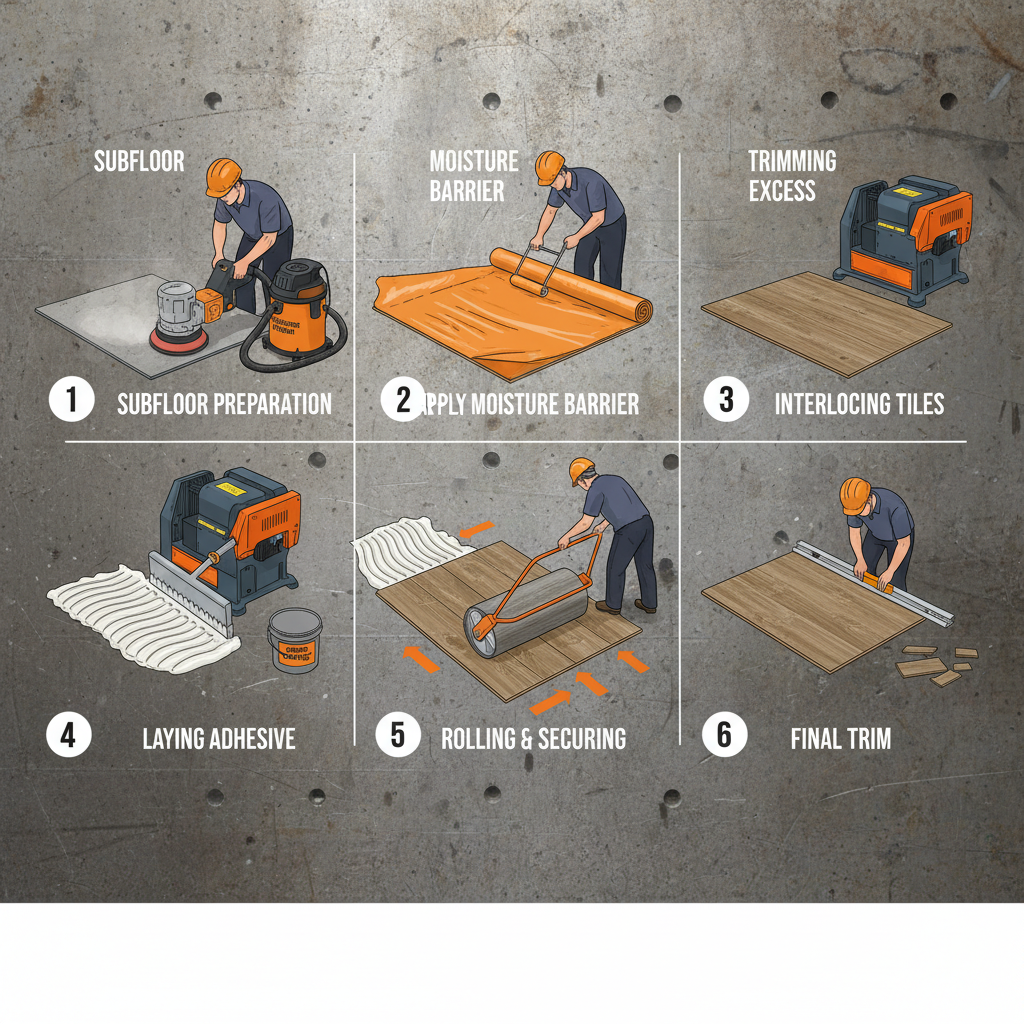
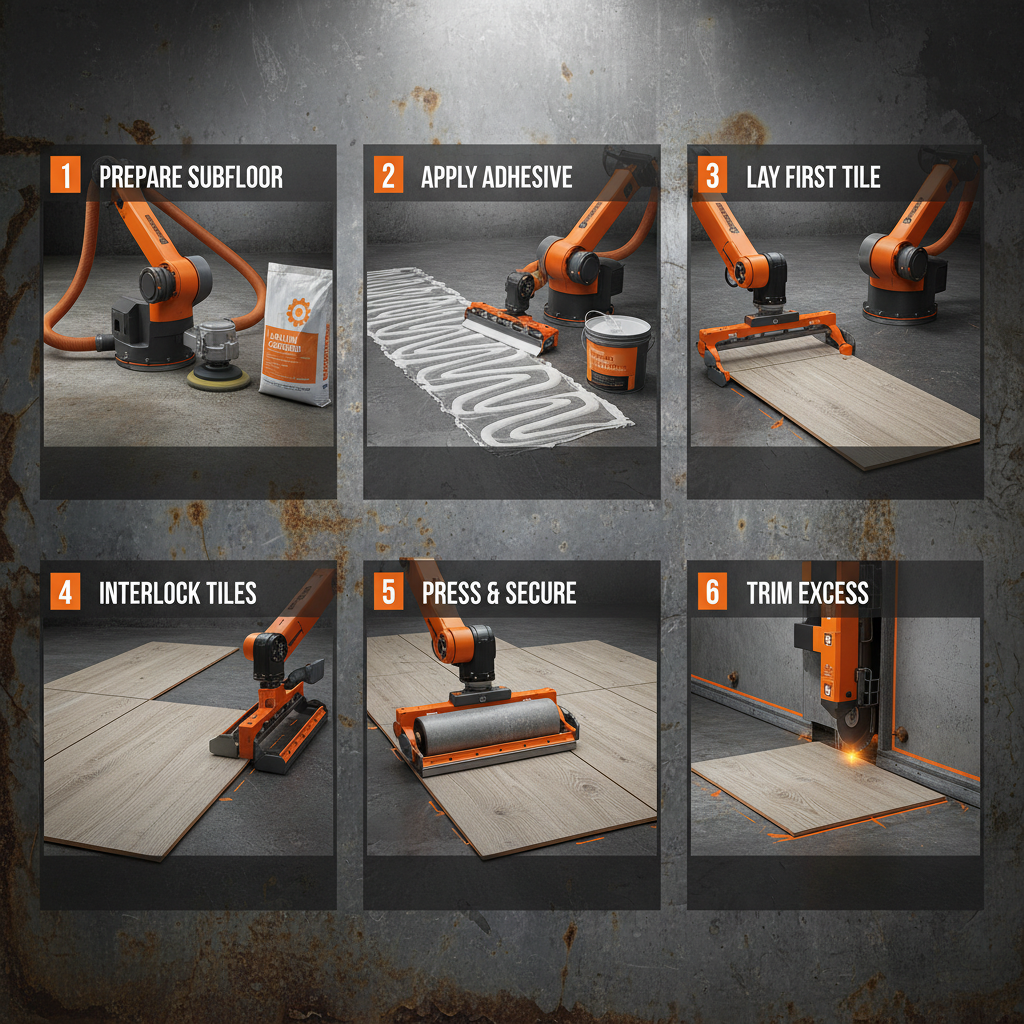
Many vinyl composite flooring products are designed for easy DIY installation, particularly those with click-lock systems. These systems allow the planks or tiles to simply snap together without the need for adhesives. However, proper subfloor preparation is crucial for a successful installation. If you're not comfortable with precise cutting and leveling, professional installation is recommended to ensure a long-lasting and aesthetically pleasing result.
VCF’s sustainability depends on the specific product. Many manufacturers are now incorporating recycled content into their VCF products, reducing the demand for virgin materials. Look for certifications like FloorScore, which indicates low VOC emissions, contributing to better indoor air quality. While PVC production does have environmental considerations, advancements in manufacturing are minimizing its impact, and VCF offers a longer lifespan than some other flooring options, reducing the need for frequent replacements.
The lifespan of vinyl composite flooring varies depending on the quality of the product and the amount of traffic it receives. Generally, residential VCF can last between 10 and 20 years, while commercial-grade VCF can last even longer with proper maintenance. Factors like wear layer thickness, core density, and the quality of installation significantly influence longevity. Regular cleaning and avoiding abrasive materials will help extend its lifespan.
Maintaining vinyl composite flooring is relatively simple. Regular sweeping or vacuuming to remove dirt and debris is essential. For deeper cleaning, use a damp mop with a mild detergent specifically designed for vinyl flooring. Avoid abrasive cleaners, scouring pads, and harsh chemicals, as these can damage the surface. Protect furniture legs with felt pads to prevent scratches, and avoid prolonged exposure to direct sunlight to prevent fading.
Many vinyl composite flooring products are compatible with underfloor heating systems, but it's crucial to check the manufacturer's specifications before installation. The flooring must be able to withstand the temperature fluctuations without warping or releasing harmful VOCs. Typically, VCF with a lower thermal resistance is best suited for underfloor heating, ensuring efficient heat transfer and optimal comfort.
Conclusion
In summary, vinyl composite flooring represents a compelling solution for modern flooring needs. Its blend of durability, affordability, aesthetic versatility, and increasingly sustainable production methods make it a favored choice for residential and commercial applications. From its robust core components to its ease of installation and maintenance, VCF offers a practical and long-lasting flooring option for diverse environments.
Looking ahead, continued innovation in materials science and manufacturing processes promises even more advanced and environmentally friendly VCF products. By embracing these advancements and prioritizing quality installations, consumers and builders can unlock the full potential of vinyl composite flooring, creating beautiful, durable, and sustainable spaces for years to come. Visit our website at www.enliosport.com to explore our extensive range of vinyl composite flooring options.