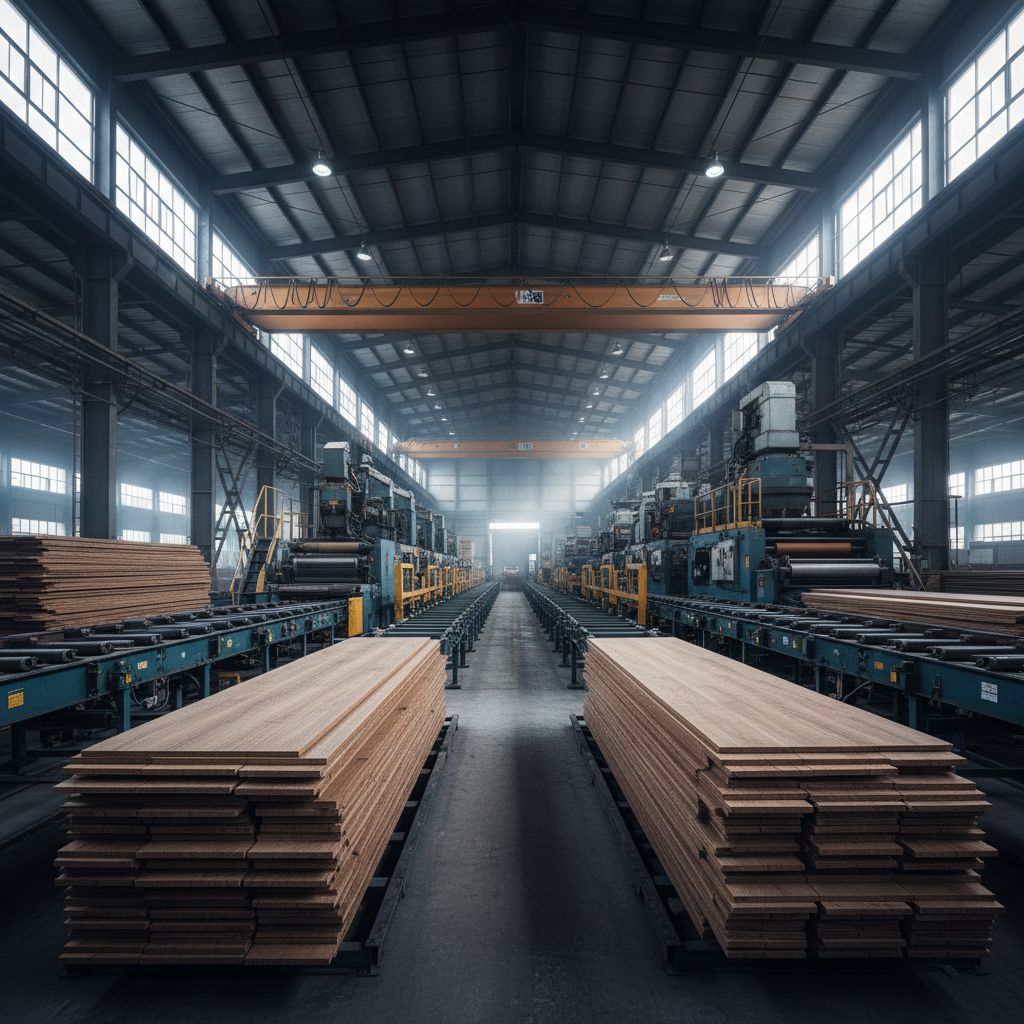
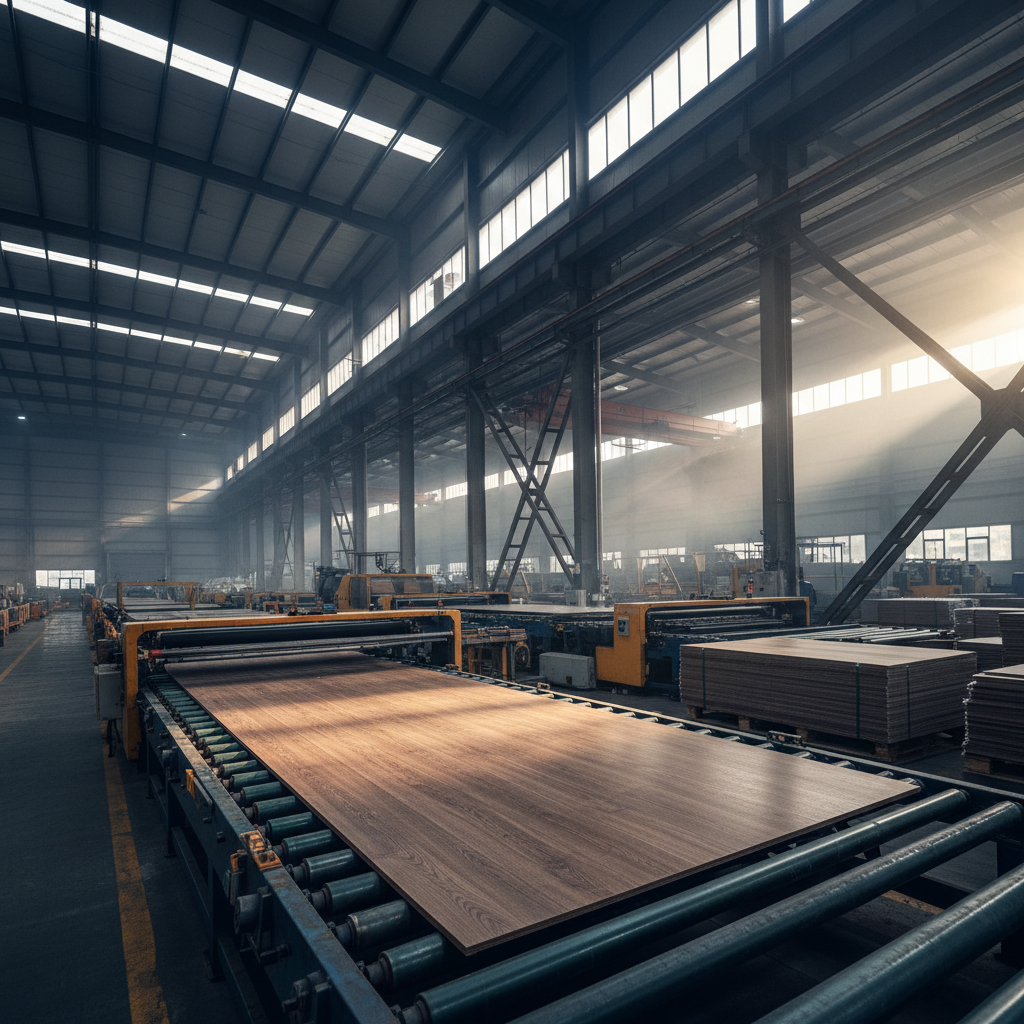
Vinyl and laminate flooring have become globally significant materials in the construction and interior design industries, offering durable, cost-effective, and aesthetically versatile solutions for a wide range of applications. From residential homes to commercial spaces, and even increasingly in specialized areas like healthcare and education, these flooring options are reshaping how we build and live. Understanding the nuances of vinyl and laminate flooring is vital for architects, designers, contractors, and homeowners alike, enabling informed decisions that balance performance, budget, and style.
The demand for vinyl and laminate flooring is driven by several factors, including rapid urbanization, increased disposable incomes, and a growing preference for easy-to-maintain and visually appealing flooring solutions. According to recent market analyses, the global flooring market is projected to reach substantial growth in the coming years, with vinyl and laminate flooring representing a significant share of this expansion. Addressing the challenge of providing affordable and durable flooring, particularly in developing countries and post-disaster reconstruction efforts, makes understanding these materials crucial.
Furthermore, advancements in manufacturing technology and material science are constantly improving the quality, realism, and sustainability of vinyl and laminate flooring, contributing to their increasing popularity and opening up new possibilities for innovative design applications. This makes staying informed about the latest developments in these areas essential for professionals and consumers alike.
Introduction to vinyl and laminate flooring
Vinyl and laminate flooring have revolutionized the flooring industry, providing alternatives to traditional materials like hardwood, tile, and stone. They offer a unique blend of affordability, durability, and aesthetic appeal, making them ideal choices for both residential and commercial properties. The increasing adoption of these materials is testament to their versatility and adaptability to diverse design preferences.
Essentially, these flooring types represent a significant advancement in material science, offering practical solutions for modern construction needs. Their ease of installation, low maintenance requirements, and resistance to wear and tear have made them immensely popular among homeowners and building professionals.
Defining Vinyl and Laminate
Vinyl flooring is a synthetic material made from polyvinyl chloride (PVC), a versatile plastic. It comes in various forms, including sheet vinyl, vinyl tiles, and luxury vinyl planks (LVP). Vinyl is known for its waterproof qualities, making it suitable for kitchens, bathrooms, and other moisture-prone areas. It's often used as a cost-effective alternative to materials like tile or stone, while offering a wide range of design options.
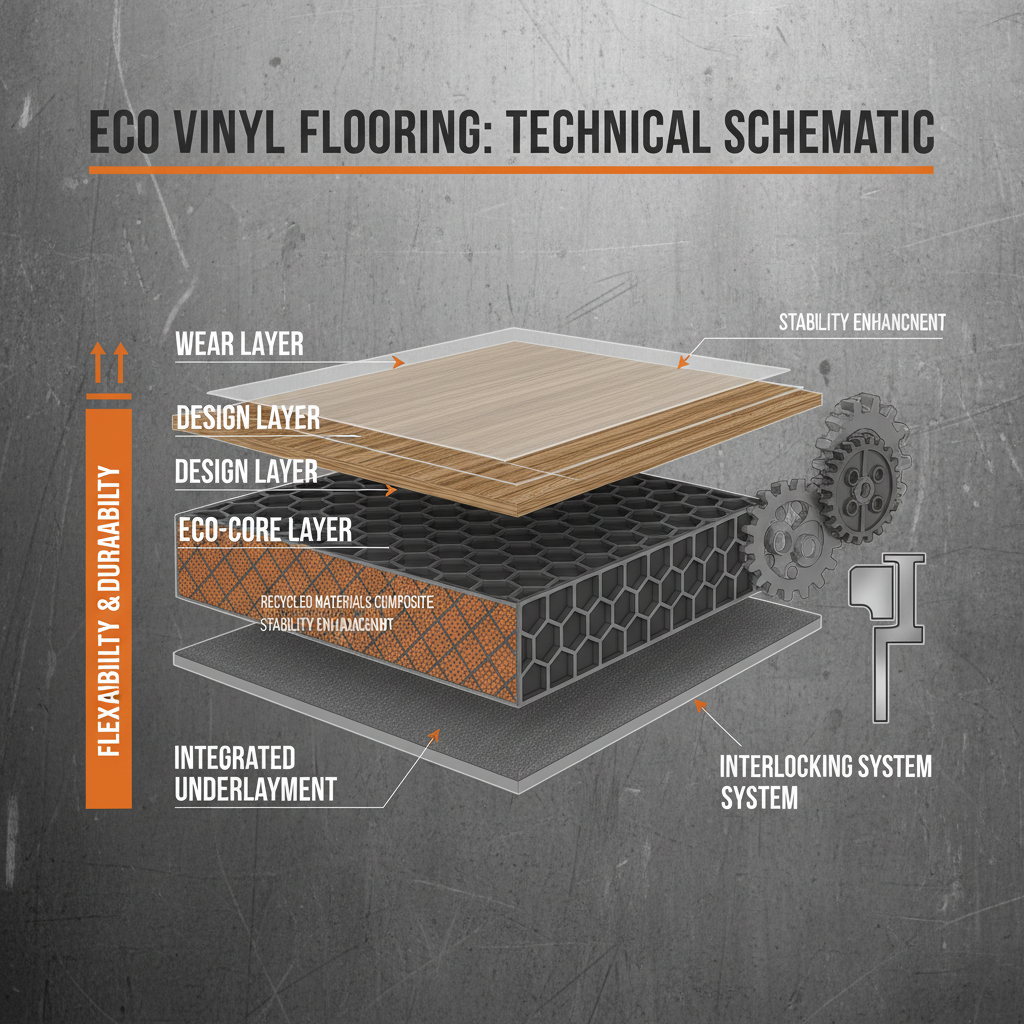
Laminate flooring, on the other hand, is a multi-layer synthetic flooring product fused together with a lamination process. It typically consists of a core layer of high-density fiberboard (HDF) or medium-density fiberboard (MDF), topped with a decorative layer that mimics the look of wood, stone, or tile, and covered with a transparent wear layer. Laminate flooring provides a realistic aesthetic at a lower price point than natural materials.
Both vinyl and laminate flooring play an integral role in modern construction by offering affordable and resilient flooring solutions, bridging the gap between aesthetic appeal and practical functionality in both residential and commercial settings.
Key Characteristics of vinyl and laminate flooring
One defining characteristic of both vinyl and laminate flooring is their installation ease. Many options feature click-lock systems, allowing for a floating floor installation that doesn't require adhesives. This makes them popular choices for DIY projects and quick renovations.
Beyond installation, these flooring types excel in durability. Vinyl is highly resistant to scratches, dents, and water damage, while laminate boasts a tough wear layer that protects against everyday wear and tear. This resilience makes them well-suited for high-traffic areas and busy households.
Aesthetically, both vinyl and laminate offer a remarkable range of designs. Advanced printing technologies allow manufacturers to replicate the look of natural materials with incredible accuracy, providing homeowners with a wide array of styles and colors to choose from, without the high cost of hardwood or natural stone.
The Durability Factor in vinyl and laminate flooring
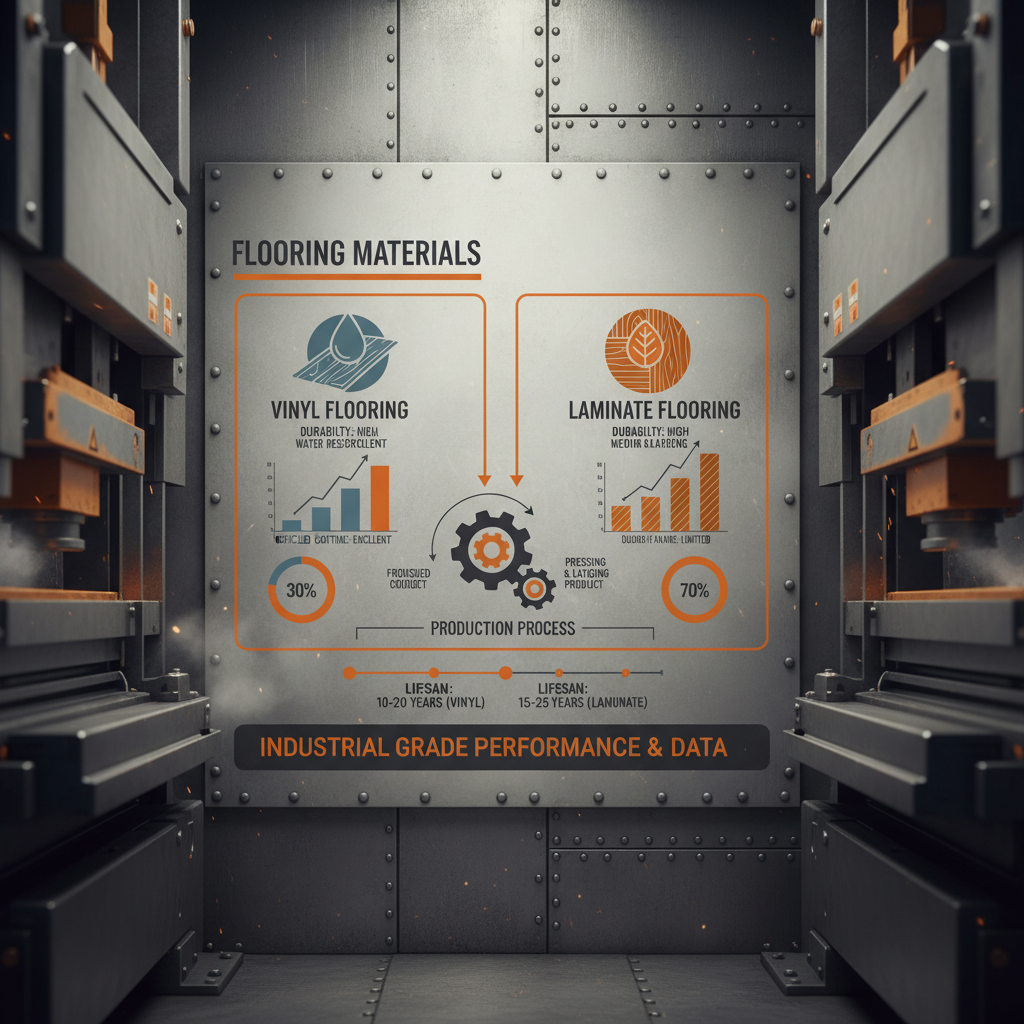
The durability of vinyl and laminate flooring stems from their construction and the materials used. Vinyl's waterproof nature significantly extends its lifespan, particularly in moisture-prone areas. Its flexibility also contributes to its resistance to cracking and chipping.
Laminate's durability is dependent on the quality of its wear layer, which determines its resistance to scratches, fading, and stains. Higher-rated wear layers (AC rating) indicate increased durability and suitability for high-traffic areas.
Durability Comparison of vinyl and laminate flooring Installation Methods
Global Applications of vinyl and laminate flooring
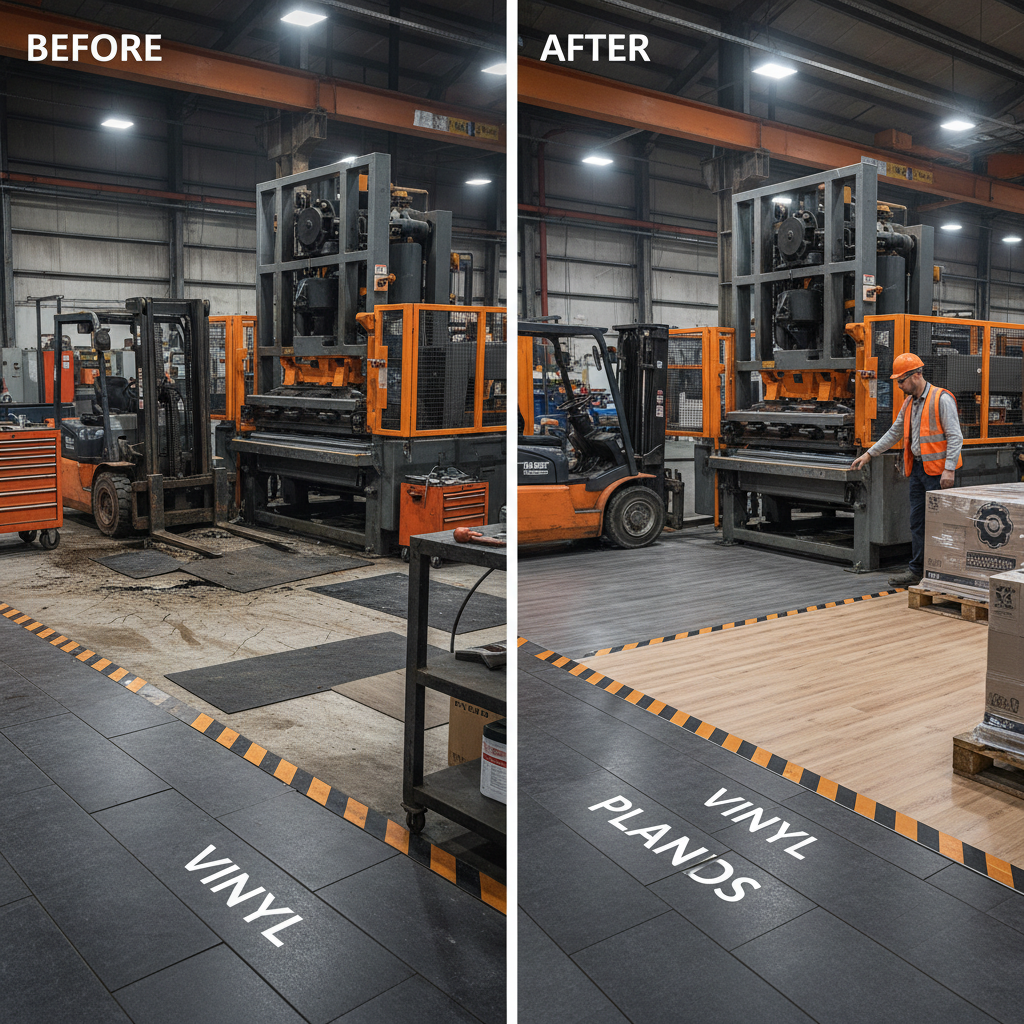
Vinyl and laminate flooring are widely used across various sectors globally. In residential construction, they are popular choices for living rooms, bedrooms, kitchens, and bathrooms, providing both style and practicality. In commercial settings, they’re frequently found in retail stores, offices, healthcare facilities, and educational institutions due to their durability and ease of maintenance.
In post-disaster relief operations, vinyl flooring offers a quick and hygienic flooring solution for temporary shelters and reconstruction efforts. Its waterproof properties and easy installation make it ideal for addressing immediate housing needs in challenging environments. Furthermore, in remote industrial zones, where durability and low maintenance are paramount, vinyl and laminate flooring provide a cost-effective and practical alternative to traditional materials.
Advantages and Value of vinyl and laminate flooring
The advantages of choosing vinyl and laminate flooring are numerous. Cost-effectiveness is a primary benefit, as these materials are generally more affordable than hardwood, tile, or stone. They also offer excellent value in terms of durability and longevity, requiring minimal maintenance and resisting wear and tear.
From a sustainability perspective, many manufacturers are now producing vinyl and laminate flooring from recycled materials and utilizing environmentally friendly manufacturing processes. The emotional benefits include the ability to create a comfortable and aesthetically pleasing living or working space, while the logical benefits are rooted in practicality, cost savings, and long-term reliability.
Furthermore, the ease of installation offered by many vinyl and laminate options empowers homeowners and contractors to complete projects quickly and efficiently, reducing labor costs and project timelines.
Future Trends in vinyl and laminate flooring
The future of vinyl and laminate flooring is focused on innovation and sustainability. We are seeing a growing trend towards more realistic textures and designs, with manufacturers utilizing advanced imaging technologies to create flooring that closely mimics the look of natural materials.
Additionally, there's a strong emphasis on developing more environmentally friendly products, including those made from recycled materials and bio-based polymers. Digital printing technology will continue to play a key role in customization, allowing for personalized flooring designs. New installation techniques, like enhanced click-lock systems and adhesive technologies, are also on the horizon, further simplifying the installation process.
Expect to see increased integration of smart technology, such as embedded sensors for monitoring floor temperature and wear, adding further value and functionality to these already versatile flooring solutions.
Analysis of Future Trends in vinyl and laminate flooring
| Trend Category |
Current Status (Rating 1-10) |
Projected Growth (Rating 1-10) |
Impact on vinyl and laminate flooring Market |
| Enhanced Realism |
8 |
9 |
High - Drives consumer preference |
| Sustainable Materials |
6 |
10 |
Very High - Responds to environmental concerns |
| Digital Printing |
7 |
8 |
Medium-High - Enables customization |
| Simplified Installation |
9 |
7 |
Medium - Reduces labor costs |
| Smart Flooring Integration |
3 |
9 |
High - Adds functional value |
| Anti-Microbial Properties |
5 |
8 |
Medium-High - Increased demand for hygiene |
FAQS
Vinyl is a 100% synthetic material, making it waterproof and more resistant to moisture. Laminate, however, uses a wood-based core, making it less water-resistant but potentially more durable against dents and scratches depending on the wear layer. Vinyl typically offers a softer feel underfoot and is a better choice for damp areas like bathrooms and kitchens, while laminate provides a more rigid and realistic wood-look surface, often at a lower initial cost. Both are versatile and widely available in diverse styles.
Both vinyl and laminate can be good choices for pet owners, but vinyl generally holds up better to scratches and moisture. Luxury vinyl plank (LVP) is particularly well-suited for homes with pets due to its robust wear layer and waterproof properties. Laminate, while still durable, can be susceptible to scratches from pet claws and damage from accidents. Consider a higher AC rating for laminate if you have active pets.
Both vinyl and laminate flooring are known for their relatively easy installation, especially click-lock systems which don’t require adhesives. Many DIY enthusiasts choose these options for their home improvement projects. However, proper subfloor preparation is crucial for both. Laminate requires a level subfloor, while vinyl can sometimes tolerate minor imperfections. For complex installations, professional installation is recommended.
The lifespan of vinyl and laminate flooring varies depending on quality, traffic, and maintenance. Vinyl flooring can last 10-20 years, with high-quality options potentially lasting longer. Laminate flooring generally lasts 10-15 years, but can be extended with proper care and a higher AC rating. Regular cleaning and avoiding excessive moisture are key to maximizing the lifespan of both materials.
Cleaning vinyl and laminate flooring is relatively simple. Regular sweeping or vacuuming to remove dirt and debris is essential. For deeper cleaning, use a damp mop with a mild detergent specifically designed for vinyl or laminate. Avoid abrasive cleaners and excessive water, as these can damage the flooring. Protective pads under furniture can also help prevent scratches and dents.
The environmental impact of vinyl and laminate flooring is a growing concern. Manufacturers are increasingly utilizing recycled content and developing more sustainable production processes. Look for certifications like FloorScore and GreenGuard, which indicate low VOC emissions. Laminate flooring can be problematic due to formaldehyde emissions, so choose options with low or no formaldehyde. Vinyl's PVC content is also an environmental consideration, but recycling initiatives are improving.
Conclusion
In conclusion, vinyl and laminate flooring offer a compelling combination of affordability, durability, versatility, and aesthetic appeal. From residential applications to large-scale commercial projects, these materials provide practical and stylish flooring solutions for a wide range of needs. Their ease of installation, low maintenance requirements, and continuous innovation make them a cornerstone of the modern flooring industry.
Looking ahead, the future of vinyl and laminate flooring will be shaped by a growing emphasis on sustainability, technological advancements, and a desire for greater customization. Exploring these developments and prioritizing environmentally responsible choices will be crucial for both manufacturers and consumers. For a wider selection of quality flooring solutions, visit our website: vinyl and laminate flooring.