Wood effect vinyl flooring has rapidly become a preferred choice for both residential and commercial spaces globally. Its ability to mimic the aesthetic appeal of natural wood, coupled with its durability and cost-effectiveness, has driven significant demand. The growing emphasis on sustainable and easily maintainable flooring solutions further fuels this trend. From homes and offices to retail spaces and healthcare facilities, wood effect vinyl flooring offers a versatile and practical solution for a wide range of applications.
The global flooring market is experiencing a shift towards vinyl products, with wood effect vinyl flooring leading the charge. According to a report by Grand View Research, the global vinyl flooring market size was valued at USD 45.48 billion in 2022 and is projected to reach USD 66.83 billion by 2030, exhibiting a CAGR of 4.9%. This growth is particularly pronounced in emerging economies where affordability and ease of installation are key drivers.
This surge in popularity directly addresses the challenges posed by the rising costs and environmental concerns associated with traditional hardwood flooring. Wood effect vinyl flooring provides a viable alternative, offering similar visual benefits without the need for deforestation or intensive maintenance, making it a responsible choice for conscious consumers and businesses alike.
The Rise of Wood Effect Vinyl Flooring
The increasing demand for wood effect vinyl flooring isn't merely a trend, but a reflection of evolving consumer preferences and practical needs. Traditional hardwood flooring, while aesthetically pleasing, often comes with significant drawbacks - high cost, susceptibility to moisture damage, and demanding maintenance requirements. Wood effect vinyl flooring directly addresses these concerns, offering a durable, water-resistant, and affordable alternative.
Furthermore, advancements in manufacturing technology have dramatically improved the realism of wood effect vinyl flooring. High-definition printing techniques and textured surfaces now accurately replicate the look and feel of natural wood, making it increasingly difficult to distinguish between the two. This technological leap, coupled with a growing awareness of sustainable building practices, positions wood effect vinyl flooring as a leading material in the modern construction industry.
Defining Wood Effect Vinyl Flooring
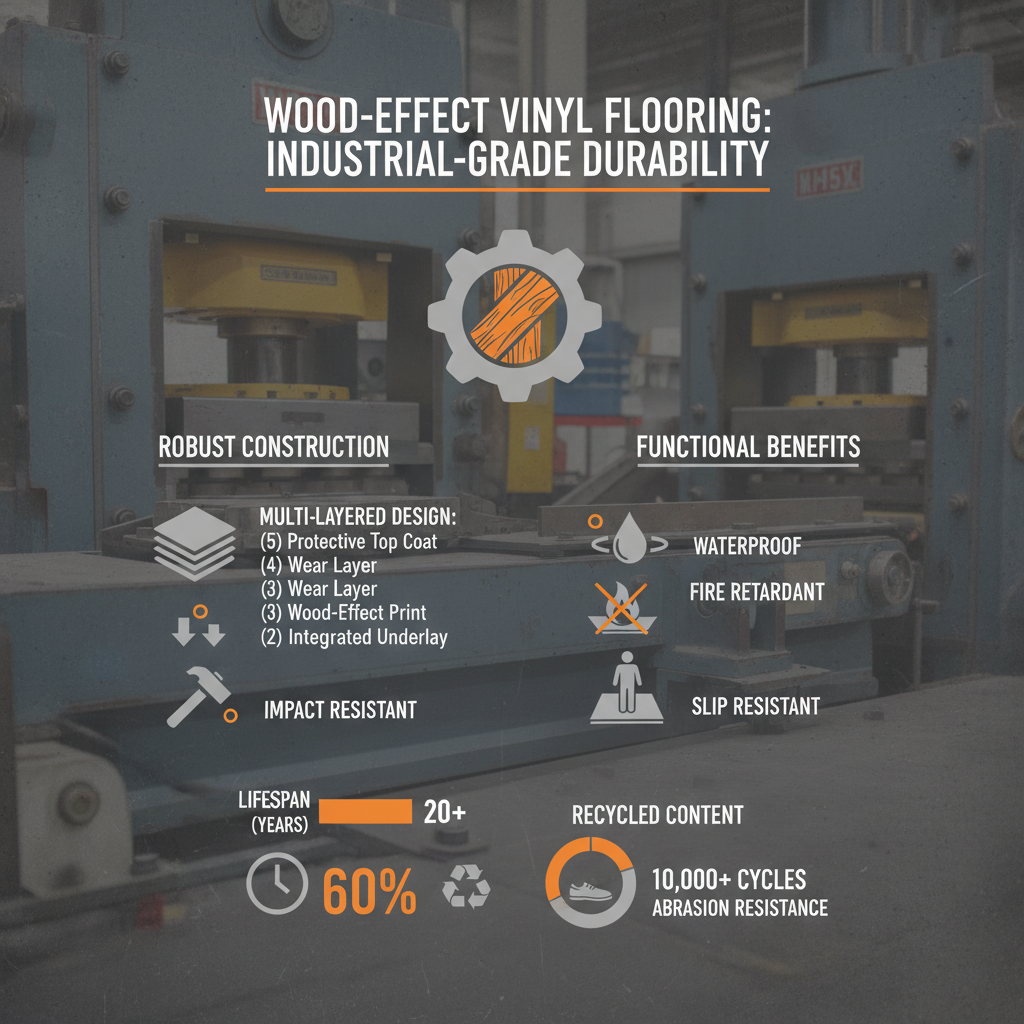
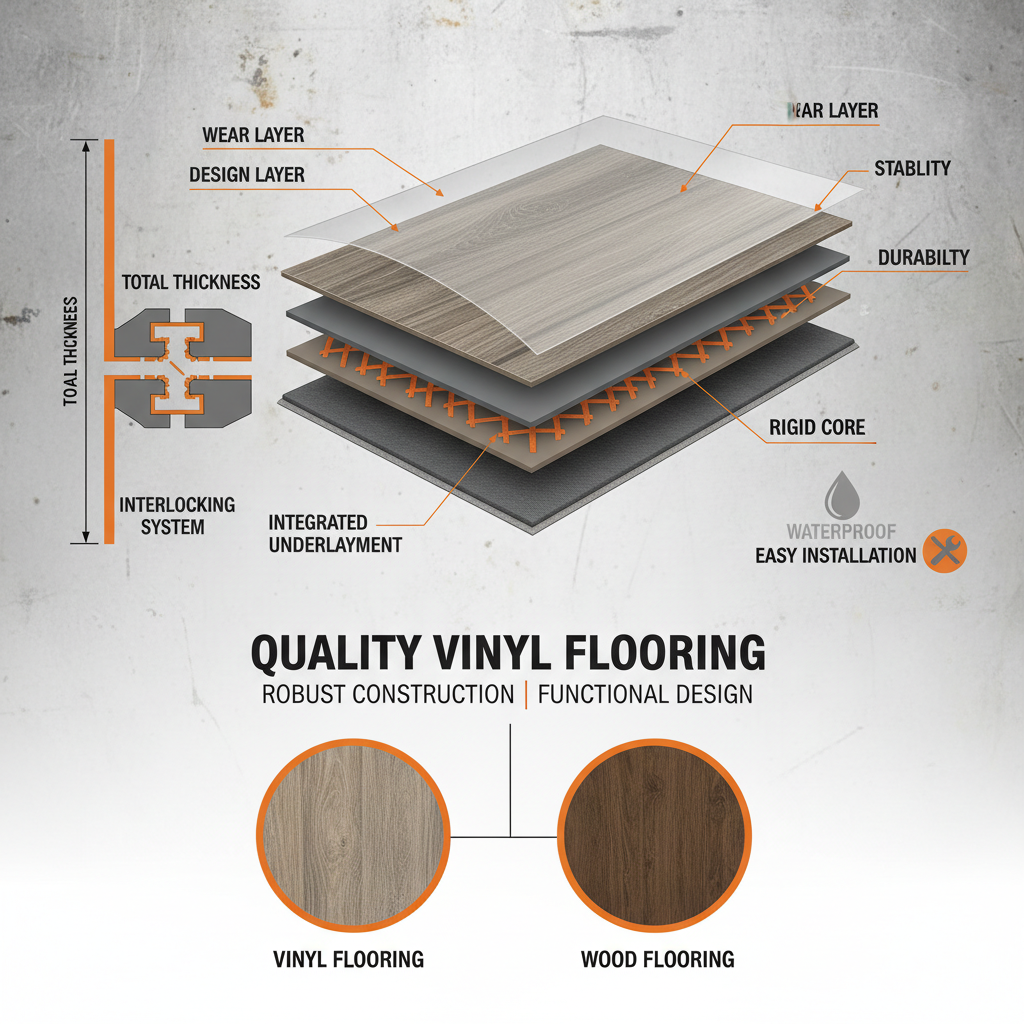
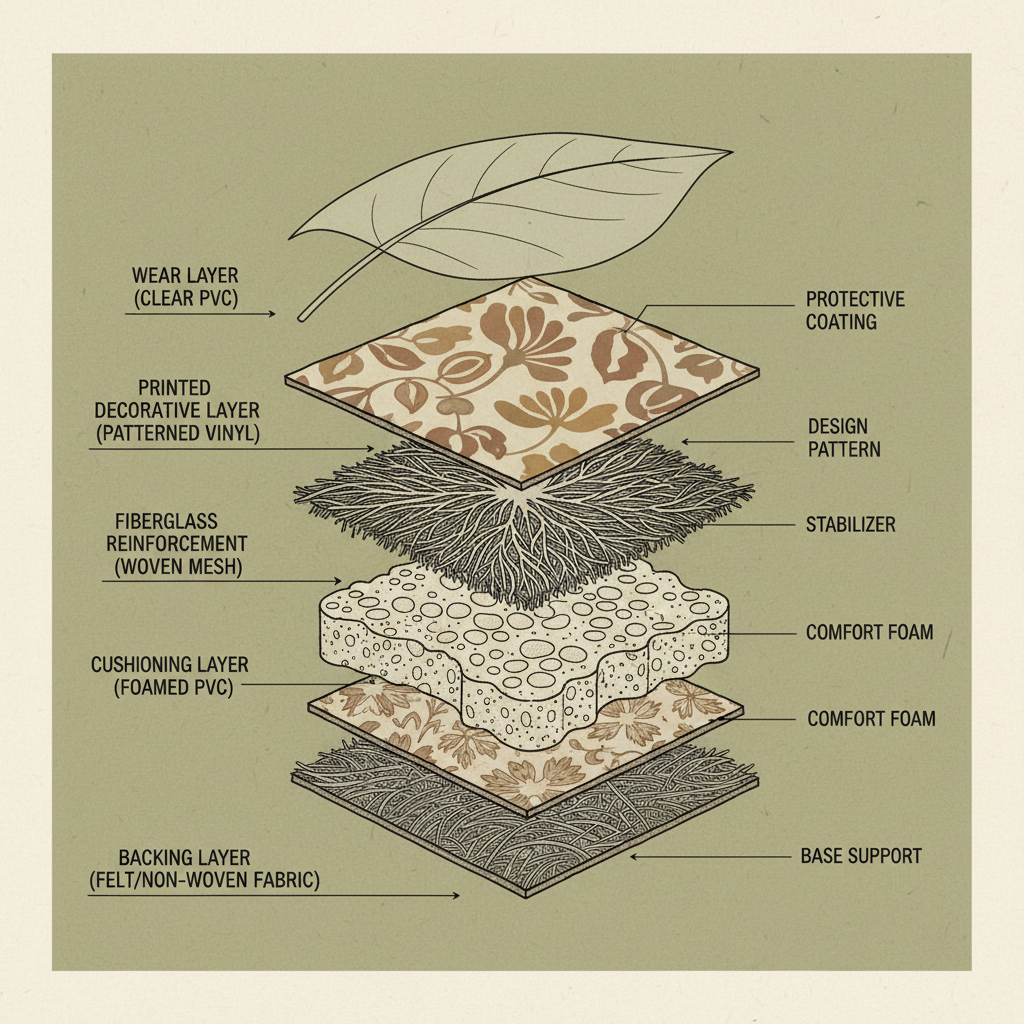
Wood effect vinyl flooring is a synthetic flooring material designed to visually resemble natural wood. It’s typically constructed from multiple layers of polyvinyl chloride (PVC) – a durable and versatile plastic. These layers are carefully crafted to create a realistic wood grain pattern and texture. The core composition often includes a wear layer, a print layer, a core layer providing stability, and a backing layer for cushioning and sound absorption.
Unlike laminate flooring which utilizes a photographic layer over a wood-patterned core, wood effect vinyl flooring boasts a printed design within the material itself. This construction technique makes it more resistant to scratches and dents, and also allows for more intricate and realistic wood grain patterns. This distinction is crucial for understanding its superior durability and aesthetic appeal.
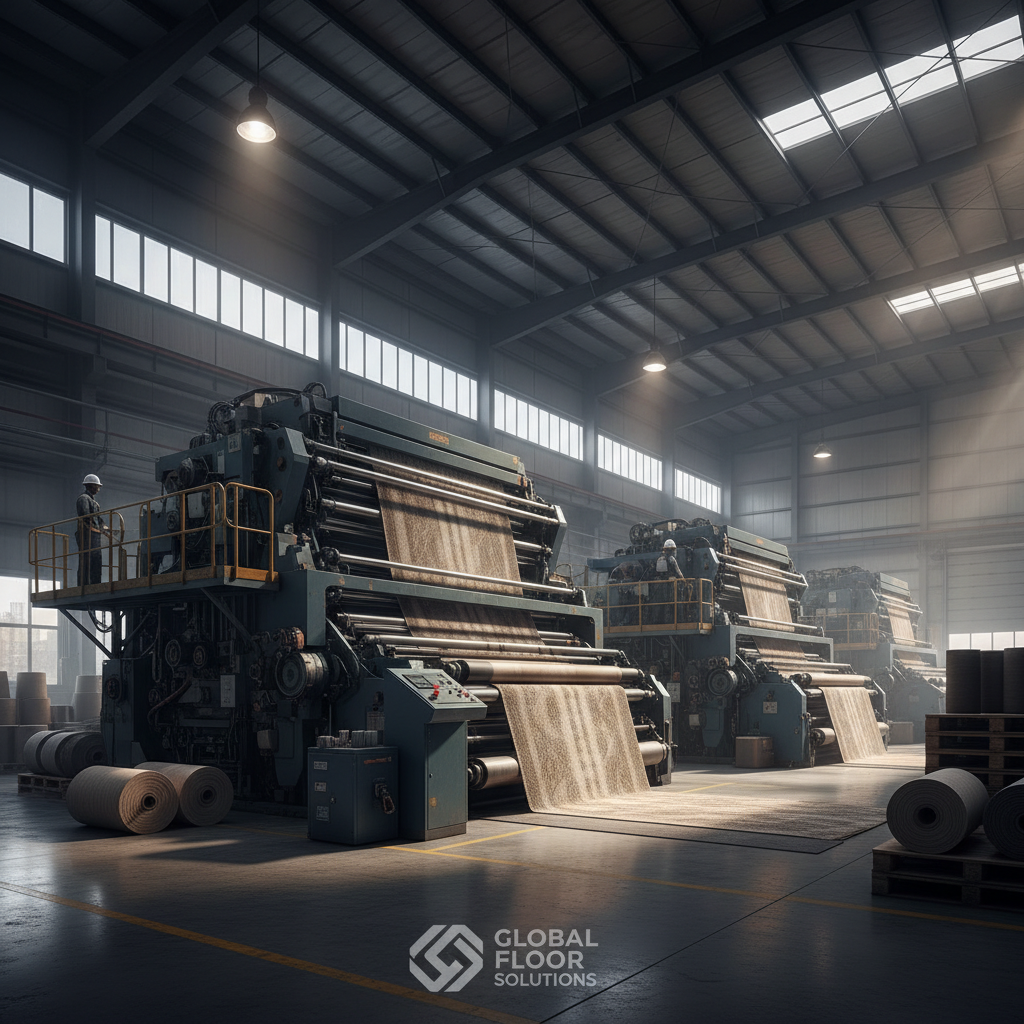
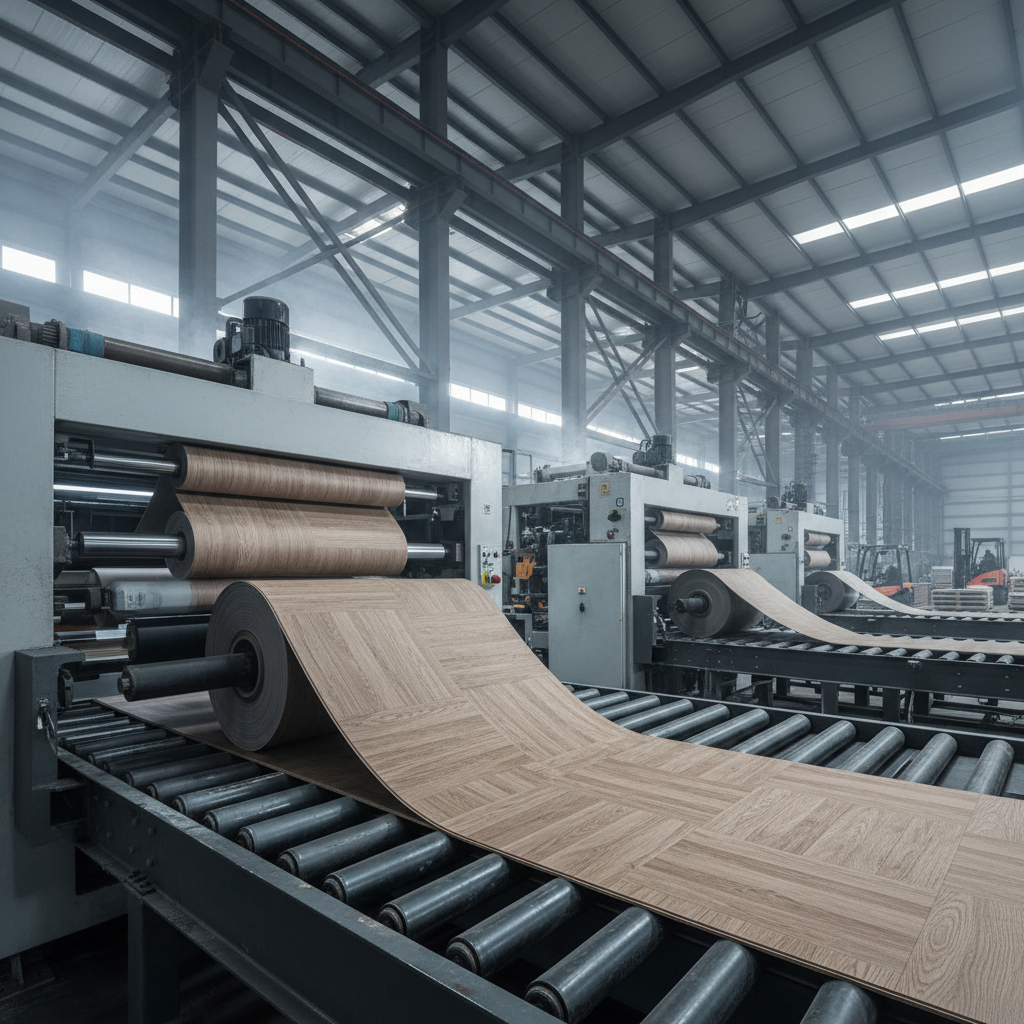
The connection to modern industry lies in the material’s adaptability and ease of production. Mass manufacturing techniques combined with innovative design capabilities make wood effect vinyl flooring a scalable and cost-effective solution for diverse construction projects, addressing the increasing demand for accessible and aesthetically pleasing flooring options worldwide.
Core Characteristics of Wood Effect Vinyl Flooring
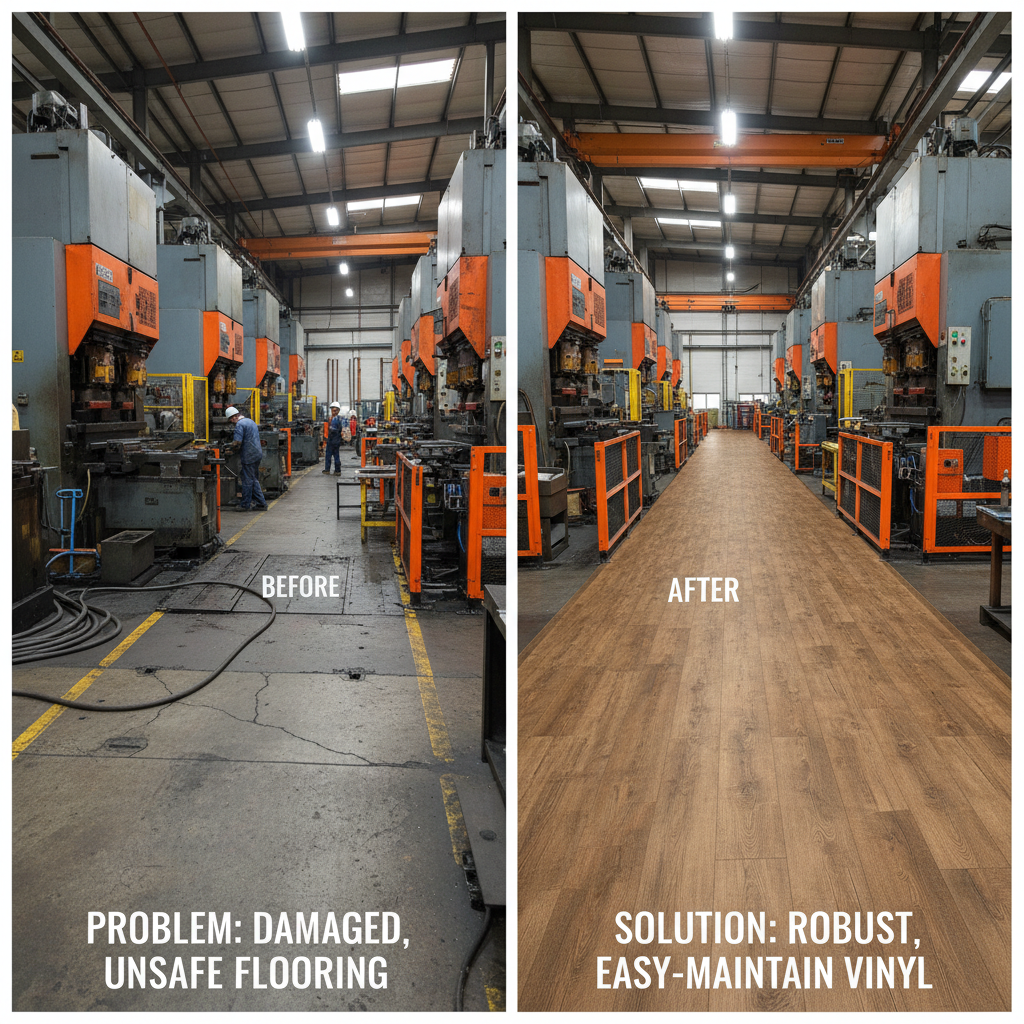
Several key characteristics define the performance and appeal of wood effect vinyl flooring. First and foremost is its exceptional durability. Vinyl is highly resistant to scratches, dents, and stains, making it ideal for high-traffic areas and households with children or pets. This resilience translates to a longer lifespan and reduced replacement costs.
Secondly, water resistance is a critical benefit. Unlike hardwood, vinyl is inherently waterproof, making it suitable for bathrooms, kitchens, and basements. This property eliminates concerns about warping, swelling, or mold growth due to moisture exposure. Thirdly, comfort is enhanced by the slight cushioning provided by the vinyl layers, reducing fatigue from standing for extended periods.
Beyond these core benefits, wood effect vinyl flooring offers excellent acoustic properties, helping to dampen sound and create a quieter environment. Its relatively low weight also simplifies installation and reduces structural load. Finally, design versatility allows for a wide range of wood species, colors, and patterns, catering to diverse aesthetic preferences.
Practical Applications Across Industries
The versatility of wood effect vinyl flooring extends to a diverse range of applications. In residential construction, it's a popular choice for living rooms, bedrooms, kitchens, and bathrooms, offering a stylish and practical flooring solution. The healthcare industry frequently utilizes it in hospitals and clinics due to its hygienic properties and ease of cleaning.
The retail sector benefits from its durability and aesthetic appeal, creating inviting and comfortable shopping environments. Schools and educational institutions often opt for wood effect vinyl flooring due to its robustness and low maintenance requirements. Even in commercial spaces like offices and restaurants, it provides a cost-effective and visually pleasing alternative to natural wood.
Wood Effect Vinyl Flooring Application by Industry
Advantages and Long-Term Value Proposition
The benefits of choosing wood effect vinyl flooring extend far beyond its initial affordability. Cost savings are realized through reduced maintenance requirements – no need for sanding, polishing, or sealing, unlike hardwood. This translates to long-term financial benefits for homeowners and businesses. Furthermore, the durability of the material minimizes the need for replacements, contributing to overall cost-effectiveness.
From a sustainability perspective, wood effect vinyl flooring offers a responsible alternative to deforestation associated with hardwood harvesting. Many manufacturers are now utilizing recycled materials in their production processes, further reducing environmental impact. The ease of installation also contributes to reduced construction waste and project timelines.
Future Trends and Innovation in Vinyl Flooring
The future of wood effect vinyl flooring is marked by continued innovation in both materials and manufacturing processes. We're seeing the emergence of enhanced realism through advanced printing technologies, including embossed-in-register (EIR) technology that perfectly synchronizes the texture with the visual wood grain. Furthermore, the development of thicker wear layers is increasing the longevity and durability of the flooring.
Greater emphasis is being placed on sustainable practices, with manufacturers exploring bio-based vinyl alternatives and incorporating more recycled content into their products. Smart flooring technologies, integrating sensors for temperature monitoring or foot traffic analysis, are also on the horizon, adding a new dimension of functionality to wood effect vinyl flooring.
Addressing Challenges and Future Outlook
Despite its numerous advantages, wood effect vinyl flooring faces certain challenges. Concerns regarding the use of phthalates in PVC production have prompted a shift towards phthalate-free formulations, addressing health and environmental concerns. The perception of vinyl as a lower-quality material compared to natural wood persists in some circles, requiring continued efforts to highlight its aesthetic and performance benefits.
However, the overall outlook for wood effect vinyl flooring remains incredibly positive. As technology continues to advance and sustainability becomes increasingly important, the material is poised for continued growth and innovation. The demand for affordable, durable, and aesthetically pleasing flooring solutions will undoubtedly drive its adoption across diverse applications.
Addressing these challenges through responsible manufacturing practices, improved material compositions, and enhanced marketing efforts will solidify wood effect vinyl flooring's position as a leading choice in the flooring industry for years to come.
Frequently Asked Questions About Wood Effect Vinyl Flooring
| Installation Complexity |
Maintenance Requirements |
Cost Comparison |
Long-Term Durability |
| Is wood effect vinyl flooring difficult to install? |
What are the maintenance requirements? |
How does the cost compare to hardwood? |
How long can I expect wood effect vinyl flooring to last? |
| Wood effect vinyl flooring is relatively easy to install, especially click-lock varieties. Basic DIY skills are usually sufficient, though professional installation is recommended for best results. |
Maintenance is simple – regular sweeping and occasional damp mopping are typically all that's needed. Avoid abrasive cleaners and excessive water. |
Wood effect vinyl flooring is significantly more affordable than hardwood, both in terms of material cost and installation expenses. |
With proper care, wood effect vinyl flooring can last 10-20 years, or even longer, depending on the quality of the product and the level of traffic. |
| Are there different types of wood effect vinyl flooring? |
Is wood effect vinyl flooring waterproof? |
Does wood effect vinyl flooring affect indoor air quality? |
Can wood effect vinyl flooring be used with underfloor heating? |
| Yes, there are several types, including luxury vinyl planks (LVP), luxury vinyl tiles (LVT), and sheet vinyl. LVP and LVT offer more realistic wood appearances. |
While highly water-resistant, not all vinyl flooring is fully waterproof. Look for 100% waterproof options for areas prone to spills or moisture. |
Look for low-VOC (volatile organic compound) products to minimize potential off-gassing and ensure good indoor air quality. |
Many wood effect vinyl flooring products are compatible with underfloor heating systems, but it’s crucial to check the manufacturer’s recommendations. |
| How does wood effect vinyl flooring perform with pets? |
Is it easy to repair damaged wood effect vinyl flooring? |
What is the environmental impact of wood effect vinyl flooring? |
How does the texture of wood effect vinyl flooring compare to real wood? |
| It's an excellent choice for pet owners, as it resists scratches and stains and is easy to clean. |
Minor damage can sometimes be repaired with a vinyl repair kit, but extensive damage may require replacement. |
The environmental impact varies depending on manufacturing practices. Look for products with recycled content and low VOC emissions. |
Modern wood effect vinyl flooring utilizes advanced embossing techniques to replicate the texture of real wood, offering a surprisingly realistic feel. |
Conclusion
In conclusion, wood effect vinyl flooring represents a compelling flooring solution that effectively balances aesthetic appeal, durability, cost-effectiveness, and sustainability. Its ability to mimic the beauty of natural wood while overcoming its limitations makes it a popular choice for a wide range of applications, from residential homes to commercial spaces. The material’s versatility and ease of maintenance further enhance its value proposition.
Looking ahead, continued innovation in materials and manufacturing processes will undoubtedly elevate the performance and realism of wood effect vinyl flooring. By embracing sustainable practices and addressing consumer concerns, the industry can ensure its long-term growth and solidify its position as a leading flooring option. For a wider selection and expert advice, visit our website: wood effect vinyl flooring.