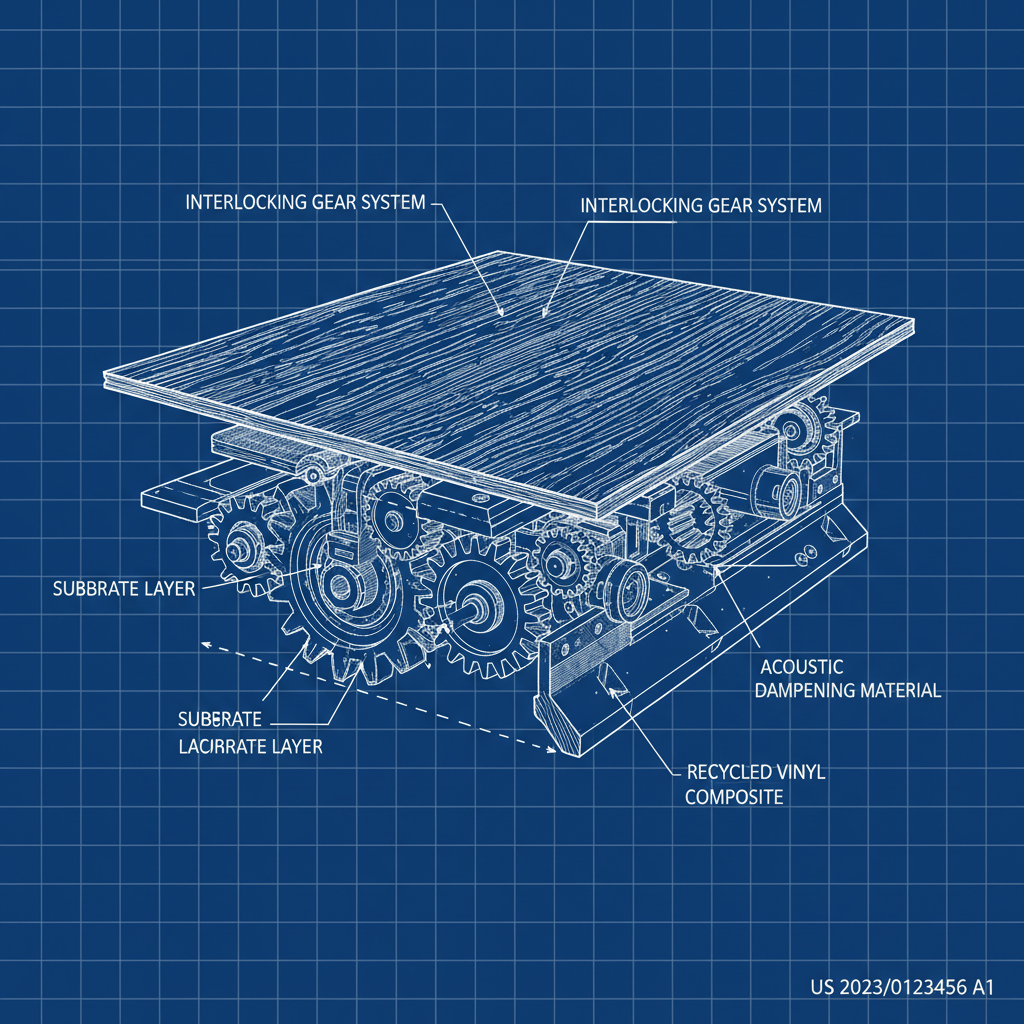
White oak vinyl flooring is rapidly becoming a preferred choice for homeowners and businesses alike, offering a compelling blend of aesthetic appeal, durability, and cost-effectiveness. This innovative flooring solution perfectly mimics the natural beauty of genuine white oak, bringing warmth and sophistication to any space, without the significant costs and maintenance associated with hardwood. The increasing demand for sustainable and resilient flooring options has positioned white oak vinyl flooring as a frontrunner in the market.
The global flooring market is substantial, estimated at over $400 billion in 2023, with vinyl flooring representing a significant and growing segment. Factors driving this growth include rising construction activity, increasing disposable incomes, and a growing preference for easy-to-maintain flooring solutions. White oak vinyl flooring capitalizes on these trends by offering a premium look at a competitive price point.
Understanding the nuances of white oak vinyl flooring – its construction, installation, and long-term care – is crucial for making informed decisions. Whether you’re renovating a home, constructing a commercial building, or simply seeking a durable and stylish flooring upgrade, exploring the benefits and considerations of this material is a worthwhile investment.
Introduction to White Oak Vinyl Flooring
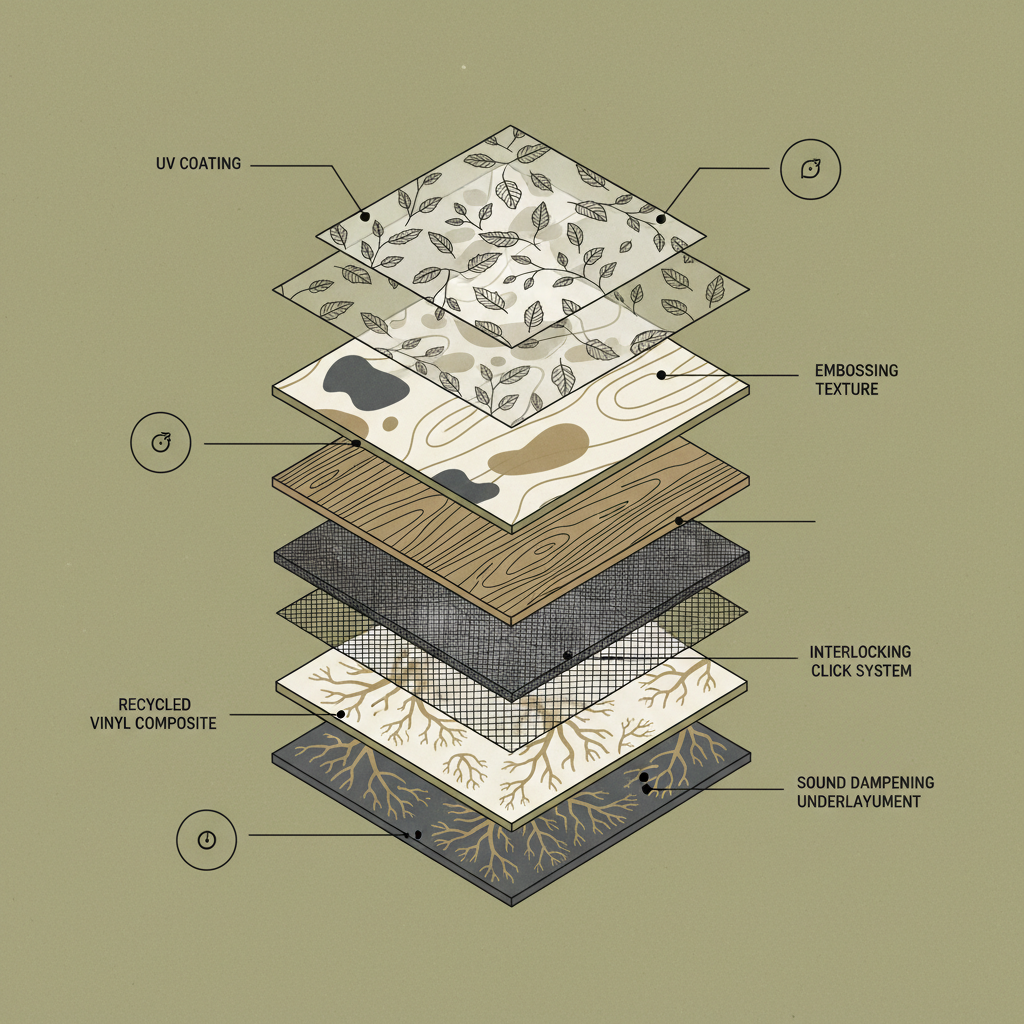
White oak vinyl flooring represents a significant advancement in the realm of interior design and building materials. Its ability to replicate the look and feel of natural white oak while offering enhanced durability, water resistance, and affordability has made it a highly sought-after option. This material is constructed using multiple layers, typically including a protective wear layer, a photographic layer that accurately depicts the wood grain, and a core layer that provides stability and cushioning.
The popularity of white oak vinyl flooring is not merely aesthetic; it’s a practical solution for a variety of environments. From bustling family homes to high-traffic commercial spaces, this flooring offers resilience against scratches, stains, and everyday wear and tear. Its ease of maintenance—typically requiring only sweeping and occasional damp mopping—further contributes to its appeal.
Defining White Oak Vinyl Flooring
White oak vinyl flooring is a synthetic flooring material designed to visually mimic the appearance of genuine white oak hardwood. Unlike traditional hardwood, it is composed of multiple layers of vinyl, typically including a durable wear layer, a high-resolution printed design layer, and a resilient core. This composition allows it to offer a convincing imitation of wood at a fraction of the cost, with improved resistance to moisture, scratches, and stains.
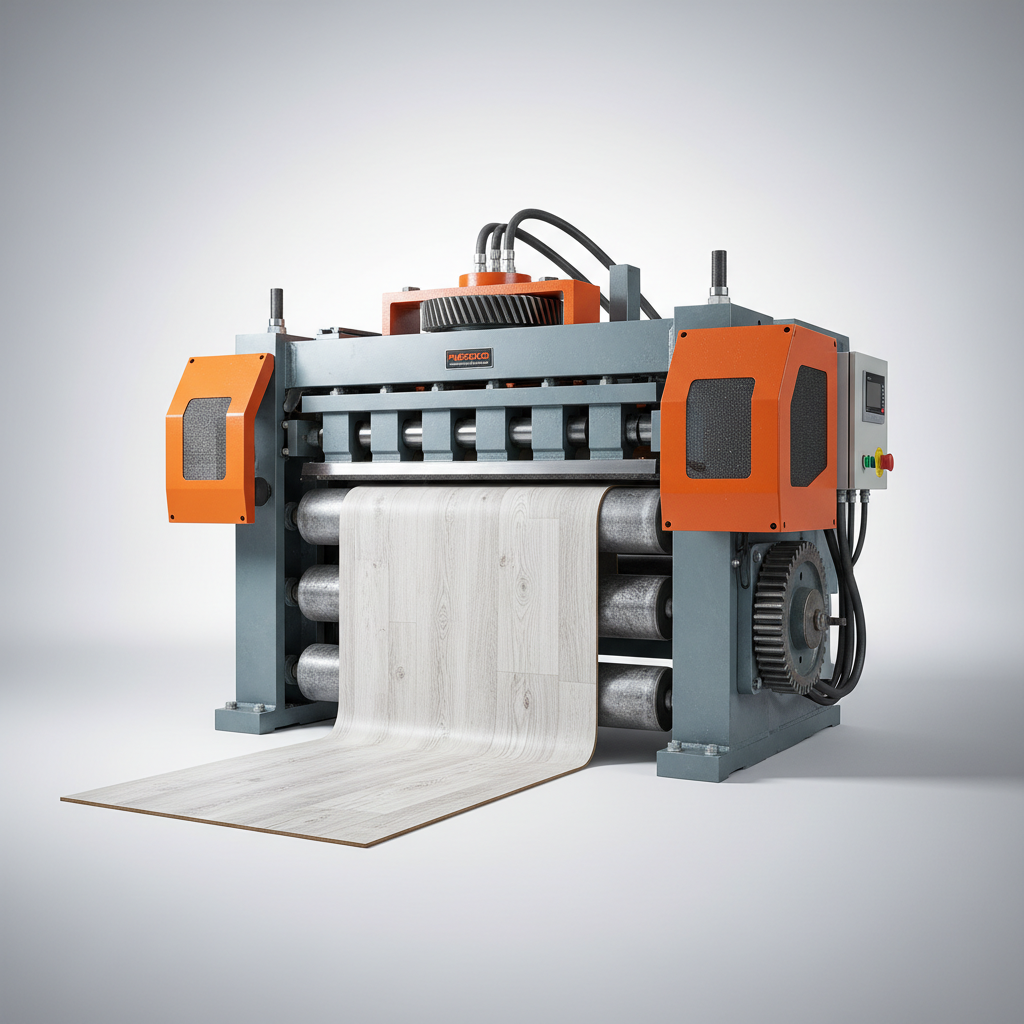
The connection to modern industry lies in the sophisticated manufacturing processes employed to create this material. Advancements in digital printing technology allow for incredibly realistic wood grain patterns, while innovations in vinyl polymer chemistry result in highly durable and water-resistant products. This aligns with the industry’s growing focus on providing sustainable and cost-effective solutions for residential and commercial construction.
In essence, white oak vinyl flooring represents a bridge between aesthetic desire and practical necessity. It provides a visually appealing and durable flooring solution without compromising on affordability or ease of maintenance. This makes it a key component in modern building and renovation projects, catering to a wide range of consumer needs.
Core Characteristics of White Oak Vinyl Flooring
White oak vinyl flooring boasts a unique combination of properties that contribute to its growing popularity. Firstly, its exceptional durability stands out. The wear layer, often enhanced with polyurethane or other protective coatings, resists scratches, dents, and stains, making it ideal for high-traffic areas. Secondly, the material is inherently waterproof, offering protection against spills and moisture damage, making it suitable for kitchens, bathrooms, and basements.
Furthermore, white oak vinyl flooring excels in comfort. Its slightly cushioned core layer provides a more forgiving surface underfoot compared to harder materials like tile or concrete. Installation is also relatively straightforward, with many options available in click-lock formats, allowing for DIY installation. The visual realism achieved through advanced printing techniques ensures a stunning aesthetic that closely resembles natural white oak.
Finally, the cost-effectiveness of white oak vinyl flooring makes it an attractive alternative to hardwood. It provides the desired aesthetic without the significant investment and ongoing maintenance costs associated with real wood. These characteristics combine to position it as a practical and appealing flooring choice for a diverse range of applications.
Performance Metrics of White Oak Vinyl Flooring
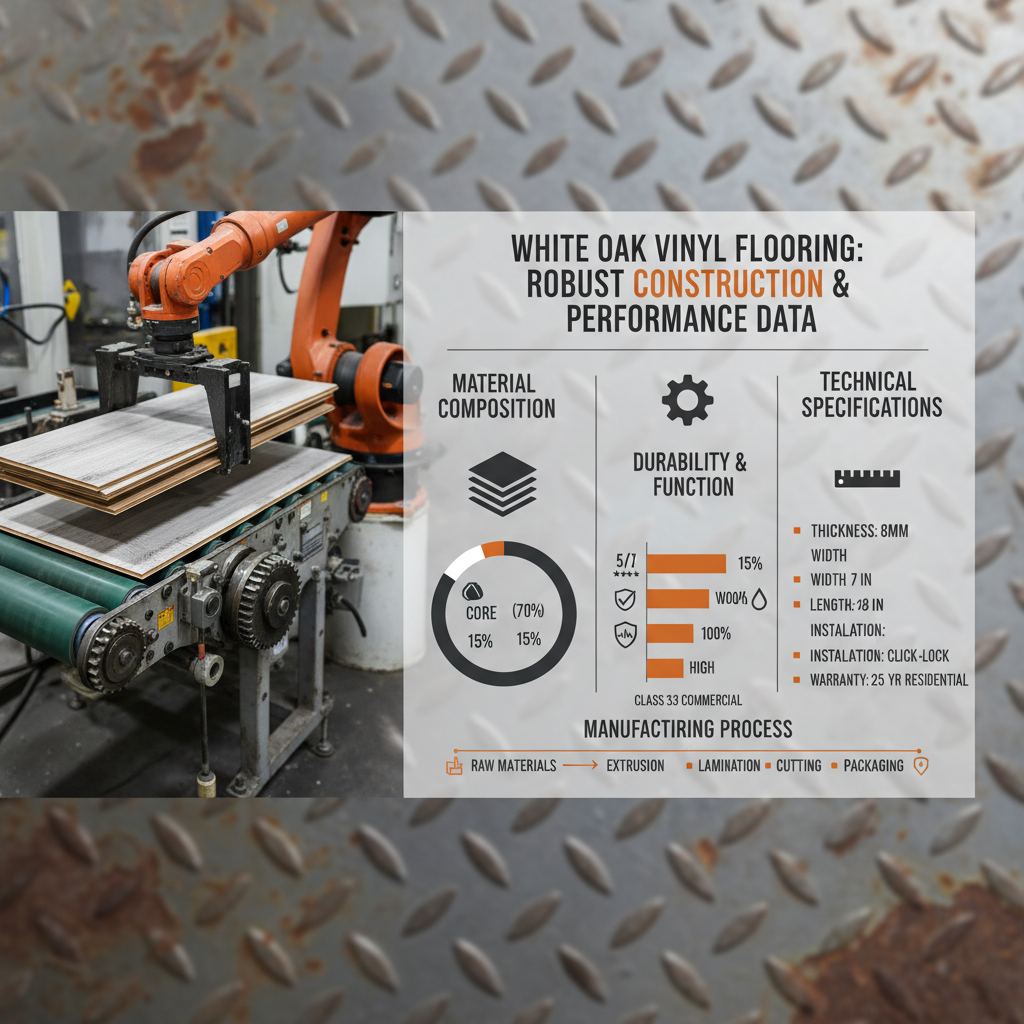
Evaluating the performance of white oak vinyl flooring requires considering several key metrics. Durability, measured by the wear layer thickness (typically in mils), significantly impacts its resistance to abrasion and scratching. Higher mil ratings indicate greater longevity, particularly in high-traffic areas. Water resistance, a crucial factor, is determined by the core material and the sealing of seams, with 100% waterproof options providing the best protection.
Performance Comparison of White Oak Vinyl Flooring Methods
Global Applications of White Oak Vinyl Flooring
White oak vinyl flooring is experiencing widespread adoption across numerous sectors globally. In residential construction, it's becoming a staple in new homes and renovation projects, offering a cost-effective and stylish alternative to hardwood. Commercial applications are equally prevalent, with white oak vinyl flooring frequently used in retail spaces, offices, healthcare facilities, and educational institutions.
Geographically, North America and Europe represent the largest markets, driven by a strong demand for durable and aesthetically pleasing flooring solutions. However, growth is accelerating in Asia-Pacific, particularly in countries with rapidly expanding economies and increasing urbanization. The use of white oak vinyl flooring in post-disaster relief housing is also gaining traction, providing a quick, affordable, and water-resistant flooring option for temporary or emergency shelters.
Advantages and Long-Term Value
The advantages of white oak vinyl flooring extend beyond its initial cost savings. Its low maintenance requirements translate to long-term financial benefits, reducing the need for expensive cleaning products or professional refinishing. The material's durability ensures a longer lifespan compared to many other flooring options, further enhancing its value proposition.
From an emotional perspective, white oak vinyl flooring offers peace of mind, knowing that your floors are protected against spills, scratches, and wear and tear. It fosters a sense of comfort and well-being by providing a warm, inviting, and visually appealing surface. From a trust perspective, reputable manufacturers often provide warranties that further reinforce the quality and reliability of their products.
Future Trends in White Oak Vinyl Flooring
The future of white oak vinyl flooring is poised for continued innovation. Advancements in digital printing technology are leading to increasingly realistic wood grain patterns and textures, blurring the lines between vinyl and natural hardwood. Focus on sustainability is driving the development of recycled and bio-based vinyl formulations, reducing the environmental footprint of the material.
Furthermore, integrated smart technologies, such as antimicrobial coatings and embedded sensors for monitoring air quality, are beginning to emerge. These innovations will not only enhance the functionality of white oak vinyl flooring but also position it as a key component in creating healthier and more connected living spaces.
FAQS
While both are affordable alternatives to hardwood, white oak vinyl flooring generally offers superior water resistance and a more comfortable feel underfoot. Vinyl is typically 100% waterproof, while laminate is only water-resistant. Vinyl also tends to be softer and warmer, making it more pleasant to walk on, and often provides a more realistic wood look due to advanced printing techniques.
Yes, provided you choose a 100% waterproof variety. Unlike laminate or hardwood, waterproof white oak vinyl flooring won't warp, swell, or become damaged from moisture exposure. Ensure seams are properly sealed during installation to prevent water from seeping underneath. It’s a great option for bathrooms and other high-humidity areas.
The lifespan of white oak vinyl flooring varies depending on the wear layer thickness and the level of traffic. Generally, a flooring with a 12mil wear layer can last 10-20 years in residential settings, while a 20mil wear layer can last 25+ years. Commercial applications with higher traffic may require more frequent replacement.
Yes, white oak vinyl flooring is incredibly easy to clean. Regular sweeping or vacuuming to remove dirt and debris is usually sufficient. For deeper cleaning, simply damp mop with a mild detergent and water. Avoid abrasive cleaners, as they can damage the wear layer. Its water resistance means spills can be cleaned up quickly and easily.
In many cases, yes. However, the existing floor must be level, clean, and dry. Some types of white oak vinyl flooring, such as click-lock systems, are designed for floating installations, which don't require adhesive and can be installed directly over many existing surfaces. Check the manufacturer's guidelines for specific recommendations.
Compared to hardwood, white oak vinyl flooring is often a more sustainable choice due to reduced deforestation. Increasingly, manufacturers are offering recycled content vinyl options and focusing on reducing VOC emissions during production. Look for certifications like FloorScore or GreenGuard to ensure low chemical emissions. However, it's important to note that vinyl is a plastic and isn’t biodegradable.
Conclusion
In summary, white oak vinyl flooring provides a compelling combination of aesthetic appeal, durability, affordability, and ease of maintenance. Its versatility allows for application in a wide range of settings, from residential homes to commercial spaces, and its increasing sustainability features further enhance its value. This flooring solution offers a practical and stylish alternative to traditional hardwood, meeting the evolving needs of modern consumers and builders.
Looking ahead, continued innovation in materials and manufacturing processes will further improve the performance and environmental profile of white oak vinyl flooring. As demand for sustainable and resilient building materials continues to grow, this flooring option is poised to remain a leading choice for years to come. We encourage you to explore the possibilities of white oak vinyl flooring for your next project.