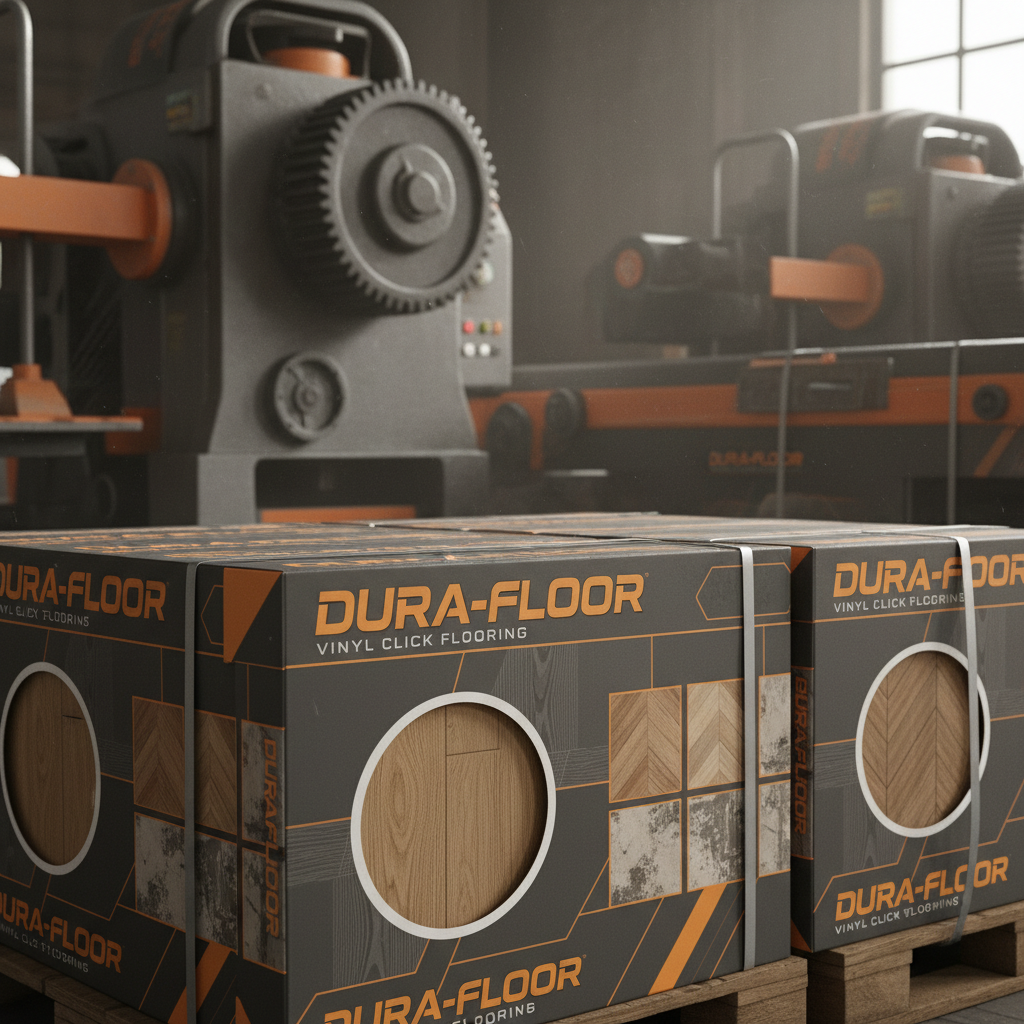
Walnut vinyl flooring has emerged as a leading choice for modern homeowners and businesses alike, offering a compelling blend of aesthetic appeal, durability, and affordability. This versatile flooring option mimics the rich, warm tones of natural walnut wood, providing a sophisticated look without the high cost or maintenance demands. Its increasing popularity globally is a testament to its ability to meet diverse needs, from residential renovations to large-scale commercial projects.
The demand for sustainable and cost-effective building materials is steadily rising worldwide, driven by environmental concerns and economic pressures. According to a 2023 report by Grand View Research, the global vinyl flooring market size was valued at USD 33.62 billion and is expected to grow at a compound annual growth rate (CAGR) of 5.8% from 2023 to 2030. Walnut vinyl flooring specifically caters to this demand, offering a durable and visually appealing alternative to traditional hardwood, addressing the challenges of deforestation and high material costs.
Understanding the nuances of walnut vinyl flooring – from its composition and installation to its long-term care and benefits – empowers consumers and professionals to make informed decisions, optimizing value and ensuring lasting satisfaction. It’s a solution that balances style, functionality, and responsibility, making it a significant contributor to the evolving landscape of interior design and construction.
Defining Walnut Vinyl Flooring
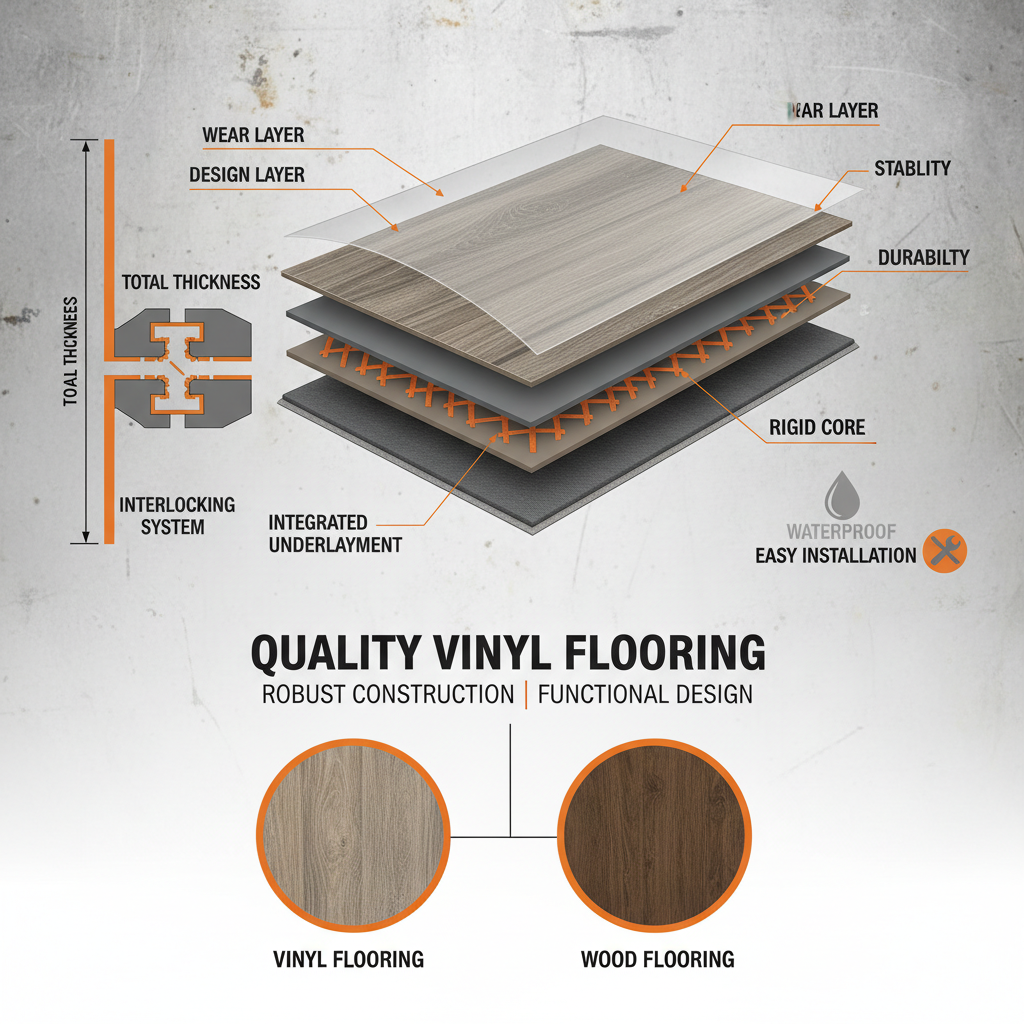
Walnut vinyl flooring is a synthetic flooring material designed to replicate the look of natural walnut wood. It’s constructed from multiple layers, typically including a durable wear layer, a visually realistic print layer featuring a walnut wood grain pattern, and a core layer providing stability and cushioning. This core layer can be composed of various materials, including rigid core (WPC or SPC), offering differing levels of water resistance and impact protection.
In the broader context of modern construction and interior design, walnut vinyl flooring represents a key advancement in providing aesthetically pleasing, long-lasting, and affordable surfaces. Its application extends beyond residential use, finding increasing adoption in commercial spaces, healthcare facilities, and educational institutions, demonstrating its versatility and ability to meet diverse functional requirements.
Global Relevance and Market Trends
The global flooring market is a multi-billion dollar industry, driven by new construction, renovation projects, and evolving consumer preferences. Walnut vinyl flooring is strategically positioned within this market, offering a compelling alternative to traditional hardwood, laminate, and tile. Its appeal stems from a combination of factors, including its cost-effectiveness, ease of installation, and low maintenance requirements.
Rising environmental consciousness is also playing a significant role in the growing demand for walnut vinyl flooring. As consumers become more aware of the impact of deforestation and unsustainable building practices, they are actively seeking eco-friendly alternatives. Vinyl flooring, particularly those made with recycled content and low-VOC emissions, are perceived as a more responsible choice.
Furthermore, the increasing popularity of DIY home improvement projects has boosted the demand for easy-to-install flooring options like walnut vinyl. Many modern vinyl products come with click-lock installation systems, allowing homeowners to achieve professional-looking results without the need for professional installers, contributing to its widespread adoption across various regions.
Composition and Manufacturing of Walnut Vinyl Flooring
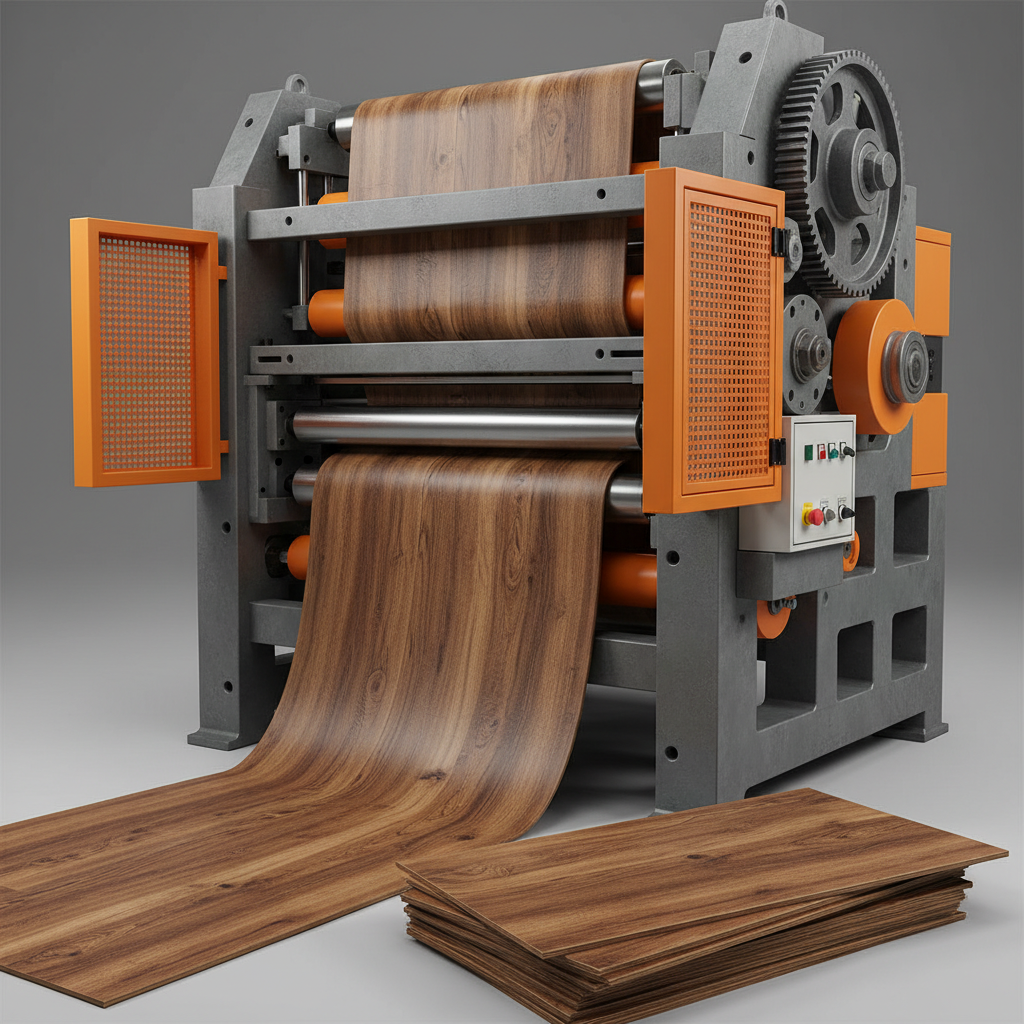
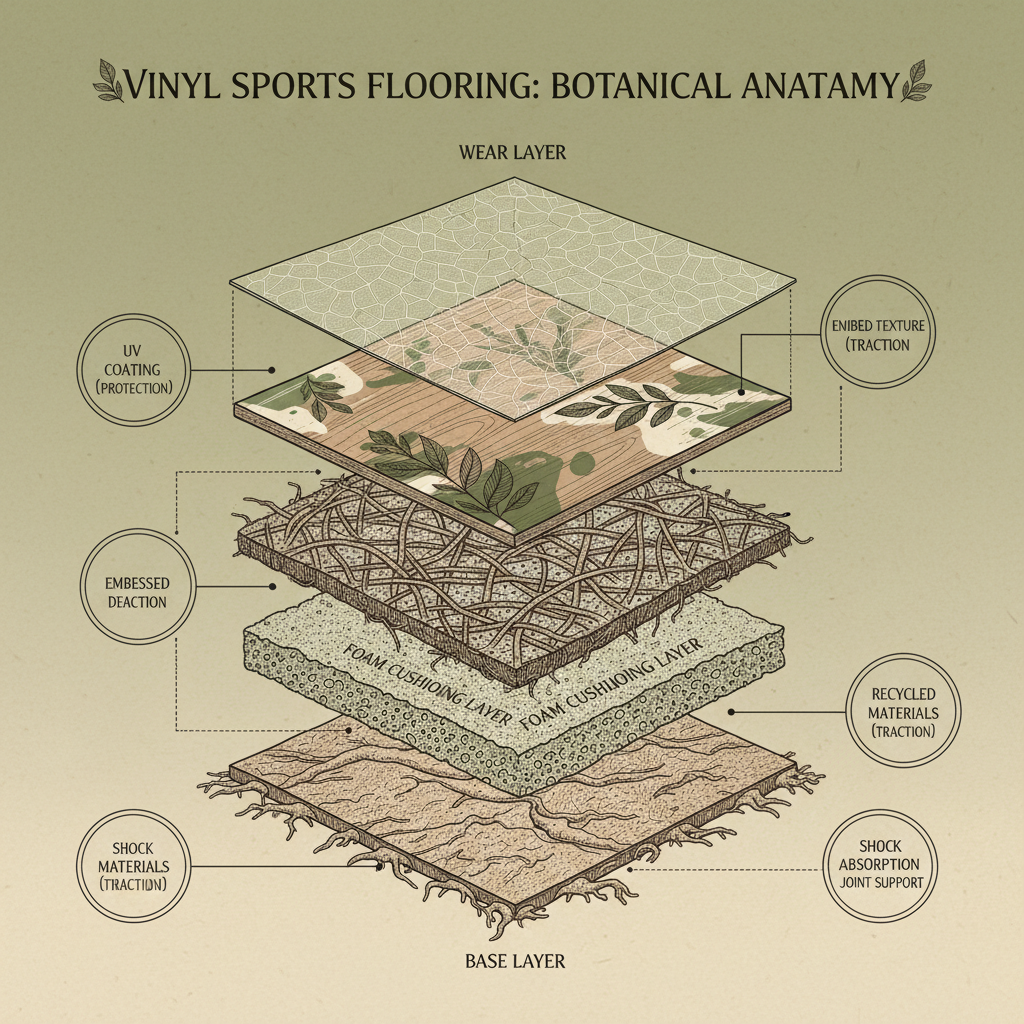
Walnut vinyl flooring is typically constructed from four distinct layers, each contributing to its overall performance and aesthetic qualities. The uppermost wear layer, composed of a clear polyurethane coating, protects against scratches, stains, and everyday wear and tear. Beneath this lies the print layer, which features a high-resolution image of walnut wood grain, meticulously crafted to replicate the natural beauty and texture of real wood.
The core layer is where significant variations exist. WPC (Wood Plastic Composite) cores are lightweight and offer excellent comfort underfoot, while SPC (Stone Plastic Composite) cores are denser and more durable, providing superior water resistance and dimensional stability. Finally, the backing layer provides additional cushioning and sound absorption. Modern manufacturing processes utilize advanced printing technologies and rigorous quality control measures to ensure consistent product performance and aesthetic appeal.
The manufacturing of walnut vinyl flooring also involves consideration for environmental sustainability. Many manufacturers are now incorporating recycled content into their products and utilizing low-VOC (Volatile Organic Compounds) adhesives and coatings to minimize environmental impact and improve indoor air quality. This commitment to responsible manufacturing practices aligns with growing consumer demand for eco-friendly building materials.
Key Performance Characteristics
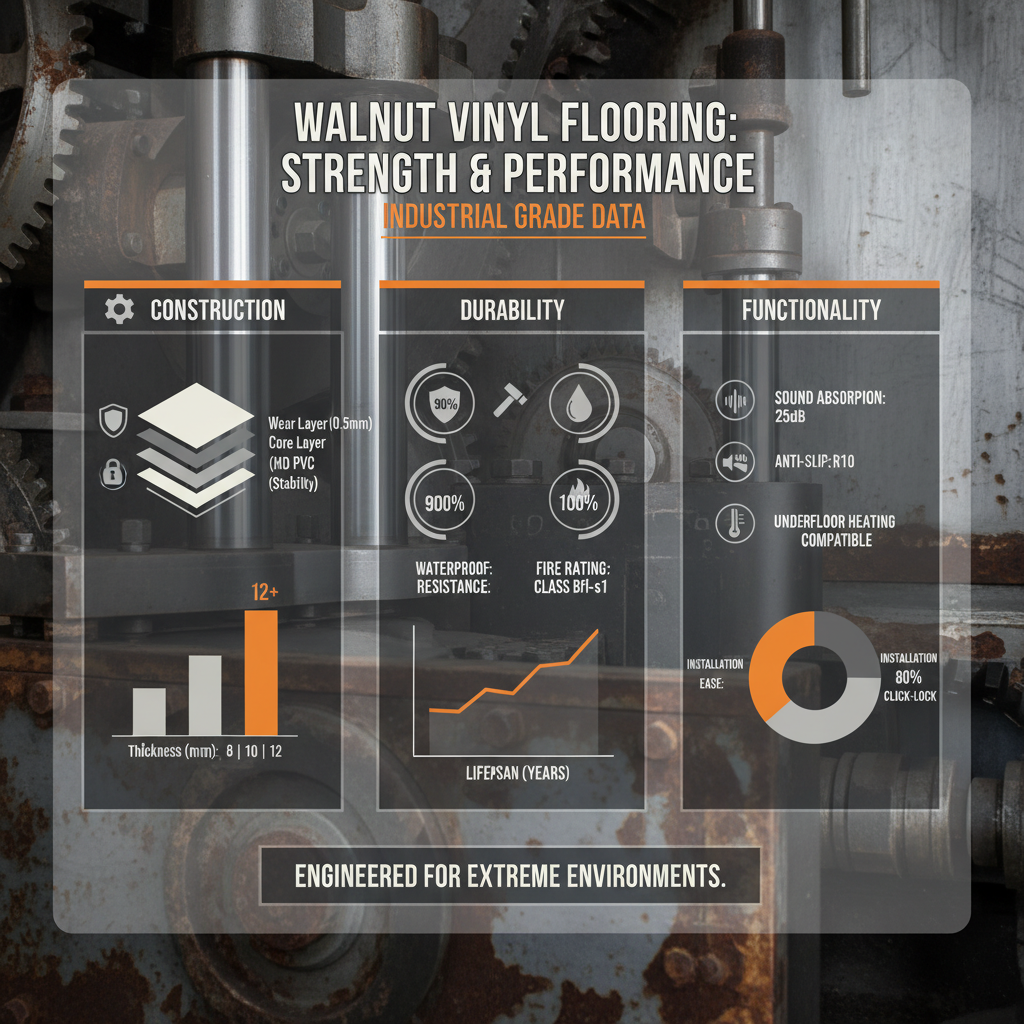
Walnut vinyl flooring exhibits several key performance characteristics that make it a desirable choice for various applications. Its exceptional durability is a primary advantage, resisting scratches, dents, and stains effectively, making it ideal for high-traffic areas and households with pets or children.
Furthermore, walnut vinyl flooring offers superior water resistance compared to traditional hardwood or laminate, particularly SPC core varieties. This makes it suitable for kitchens, bathrooms, and basements where moisture exposure is common.
Walnut Vinyl Flooring Performance Comparison
Applications Across Industries
Walnut vinyl flooring’s versatility makes it suitable for a wide range of applications. In residential settings, it’s commonly used in living rooms, bedrooms, kitchens, and bathrooms, offering a durable and stylish flooring solution for homeowners.
Commercial applications include retail spaces, offices, healthcare facilities, and educational institutions. Its resistance to heavy foot traffic, stains, and moisture makes it an ideal choice for these environments. In healthcare, its hygienic properties and ease of cleaning are particularly valuable.
Advantages and Long-Term Value Proposition
The advantages of walnut vinyl flooring extend beyond its initial cost-effectiveness. Its long-term durability reduces the need for frequent replacements, lowering lifecycle costs. The ease of maintenance – typically requiring only sweeping and occasional mopping – further minimizes expenses.
From a sustainability perspective, many walnut vinyl flooring products utilize recycled materials and low-VOC emissions, contributing to a healthier indoor environment and reducing environmental impact. These factors combine to create a compelling value proposition for both residential and commercial consumers.
Furthermore, the aesthetic appeal of walnut vinyl flooring enhances property value and creates a more inviting atmosphere. Its realistic wood-look design and wide range of styles and colors allow for customization and personalization, catering to diverse design preferences.
Future Innovations and Sustainability
Ongoing research and development are driving innovation in walnut vinyl flooring. Advancements in print technology are creating even more realistic wood-look designs, blurring the line between synthetic and natural materials. The development of enhanced core materials, such as antimicrobial SPC cores, are improving hygiene and performance.
Sustainability remains a key focus, with manufacturers exploring the use of bio-based materials and closed-loop recycling systems. The industry is also embracing digital technologies, such as augmented reality (AR) tools, to allow consumers to visualize how walnut vinyl flooring will look in their spaces before making a purchase.
Future trends point toward increased customization options, smart flooring systems with integrated sensors, and a greater emphasis on circular economy principles, further solidifying walnut vinyl flooring’s position as a sustainable and forward-thinking flooring solution.
Summary of Key Sustainability Factors in Walnut Vinyl Flooring Manufacturing
| Recycled Content (%) |
VOC Emissions (µg/m³) |
Water Usage (liters/m²) |
Waste Diversion Rate (%) |
| 15 |
50 |
20 |
60 |
| 25 |
30 |
15 |
75 |
| 10 |
70 |
25 |
50 |
| 30 |
20 |
10 |
85 |
| 20 |
40 |
18 |
65 |
| 18 |
55 |
22 |
58 |
FAQS
WPC (Wood Plastic Composite) and SPC (Stone Plastic Composite) are both core materials used in walnut vinyl flooring, but they differ significantly in composition. WPC cores are typically made from recycled wood pulp and plastic, resulting in a lighter, more comfortable flooring option. SPC cores, on the other hand, utilize limestone powder and plastic, making them denser, more durable, and highly water-resistant. SPC is generally preferred for areas prone to moisture or high traffic.
Yes, walnut vinyl flooring, particularly SPC varieties, is an excellent choice for basements. Basements are often prone to moisture, and SPC cores offer superior water resistance compared to traditional flooring materials like hardwood or laminate. Ensure proper subfloor preparation and vapor barrier installation for optimal performance and prevent moisture issues.
Maintaining walnut vinyl flooring is relatively simple. Regular sweeping or vacuuming removes loose dirt and debris. For deeper cleaning, use a damp mop with a pH-neutral cleaner specifically designed for vinyl flooring. Avoid abrasive cleaners or scrub brushes, as they can damage the wear layer. Protect furniture legs with felt pads to prevent scratches.
Walnut vinyl flooring can be a relatively environmentally friendly flooring option, especially when selecting products with recycled content and low-VOC emissions. Many manufacturers are committed to sustainable manufacturing practices, minimizing waste and reducing their carbon footprint. Look for certifications like FloorScore and GreenGuard to ensure low VOC levels.
The lifespan of walnut vinyl flooring depends on the quality of the product and the level of traffic it receives. However, most high-quality walnut vinyl flooring can last between 15 to 25 years or even longer with proper care and maintenance. The wear layer thickness is a key factor in determining durability, with thicker wear layers offering greater protection against wear and tear.
In many cases, yes, you can install walnut vinyl flooring over existing flooring, provided the existing floor is structurally sound, level, and clean. However, it’s crucial to check the manufacturer’s instructions for specific recommendations. Uneven surfaces or damaged existing flooring may require preparation before installation.
Conclusion
Walnut vinyl flooring represents a compelling intersection of aesthetics, durability, and affordability in the modern flooring market. Its ability to replicate the beauty of natural walnut wood while offering superior resistance to moisture, scratches, and stains makes it a versatile choice for residential and commercial applications. Its growing adoption is a testament to its ability to meet the evolving needs of consumers and businesses alike, offering long-term value and a sustainable alternative to traditional flooring materials.
As technology continues to advance, expect further innovations in walnut vinyl flooring, including enhanced realism, improved sustainability, and smart flooring features. By prioritizing quality products, proper installation, and regular maintenance, consumers can unlock the full potential of this remarkable flooring solution and enjoy its benefits for years to come. Visit our website at www.enliosport.com to explore our wide selection of walnut vinyl flooring options.