Vinyl hardwood flooring represents a significant advancement in the flooring industry, offering a compelling blend of aesthetic appeal, durability, and affordability. Its rise in popularity reflects a growing demand for flooring solutions that can withstand the rigors of modern life while also providing a visually pleasing and comfortable living space. Understanding the nuances of vinyl hardwood flooring is crucial for homeowners, builders, and designers alike, as it offers a versatile alternative to traditional hardwood, stone, and tile options.
Globally, the flooring market is experiencing consistent growth, driven by new construction, renovation projects, and increasing consumer spending. Vinyl flooring, particularly luxury vinyl tile (LVT) and planks, is leading this expansion. According to reports from industry analysts, the global vinyl flooring market is projected to reach billions of dollars in the coming years. This growth is fueled by factors such as rising disposable incomes, urbanization, and a shift towards more sustainable building materials.
The increasing demand for vinyl hardwood flooring addresses a key challenge: providing a cost-effective and resilient flooring solution without sacrificing style. Traditional hardwood can be expensive and susceptible to damage from moisture and wear. Vinyl flooring overcomes these limitations, making it a practical choice for a wide range of applications, from residential homes to commercial spaces.
Introduction to Vinyl Hardwood Flooring
Vinyl hardwood flooring is a synthetic flooring material designed to mimic the look of genuine hardwood, offering a practical and cost-effective alternative. It’s become increasingly popular due to its impressive durability, water resistance, and ease of maintenance. This makes it an ideal choice for a variety of spaces, including kitchens, bathrooms, and basements where traditional hardwood might not perform well.
The market offers a wide spectrum of vinyl hardwood flooring options, ranging from sheet vinyl to luxury vinyl tiles (LVT) and planks (LVP). Advancements in manufacturing technology have resulted in remarkably realistic wood-look finishes, coupled with textured surfaces that enhance the visual and tactile experience. Selecting the right type of vinyl hardwood flooring depends on the specific needs and aesthetic preferences of the consumer.
Defining Vinyl Hardwood Flooring
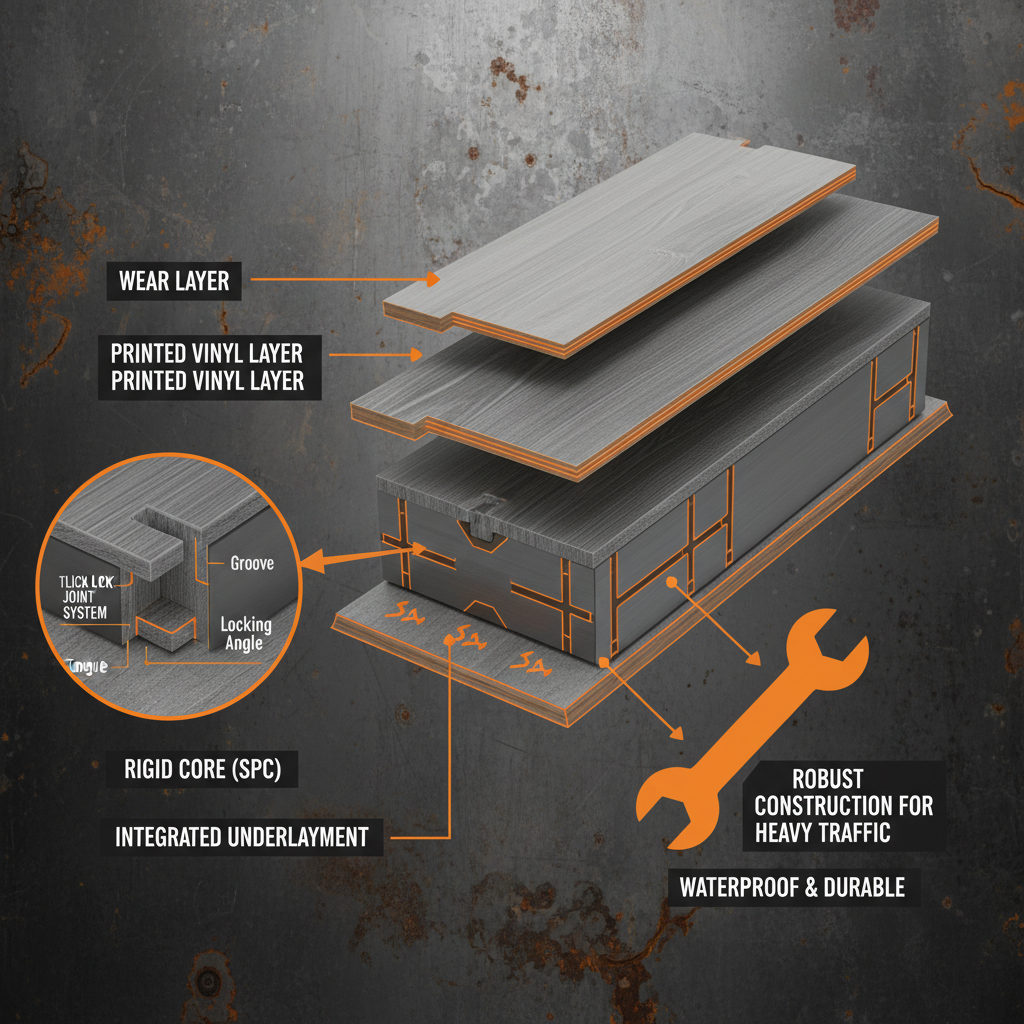
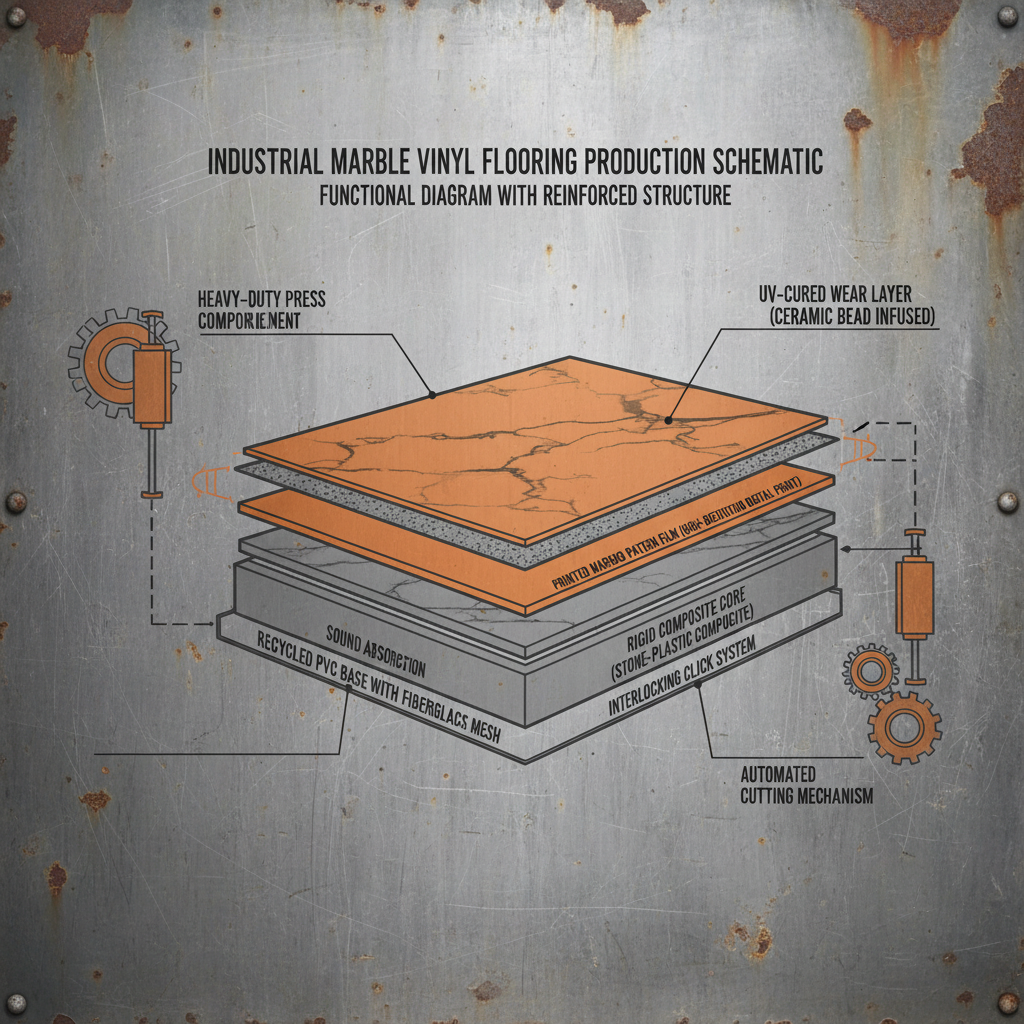
Vinyl hardwood flooring is a multi-layered flooring product primarily composed of polyvinyl chloride (PVC) – a highly durable and versatile synthetic plastic. It’s designed to replicate the appearance of natural hardwood, but with significant advantages in terms of maintenance, water resistance, and cost. The construction typically involves a wear layer, a decorative layer (the printed wood-look image), and a core layer for stability.
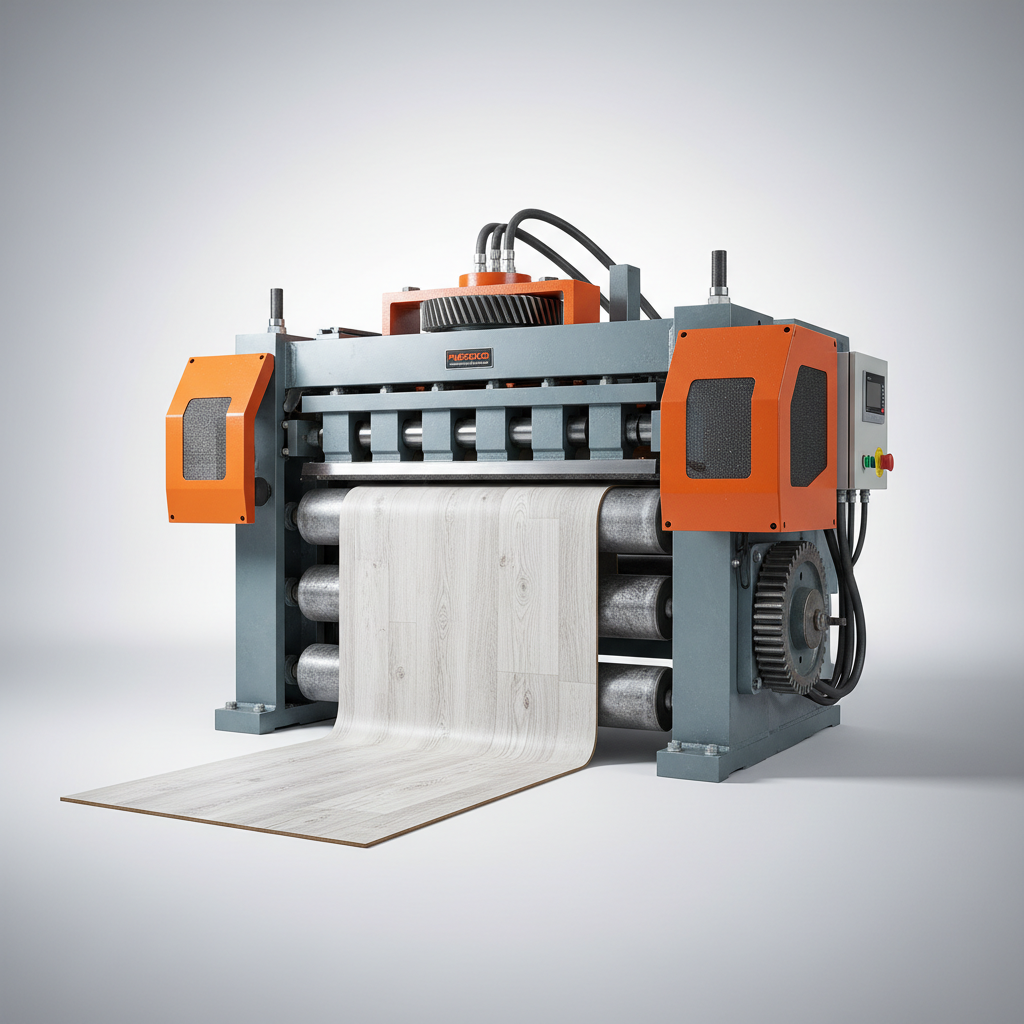
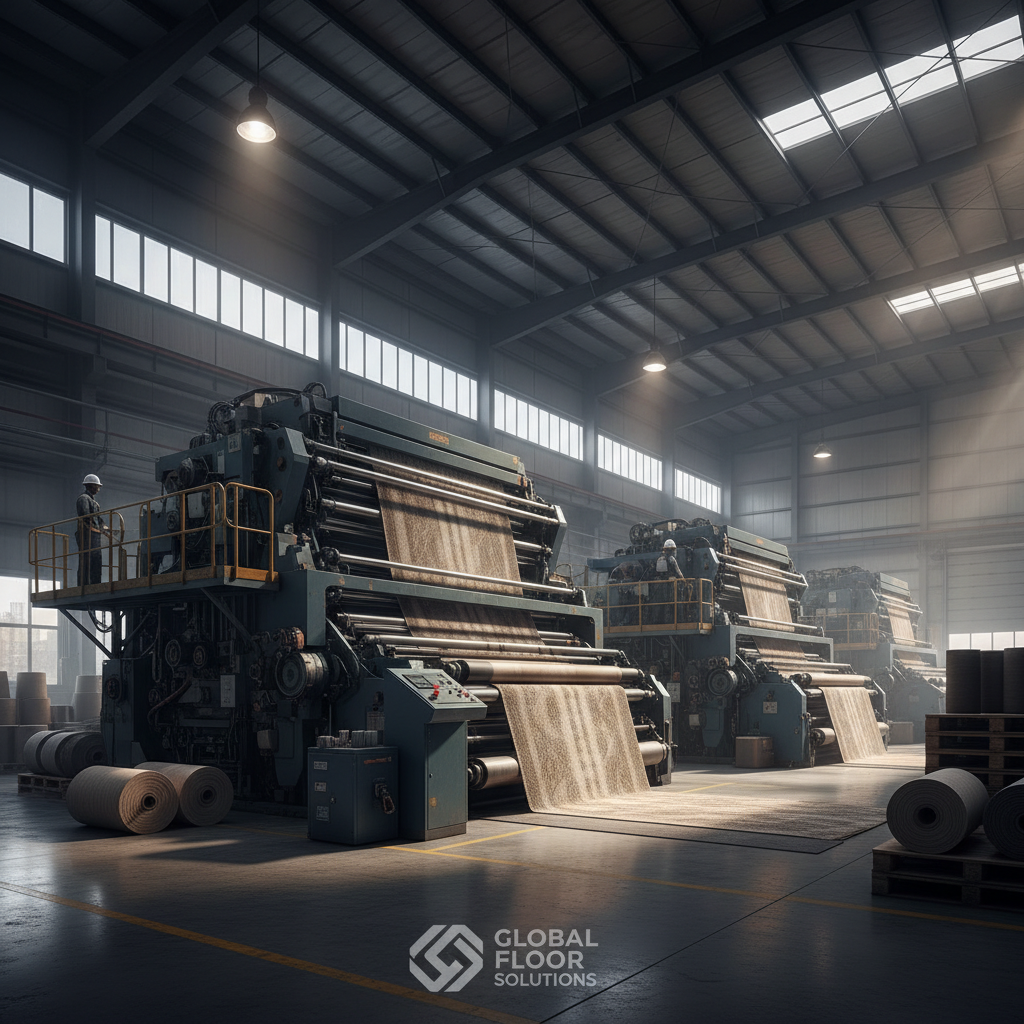
The connection to modern industry lies in the continuous innovation in materials science and manufacturing processes. Vinyl hardwood flooring is a product of these advancements, providing a solution to the limitations of traditional materials. The ability to customize designs, textures, and finishes through digital printing and embossing techniques further enhances its versatility.
Its relevance extends to humanitarian needs as well. Vinyl hardwood flooring's water resistance and durability make it a suitable option for emergency shelters, temporary housing, and disaster relief efforts where providing safe and hygienic living conditions is paramount. Its ease of installation also makes it advantageous in these situations.
Core Components of Vinyl Hardwood Flooring
Understanding the different layers of vinyl hardwood flooring is essential for appreciating its performance characteristics. The wear layer is the top protective coating that resists scratches, scuffs, and stains. Its thickness is a critical indicator of durability, with thicker wear layers lasting longer. The decorative layer provides the visual aesthetic, featuring high-resolution printed images of various wood species and patterns.
The core layer provides structural stability and impact resistance. Different types of core layers exist, including WPC (wood plastic composite) and SPC (stone plastic composite). WPC cores are generally softer and more comfortable underfoot, while SPC cores are denser and more rigid, offering superior stability and water resistance. The backing layer adds cushioning and sound absorption, enhancing comfort and reducing noise.
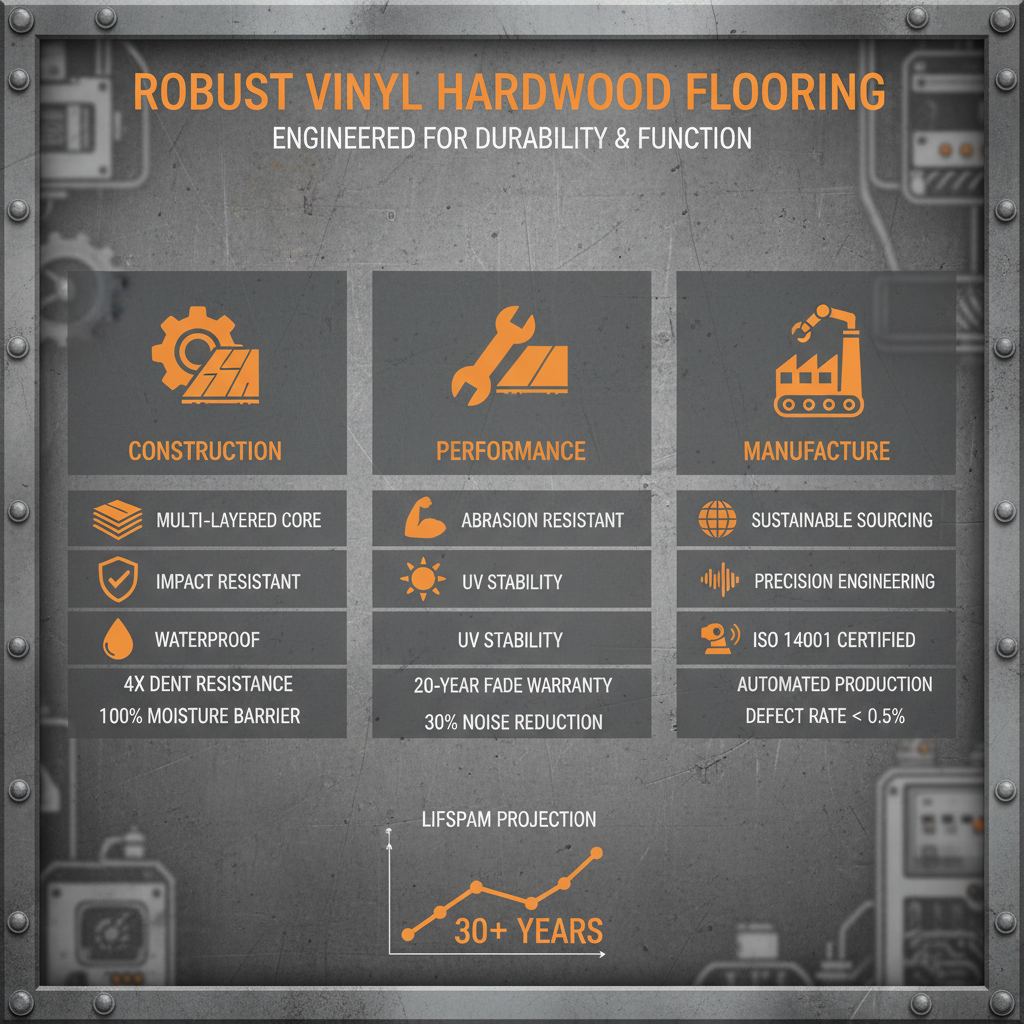
These components work synergistically to deliver a flooring solution that is both visually appealing and exceptionally practical. The quality of each layer directly impacts the overall performance, longevity, and cost of the vinyl hardwood flooring. Choosing a product with a high-quality wear layer and a stable core is crucial for long-term satisfaction.
Global Applications of Vinyl Hardwood Flooring
Vinyl hardwood flooring finds widespread application in both residential and commercial settings. In homes, it’s commonly used in kitchens, bathrooms, living rooms, and bedrooms, offering a stylish and low-maintenance alternative to traditional hardwood. Its water resistance makes it particularly suitable for areas prone to moisture.
Commercially, vinyl hardwood flooring is favored in retail spaces, offices, healthcare facilities, and educational institutions. Its durability and ease of cleaning make it ideal for high-traffic areas. Moreover, its aesthetic versatility allows it to complement a wide range of interior design styles.
Vinyl Hardwood Flooring Performance Comparison
Advantages and Long-Term Value
The advantages of vinyl hardwood flooring are numerous. Cost-effectiveness is a major draw, as it often costs significantly less than traditional hardwood. Sustainability is another benefit, as many vinyl flooring manufacturers are utilizing recycled materials and implementing eco-friendly production processes. Its water resistance safeguards against damage and mold growth.
From a long-term value perspective, vinyl hardwood flooring offers significant savings on maintenance costs. It doesn’t require the same level of care as hardwood, such as refinishing or regular polishing. This allows homeowners and businesses to allocate resources to other priorities. The improved durability compared to other flooring options also reduces the need for frequent replacements, further enhancing its value.
Future Trends in Vinyl Hardwood Flooring
The future of vinyl hardwood flooring points towards even more realistic aesthetics and enhanced performance features. Expect to see advancements in embossing technologies that create more tactile wood-grain textures. Digital printing capabilities will enable highly customized designs and patterns. Furthermore, manufacturers are actively exploring the use of bio-based materials to further enhance the sustainability profile of vinyl flooring.
Increased emphasis on antimicrobial properties is also anticipated, particularly in healthcare and educational settings. Smart flooring systems incorporating sensors for temperature, humidity, and foot traffic are also on the horizon. These innovations will transform vinyl hardwood flooring into an even more versatile and intelligent flooring solution.
The integration of augmented reality (AR) and virtual reality (VR) technologies will also revolutionize the purchasing process, allowing consumers to visualize how different vinyl hardwood flooring options will look in their homes before making a decision.
Challenges and Solutions in Vinyl Hardwood Flooring
While vinyl hardwood flooring offers many benefits, certain challenges exist. Concerns regarding the environmental impact of PVC production are prompting manufacturers to invest in more sustainable materials and recycling programs. Another challenge is the potential for off-gassing of volatile organic compounds (VOCs), although low-VOC options are becoming increasingly prevalent.
Solutions include utilizing phthalate-free vinyl formulations, incorporating recycled content, and implementing closed-loop manufacturing processes. Proper ventilation during and after installation is crucial for minimizing VOC exposure. Choosing certified products that meet stringent environmental standards (e.g., FloorScore) can also provide assurance of low emissions.
Another challenge is ensuring long-term durability and resistance to indentations. Addressing this requires selecting products with thicker wear layers and robust core constructions, as well as utilizing furniture pads to distribute weight and prevent damage.
Summary of Vinyl Hardwood Flooring Challenges and Solutions
| Challenge |
Impact Level (1-5) |
Proposed Solution |
Implementation Cost (1-5) |
| PVC Production Environmental Impact |
4 |
Utilize Recycled Content & Bio-Based Materials |
3 |
| VOC Emissions |
3 |
Low-VOC Formulations & Proper Ventilation |
1 |
| Resistance to Indentations |
2 |
Thicker Wear Layers & Furniture Pads |
1 |
| Long-Term Color Fading |
2 |
UV-Resistant Wear Layer Technology |
2 |
| Installation Complexity (Certain Methods) |
2 |
Click-Lock Systems & Professional Installation |
2 |
| Limited Repair Options |
1 |
Keep Extra Planks for Repairs |
1 |
FAQS
While both vinyl and laminate offer wood-look aesthetics at a lower cost than hardwood, they differ significantly in composition. Vinyl is 100% waterproof, making it ideal for damp areas. Laminate has a wood composite core that can swell if exposed to water. Vinyl generally feels softer and warmer underfoot. Luxury vinyl plank (LVP) is often more durable and realistic in appearance than laminate.
Yes, vinyl hardwood flooring is an excellent choice for bathrooms due to its waterproof or water-resistant properties. This prevents water from seeping into the subfloor, which can lead to mold and mildew growth. Ensure you choose a 100% waterproof vinyl, like WPC or SPC, for optimal performance in a bathroom environment.
The lifespan of vinyl hardwood flooring varies depending on the quality of the product and the level of foot traffic. With proper care, high-quality vinyl flooring can last 10-20 years or even longer. Factors like wear layer thickness and core material significantly impact durability. Regular cleaning and the use of furniture pads can extend its lifespan.
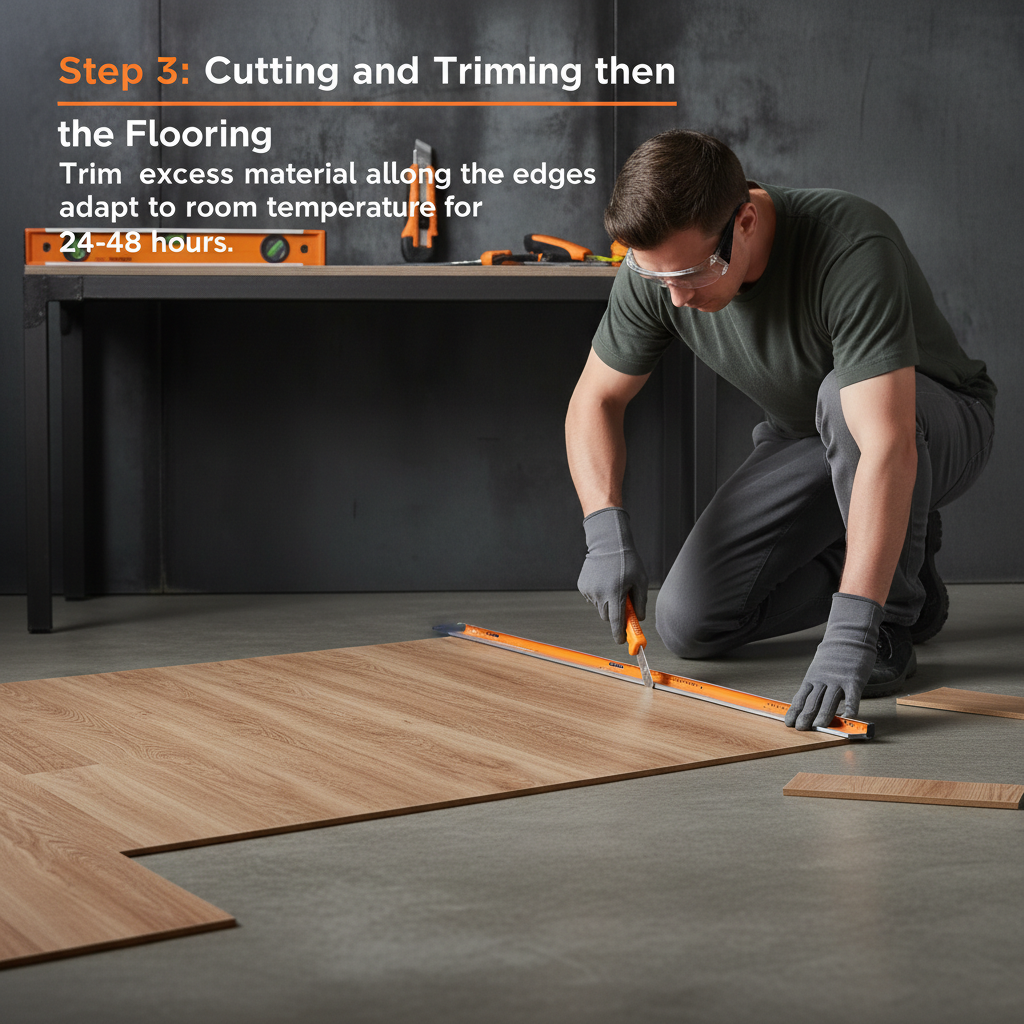
Many vinyl hardwood flooring options, particularly LVP and LVT with click-lock systems, are designed for DIY installation. However, proper subfloor preparation is crucial for a successful installation. For larger areas or complex installations, it's recommended to hire a professional installer to ensure a seamless and long-lasting result.
Cleaning vinyl hardwood flooring is relatively simple. Regular sweeping or vacuuming removes dirt and debris. Damp mopping with a pH-neutral cleaner is recommended. Avoid harsh chemicals, abrasive cleaners, and excessive water. Using furniture pads under heavy items will prevent indentations and scratches.
The environmental impact of vinyl flooring is a growing concern. However, many manufacturers are now utilizing recycled materials and implementing sustainable production practices. Look for products with certifications like FloorScore, which indicates low VOC emissions. Choosing a durable product reduces the need for frequent replacements, minimizing waste.
Conclusion
In conclusion, vinyl hardwood flooring represents a compelling solution for those seeking a durable, stylish, and cost-effective flooring option. Its water resistance, ease of maintenance, and realistic wood-look aesthetics make it a versatile choice for a wide range of applications, from residential homes to commercial spaces. Ongoing innovation in materials and manufacturing techniques continues to enhance its performance and sustainability profile.
Looking ahead, embracing eco-friendly options, prioritizing quality and durability, and staying informed about emerging trends will be crucial for maximizing the long-term benefits of vinyl hardwood flooring. For a wide selection of high-quality vinyl hardwood flooring and expert advice, visit our website at vinyl hardwood flooring today.