Wet room vinyl flooring is rapidly gaining prominence as a versatile and practical solution for modern bathroom design. It transcends simple aesthetics, offering a waterproof, hygienic, and safe surface ideal for creating accessible and stylish wet rooms. Globally, the demand for adaptable and inclusive living spaces is rising, driven by aging populations and increasing awareness of disability access requirements. This trend fuels the need for flooring that prioritizes safety and ease of maintenance.
The appeal of wet room vinyl flooring extends beyond residential applications. Commercial sectors like healthcare facilities, spas, and hotels are increasingly adopting it due to its durability, slip-resistance, and easy sterilization. The World Health Organization emphasizes the importance of hygiene in healthcare settings, making such flooring a crucial element in infection control. Innovations in vinyl technology are constantly improving its performance and aesthetic appeal.
Understanding the nuances of wet room vinyl flooring – its types, installation methods, and long-term maintenance – is critical for architects, designers, and homeowners alike. Investing in a quality wet room vinyl floor ensures a durable, safe, and visually appealing space for years to come, offering a significant return on investment through reduced maintenance and enhanced accessibility.
The Rise of Wet Room Vinyl Flooring
The increasing popularity of wet room vinyl flooring isn't merely a design trend; it’s a response to evolving lifestyles and accessibility needs. Traditionally, bathrooms were designed with separate, raised shower trays or baths. Wet rooms, however, feature a level access shower area directly integrated with the bathroom floor, creating a seamless and modern aesthetic. wet room vinyl flooring is crucial for achieving this because of its inherent waterproof qualities.
This approach is particularly appealing for homeowners seeking to age in place, as the absence of steps reduces the risk of falls. Furthermore, wet rooms maximize space utilization, making them ideal for smaller bathrooms. The demand for this type of bathroom is projected to continue growing alongside the rise in universal design principles.
Defining Wet Room Vinyl Flooring
Wet room vinyl flooring, in its simplest form, is a resilient flooring material specifically designed to withstand constant exposure to water. Unlike traditional vinyl flooring, it’s entirely waterproof – meaning water cannot penetrate the core of the material. This is typically achieved through a 100% waterproof core, often made from stone plastic composite (SPC) or similar materials.
It differs significantly from sheet vinyl or luxury vinyl tile (LVT) which, while water-resistant, can still be damaged by prolonged water exposure if seams aren't perfectly sealed. Wet room vinyl flooring often features click-lock installation systems for a secure and waterproof fit, eliminating the need for messy adhesives.
This flooring type plays a vital role in creating accessible and safe environments. Its waterproof nature eliminates the risk of subfloor damage and mold growth, contributing to healthier indoor air quality and reducing long-term maintenance costs.
Key Characteristics of Quality Vinyl
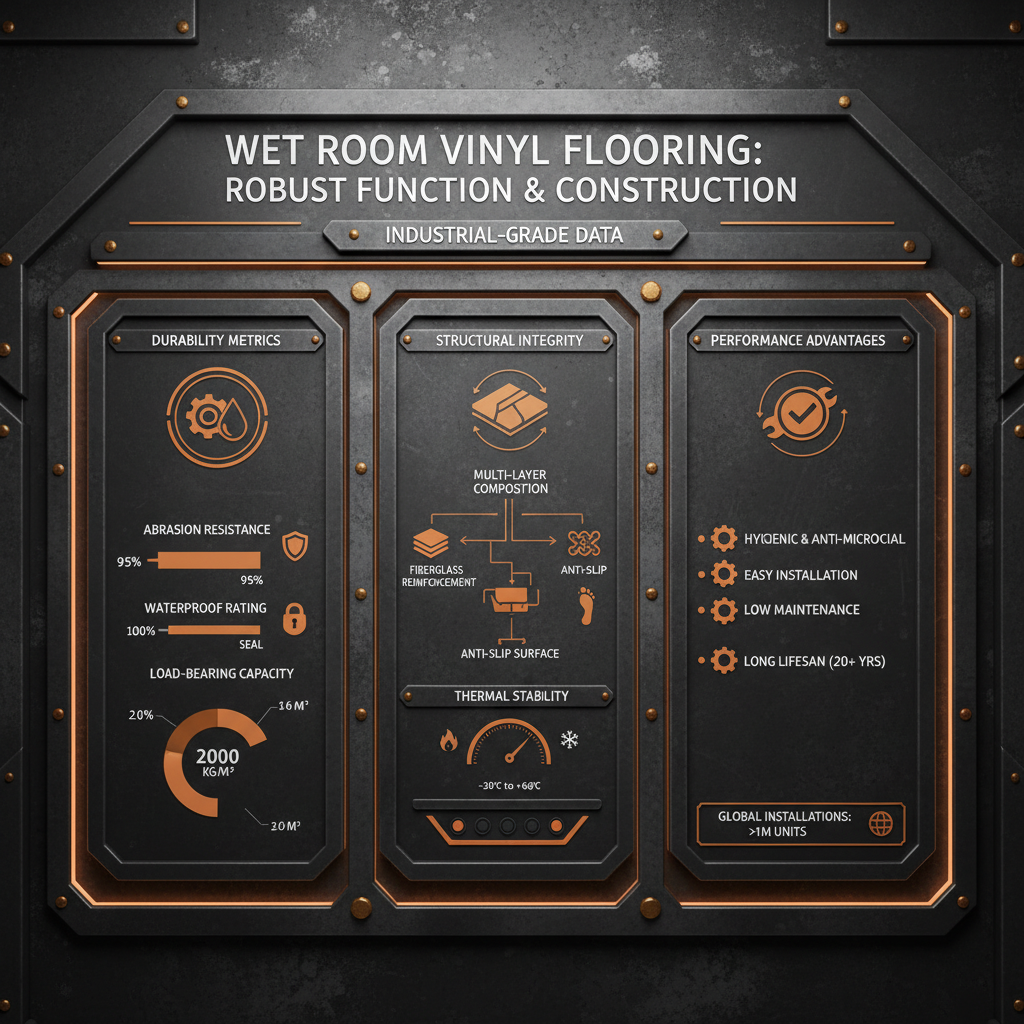
Selecting the right wet room vinyl flooring involves understanding its key characteristics. Durability is paramount, considering the high-traffic nature of bathrooms and constant water exposure. Look for flooring with a high wear layer – the protective top layer that resists scratches and scuffs. A thicker wear layer translates to a longer lifespan and better resistance to everyday wear and tear.
Slip resistance is equally crucial. Wet floors can be hazardous, so choosing flooring with a textured surface or a high slip-resistance rating (measured by a dynamic coefficient of friction) is essential, especially for households with children or elderly individuals. Also, consider the core material. SPC cores are known for their exceptional dimensional stability and resistance to temperature fluctuations.
Finally, ease of cleaning and maintenance contribute significantly to the long-term value of wet room vinyl flooring. The material should be non-porous and resistant to stains, allowing for simple cleaning with mild detergents. This minimizes the need for harsh chemicals and preserves the flooring’s appearance over time.
Performance Metrics and Standards
The performance of wet room vinyl flooring is evaluated using several industry standards. Water absorption is a primary metric, often measured according to EN 12020, with lower percentages indicating superior waterproof performance. Dimensional stability, the ability to resist warping or shrinking under varying temperatures and humidity, is assessed using standards like EN ISO 23999.
Wear resistance is determined by the abrasion resistance test (EN 660-2), which measures the flooring’s ability to withstand surface wear. Slip resistance is evaluated using the pendulum test (BS 7976-2), providing a coefficient of friction value. Adherence to these standards ensures the flooring meets specific performance requirements and offers reliable long-term performance.
Wet Room Vinyl Flooring Performance Comparison
Global Applications & Industry Adoption
The applications of wet room vinyl flooring are diverse and global. In Europe, particularly in countries like Germany and the Netherlands, wet rooms are a standard feature in many homes, driven by space-saving design and accessibility needs. wet room vinyl flooring is frequently chosen for these projects. Healthcare facilities worldwide, including hospitals and assisted living centers, are increasingly adopting wet room vinyl flooring for its hygiene and safety benefits.
The hospitality industry also benefits, utilizing it in hotel bathrooms and spa facilities to create a luxurious and easy-to-maintain environment. In post-disaster relief operations, rapid deployment of waterproof and hygienic flooring solutions like wet room vinyl is crucial for creating temporary shelters and medical facilities.
Benefits and Long-Term Value Proposition
Investing in wet room vinyl flooring offers a compelling long-term value proposition. The cost-effectiveness is evident in reduced maintenance expenses. Its waterproof nature prevents subfloor damage, eliminating costly repairs associated with water leaks and mold growth. Furthermore, the durability of the material ensures a longer lifespan compared to traditional bathroom flooring options.
From a sustainability standpoint, many wet room vinyl flooring manufacturers are prioritizing eco-friendly materials and production processes. Choosing flooring with recycled content and low VOC emissions contributes to a healthier indoor environment and reduces environmental impact. The enhanced safety and accessibility it provides also contribute to a higher quality of life.
Future Trends and Material Innovations
The future of wet room vinyl flooring is poised for significant innovation. Research is focusing on developing even more sustainable materials, including bio-based vinyl options and recycled plastic content. Advancements in digital printing technology are enabling increasingly realistic wood and stone looks, expanding design possibilities.
Smart flooring solutions, incorporating sensors for temperature and moisture monitoring, are also emerging. These technologies can detect potential leaks early on, preventing water damage and improving overall bathroom management. The integration of antimicrobial coatings will further enhance hygiene and reduce the risk of bacterial growth.
FAQS
To maintain your wet room vinyl flooring, regular sweeping or vacuuming to remove debris is recommended. For deeper cleaning, use a mild detergent diluted in warm water. Avoid abrasive cleaners or scrubbing pads, as these can damage the surface. Rinse thoroughly with clean water and dry with a soft cloth. Regular cleaning helps preserve its appearance and prevent the buildup of grime and mildew.
Yes, most high-quality wet room vinyl flooring is compatible with underfloor heating systems. However, it's crucial to check the manufacturer's specifications, as some flooring types have maximum temperature limitations. Ensure the underfloor heating is evenly distributed and doesn’t exceed the recommended temperature to prevent damage to the flooring. Using a thermal underlay can further enhance performance.
Proper installation is key to preventing water seepage. Ensure the subfloor is level, clean, and dry before installation. Utilize a waterproof membrane beneath the vinyl flooring for an extra layer of protection. For click-lock installations, carefully align the planks and ensure a tight seal. Regularly inspect the seams for any signs of separation and address them promptly with waterproof sealant.
The lifespan of wet room vinyl flooring varies depending on the quality, wear layer thickness, and level of traffic. Generally, high-quality vinyl flooring with a wear layer of 0.3mm or higher can last 15-25 years with proper maintenance. Choosing a flooring with a thicker wear layer and following the manufacturer's care instructions will maximize its longevity and maintain its appearance over time.
Many manufacturers are now producing more eco-friendly wet room vinyl flooring options. Look for products with recycled content, low VOC emissions, and certifications such as FloorScore or GREENGUARD. Choosing sustainably sourced materials and supporting manufacturers committed to environmentally responsible production processes can minimize the environmental impact.
It depends on the condition of the existing tiles. If the tiles are level, firmly adhered, and free of cracks, you may be able to install wet room vinyl flooring over them, using a suitable underlayment. However, it's crucial to ensure the subfloor is stable and doesn't flex. Professional installation is recommended to assess the existing subfloor and ensure a successful outcome.
Conclusion
Wet room vinyl flooring represents a significant advancement in bathroom design and functionality. Its waterproof nature, durability, and ease of maintenance offer a compelling alternative to traditional flooring materials. The increasing adoption of wet rooms globally, driven by accessibility needs and evolving design preferences, underscores the growing importance of this versatile flooring solution.
As technology continues to advance, we can expect further innovations in materials, installation methods, and smart features. Choosing high-quality wet room vinyl flooring is an investment in a safe, hygienic, and stylish bathroom that will provide lasting value and enhance the quality of life for years to come. For premium wet room vinyl flooring solutions, visit our website today.