Waterproof vinyl flooring has rapidly become a leading choice for flooring solutions globally, prized for its durability, affordability, and resistance to moisture. This versatile material caters to a diverse range of applications, from residential homes to commercial spaces, addressing a growing need for robust and long-lasting flooring options. Its rising popularity is driven by changing lifestyles, an increased focus on practicality, and a demand for aesthetically pleasing designs that can withstand the rigors of daily life.
The global flooring market is a multi-billion dollar industry, with waterproof vinyl flooring capturing an increasingly significant share. According to industry reports, the vinyl flooring market is projected to reach \$63.5 billion by 2028, growing at a CAGR of 5.5% from 2021 to 2028. This growth is particularly pronounced in developing nations, driven by rapid urbanization and infrastructure development. Waterproof vinyl flooring addresses a critical need for flooring that can withstand high-humidity environments and resist water damage, a common problem in many parts of the world.
Understanding the nuances of waterproof vinyl flooring – its composition, installation, maintenance, and long-term benefits – is crucial for homeowners, contractors, and architects alike. Choosing the right type of waterproof vinyl flooring, whether it's luxury vinyl plank (LVP) or luxury vinyl tile (LVT), can significantly impact the comfort, value, and longevity of a space. This guide provides a comprehensive overview of this essential flooring material, offering valuable insights into its features and applications.
Introduction to Waterproof Vinyl Flooring
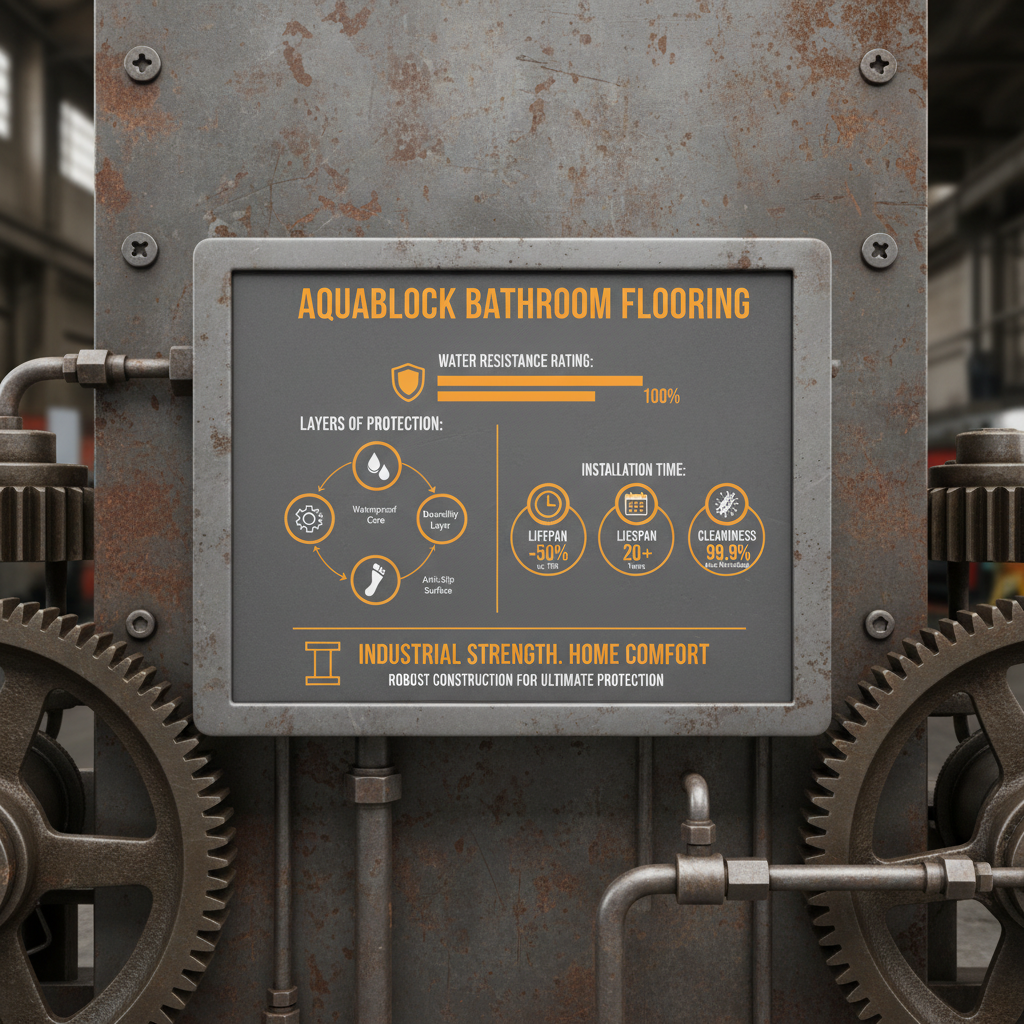
Waterproof vinyl flooring offers an exceptional blend of aesthetic appeal and practical functionality. Unlike traditional flooring materials that can be susceptible to water damage, warping, or staining, waterproof vinyl is specifically engineered to repel moisture, making it an ideal choice for areas prone to spills, humidity, or even flooding. Its core construction incorporates a waterproof core layer, often made of solid vinyl or a composite material, preventing water from penetrating the flooring and damaging the subfloor.
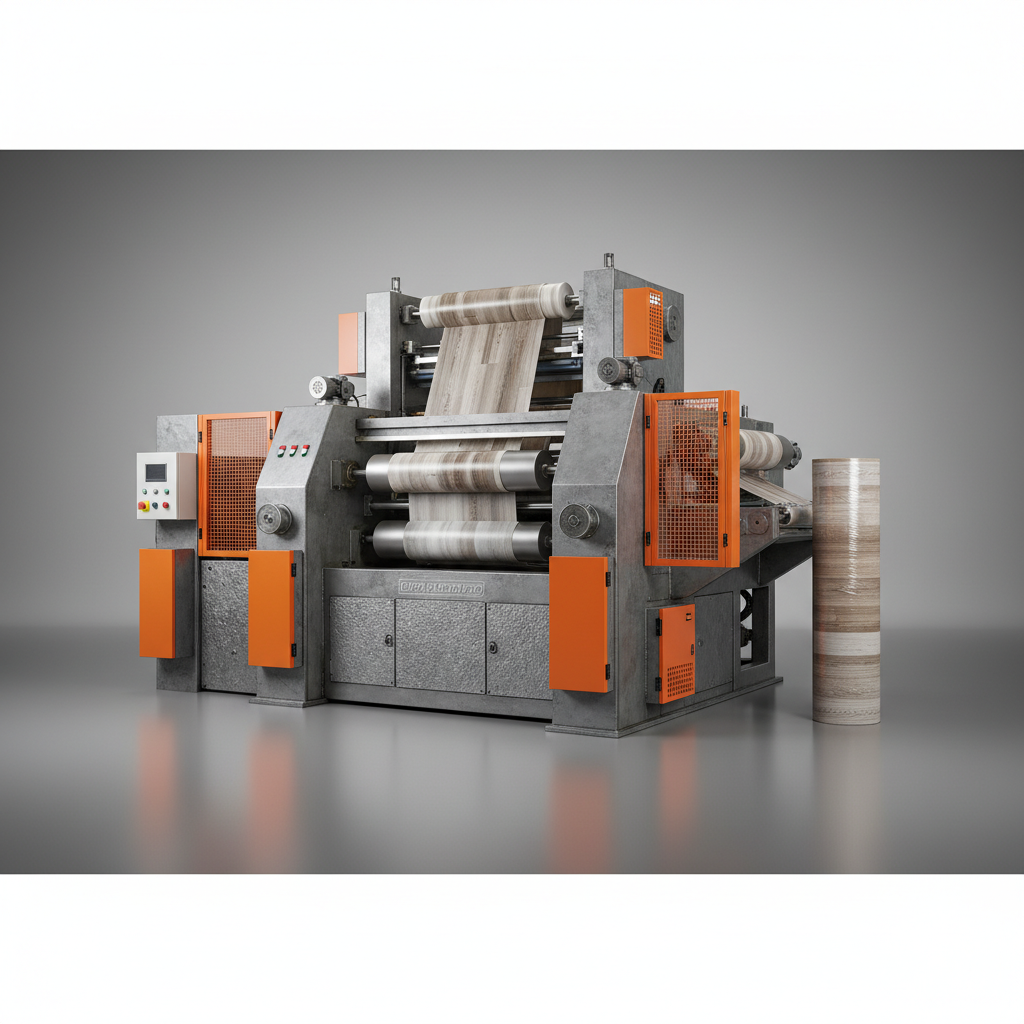
The versatility of waterproof vinyl extends beyond its moisture resistance. It’s available in a vast array of styles, colors, and patterns, mimicking the look of natural materials like hardwood, stone, and tile, but at a fraction of the cost. This makes it a budget-friendly option for homeowners and businesses looking to achieve a high-end aesthetic without the associated maintenance and expense. With advancements in manufacturing technology, waterproof vinyl flooring now offers realistic textures and designs, further enhancing its visual appeal.
Defining Waterproof Vinyl Flooring
Waterproof vinyl flooring refers to a type of resilient flooring engineered to completely resist water penetration. It differs from water-resistant vinyl flooring, which can withstand some moisture but may be damaged by prolonged exposure. The key distinguishing factor lies in its core construction. Waterproof vinyl flooring typically features a solid vinyl core, a stone plastic composite (SPC) core, or a wood plastic composite (WPC) core, all of which are impervious to water.
This impermeability is crucial in preventing moisture from seeping into the subfloor, which can lead to mold growth, structural damage, and costly repairs. Luxury Vinyl Plank (LVP) and Luxury Vinyl Tile (LVT) are two common forms of waterproof vinyl flooring, differing primarily in their appearance. LVP mimics the look of hardwood planks, while LVT replicates the appearance of ceramic or stone tiles. Both are designed for easy installation, often featuring click-lock systems that eliminate the need for adhesives.
The relevance to modern industry and humanitarian needs stems from its practicality and durability. In construction, it provides a reliable and cost-effective flooring solution for homes, businesses, and public spaces. In disaster relief scenarios, its waterproof nature makes it invaluable for temporary shelters and emergency housing, providing a sanitary and comfortable living environment.
Key Characteristics of Waterproof Vinyl Flooring
Durability: Waterproof vinyl flooring is exceptionally durable, resisting scratches, dents, and wear and tear from heavy foot traffic. Its robust construction ensures long-lasting performance, even in high-use areas. This durability translates to reduced replacement costs and a longer lifespan compared to other flooring options.
Water Resistance: As the name suggests, its primary characteristic is its complete resistance to water. This makes it ideal for bathrooms, kitchens, laundry rooms, and basements, where moisture is a common concern. The waterproof core prevents water from damaging the subfloor, minimizing the risk of mold and structural issues.
Comfort & Quietness: Waterproof vinyl flooring often features a cushioned layer that provides underfoot comfort and reduces noise. This makes it a more pleasant walking surface compared to harder flooring materials like tile or stone. The cushioning also contributes to improved sound absorption, creating a quieter environment.
Easy Maintenance: Maintaining waterproof vinyl flooring is remarkably easy. Regular sweeping and occasional mopping with a mild detergent are typically sufficient to keep it clean and looking its best. Its stain-resistant surface simplifies cleanup of spills and messes.
Design Versatility: Waterproof vinyl flooring is available in a stunning array of styles, colors, and patterns. It can mimic the look of hardwood, stone, tile, and other materials, offering homeowners and designers a wide range of aesthetic options.
Global Applications of Waterproof Vinyl Flooring
The applications of waterproof vinyl flooring are incredibly diverse, spanning residential, commercial, and even specialized sectors. In residential settings, it's a popular choice for kitchens, bathrooms, basements, and living areas, providing a stylish and practical flooring solution. Its water resistance and durability make it especially well-suited for households with children and pets.
Commercially, waterproof vinyl flooring finds widespread use in retail stores, healthcare facilities, schools, and offices. Its ability to withstand heavy foot traffic and resist stains makes it an ideal choice for high-traffic areas. In healthcare settings, its hygienic properties and ease of cleaning are particularly valued. In remote industrial zones, waterproof vinyl flooring provides a durable and easily maintainable floor surface in challenging environments.
In post-disaster relief operations, waterproof vinyl flooring is increasingly utilized for providing quick and sanitary flooring solutions in temporary shelters and emergency housing. Its ease of installation and water resistance make it invaluable in these situations, offering a comfortable and hygienic living space for displaced individuals.
Waterproof Vinyl Flooring Application Breakdown
Advantages and Long-Term Value
The advantages of waterproof vinyl flooring extend beyond its immediate benefits, offering significant long-term value. Cost-effectively, it represents a smart investment. Its lower upfront cost, combined with its durability and minimal maintenance requirements, results in significant savings over the lifespan of the flooring. The cost of repair or replacement is drastically reduced compared to hardwood or tile.
From a sustainability perspective, waterproof vinyl flooring is becoming increasingly eco-friendly. Many manufacturers are utilizing recycled materials in their production processes, and some products are even certified as low-VOC (volatile organic compounds), contributing to healthier indoor air quality. Its durability also reduces waste, as it requires less frequent replacement.
Future Trends in Waterproof Vinyl Flooring
The future of waterproof vinyl flooring is poised for continued innovation. One emerging trend is the development of enhanced realism in design, with manufacturers employing advanced printing technologies to create even more authentic-looking wood and stone patterns. Another focus is on improving the sustainability of materials and manufacturing processes.
The integration of smart technology is also on the horizon. We may see waterproof vinyl flooring with embedded sensors that can monitor temperature, humidity, and even foot traffic. This data could be used to optimize building performance and enhance occupant comfort. Digital printing technologies will allow for customized designs, tailored to individual preferences and project requirements.
Challenges and Innovative Solutions
Despite its many advantages, waterproof vinyl flooring does face some challenges. One common concern is the potential for off-gassing, particularly from older or lower-quality products. Choosing low-VOC certified flooring and ensuring proper ventilation during installation can mitigate this issue.
Another challenge is the potential for indentation from heavy furniture or sharp objects. Using furniture pads and taking precautions to avoid dropping heavy items can help prevent damage. Innovative solutions are emerging, such as enhanced wear layers and more resilient core materials, to improve the flooring's resistance to indentation and impact.
Finally, proper subfloor preparation is crucial for optimal performance. Addressing any unevenness or moisture issues in the subfloor before installation will ensure a stable and long-lasting flooring solution.
Summary of Waterproof Vinyl Flooring Challenges and Solutions
| Challenge |
Impact |
Solution |
Long-Term Benefit |
| VOC Emissions |
Poor Indoor Air Quality |
Choose Low-VOC Certified Flooring |
Improved Health & Comfort |
| Indentation & Damage |
Reduced Flooring Lifespan |
Use Furniture Pads & Protective Measures |
Enhanced Durability |
| Subfloor Issues |
Uneven Surface & Instability |
Proper Subfloor Preparation |
Improved Installation Quality |
| Moisture Trapped Under Flooring |
Mold Growth & Structural Damage |
Ensure Fully Waterproof Core & Proper Sealant |
Protects Subfloor Integrity |
| Limited Repair Options |
Difficult to Patch or Restore |
Keep Extra Planks/Tiles for Repairs |
Easier Matching and Replacement |
| Installation Complexity |
Potential for Improper Installation |
Professional Installation Recommended |
Guaranteed Quality & Performance |
FAQS
Waterproof vinyl flooring boasts a completely waterproof core, unlike laminate, which has a fiberboard core that swells and warps when exposed to moisture. This means waterproof vinyl can withstand spills, humidity, and even flooding without damage, making it a far better choice for bathrooms, kitchens, and basements. While some laminates are marketed as water-resistant, they are not truly waterproof and are susceptible to damage over time. Waterproof vinyl offers complete peace of mind in areas prone to moisture.
With proper installation and maintenance, waterproof vinyl flooring can last for 15-25 years, or even longer. The lifespan depends on the quality of the flooring, the amount of foot traffic, and how well it's cared for. Choosing a thicker wear layer (the protective top layer) will significantly extend its durability. Regular cleaning and the use of furniture pads will also help to preserve its appearance and extend its life.
The environmental impact of waterproof vinyl flooring varies depending on the manufacturer and specific product. However, many manufacturers are now incorporating recycled content into their flooring and utilizing low-VOC adhesives. Look for certifications like FloorScore and Greenguard, which indicate low chemical emissions and adherence to strict environmental standards. Additionally, its long lifespan and reduced need for replacement contribute to sustainability.
In many cases, yes! Waterproof vinyl flooring can often be installed over existing flooring, such as tile, linoleum, or concrete, as long as the subfloor is level, clean, and dry. However, it’s essential to check the manufacturer’s instructions, as some products may require a specific underlayment or subfloor preparation. Avoid installing over carpet or severely uneven surfaces.
Waterproof vinyl flooring is significantly more affordable than hardwood flooring. The cost per square foot of waterproof vinyl typically ranges from \$3 to \$7, while hardwood can cost \$8 to \$20 or more per square foot, depending on the species and grade. In addition to the lower material cost, waterproof vinyl also has lower installation costs, making it a budget-friendly alternative to hardwood.
Waterproof vinyl flooring is incredibly easy to maintain. Regular sweeping or vacuuming to remove dirt and debris is recommended. For deeper cleaning, mop with a mild detergent and water. Avoid harsh chemicals, abrasive cleaners, and excessive water. Protect furniture legs with pads to prevent scratches and dents. With minimal effort, you can keep your waterproof vinyl flooring looking its best for years to come.
Conclusion
Waterproof vinyl flooring has emerged as a leading flooring solution due to its compelling combination of durability, affordability, and moisture resistance. Its versatility makes it suitable for a wide range of applications, from homes and businesses to disaster relief scenarios. As technology advances, we can expect even more innovative and sustainable waterproof vinyl flooring options to become available, further solidifying its position as a preferred choice for discerning consumers and professionals.
Investing in waterproof vinyl flooring is an investment in long-term value, reducing maintenance costs, enhancing property aesthetics, and providing peace of mind against water damage. By carefully considering your needs and selecting a high-quality product, you can enjoy the benefits of this exceptional flooring material for years to come.