Vinyl pattern flooring has revolutionized the flooring industry, offering a compelling blend of aesthetic versatility, durability, and affordability. It has moved beyond being merely a budget-friendly alternative, becoming a preferred choice for a wide range of applications, from residential homes to high-traffic commercial spaces. This flooring solution addresses the growing demand for practical, stylish, and long-lasting floor coverings in a world increasingly focused on sustainable and cost-effective building materials.
Globally, the demand for resilient flooring, including vinyl pattern flooring, is steadily increasing, driven by urbanization, population growth, and a rising preference for easy-to-maintain surfaces. According to industry reports, the global vinyl flooring market was valued at USD 32.8 billion in 2023 and is projected to reach USD 45.2 billion by 2032, growing at a CAGR of 3.7% from 2024 to 2032. This growth is particularly significant in developing economies where affordability and ease of installation are key considerations. The need for durable and hygienic flooring solutions in healthcare, education, and retail sectors further fuels this demand.
Vinyl pattern flooring provides a practical solution to the challenges of traditional flooring materials like hardwood, tile, and stone. It offers comparable aesthetics at a lower cost, along with superior water resistance, stain resistance, and ease of cleaning. This makes it an ideal option for environments susceptible to moisture or heavy foot traffic, contributing to improved indoor air quality and reduced lifecycle costs. Furthermore, advancements in manufacturing technologies now allow for incredibly realistic patterns and textures, blurring the lines between vinyl and natural materials.
Introduction to Vinyl Pattern Flooring
Vinyl pattern flooring has emerged as a prominent and versatile flooring option in both residential and commercial settings. Its ability to mimic the look of natural materials – such as wood, stone, and tile – while offering superior durability and cost-effectiveness has driven its widespread adoption. The core appeal lies in its practical benefits: easy maintenance, water resistance, and comfort underfoot.
The market for vinyl pattern flooring is segmented by product type (Luxury Vinyl Tile - LVT, Luxury Vinyl Plank - LVP, Vinyl Sheet, and others), application (residential, commercial, industrial, healthcare, education, and retail) and region. North America and Europe currently dominate the market due to established construction industries and a strong preference for aesthetically pleasing and durable flooring solutions. However, the Asia-Pacific region is experiencing the fastest growth due to rapid urbanization and increased construction activity.
Defining Vinyl Pattern Flooring
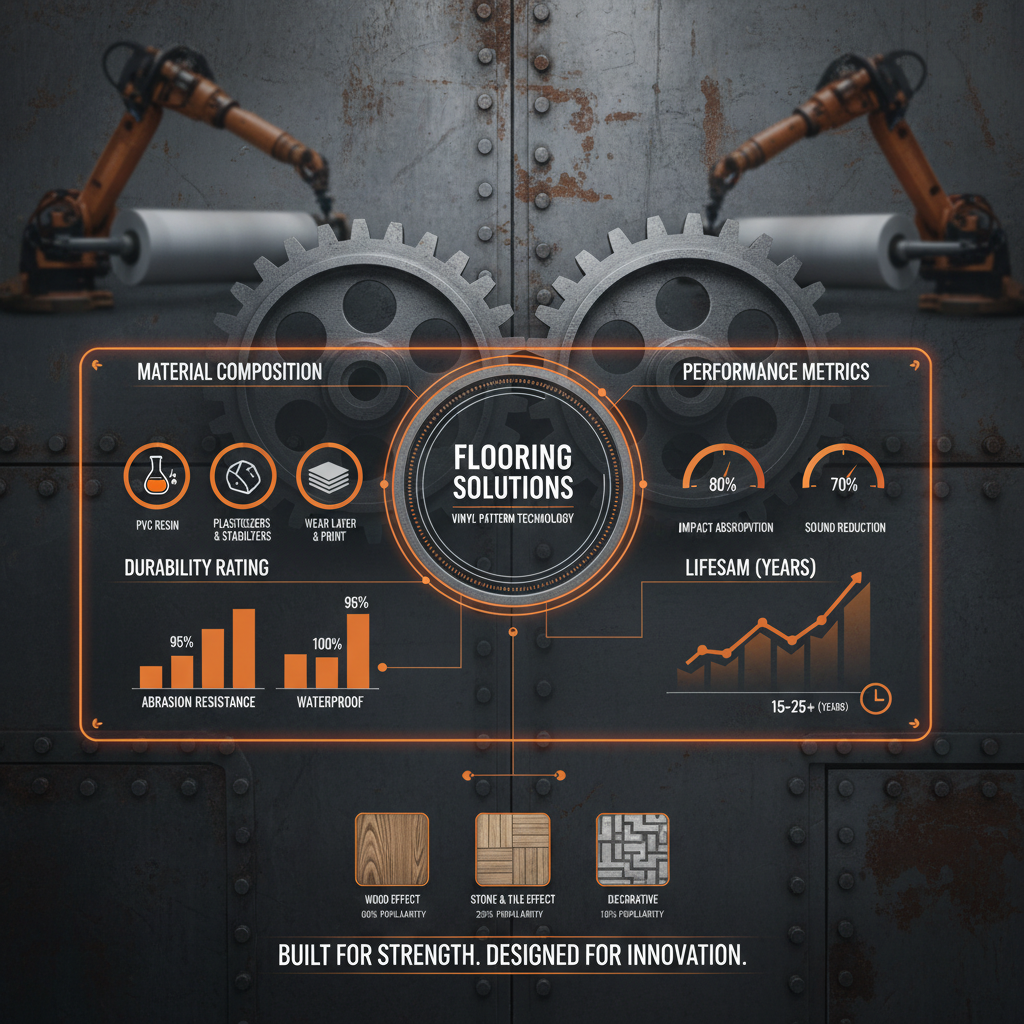
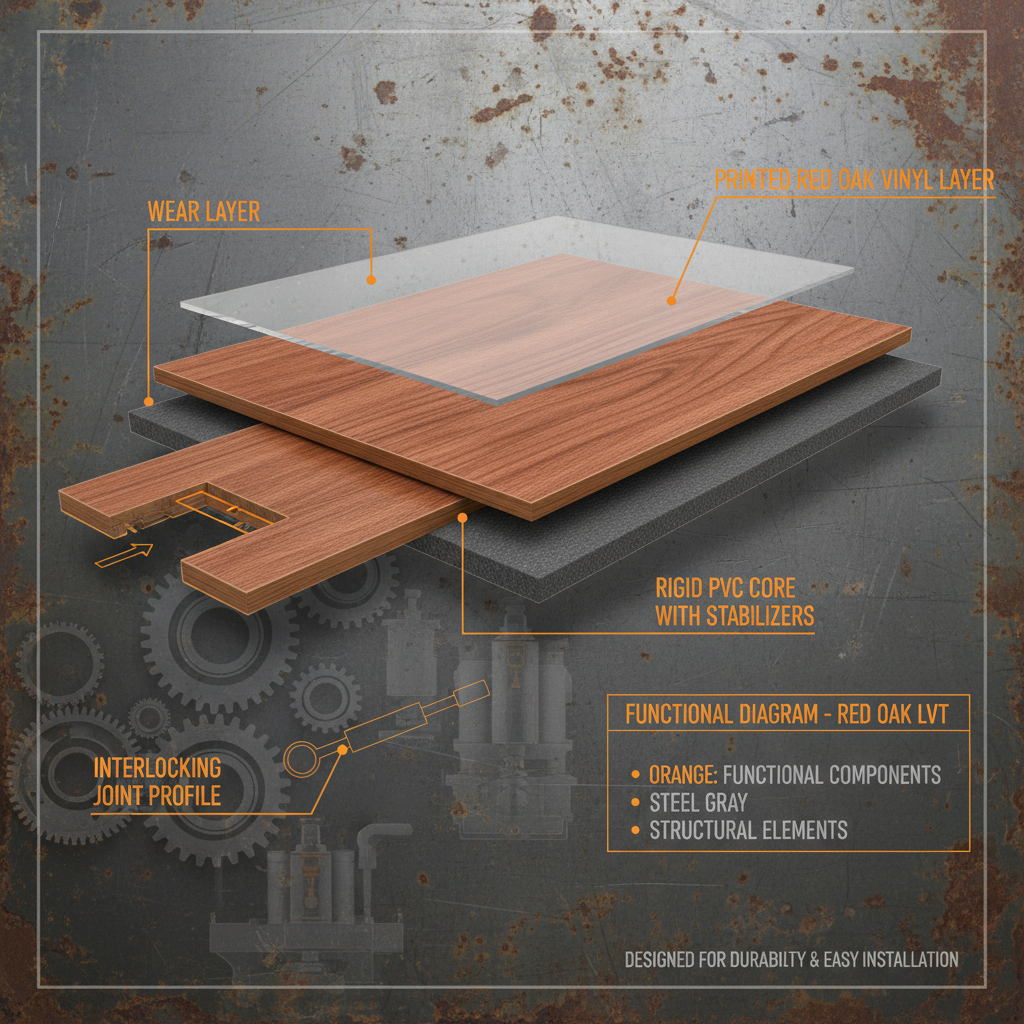
Vinyl pattern flooring is a synthetic flooring material composed of multiple layers of polyvinyl chloride (PVC). These layers are carefully constructed to provide durability, stability, and a visually appealing surface. The 'pattern' aspect refers to the printed design layer that realistically replicates the appearance of other materials, allowing for a wide range of aesthetic choices. This design layer is protected by a wear layer, which determines the flooring's resistance to scratches, dents, and stains.
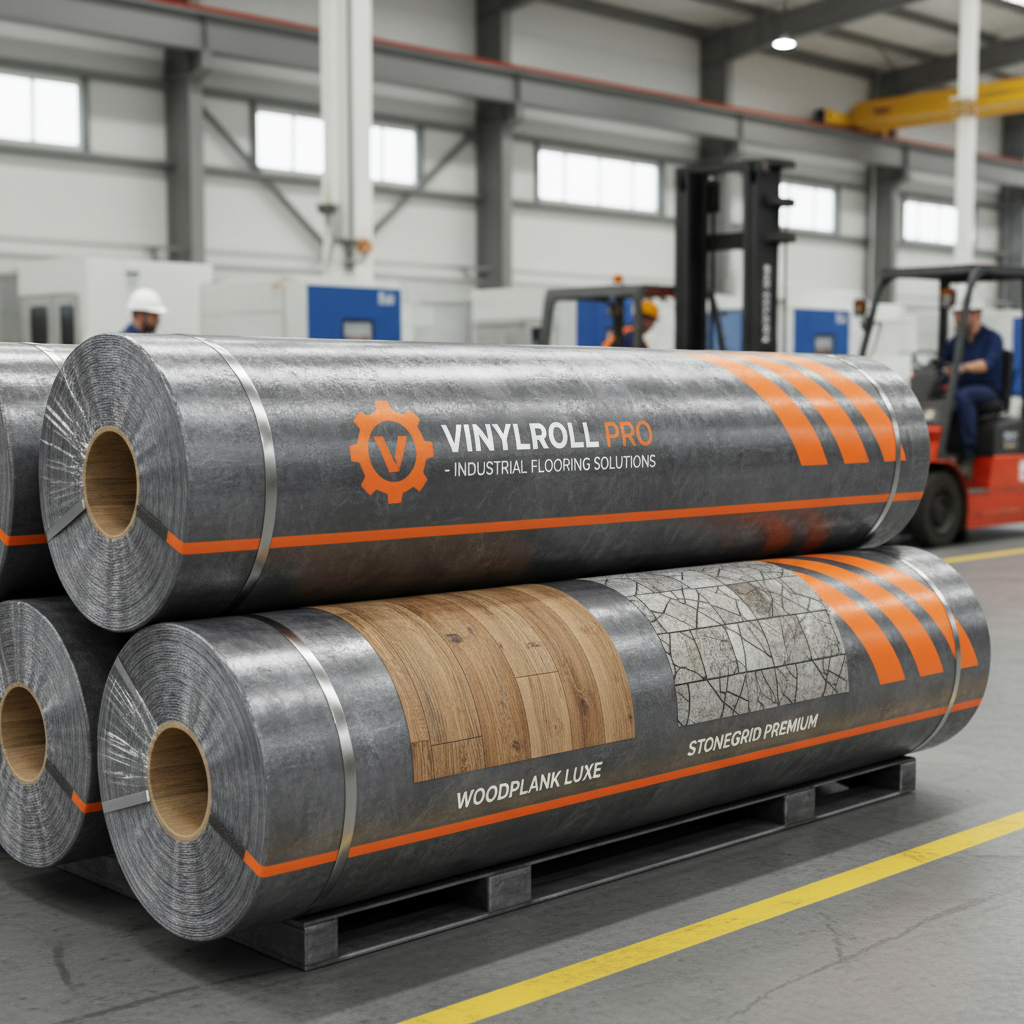
Unlike traditional sheet vinyl, modern vinyl pattern flooring often comes in formats like LVT and LVP. LVT (Luxury Vinyl Tile) mimics the look of stone or ceramic tile, while LVP (Luxury Vinyl Plank) replicates the appearance of hardwood flooring. These formats typically feature a rigid core that provides enhanced stability and allows for easier installation, often employing click-lock systems.
The connection to modern industry needs lies in the increasing demand for sustainable, cost-effective, and low-maintenance building materials. Vinyl pattern flooring addresses these needs by offering a long lifespan, reducing the need for frequent replacements, and minimizing environmental impact compared to certain natural materials. It also supports efficient construction processes due to its ease of installation and adaptability to various subfloor conditions.
Key Characteristics of Vinyl Pattern Flooring
Durability is a cornerstone of vinyl pattern flooring. The wear layer, typically measured in mils (thousandths of an inch), determines the flooring's ability to withstand foot traffic, scratches, and stains. Higher mil ratings indicate greater durability, making the flooring suitable for high-traffic areas. Proper care and maintenance further extend its lifespan, often exceeding 20 years.
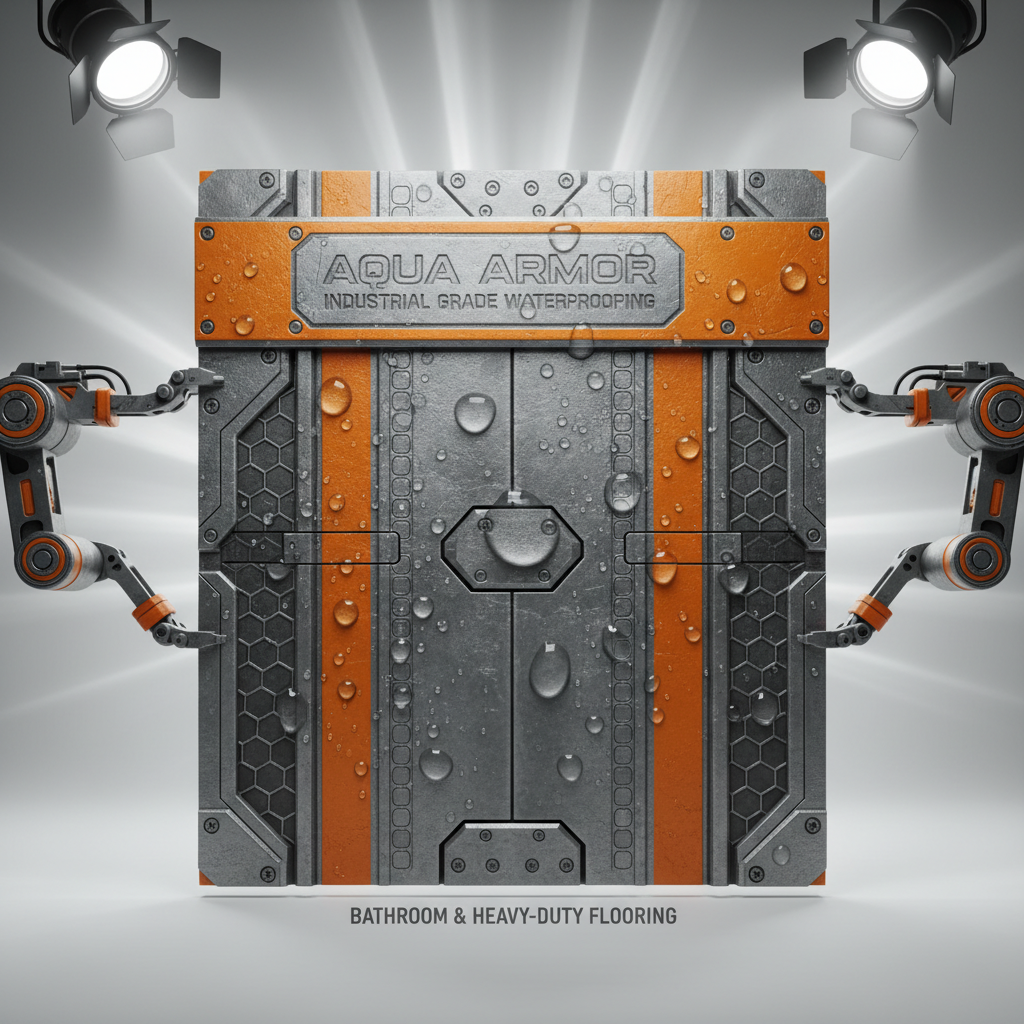
Water Resistance is another critical characteristic. Vinyl is inherently waterproof, making it an ideal choice for kitchens, bathrooms, and basements where moisture is a concern. This resistance prevents water damage, mold growth, and warping, ensuring a healthier and more hygienic indoor environment.
Aesthetic Versatility is a significant advantage. Vinyl pattern flooring is available in a vast array of colors, patterns, and textures, allowing for customization to suit any décor style. Realistic wood grain, stone patterns, and even abstract designs are readily available, providing homeowners and designers with endless creative possibilities.
Practical Applications of Vinyl Pattern Flooring
Vinyl pattern flooring finds widespread application in residential homes, particularly in kitchens, bathrooms, living rooms, and bedrooms. Its durability and water resistance make it an excellent choice for high-traffic and moisture-prone areas. The availability of realistic wood and stone looks allows homeowners to achieve a desired aesthetic without the high cost and maintenance requirements of natural materials.
Commercially, vinyl pattern flooring is commonly used in retail stores, offices, healthcare facilities, and schools. Its ability to withstand heavy foot traffic, resist stains, and maintain a clean appearance makes it a practical and cost-effective solution for these environments. Furthermore, some vinyl flooring options include antimicrobial properties, enhancing hygiene in healthcare settings.
Vinyl Pattern Flooring Performance Metrics
Advantages and Long-Term Value
One of the most compelling advantages of vinyl pattern flooring is its cost-effectiveness. Compared to hardwood, stone, or tile, vinyl provides a similar aesthetic at a significantly lower price point. This makes it an accessible option for a wider range of budgets, reducing overall project costs without compromising on style.
Beyond cost, vinyl pattern flooring offers long-term value through its durability and low maintenance requirements. It resists scratches, stains, and water damage, minimizing the need for repairs or replacements. Cleaning is simple – typically requiring only sweeping and occasional mopping – saving time and resources over the lifespan of the flooring.
Future Trends and Innovations
The future of vinyl pattern flooring is focused on sustainability and enhanced performance. Manufacturers are increasingly incorporating recycled materials into their products, reducing the environmental footprint of vinyl flooring. Bio-based vinyl options are also emerging, utilizing renewable resources to create more eco-friendly flooring solutions.
Digital printing technologies are also driving innovation, allowing for even more realistic patterns and textures. Enhanced wear layers with advanced scratch and stain resistance are being developed, further extending the lifespan of vinyl flooring. Furthermore, integration with smart home technology is on the horizon, potentially allowing for features like integrated heating or dynamic pattern changes.
Another key trend is the development of thicker, more rigid core vinyl planks and tiles, offering improved stability and sound absorption. These advancements are blurring the lines between vinyl and traditional hard flooring options, appealing to a wider range of consumers.
Challenges and Solutions
While vinyl pattern flooring offers numerous benefits, concerns regarding its environmental impact remain. Traditional vinyl production relies on PVC, a plastic derived from fossil fuels. Addressing this challenge requires a shift towards using recycled PVC and exploring bio-based alternatives. Manufacturers are actively investing in these technologies to mitigate the environmental concerns.
Another challenge is the potential for off-gassing of volatile organic compounds (VOCs). Choosing low-VOC vinyl flooring options and ensuring proper ventilation during and after installation can minimize this issue. Third-party certifications like FloorScore and GreenGuard can help consumers identify products with low VOC emissions.
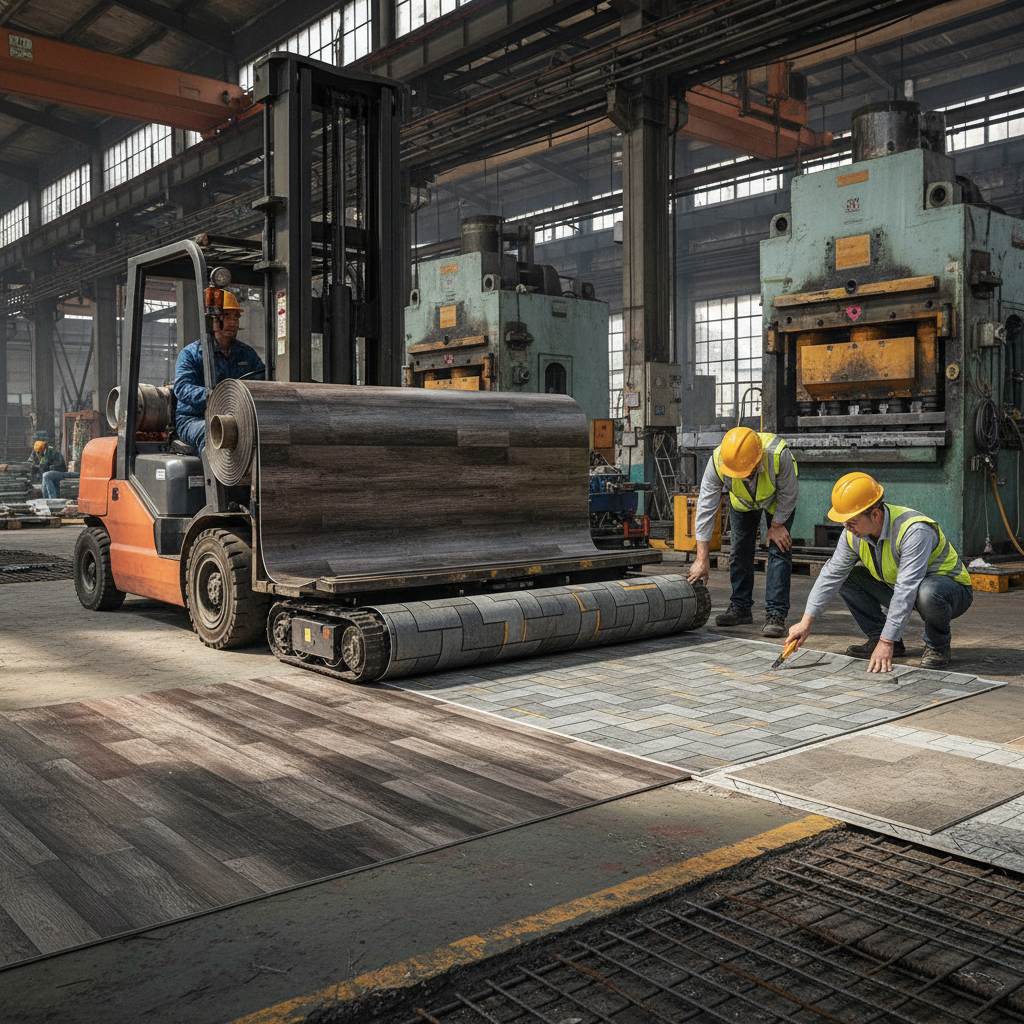
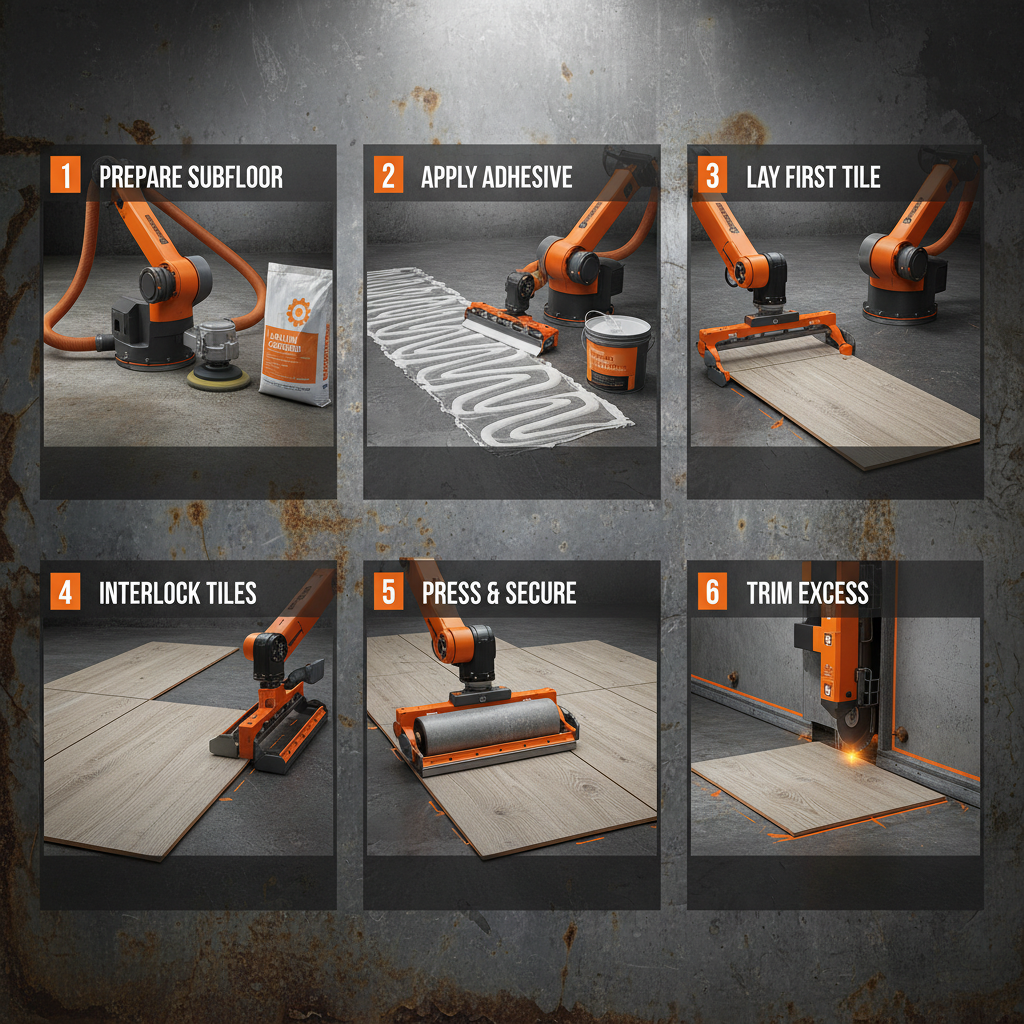
Finally, proper subfloor preparation is crucial for successful vinyl flooring installation. Uneven or improperly prepared subfloors can lead to issues like buckling or gapping. Investing in professional installation or carefully following manufacturer's instructions can ensure a smooth and long-lasting result.
Summary of Vinyl Pattern Flooring Challenges and Solutions
| Challenge |
Impact on Sustainability |
Potential Solution |
Implementation Cost (1-10) |
| PVC Material Source |
Reliance on fossil fuels, environmental concerns. |
Increased use of recycled PVC and bio-based alternatives. |
7 |
| VOC Emissions |
Impacts indoor air quality and human health. |
Choosing low-VOC products & ensuring ventilation. |
4 |
| Subfloor Preparation |
Affects flooring longevity and stability. |
Professional installation or careful adherence to guidelines. |
6 |
| Durability Variations |
Different wear layers impact lifespan and waste. |
Selecting appropriate wear layer for application. |
5 |
| Disposal and Recycling |
Difficulty in recycling end-of-life vinyl products. |
Developing improved recycling infrastructure and processes. |
8 |
| Initial Cost Perception |
Some perceive vinyl as a lower-quality option. |
Highlighting long-term value and advanced features. |
3 |
FAQS
Vinyl pattern flooring is inherently waterproof, meaning it can withstand spills and moisture without damage. Laminate flooring, on the other hand, features a wood-based core that can swell and warp when exposed to water. While some laminate products offer water resistance, they are not truly waterproof like vinyl. This makes vinyl a superior choice for kitchens, bathrooms, and other moisture-prone areas.
With proper care and maintenance, vinyl pattern flooring can last anywhere from 10 to 20 years, or even longer. To extend its lifespan, regularly sweep or vacuum to remove dirt and debris, use a pH-neutral cleaner for mopping, and use furniture pads to prevent scratches. Avoiding harsh chemicals and abrasive cleaners is also crucial for preserving the flooring's appearance and durability.
Absolutely! Vinyl pattern flooring is an excellent choice for homes with pets and children due to its durability, stain resistance, and ease of cleaning. Its scratch-resistant wear layer can withstand the wear and tear of active pets, and spills and messes can be easily wiped up without causing damage. Furthermore, many vinyl options are hypoallergenic, making them suitable for families with allergies.
In many cases, yes. Vinyl pattern flooring can often be installed over existing smooth, flat flooring surfaces, such as concrete, tile, or linoleum, provided the surface is clean, dry, and free of any loose debris. However, it's essential to check the manufacturer's instructions for specific requirements and recommendations. Uneven or damaged subfloors may require leveling or repair before installation.
The environmental impact of vinyl pattern flooring is a growing concern, but manufacturers are making strides in sustainability. Look for products with recycled content, low VOC emissions, and certifications like FloorScore or GreenGuard. Bio-based vinyl options are also emerging as a more eco-friendly alternative. Proper disposal and recycling of vinyl flooring are also important considerations.
Vinyl pattern flooring can be installed using several methods, including glue-down, peel-and-stick, and click-lock. Glue-down installation provides a more permanent bond, while peel-and-stick is a popular DIY option. Click-lock systems are known for their ease of installation, allowing for a floating floor that doesn't require adhesive. The best method depends on the type of vinyl flooring and the subfloor conditions.
Conclusion
In conclusion, vinyl pattern flooring has become a leading choice for a diverse range of applications, offering an exceptional balance of affordability, durability, aesthetic versatility, and ease of maintenance. Its ability to mimic natural materials while providing superior performance characteristics makes it a practical and attractive solution for both residential and commercial spaces. As sustainability concerns grow, innovations in materials and manufacturing processes are further enhancing its appeal.
Looking ahead, the future of vinyl pattern flooring lies in continued advancements in eco-friendly materials, enhanced performance features, and integration with smart home technologies. By embracing these innovations, manufacturers and consumers alike can contribute to a more sustainable and aesthetically pleasing built environment. To explore the possibilities of vinyl pattern flooring for your next project, visit our website at vinyl pattern flooring.