The demand for high-end interior aesthetics combined with industrial-grade resilience has led to the rise of parquet effect vinyl flooring, a sophisticated flooring solution that mimics the intricate patterns of traditional hardwood while offering superior durability. In an era where sustainable architecture and rapid renovation are paramount, this material bridges the gap between luxury design and practical functionality, making it a global favorite for both residential and commercial spaces.
Understanding the nuances of these advanced polymer composites is essential for architects and property developers who seek to minimize maintenance costs without sacrificing visual appeal. By leveraging high-definition printing and wear-layer technology, modern vinyls can replicate the warmth of oak, walnut, or herringbone layouts, providing a timeless look that resists the vulnerabilities of natural wood, such as warping and moisture damage.
Ultimately, adopting parquet effect vinyl flooring allows for a versatile approach to interior design, ensuring that high-traffic areas remain pristine and elegant over time. Whether applied in a boutique hotel lobby or a modern living room, the intersection of cost-efficiency and luxury is what defines the value proposition of this innovative flooring category.
The Global Evolution of Parquet Effect Vinyl Flooring
The transition from traditional timber to parquet effect vinyl flooring reflects a broader global shift toward synthetic materials that emulate natural beauty. Historically, parquet flooring was a symbol of prestige, reserved for European palaces and luxury estates due to the high cost of artisanal wood installation. Today, the integration of PVC and advanced polymer resins has democratized this aesthetic, allowing homeowners and businesses worldwide to achieve a high-end look with a fraction of the investment.
Current market data suggests a significant increase in the adoption of luxury vinyl tiles (LVT) across Asia and North America, driven by urbanization and the rise of modular construction. The ability to deploy these materials rapidly in high-density urban environments has made them a staple for developers who prioritize speed of installation without compromising the "premium" feel required to attract high-value tenants.
Defining the Technical Composition of Luxury Vinyl
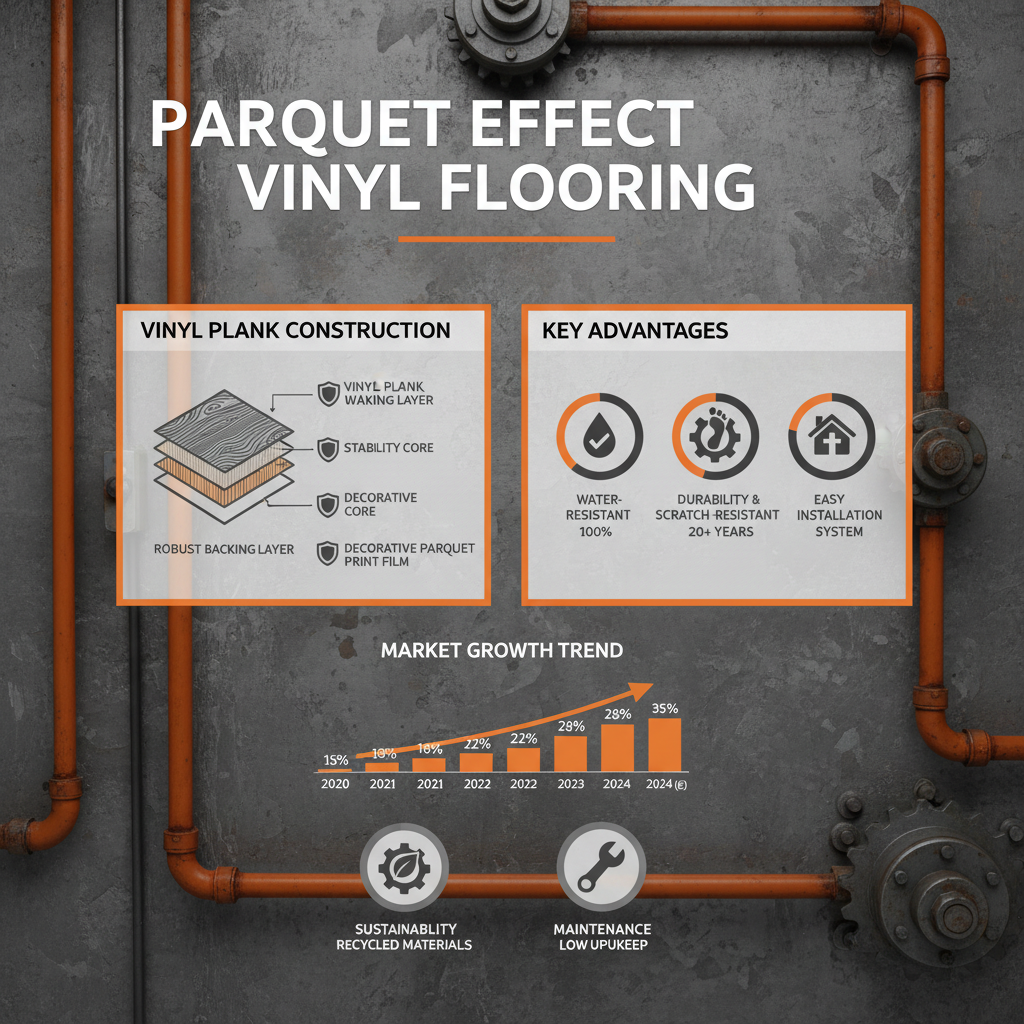
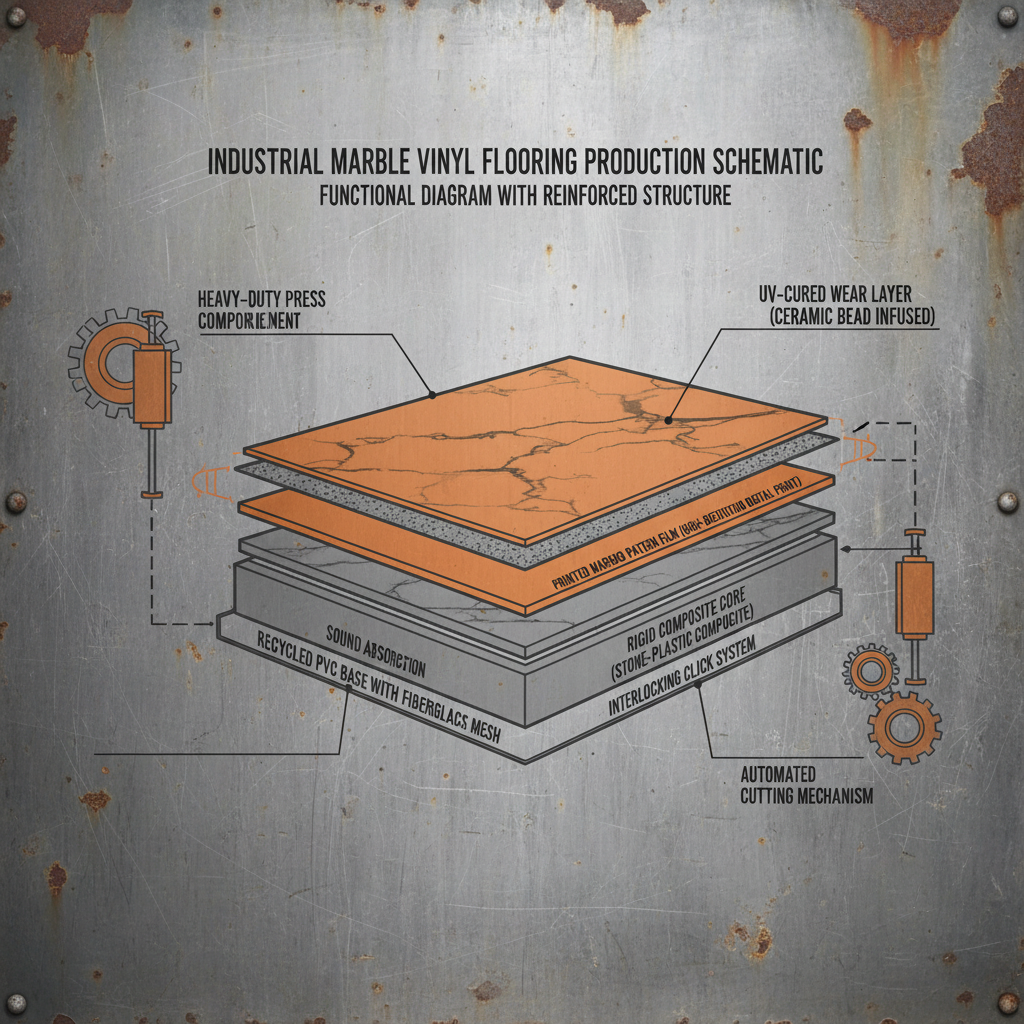
At its core, parquet effect vinyl flooring is a multi-layered engineered product designed for maximum stability. It typically consists of a rigid core—either SPC (Stone Plastic Composite) or WPC (Wood Plastic Composite)—which prevents the floor from expanding or contracting under temperature fluctuations. This core is what gives the flooring its structural integrity, allowing it to be installed over uneven subfloors more effectively than natural wood.
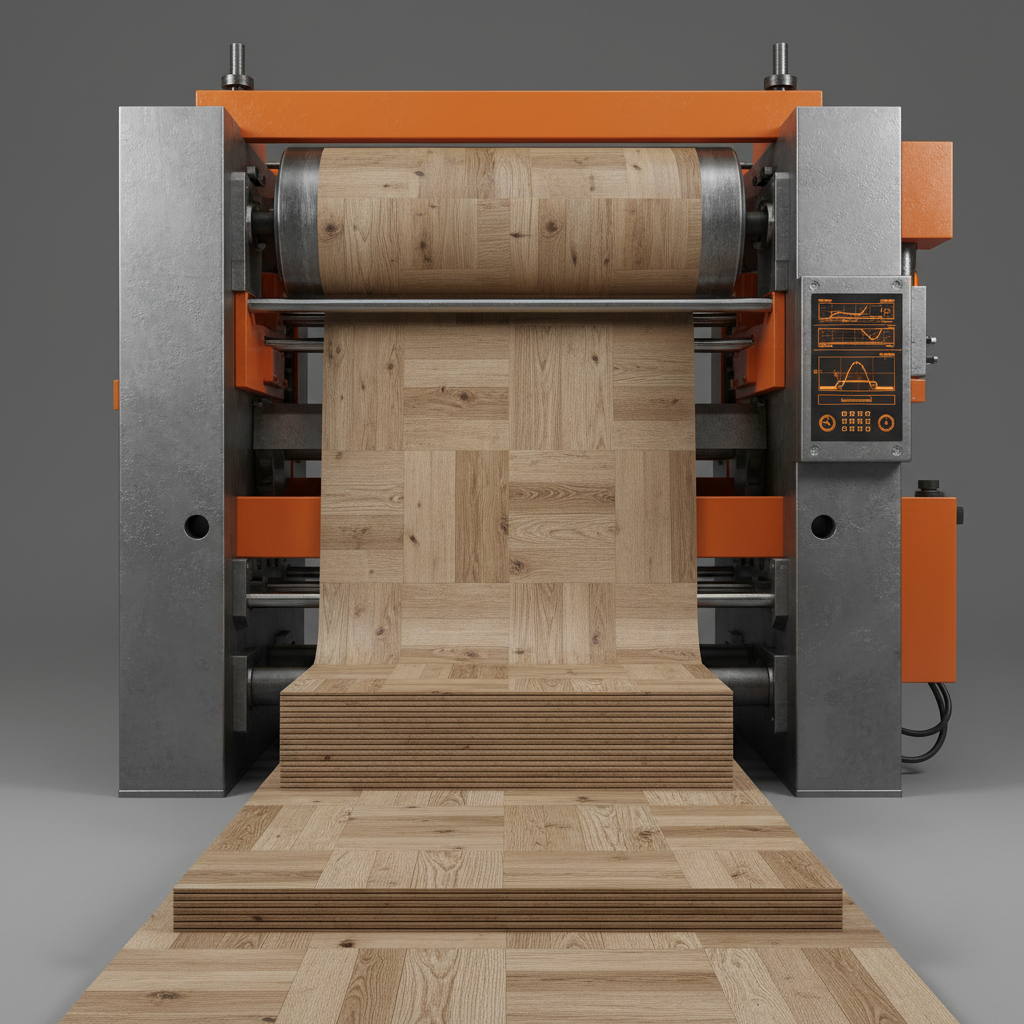
Above the core lies the high-definition imagery layer, where sophisticated digital printing techniques create the "parquet effect." This layer captures the grain, knots, and color variations of exotic woods, ensuring that each plank looks distinct. To protect this artistry, a transparent wear layer made of polyurethane or ceramic beads is applied, providing a shield against scratches, spills, and UV fading.
This synthesis of chemistry and design addresses a critical industry challenge: the environmental toll of deforestation. By utilizing recycled polymers and limestone, the industry provides a humanitarian-friendly alternative that reduces the reliance on old-growth forests while delivering a product that is inherently waterproof and hypoallergenic.
Key Performance Factors and Durability Metrics
When evaluating the quality of parquet effect vinyl flooring, the first metric to consider is the wear layer thickness, usually measured in mils. A thicker wear layer is essential for commercial environments where foot traffic is constant, as it ensures the parquet pattern remains vivid and intact even after years of heavy use.
Dimensional stability is another critical factor; high-quality parquet effect vinyl flooring must maintain its shape across various humidity levels. This is particularly important in coastal regions or basements where moisture ingress would cause traditional hardwood to buckle or rot, whereas vinyl remains completely impervious.
Finally, the acoustic performance of the material plays a huge role in user experience. Many modern parquet effect vinyls come with an integrated IXPE or EVA underlayment, which reduces the "click-clack" sound typical of hard surfaces, making it an ideal choice for multi-story buildings and open-concept offices.
Strategic Applications Across Global Industries
The versatility of parquet effect vinyl flooring allows it to transcend simple residential use. In the hospitality sector, luxury hotels utilize these floors in corridors and guest rooms to provide the warmth of a wooden lodge with the hygiene standards of a medical facility. Because the material is non-porous, it prevents the growth of mold and bacteria, which is a significant advantage over traditional porous wood.
In remote industrial zones or modular housing projects—such as those used in rapid urban redevelopment—the click-lock installation system of vinyl flooring allows for deployment without the need for adhesives or specialized craftsmen. This scalability ensures that high-standard living conditions can be established quickly, regardless of the local labor skill level or environmental constraints.
Comparative Performance of Vinyl Flooring Methods
Long-Term Economic and Environmental Value
From a financial perspective, parquet effect vinyl flooring offers a lower Total Cost of Ownership (TCO). Unlike real hardwood, which requires periodic sanding, staining, and sealing, vinyl requires only basic cleaning. This reduction in maintenance overhead makes it a logically superior choice for property managers handling large portfolios of rental units.
Beyond the balance sheet, the shift toward vinyl is a win for sustainability. Many manufacturers are now utilizing bio-based plasticizers and incorporating recycled fishing nets or industrial waste into the core layers. This circular economy approach ensures that the beauty of a parquet floor doesn't come at the cost of the planet's biodiversity, providing an ethical choice for the eco-conscious consumer.
Future Trends in Sustainable Flooring Materials
The next frontier for parquet effect vinyl flooring lies in the integration of "smart" materials. We are seeing the emergence of conductive vinyl layers that can provide radiant heating more efficiently than traditional underfloor systems. This digital transformation allows for precise temperature control, reducing energy consumption in large commercial halls.
Furthermore, the industry is moving toward "carbon-negative" production processes. By utilizing captured atmospheric CO2 to create the polymer chains of the vinyl, manufacturers are turning flooring into a carbon sink. This innovation aligns with global ISO standards for green building certifications like LEED and BREEAM.
Automation in printing is also evolving, with 3D-textured overlays that not only look like wood but feel like it. The "embossed-in-register" (EIR) technology ensures that the physical texture of the plank perfectly matches the visual grain of the parquet design, blurring the line between synthetic and natural materials.
Overcoming Implementation Challenges in Installation
Despite the advantages, some installers struggle with subfloor preparation. A common mistake is installing parquet effect vinyl flooring over an uneven surface, which can lead to "telegraphing"—where imperfections in the concrete are visible through the vinyl. The solution is the application of a self-leveling compound to create a perfectly flat plane.
Another challenge is the "acclimation" period. While vinyl is more stable than wood, extreme temperature shifts during shipping can cause slight deviations. Experts recommend allowing the material to sit in the installation environment for 24 to 48 hours to ensure the planks have settled before the click-lock system is engaged.
Finally, choosing the right underlayment is key. While many products have a pre-attached pad, specialized high-traffic areas may require a secondary high-density foam layer to prevent the joints from stressing under heavy machinery or furniture.
Comparison of Installation Requirements for Parquet Vinyl
| Installation Method |
Subfloor Requirement |
Installation Speed |
Difficulty Level (1-10) |
| Click-Lock SPC |
Level / Semi-Level |
Very Fast |
3 |
| Glue-Down LVT |
Perfectly Flat |
Moderate |
6 |
| Loose Lay Vinyl |
Flat / Smooth |
Instant |
2 |
| Herringbone Pattern |
Precision Level |
Slow |
8 |
| WPC Floating |
Tolerant |
Fast |
4 |
| Custom Inlay |
Precision Level |
Very Slow |
9 |
FAQS
Yes, unlike traditional hardwood, most luxury vinyl options are 100% waterproof. This is due to the PVC and stone-plastic composite (SPC) cores which do not absorb moisture. This makes it an ideal choice for kitchens, bathrooms, and basements where spills and humidity are common, ensuring the floor won't swell or warp over time.
While real wood can last centuries if meticulously maintained, it is prone to scratches and water damage. Parquet effect vinyl is designed for high-durability; with a high-quality wear layer, it can easily last 20-30 years in residential settings and 10-15 years in commercial settings without requiring the expensive sanding and refinishing that wood demands.
In many cases, yes. Because of the rigid core of SPC and WPC vinyl, it can be installed as a "floating floor" directly over ceramic or porcelain tiles, provided the tiles are secure and the surface is relatively flat. This saves significant time and cost by eliminating the need for demolition and debris removal.
Absolutely. Unlike carpets, which trap dust mites and pet dander, or some old-school hardwoods that may off-gas VOCs from finishes, modern luxury vinyl is hypoallergenic and often certified as low-VOC. Its non-porous surface makes it extremely easy to sanitize, promoting a healthier indoor air quality.
With modern high-definition printing and Embossed-in-Register (EIR) technology, the difference is nearly imperceptible. EIR ensures the texture of the wood grain matches the visual image. In natural light, the variations in tone and the realistic depth of the "planks" provide a convincing imitation of real oak or walnut.
Maintenance is simple: regular sweeping or vacuuming (without a beater bar) to remove grit, followed by a damp mop with a pH-neutral cleaner. Avoid using wax or steam cleaners, as excessive heat or chemical buildup can damage the wear layer over time. This minimal effort keeps the floor pristine for decades.
Conclusion
In summary, parquet effect vinyl flooring represents the perfect marriage of classical aesthetics and modern material science. By solving the inherent weaknesses of natural wood—namely its susceptibility to water and high maintenance requirements—vinyl provides a sustainable, cost-effective, and visually stunning alternative for the contemporary world. From its rigid core stability to its hypoallergenic properties and rapid installation, it is a strategic asset for any interior design project.
As we look toward a future of greener building practices and smarter homes, the evolution of this flooring category will likely lead to even more carbon-neutral production and integrated technology. For those seeking to elevate their space without compromising on durability or ethics, investing in high-quality luxury vinyl is a decision that offers both immediate beauty and long-term peace of mind. Explore the possibilities for your next project today. Visit our website: www.enliosport.com