
Mar . 26, 2026 02:05 Back to list
Comprehensive Guide to Gym Safety Mats for Optimal Fitness Protection
Gym Safety Mats: A Comprehensive Guide to Protecting Your Space
Creating a safe and comfortable workout environment is crucial for any gym, fitness center, or home gym. Gym safety mats are an essential component of this, providing cushioning, impact absorption, and slip resistance. This article will explore the various types of gym safety mats, their benefits, how to choose the right ones for your needs, and important safety considerations. Investing in high-quality mats is an investment in the well-being of your users and the longevity of your equipment.
Understanding the Different Types of Gym Safety Mats
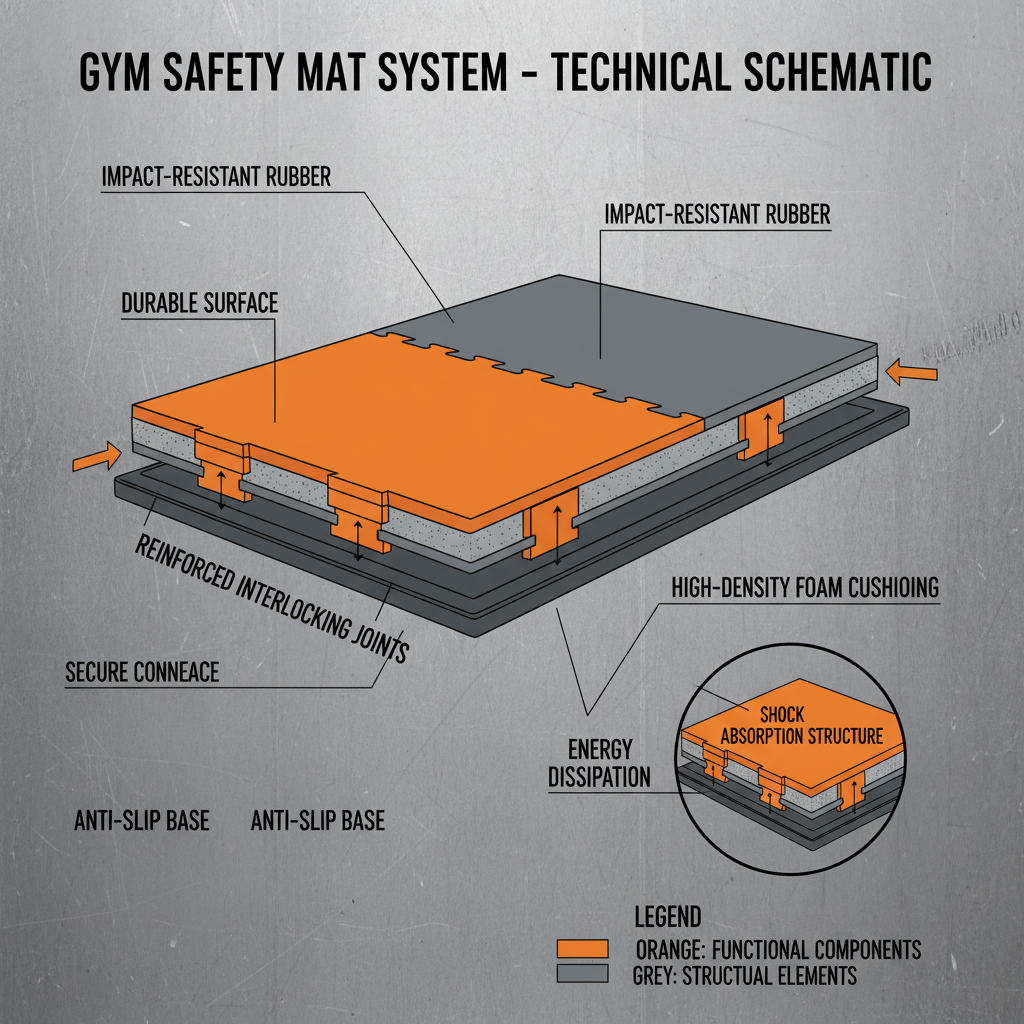
Gym safety mats come in a variety of materials, thicknesses, and sizes to suit diverse applications. Common types include rubber mats, foam mats, vinyl mats, and interlocking tiles. Rubber mats are known for their durability and excellent impact absorption, making them ideal for free weight areas. Foam mats offer good cushioning and are often used for stretching and yoga. Vinyl mats are easy to clean and are suitable for lighter activities. Interlocking tiles provide versatility and allow for customized coverage. The best choice depends on the specific activities taking place in the area and the level of protection required.
Key Takeaway: Selecting the appropriate material is the foundation of creating a safe and functional gym environment. Consider the intensity of use and the types of activities planned when making your decision.
The Benefits of Using Gym Safety Mats
The benefits of incorporating gym safety mats extend far beyond just preventing injuries. They significantly reduce noise levels created by dropped weights or impact, contributing to a more pleasant workout environment. They protect your gym flooring from damage, extending its lifespan and reducing maintenance costs. Mats also provide a stable and non-slip surface, improving athlete performance and confidence. Finally, they offer a degree of comfort, especially during floor exercises, and help to contain mess.
Key Benefits:
• Reduces Noise
• Protects Flooring
• Provides Non-Slip Surface
• Enhances Comfort
Choosing the Right Gym Safety Mats: A Comparison
Selecting the perfect gym safety mats requires careful consideration of your specific needs. Here's a comparison to help you make an informed decision:
Safety Considerations When Using Gym Safety Mats
While gym safety mats significantly enhance safety, it's important to remember they aren't a substitute for proper training and supervision. Ensure users are aware of safe lifting techniques and proper equipment usage. Regularly inspect mats for damage, tears, or loose edges. Clean mats frequently to prevent the build-up of bacteria and maintain a hygienic workout environment. Finally, ensure mats are securely placed and won't shift during use.
Product Specifications: Enlio Sport Gym Mat
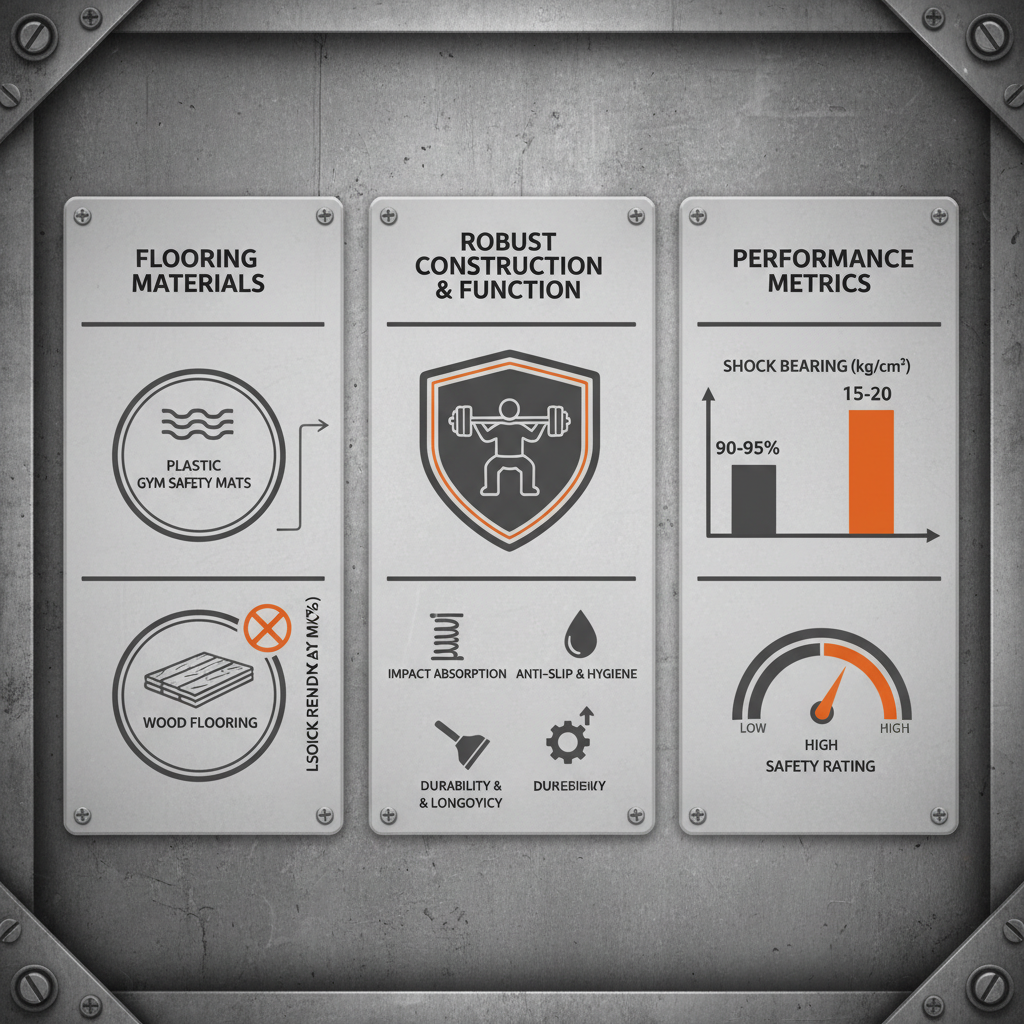
Here are some details about our top-selling gym mat:
Conclusion: Prioritizing Safety with the Right Gym Mats
Investing in the right gym safety mats is a crucial step towards creating a safe, comfortable, and effective workout environment. By carefully considering the type of activities, the level of impact, and your budget, you can choose mats that provide optimal protection and enhance the overall fitness experience. Don't compromise on safety – explore the wide range of options available at Enlio Sport today.
Frequently Asked Questions (FAQs)
How thick should my gym safety mats be?
The ideal thickness depends on the intended use. For general floor exercises and light weight training, 1/4" to 1/2" may suffice. However, for free weight areas or high-impact activities, at least 3/4" to 1" thickness is recommended. Thicker mats provide greater impact absorption and reduce the risk of injury. Consider the weight of the equipment and the height from which it might be dropped when determining the appropriate thickness. For very heavy loads or Olympic lifting, 1 1/2" or thicker may be necessary. The goal is to protect both the user and the subfloor.
What is the best material for gym flooring?
Rubber is widely considered the best overall material for gym flooring due to its exceptional durability, impact absorption, and slip resistance. It can withstand heavy use and provides a stable surface for a variety of exercises. EVA foam is a good option for dedicated stretching or yoga areas, offering comfort and cushioning. Vinyl is a cost-effective choice for cardio areas, but it doesn't offer the same level of protection as rubber. Interlocking tiles offer versatility and customization, but the quality of the material varies. Ultimately, the best material depends on your specific needs and budget.
How do I clean and maintain my gym safety mats?
Regular cleaning is essential to maintain hygiene and prolong the life of your mats. Sweep or vacuum the mats daily to remove dust and debris. For more thorough cleaning, use a mild detergent and warm water. Avoid harsh chemicals or abrasive cleaners, as they can damage the material. Rinse thoroughly with clean water and allow the mats to air dry completely before use. Inspect the mats regularly for any signs of damage and replace them if necessary.
Are interlocking tiles a good option for a home gym?
Interlocking tiles can be an excellent option for a home gym, particularly if you want a customizable and relatively easy-to-install flooring solution. They are available in various materials, including rubber and PVC, and can be easily expanded or reconfigured as needed. They are also relatively affordable and provide good cushioning. However, keep in mind that the quality of interlocking tiles can vary, so it's important to choose a reputable brand and material that suits your workout intensity.
-
Ultimate Guide to Choosing the Best Professional gym floor matts
NewsApr.16,2026
-
Ultimate Guide to High Quality Gym Floor Puzzle Mats for Fitness
NewsApr.09,2026
-
Comprehensive Guide to Gym Flooring Exercise Mats for Home and Commercial Use
NewsApr.07,2026
-
Choosing the Best Gym Ground Mats for Your Workout Space
NewsApr.04,2026
-
Comprehensive Guide to Selecting the Ideal Gym Landing Mat for Safety and Performance
NewsMar.31,2026
-
Comprehensive Guide to Gym Rubber Matts for Optimal Fitness Flooring
NewsMar.28,2026