
Mar . 17, 2026 02:05 Back to list
Comprehensive Guide to Selecting the Best Gym Wall Mats for Safety and Durability
Choosing the Right Gym Wall Mats: A Comprehensive Guide
Protecting your walls, equipment, and athletes is paramount in any gym or fitness facility. Gym wall mats are an essential investment, offering cushioning, noise reduction, and damage prevention. This article will explore the different types of gym wall mats, factors to consider when choosing, and how to ensure you select the best option for your specific needs. Proper wall protection isn't just about aesthetics; it's about safety and longevity. We'll guide you through making an informed decision.
Understanding the Different Types of Gym Wall Mats
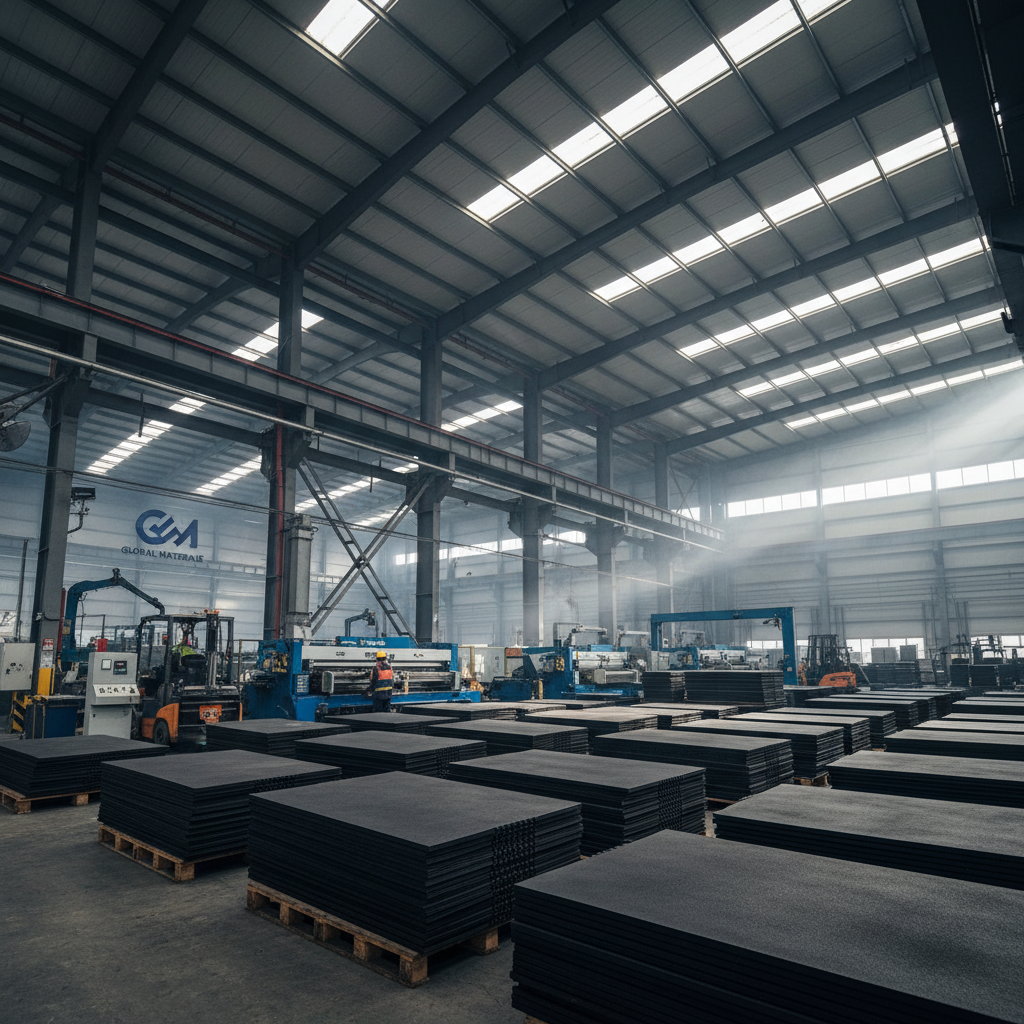
The market offers a variety of gym wall mats, each with its own benefits and drawbacks. Common types include padded vinyl mats, foam tiles, rubber mats, and specialized fabric-covered options. Padded vinyl mats are durable, easy to clean, and offer good cushioning. Foam tiles are lightweight and affordable, ideal for smaller areas or temporary solutions. Rubber mats are incredibly durable and provide excellent shock absorption, perfect for high-impact zones. Fabric-covered mats offer a more aesthetically pleasing look and are often used in studios or areas where visual appeal is important. Understanding these differences is crucial for selecting the right mats for your gym's unique demands. EnlioSport offers a wide range of these options.
Key Takeaway: Choosing the right material depends on your budget, the type of activities happening near the walls, and desired aesthetics.
Key Considerations When Selecting Gym Wall Mats
Several factors should influence your decision. Consider the height you need to cover – mats come in various lengths. The thickness of the mat is vital; thicker mats provide greater cushioning and impact absorption. Also, think about the type of activity taking place near the wall. High-impact activities like box jumps and Olympic lifting require more robust mats than yoga or Pilates. Cleaning and maintenance are also important; choose mats that are easy to wipe down and disinfect. Finally, assess the overall aesthetic and choose mats that complement your gym’s design. Remember to prioritize safety and durability alongside appearance.
Important Factors to Consider:
• Height coverage needed
• Thickness for impact absorption
• Type of activity
• Cleaning and maintenance requirements
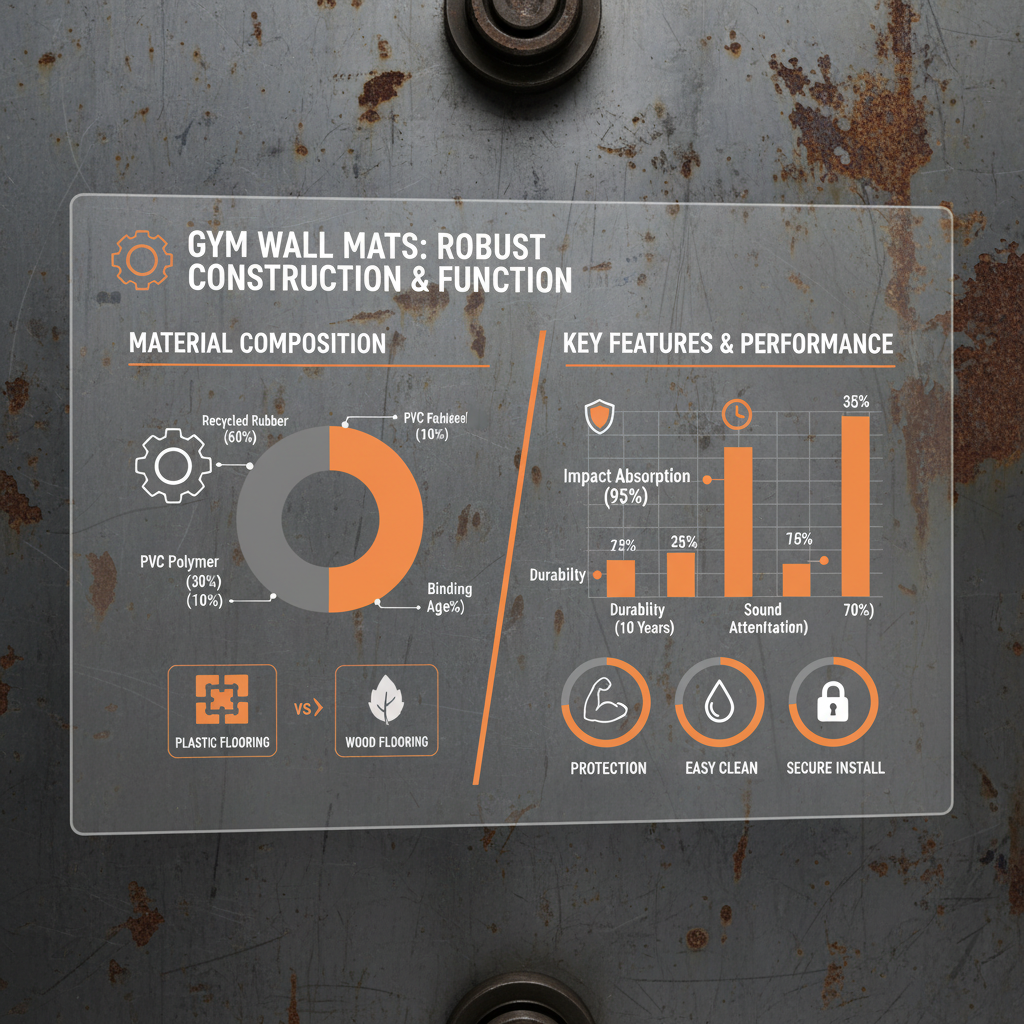
Gym Wall Mats: Comparing Materials and Performance
Choosing the right material is crucial for optimal performance and longevity. Here's a comparison of common gym wall mat materials:
Installation and Maintenance of Gym Wall Mats
Proper installation is key to ensuring the mats provide optimal protection and stay securely in place. Most mats can be easily installed with adhesive or double-sided tape. Regular cleaning is essential to maintain hygiene and extend the lifespan of your mats. Use a mild detergent and water, and avoid harsh chemicals. Inspect the mats regularly for any signs of damage, such as tears or peeling, and replace them as needed. A well-maintained installation will provide years of reliable protection. EnlioSport provides installation guides and maintenance tips.
Product Specifications: EnlioSport Gym Wall Mats
Here's a look at the specifications of our popular EnlioSport gym wall mats:
Conclusion: Protecting Your Investment with Quality Gym Wall Mats
Investing in high-quality gym wall mats is a vital step in ensuring the safety and longevity of your facility. By considering the factors outlined in this guide, you can select the best mats for your specific needs and budget. Don’t compromise on protection – choose EnlioSport for reliable and durable wall mats.
Frequently Asked Questions (FAQs)
What thickness of gym wall mats is recommended for a CrossFit box?
For a CrossFit box, where high-impact activities like Olympic lifting and box jumps are common, we recommend a minimum thickness of 50mm rubber mats. This provides sufficient cushioning to protect both the walls and the athletes. Consider thicker mats (75mm or more) for areas where particularly heavy weights are frequently dropped. The goal is to absorb the impact and prevent damage to the wall and equipment.
How do I clean and disinfect gym wall mats?
Regular cleaning is crucial. Use a mild detergent and warm water to wipe down the mats. For disinfection, use a diluted bleach solution (follow the manufacturer's instructions) or a commercial gym disinfectant. Avoid harsh chemicals or abrasive cleaners, as these can damage the mat surface. Ensure the mats are thoroughly dried after cleaning to prevent mold or mildew growth.
Are gym wall mats easy to install?
Most gym wall mats are designed for easy installation. Many come with a self-adhesive backing, allowing you to simply peel and stick them to the wall. Others may require the use of a construction adhesive or double-sided tape. Before installation, ensure the wall surface is clean, dry, and free of any debris.
-
Ultimate Guide to Choosing the Best Professional gym floor matts
NewsApr.16,2026
-
Ultimate Guide to High Quality Gym Floor Puzzle Mats for Fitness
NewsApr.09,2026
-
Comprehensive Guide to Gym Flooring Exercise Mats for Home and Commercial Use
NewsApr.07,2026
-
Choosing the Best Gym Ground Mats for Your Workout Space
NewsApr.04,2026
-
Comprehensive Guide to Selecting the Ideal Gym Landing Mat for Safety and Performance
NewsMar.31,2026
-
Comprehensive Guide to Gym Rubber Matts for Optimal Fitness Flooring
NewsMar.28,2026