
Mar . 19, 2026 02:05 Back to list
Comprehensive Guide to Selecting the Right Gym Tumbling Mats for Safety and Performance
Gym Tumbling Mats: A Comprehensive Guide
When setting up a gymnastics space, ensuring safety is paramount. Gym tumbling mats provide the essential cushioning needed to prevent injuries during practice and performance. This article will explore the different types of tumbling mats, their applications, key features to consider when purchasing, and how to choose the right mats for your needs. Investing in high-quality gym tumbling mats is crucial for creating a safe and effective training environment.
Understanding Different Types of Gym Tumbling Mats
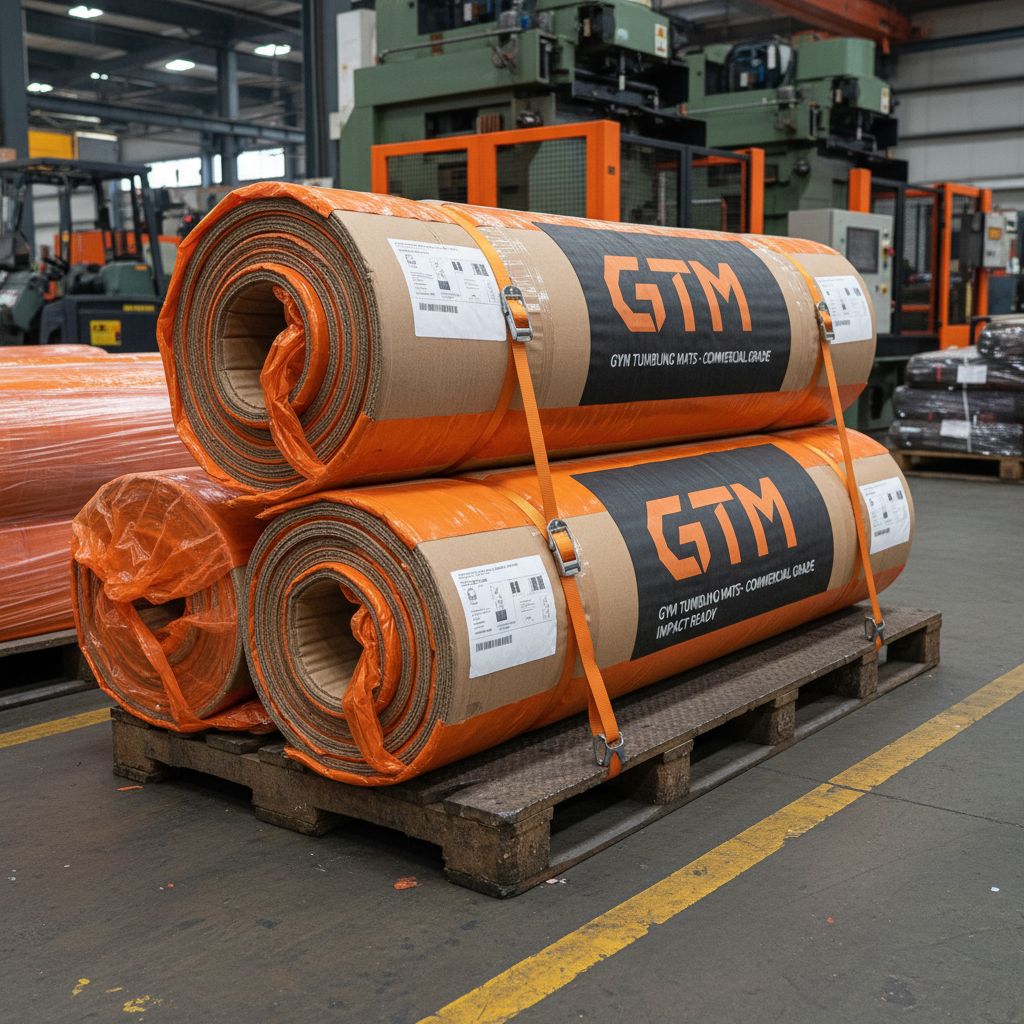
Gym tumbling mats come in various forms, each suited for different purposes. Folding mats are popular for their portability and storage convenience. Roll-up mats offer a larger surface area and are ideal for longer tumbling runs. Interlocking mats, made of foam tiles, are versatile and can be configured to fit specific spaces. Spring mats provide extra bounce and are often used for advanced skills. Finally, Crash mats are thicker and designed for high-impact landings. The best choice depends on the age and skill level of the gymnasts, the type of activities being performed, and the available space.
Key Takeaway: Choosing the right type of tumbling mat ensures optimal safety and support for gymnasts of all levels.
Key Features to Consider When Buying Gym Tumbling Mats
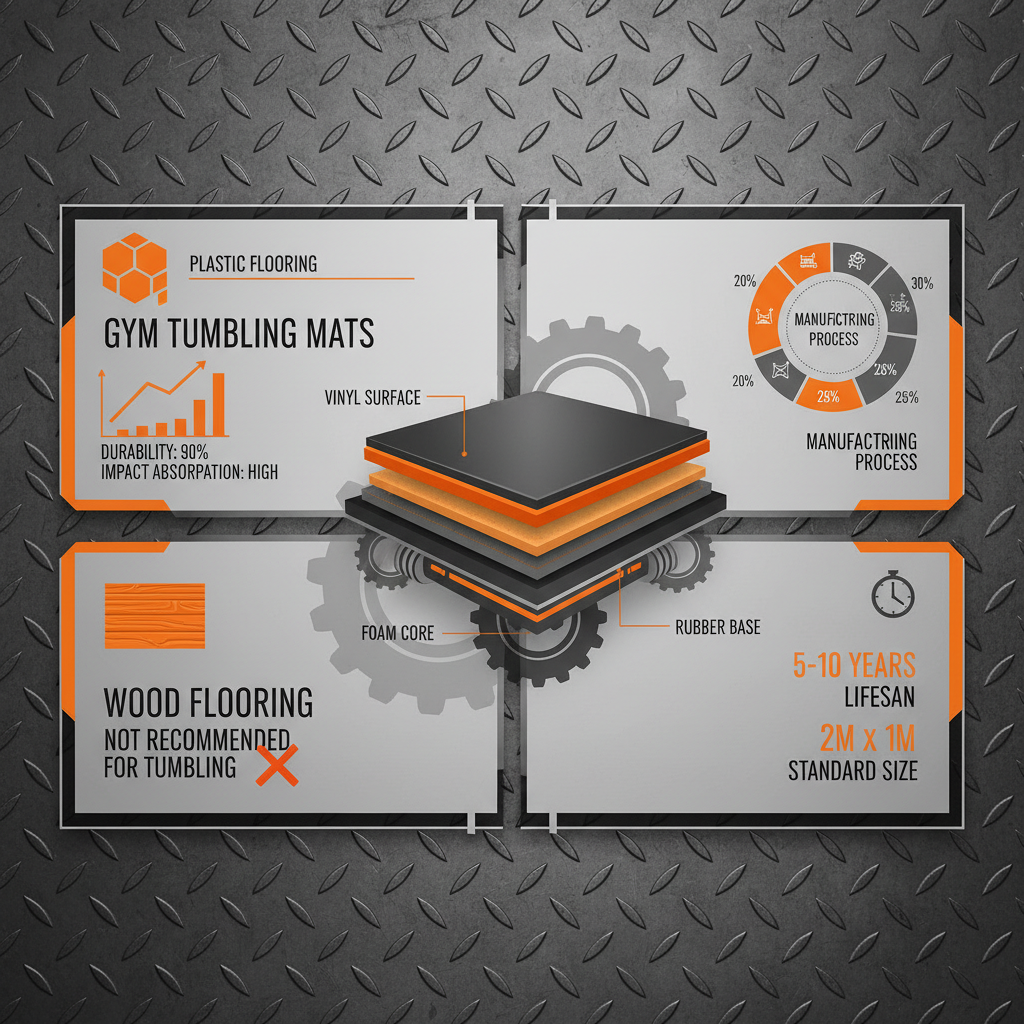
When selecting gym tumbling mats, several key features should be considered. Density is crucial – higher density mats provide better support and cushioning. Thickness also plays a significant role; thicker mats are better for higher-impact landings. The material should be durable, tear-resistant, and easy to clean. The cover material should be vinyl or a similar material for hygiene and longevity. Finally, consider the portability and storage options based on your space constraints. Enliosport offers a range of mats designed with these features in mind.
Essential Features Checklist:
• High Density Foam
• Appropriate Thickness
• Durable, Tear-Resistant Material
• Easy-to-Clean Cover
Gym Tumbling Mats Comparison: Types and Applications
Choosing the right tumbling mat can be confusing. Here’s a comparison of common types and their ideal applications:
Choosing the Right Gym Tumbling Mats for Your Space
Consider the size of your training area and the specific skills being practiced. A larger space may benefit from roll-up mats, while a smaller space might be better suited to folding or interlocking mats. If you're teaching beginners, thicker crash mats are essential. Remember to prioritize safety and choose mats that meet industry standards. Enliosport provides a variety of options to fit any budget and space requirements.
Maintenance and Care for Long-Lasting Gym Tumbling Mats
Proper maintenance is crucial for extending the life of your gym tumbling mats. Regularly clean the mats with a mild detergent and water to remove dirt and sweat. Avoid using harsh chemicals or abrasive cleaners. Store the mats in a dry, clean environment when not in use. Inspect the mats regularly for any signs of wear and tear, and replace them if necessary. Following these simple steps will help ensure your mats remain safe and functional for years to come.
Conclusion: Investing in Safe Training with Quality Tumbling Mats
Investing in high-quality gym tumbling mats is an investment in the safety and success of your gymnasts. By understanding the different types of mats available and carefully considering your specific needs, you can create a training environment that fosters skill development and minimizes the risk of injury. Enliosport offers a wide selection of durable, high-performance tumbling mats to meet any requirement.
Frequently Asked Questions (FAQs)
What thickness of tumbling mat is best for beginners?
For beginners, a thicker tumbling mat (at least 2 inches) is highly recommended. Thicker mats provide a greater level of cushioning, which is crucial for protecting young or inexperienced gymnasts during falls. A 2-4 inch crash mat is ideal for learning basic skills like rolls and handstands. As skills progress and gymnasts gain more control, you can consider using thinner mats, but safety should always be the priority.
How do I clean and disinfect my gym tumbling mats?
Regular cleaning is essential to maintain hygiene and prevent the spread of germs. Wipe down the mats with a mild detergent and water solution after each use. For disinfection, use a gym-approved disinfectant spray, following the manufacturer's instructions. Ensure the mats are thoroughly dried before being stored or used again. Avoid harsh chemicals or abrasive cleaners, as these can damage the mat's surface.
What’s the difference between a folding mat and a roll-up mat?
Folding mats are designed for portability and easy storage, as they can be folded into a compact size. They're great for smaller spaces or situations where you need to move the mat frequently. Roll-up mats, on the other hand, offer a larger continuous surface area, which is ideal for longer tumbling runs or more complex skills. While they’re less compact than folding mats, they provide a smoother and more consistent surface.
-
Ultimate Guide to Choosing the Best Professional gym floor matts
NewsApr.16,2026
-
Ultimate Guide to High Quality Gym Floor Puzzle Mats for Fitness
NewsApr.09,2026
-
Comprehensive Guide to Gym Flooring Exercise Mats for Home and Commercial Use
NewsApr.07,2026
-
Choosing the Best Gym Ground Mats for Your Workout Space
NewsApr.04,2026
-
Comprehensive Guide to Selecting the Ideal Gym Landing Mat for Safety and Performance
NewsMar.31,2026
-
Comprehensive Guide to Gym Rubber Matts for Optimal Fitness Flooring
NewsMar.28,2026