
News
-
 Selecting the right flooring for your gym or workout space is crucial for safety, performance, and durability. Gym rubber matts offer a versatile and robust solution for a variety of fitness applications. This article provides a comprehensive overview of gym rubber matts, covering their benefits, types, considerations, and why Enlio Sport is a leading provider. We’ll explore how choosing the right mat can enhance your workout experience and protect your investment.Read more
-
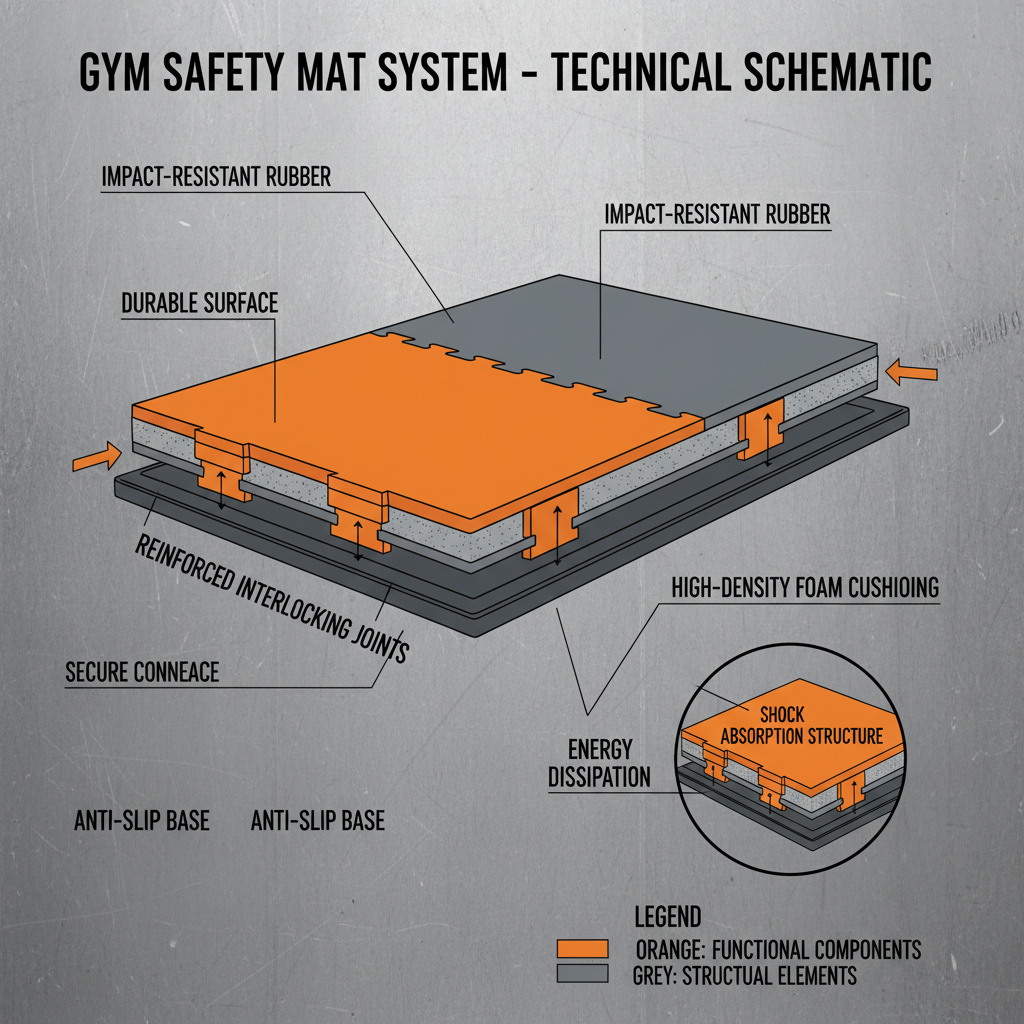 Creating a safe and comfortable workout environment is crucial for any gym, fitness center, or home gym. Gym safety mats are an essential component of this, providing cushioning, impact absorption, and slip resistance. This article will explore the various types of gym safety mats, their benefits, how to choose the right ones for your needs, and important safety considerations. Investing in high-quality mats is an investment in the well-being of your users and the longevity of your equipment. Gym safety mats come in a variety of materials, thicknesses, and sizes to suit diverse applications. Common types include rubber mats, foam mats, vinyl mats, and interlocking tiles. Rubber mats are known for their durability and excellent impact absorption, making them ideal for free weight areas. Foam mats offer good cushioning and are often used for stretching and yoga.Read more
-
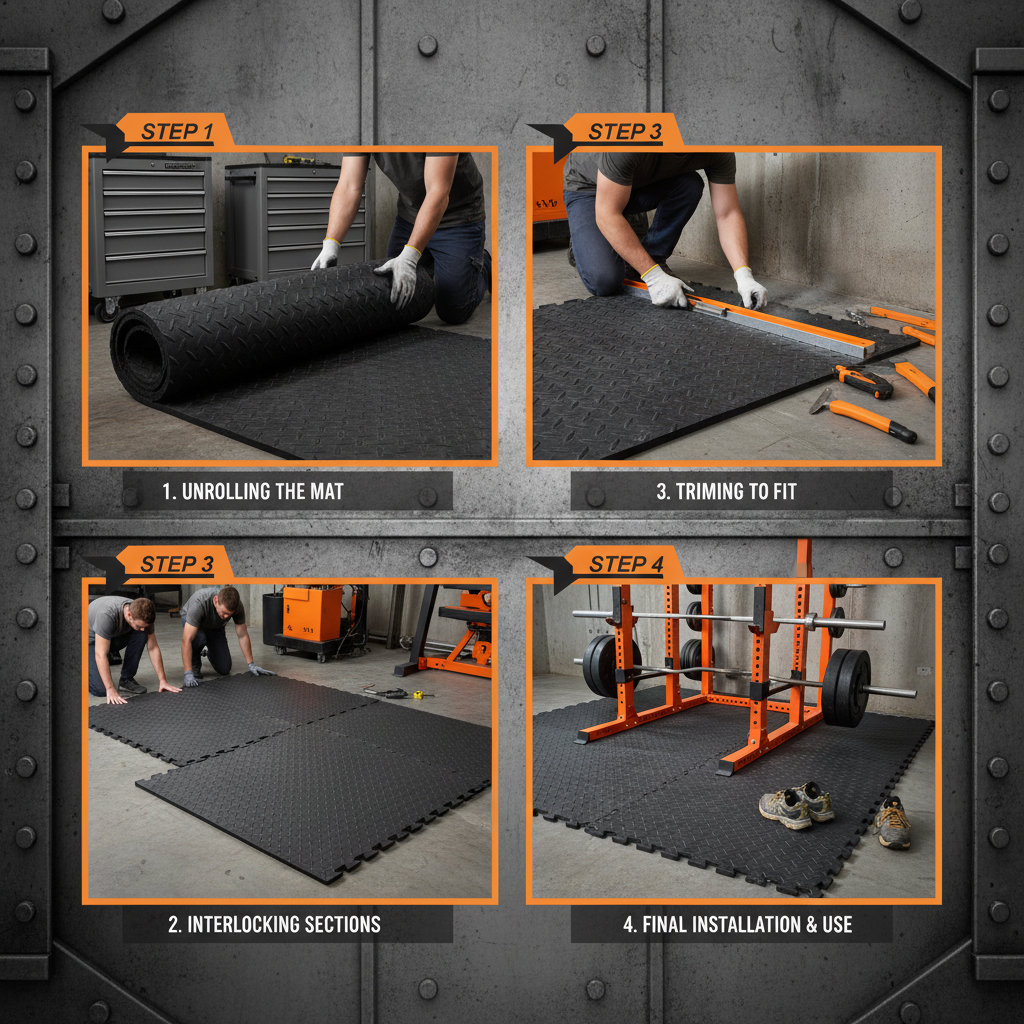 Creating a safe and functional workout space is crucial for any gym, fitness center, or even a home gym. Gym stall mats are an essential component, providing cushioning, impact absorption, and floor protection. This article delves into the world of gym stall mats, covering their benefits, types, materials, and how to choose the right mats for your specific needs. Whether you’re equipping a commercial gym or setting up a home workout area, understanding the options available is key to creating a durable and safe environment. Gym stall mats offer a multitude of benefits. First and foremost, they provide essential cushioning to absorb impact from dropped weights, reducing the risk of injury to both users and protecting the underlying floor. They significantly reduce noise levels, creating a more pleasant workout environment. Furthermore, gym stall mats safeguard your flooring from scratches, dents, and damage caused by heavy equipment.Read more
-
 Creating a safe and effective workout space is crucial, whether you're setting up a home gym or equipping a commercial facility. A high-quality gym training mat is an essential component, providing cushioning, support, and protection for both you and your flooring. This article dives into the key considerations when selecting the perfect gym mat, covering materials, sizes, thicknesses, and applications to help you make an informed decision. Investing in the right mat can significantly enhance your workout experience and minimize the risk of injuries. Gym training mats are commonly constructed from a variety of materials, each with its own strengths and weaknesses. Rubber mats are known for their durability and excellent grip, making them ideal for heavy-duty use and high-impact activities. PVC (polyvinyl chloride) mats are a more affordable option, offering good cushioning and water resistance. EVA foam mats provide exceptional cushioning and are often preferred for yoga, Pilates, and stretching. Finally, TPE (thermoplastic elastomer) mats are eco-friendly, lightweight, and offer a good balance of cushioning and support. Choosing the right material depends on your specific workout needs and budget.Read more
-
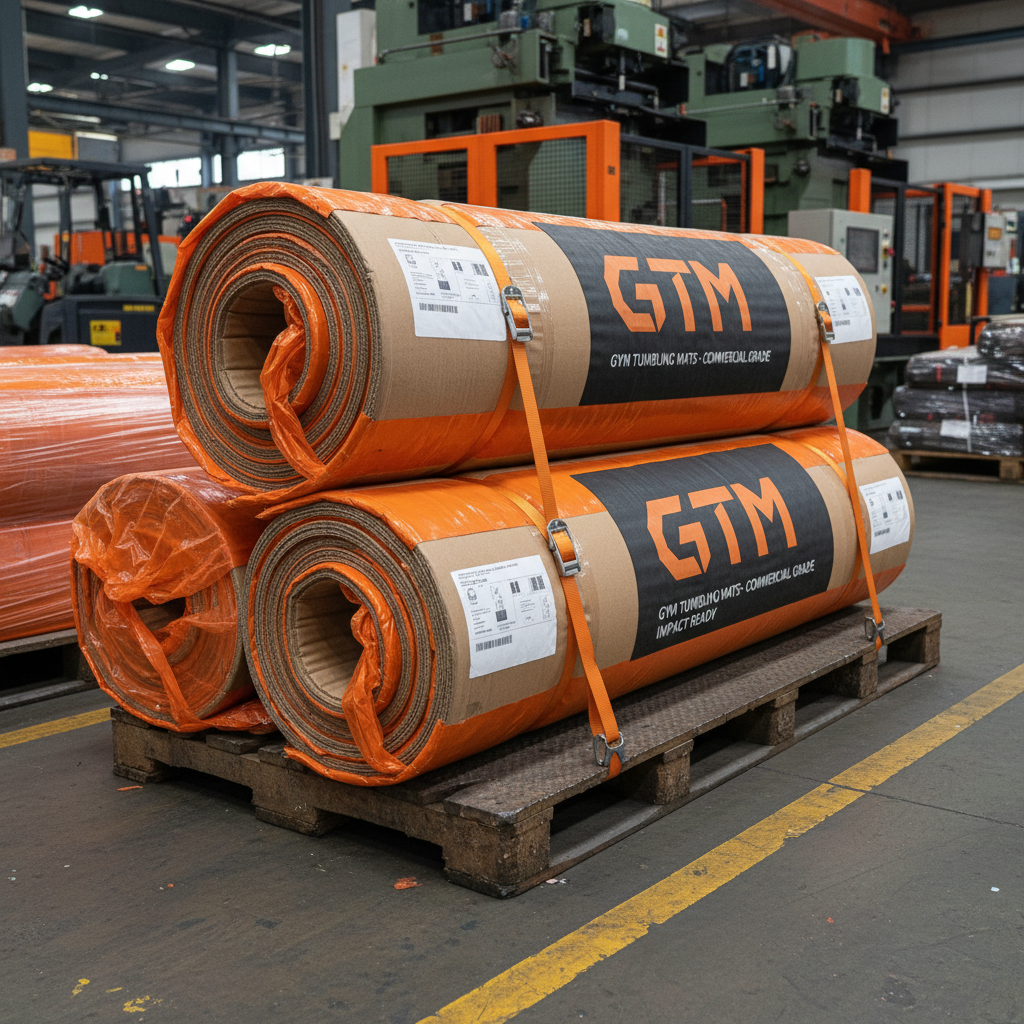 When setting up a gymnastics space, ensuring safety is paramount. Gym tumbling mats provide the essential cushioning needed to prevent injuries during practice and performance. This article will explore the different types of tumbling mats, their applications, key features to consider when purchasing, and how to choose the right mats for your needs. Investing in high-quality gym tumbling mats is crucial for creating a safe and effective training environment. Gym tumbling mats come in various forms, each suited for different purposes. Folding mats are popular for their portability and storage convenience. Roll-up mats offer a larger surface area and are ideal for longer tumbling runs. Interlocking mats, made of foam tiles, are versatile and can be configured to fit specific spaces. Spring mats provide extra bounce and are often used for advanced skills. Finally, Crash mats are thicker and designed for high-impact landings. The best choice depends on the age and skill level of the gymnasts, the type of activities being performed, and the available space.Read more
-
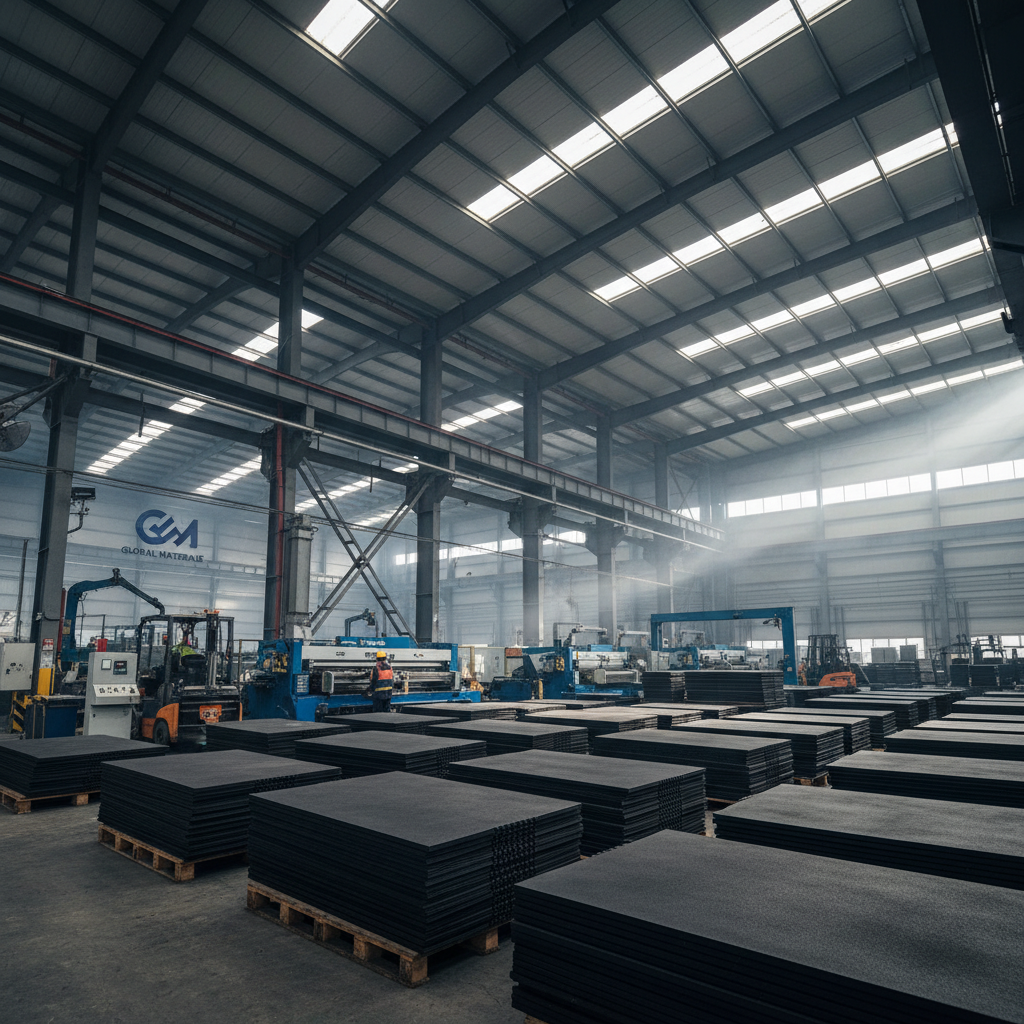 Protecting your walls, equipment, and athletes is paramount in any gym or fitness facility. Gym wall mats are an essential investment, offering cushioning, noise reduction, and damage prevention. This article will explore the different types of gym wall mats, factors to consider when choosing, and how to ensure you select the best option for your specific needs. Proper wall protection isn't just about aesthetics; it's about safety and longevity. We'll guide you through making an informed decision. The market offers a variety of gym wall mats, each with its own benefits and drawbacks. Common types include padded vinyl mats, foam tiles, rubber mats, and specialized fabric-covered options. Padded vinyl mats are durable, easy to clean, and offer good cushioning. Foam tiles are lightweight and affordable, ideal for smaller areas or temporary solutions. Rubber mats are incredibly durable and provide excellent shock absorption, perfect for high-impact zones.Read more
-
Protecting your gym floor and equipment is crucial for safety and longevity. Gym weight mats are a vital component of any well-equipped fitness space. This article will explore the different types of gym weight mats, their benefits, how to choose the right ones for your needs, and considerations for maintenance. We'll cover everything from rubber mats to foam tiles, helping you make an informed decision to safeguard your investment and provide a safe workout environment. Gym weight mats come in a variety of materials and thicknesses, each with its own advantages and disadvantages. The most common types include rubber mats, foam tiles, and PVC mats. Rubber mats are known for their durability and ability to absorb impact. Foam tiles are more affordable and provide good cushioning but are less durable. PVC mats offer a balance of affordability and durability but may not be as impact-resistant as rubber. Choosing the right material depends on the type of equipment you'll be using, the intensity of the workouts, and your budget.Read more
-
 Creating a safe and effective workout space at home or in a commercial gym requires careful consideration of the flooring. Gym workout mats are a crucial component, providing cushioning, protection, and stability. This article explores the various types of gym mats available, their benefits, and how to choose the best option for your needs. We'll cover everything from material options to thickness considerations, helping you create a workout environment that supports your fitness goals. The market offers a diverse range of gym workout mats, each designed for specific purposes. Common types include interlocking foam mats, rubber mats, PVC mats, and yoga mats. Interlocking foam mats are popular for home gyms due to their affordability and ease of installation. Rubber mats are renowned for their durability and shock absorption, making them ideal for weightlifting areas. PVC mats offer a balance of cost-effectiveness and performance, while yoga mats are specifically designed for low-impact exercises and stretching.Read more
-
 Finding the perfect gym yoga mat is crucial for a comfortable, safe, and effective workout. With a vast array of materials, thicknesses, and textures available, navigating the options can feel overwhelming. This guide breaks down everything you need to know, from understanding different mat types to selecting the ideal mat for your practice level and budget. We'll cover the key features to consider, ensuring you find a mat that supports your fitness journey. A quality yoga mat provides cushioning, stability, and hygiene, enhancing your overall experience. The material of your gym yoga mat significantly impacts its performance and durability. Common materials include PVC, TPE, and natural rubber. PVC (Polyvinyl Chloride) is a budget-friendly option, offering good cushioning and grip, but it’s less eco-friendly. TPE (Thermoplastic Elastomer) is a lightweight, recyclable alternative with a similar feel to PVC. Natural rubber provides excellent grip and cushioning and is a sustainable choice, but it can have a distinct odor and may not be suitable for individuals with latex allergies.Read more