
Apr . 16, 2026 02:05 Back to list
Ultimate Guide to Choosing the Best Professional gym floor matts
The Ultimate Guide to Choosing the Best Gym Floor Matts
Creating a safe and efficient workout environment starts from the ground up. Whether you are designing a commercial fitness center or setting up a home gym, the quality of your gym floor matts plays a critical role in injury prevention and equipment longevity. A professional flooring solution does more than just cover the concrete; it absorbs shock, reduces noise, and provides the necessary grip for high-intensity movements. In this comprehensive guide, we will explore the different types of flooring materials and how to select the perfect fit for your specific training needs.
Why High-Quality Gym Floor Matts are Essential
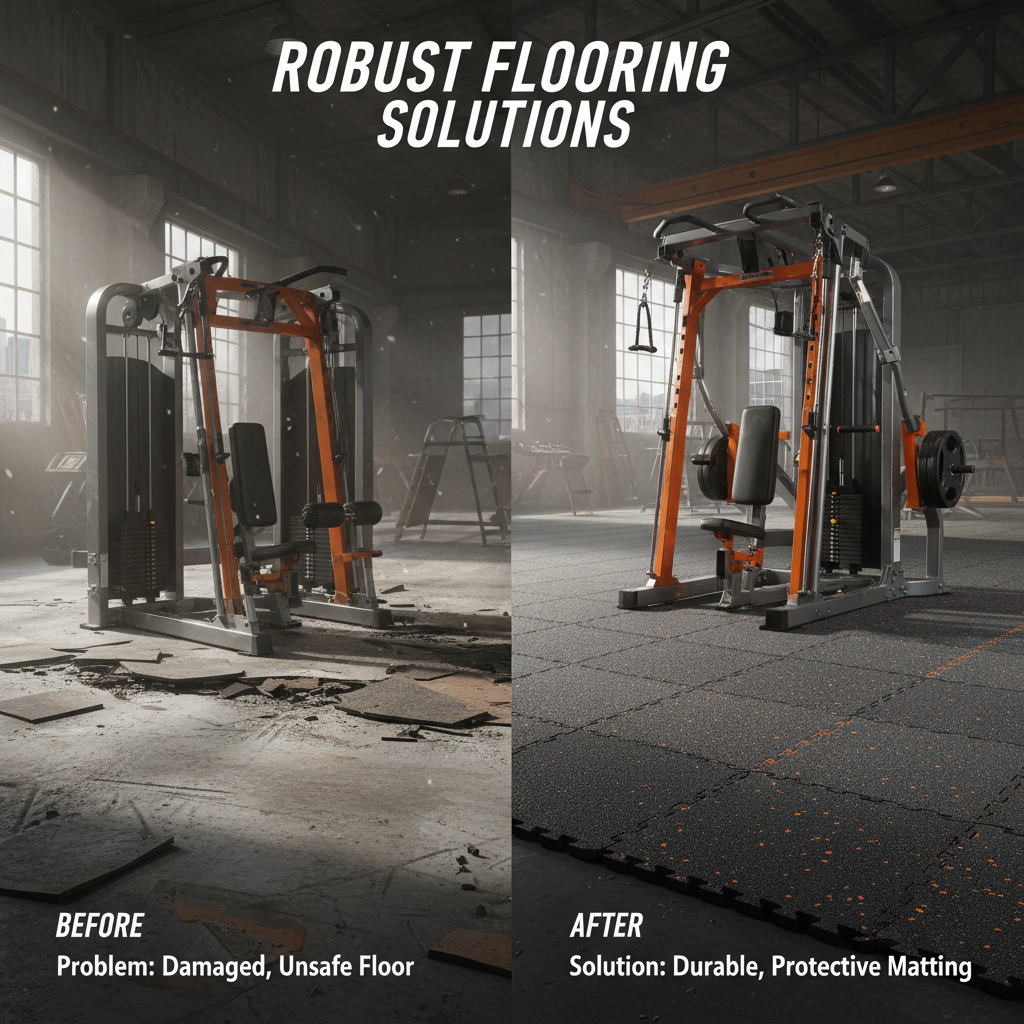
Investing in premium gym floor matts is not just about aesthetics; it is a matter of safety and performance. High-density flooring provides impact attenuation, which protects your joints during plyometric exercises and prevents heavy dumbbells from cracking your subfloor. Furthermore, professional-grade mats offer superior slip resistance, ensuring that athletes remain stable even during sweat-heavy sessions. By reducing the vibration and noise associated with heavy lifting, these mats also make your workout space more neighbor-friendly and focused.
Core Benefits: Shock absorption to protect joints, sound dampening for urban environments, and surface protection to maintain the value of your facility.
Comparing Different Types of Gym Floor Matts
Not all flooring is created equal. Depending on your activity—whether it is heavy powerlifting, yoga, or HIIT—you will need different material properties. Rubber is the gold standard for strength areas due to its density, while EVA foam is often preferred for stretching zones due to its softness. Understanding these differences allows you to optimize different zones within your gym. The right gym floor matts should balance firmness for stability and cushion for comfort.
How to Install Your Gym Floor Matts Properly
Proper installation is key to preventing the mats from shifting during intense workouts. For interlocking gym floor matts, ensuring a clean, dry subfloor is the first step. If you are using rubber rolls, a high-quality adhesive may be required to keep the seams tight. Always allow the mats to acclimate to the room temperature for 24 hours before installation to avoid shrinkage or expansion gaps. A well-installed floor not only looks professional but also enhances the structural integrity of the entire training area.
Maintenance Tips for Long-Lasting Gym Floor Matts
To maintain the hygiene and performance of your flooring, a regular cleaning schedule is essential. Dust and sweat can accumulate, making the surface slippery over time. We recommend using a vacuum for dry debris and a pH-neutral cleaner for mopping. Avoid using harsh chemicals or bleach, as these can break down the rubber polymers and cause the gym floor matts to crack or fade. Regular maintenance ensures a professional appearance and a healthier environment for all gym-goers.
Maintenance Checklist:
• Daily: Sweep or vacuum to remove grit and dust
• Weekly: Mop with a mild, non-abrasive detergent
• Monthly: Inspect seams and edges for wear or lifting
• Annually: Deep clean and check for material degradation
Technical Specifications for Professional Gym Floor Matts
When sourcing flooring for a commercial facility, you must look beyond the surface. Specifications such as shore hardness, density, and thickness determine how the mat will perform under load. For example, a 20mm thickness is ideal for heavy weight-dropping zones, whereas 8mm-12mm is sufficient for general cardio areas. Below is a detailed specification table for our high-performance gym floor matts.
Conclusion: Elevate Your Fitness Space with the Right Flooring
Choosing the right gym floor matts is an investment in the safety of your athletes and the longevity of your equipment. By matching the material and thickness to your specific activity—whether it's the extreme durability of vulcanized rubber or the softness of EVA foam—you create a professional atmosphere that inspires performance. Don't settle for subpar flooring that wears out quickly; choose a solution that offers stability, comfort, and endurance. Elevate your workout experience by selecting the highest quality mats available today.
Frequently Asked Questions (FAQs)
How thick should gym floor matts be for weightlifting?
For dedicated weightlifting or CrossFit areas where heavy barbells and plates are frequently dropped, we recommend a thickness of at least 15mm to 20mm. This thickness provides the necessary shock absorption to protect the concrete subfloor and reduce the bounce-back of the weights. For very heavy professional use, some facilities opt for 40mm-50mm platforms. Thinner mats (under 10mm) are generally insufficient for heavy impact and may lead to floor damage or joint strain over time.
Do rubber gym mats have a strong smell?
Some low-grade recycled rubber mats can have a noticeable "rubber smell" when first installed. However, high-quality, vulcanized gym floor matts are processed to minimize odors. If you notice a scent, it usually dissipates within a few days to two weeks through natural ventilation. To speed up the process, ensure the room is well-ventilated during the first week of installation. Choosing premium materials significantly reduces the risk of strong chemical odors in your workout space.
Can I use gym floor matts over a carpeted floor?
While it is possible, it is generally not recommended to place heavy rubber mats directly over carpet. The soft surface of the carpet can cause the mats to shift or "wave," creating a trip hazard and reducing the stability needed for heavy lifting. For the best results, install your mats over a hard, level surface like concrete, vinyl, or hardwood. If you must use them over carpet, we suggest using a high-density interlocking system that provides more internal structural support to minimize movement.
Are interlocking mats better than rubber rolls?
Both have advantages depending on your needs. Interlocking mats are incredibly easy to install and replace individual pieces if one gets damaged, making them ideal for home gyms or smaller studios. Rubber rolls provide a seamless look and are often more cost-effective for very large commercial spaces. Rolls offer a more unified surface with fewer joints, which can be preferable for aerobic classes. The best choice depends on your budget, the total square footage, and whether you prioritize ease of installation or a seamless aesthetic.
-
Ultimate Guide to Choosing the Best Professional gym floor matts
NewsApr.16,2026
-
Ultimate Guide to High Quality Gym Floor Puzzle Mats for Fitness
NewsApr.09,2026
-
Comprehensive Guide to Gym Flooring Exercise Mats for Home and Commercial Use
NewsApr.07,2026
-
Choosing the Best Gym Ground Mats for Your Workout Space
NewsApr.04,2026
-
Comprehensive Guide to Selecting the Ideal Gym Landing Mat for Safety and Performance
NewsMar.31,2026
-
Comprehensive Guide to Gym Rubber Matts for Optimal Fitness Flooring
NewsMar.28,2026