

Feb . 25, 2026 02:00 Back to list
Choosing the Right Gym Floor Mats for Safety and Performance
Choosing the Right Gym Floor Mats
Creating a safe and functional workout space is essential for any gym, fitness studio, or even a home gym. A key component of this is selecting the appropriate gym floor mats. These mats offer crucial protection for both your flooring and your equipment, while also enhancing comfort and safety during exercise. This article will guide you through the different types of gym floor mats available, their benefits, and how to choose the best option for your specific needs. Investing in quality gym flooring is an investment in the longevity of your space and the well-being of your users.
Understanding the Different Types of Gym Floor Mats
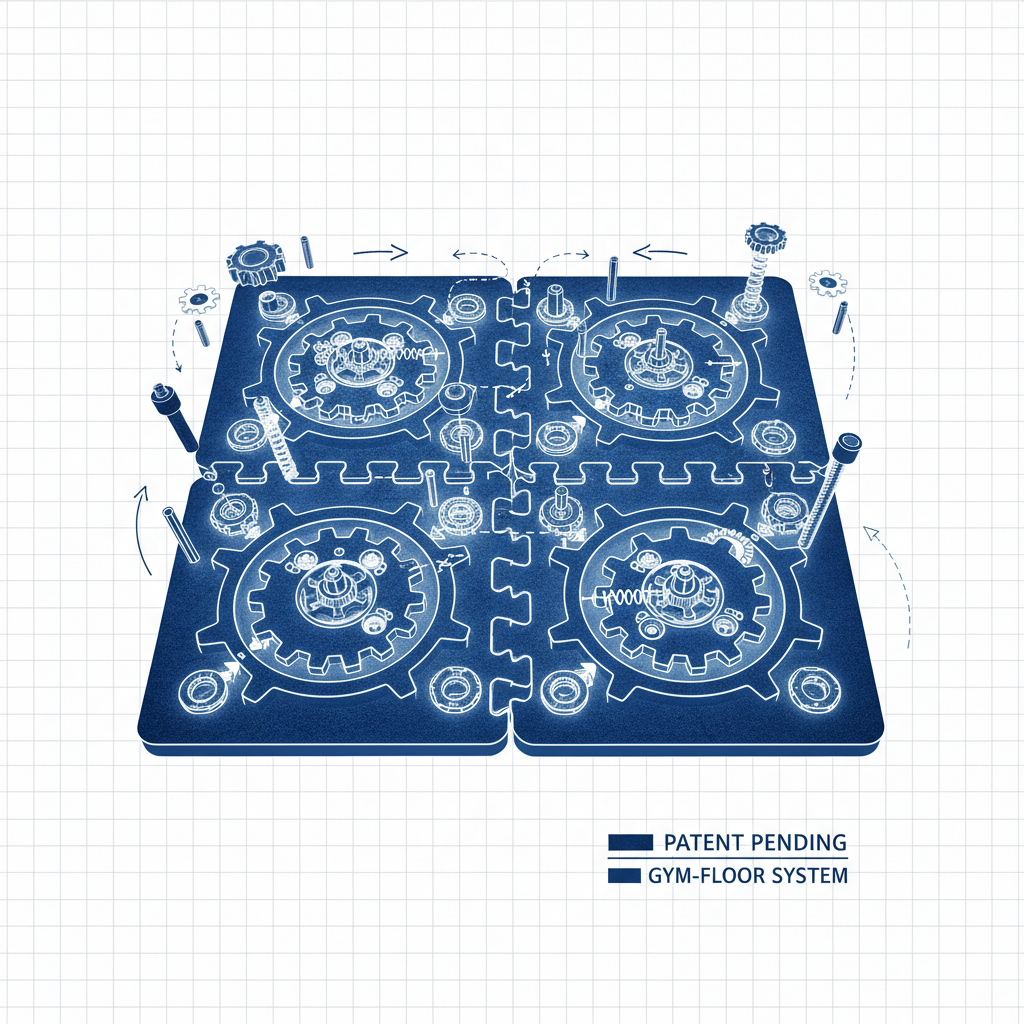
The market offers a diverse range of gym floor mats, each with its own unique properties and applications. Common types include rubber mats, foam mats, vinyl mats, and interlocking tiles. Rubber mats are renowned for their durability and shock absorption, making them ideal for heavy weightlifting areas. Foam mats are lighter and provide cushioning for low-impact exercises like yoga and Pilates. Vinyl mats are easy to clean and maintain, suitable for general fitness areas. Interlocking tiles offer versatility and can be customized to fit any space. Choosing the right material depends on the intensity of the exercises performed and the overall environment of the gym.
Key Highlights: Different materials offer varying degrees of durability, cushioning, and ease of maintenance. Understanding these differences is crucial for making an informed decision.
Rubber Gym Floor Mats: A Durable and Reliable Option
Rubber gym floor mats are a popular choice for both commercial and home gyms due to their exceptional durability and shock absorption. They can withstand heavy weights, resist tearing, and provide a stable surface for various exercises. Rubber is also naturally slip-resistant, enhancing safety during workouts. These mats are available in various thicknesses, with thicker mats offering greater cushioning and protection. They are an excellent option for areas where heavy lifting, dropping weights, and high-impact exercises are common. Enliosport’s rubber mats are made from high-quality recycled rubber, making them an eco-friendly choice.
Rubber Mat Benefits:
• Exceptional durability and longevity
• Superior shock absorption
• Slip-resistant surface
• Eco-friendly options available
Gym Floor Mats Comparison: Rubber vs. Foam vs. Vinyl
Choosing between rubber, foam, and vinyl gym floor mats can be challenging. Here’s a direct comparison to help you decide which best suits your needs:
Factors to Consider When Selecting Gym Floor Mats
Beyond the material, several factors influence your choice of gym floor mats. Consider the type of exercises performed, the amount of foot traffic, the budget, and the desired level of cushioning. For heavy weightlifting areas, prioritize thicker rubber mats. For yoga studios or areas with minimal impact, foam mats may suffice. The size and shape of your space will also dictate the type of mats you need. Interlocking tiles are ideal for creating custom layouts. Enliosport provides expert guidance to help you select the most appropriate mats for your specific requirements.
Product Specifications and Dimensions
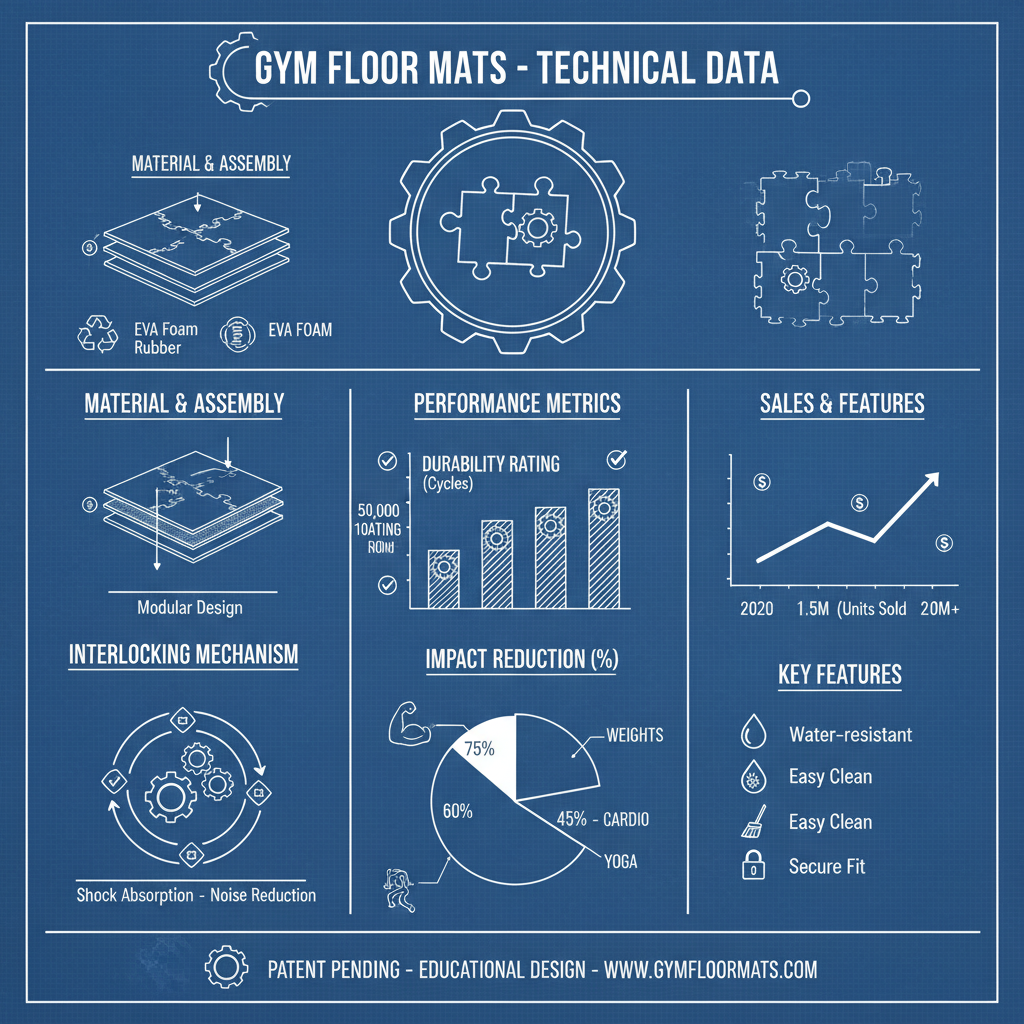
Understanding the specifications of the gym floor mats is vital to ensure a proper fit and optimal performance. Here’s a typical specification table for our rubber gym floor mats:
Conclusion: Protecting Your Investment with Quality Gym Flooring
Investing in the right gym floor mats is a crucial step in creating a safe, functional, and long-lasting workout space. By carefully considering the type of exercises performed, the expected foot traffic, and your budget, you can choose mats that provide the optimal level of protection, cushioning, and durability. Explore the range of options available at Enliosport and find the perfect flooring solution for your needs.
Frequently Asked Questions (FAQs)
How do I clean gym floor mats?
Cleaning gym floor mats is relatively simple. For rubber and vinyl mats, a mild detergent and water solution is typically sufficient. Avoid using harsh chemicals or abrasive cleaners, as these can damage the material. For foam mats, a damp cloth and gentle cleaning solution are recommended. Regularly sweeping or vacuuming the mats will help remove dirt and debris. Allow the mats to air dry completely before use. Proper cleaning not only maintains the appearance of the mats but also prevents the buildup of bacteria and odors.
Are interlocking tiles easy to install?
Yes, interlocking tiles are designed for easy DIY installation. They typically require no adhesive or special tools. Simply align the tiles and press them together – the interlocking mechanism ensures a secure fit. It’s recommended to start with a level subfloor for optimal results. You can customize the layout to fit your space, cutting tiles as needed with a utility knife. Enliosport provides detailed installation guides and support to ensure a hassle-free process.
What thickness of gym floor mats should I choose?
The appropriate thickness depends on the intended use. For general fitness and light exercises like yoga, 6mm to 10mm mats are usually sufficient. For heavier weightlifting and high-impact activities, 15mm or thicker mats are recommended to provide adequate cushioning and protect the subfloor. Thicker mats also offer better sound absorption, which can be beneficial in shared spaces.
Will gym floor mats damage my existing floor?
Generally, gym floor mats will protect your existing floor from damage caused by dropped weights or strenuous exercise. However, it's important to ensure the subfloor is clean and level before installing the mats. Avoid using mats on delicate or porous surfaces that could be stained or damaged by the mat material. Using a separate underlayment can provide additional protection and cushioning.
-
Ultimate Guide to High Quality Gym Floor Puzzle Mats for Fitness
NewsApr.09,2026
-
Comprehensive Guide to Gym Flooring Exercise Mats for Home and Commercial Use
NewsApr.07,2026
-
Choosing the Best Gym Ground Mats for Your Workout Space
NewsApr.04,2026
-
Comprehensive Guide to Selecting the Ideal Gym Landing Mat for Safety and Performance
NewsMar.31,2026
-
Comprehensive Guide to Gym Rubber Matts for Optimal Fitness Flooring
NewsMar.28,2026
-
Comprehensive Guide to Gym Safety Mats for Optimal Fitness Protection
NewsMar.26,2026