
Mar . 05, 2026 02:05 Back to list
Investing in Durable Floor Mats for Gym Equipment and Enhanced Safety
Investing in Safety and Durability: A Guide to Floor Mats for Gym Equipment
Protecting your gym’s flooring and equipment is paramount, not just for aesthetics but for safety and longevity. Floor mats for gym equipment provide a crucial layer of defense against damage, noise, and potential injuries. This article will delve into the benefits of using gym floor mats, explore different types available, and guide you in selecting the best option for your specific needs. Choosing the right mats can significantly reduce maintenance costs and create a safer, more comfortable workout environment.
Why Invest in Floor Mats for Your Gym?
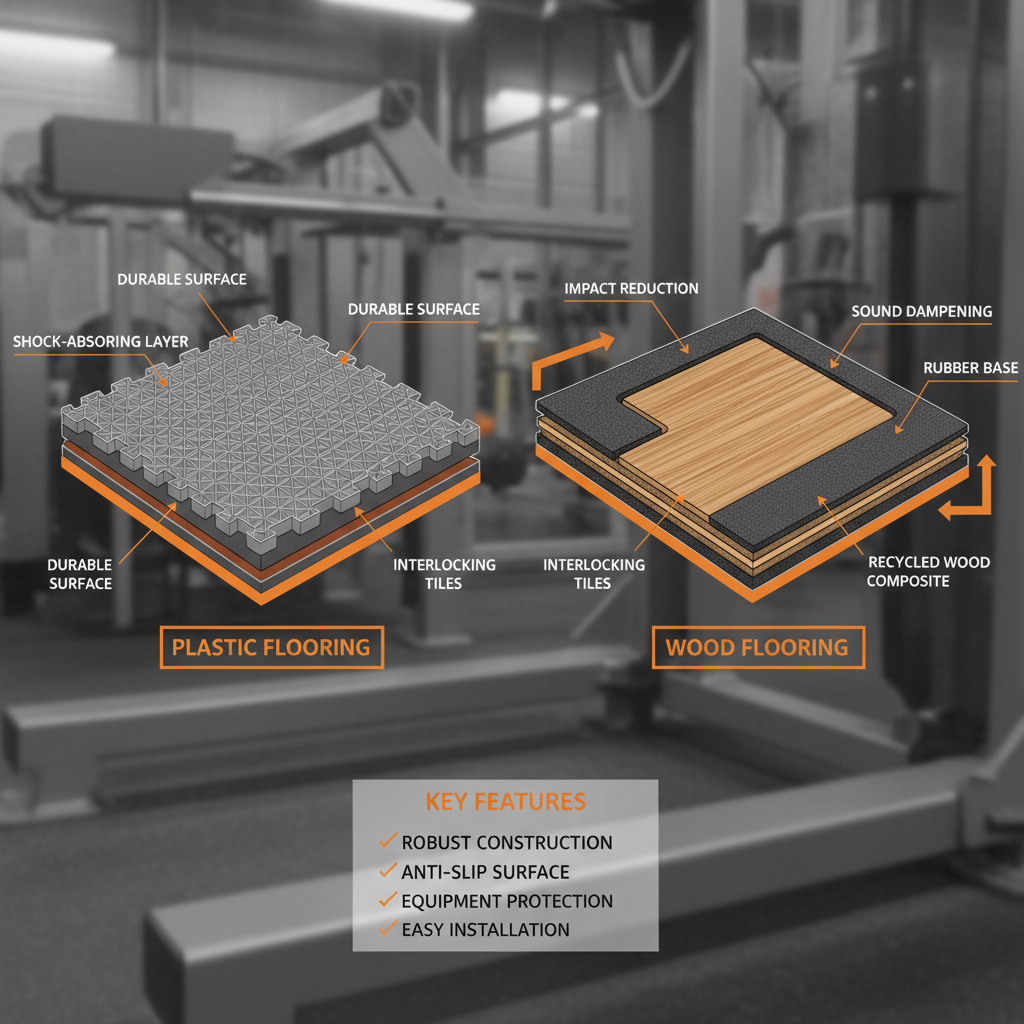
The benefits of installing floor mats in your gym are numerous. First and foremost, they protect your subfloor from damage caused by dropped weights, impacts, and constant abrasion. This extends the life of your flooring and reduces costly repair or replacement expenses. Secondly, floor mats significantly reduce noise levels, creating a more pleasant workout atmosphere for both members and staff. Impact absorption provided by the mats also enhances user safety, minimizing the risk of injuries from falls or dropped equipment. Furthermore, mats provide better grip, adding an extra layer of safety during intense exercise. They also offer a more comfortable surface for floor exercises.
Types of Floor Mats for Gym Equipment
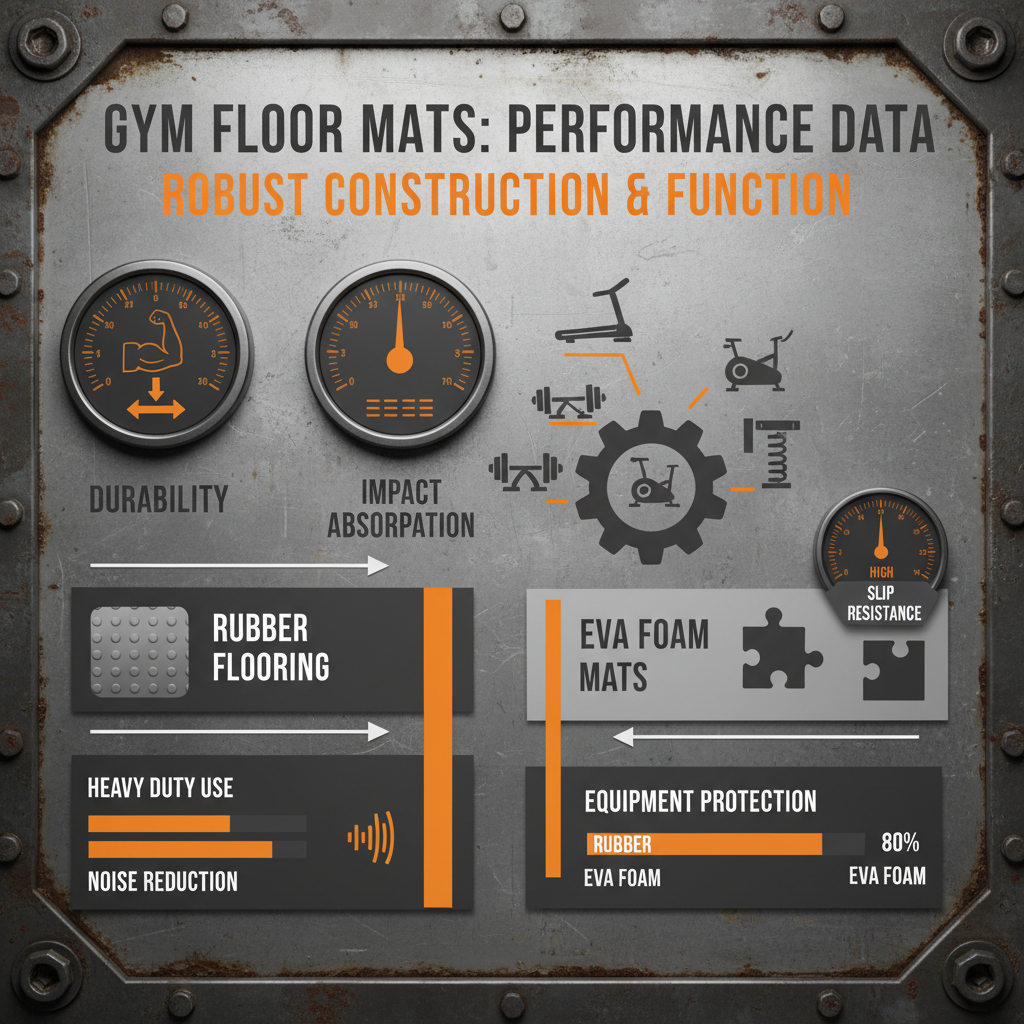
Several types of floor mats cater to different gym needs and budgets. Rubber floor mats are a popular choice due to their durability, impact resistance, and affordability. Interlocking rubber tiles provide a flexible and customizable solution. EVA foam mats are lighter and more comfortable underfoot, making them suitable for yoga, stretching, and lighter exercise areas. Vinyl floor mats offer a cost-effective option for general use but may not provide the same level of durability as rubber. Finally, specialized mats are designed for specific equipment or activities, such as weightlifting platforms or cardio areas. Understanding the strengths and weaknesses of each type is crucial for making an informed decision.
Choosing the Right Floor Mats: Key Considerations
Selecting the appropriate floor mats requires careful consideration of several factors. The type of equipment used in your gym is a primary determinant – heavy weights require thicker, more durable mats. The amount of foot traffic and the intensity of workouts also play a role. Consider the space available and whether you prefer interlocking tiles or rolled mats. Budget is another important factor; prices vary considerably depending on the material and thickness. Finally, think about maintenance – some mats require more frequent cleaning or maintenance than others. Enliosport offers a wide variety of high-quality floor mats to meet any gym's requirements.
Comparing Popular Floor Mat Options
Here’s a detailed comparison of some of the most popular floor mat materials:
Maintenance and Care for Long-Lasting Performance
Proper maintenance is essential to maximize the lifespan of your floor mats. Regular cleaning with a mild detergent and water will remove dirt, sweat, and other debris. Avoid using abrasive cleaners or harsh chemicals, as these can damage the material. For rubber mats, occasional scrubbing may be necessary to remove stubborn stains. Inspect mats regularly for signs of wear and tear, such as cracks, tears, or peeling. Promptly address any damage to prevent further deterioration. With proper care, your floor mats will provide years of reliable protection and safety.
Conclusion: Invest in Protection and Enhance Your Gym
Investing in high-quality floor mats for gym equipment is a smart decision that benefits both your facility and your members. From protecting your flooring and reducing noise to enhancing safety and comfort, the advantages are clear. By carefully considering your gym's specific needs and selecting the right type of mats, you can create a more durable, secure, and welcoming workout environment.
Frequently Asked Questions (FAQs)
What thickness of floor mat is best for weightlifting?
For weightlifting, a minimum thickness of ¾ inch (19mm) is recommended, but 1 inch (25mm) or thicker is preferable, especially for heavier loads. Thicker mats provide superior impact absorption and protect both the floor and the equipment. The type of weightlifting also matters. Olympic weightlifting with dropping plates requires significantly thicker mats than dumbbell exercises. Consider a specialized weightlifting platform for maximum protection.
Are interlocking mats easier to install than rolled mats?
Generally, interlocking mats are easier to install, especially for DIY projects. They require minimal tools and no adhesive. Rolled mats, while often more affordable, can be more challenging to handle and require adhesive for secure placement. Interlocking mats also offer greater flexibility in terms of design and customization, allowing you to create different layouts and shapes.
How do I clean rubber floor mats effectively?
Regular cleaning of rubber floor mats involves sweeping or vacuuming to remove loose debris. For deeper cleaning, use a mild detergent and warm water. Scrub the mats with a brush, then rinse thoroughly with clean water. Avoid using harsh chemicals or abrasive cleaners, as these can damage the rubber. Allow the mats to air dry completely before placing them back in position. For stubborn stains, a rubber mat cleaner specifically designed for gym flooring can be used.
-
Ultimate Guide to High Quality Gym Floor Puzzle Mats for Fitness
NewsApr.09,2026
-
Comprehensive Guide to Gym Flooring Exercise Mats for Home and Commercial Use
NewsApr.07,2026
-
Choosing the Best Gym Ground Mats for Your Workout Space
NewsApr.04,2026
-
Comprehensive Guide to Selecting the Ideal Gym Landing Mat for Safety and Performance
NewsMar.31,2026
-
Comprehensive Guide to Gym Rubber Matts for Optimal Fitness Flooring
NewsMar.28,2026
-
Comprehensive Guide to Gym Safety Mats for Optimal Fitness Protection
NewsMar.26,2026