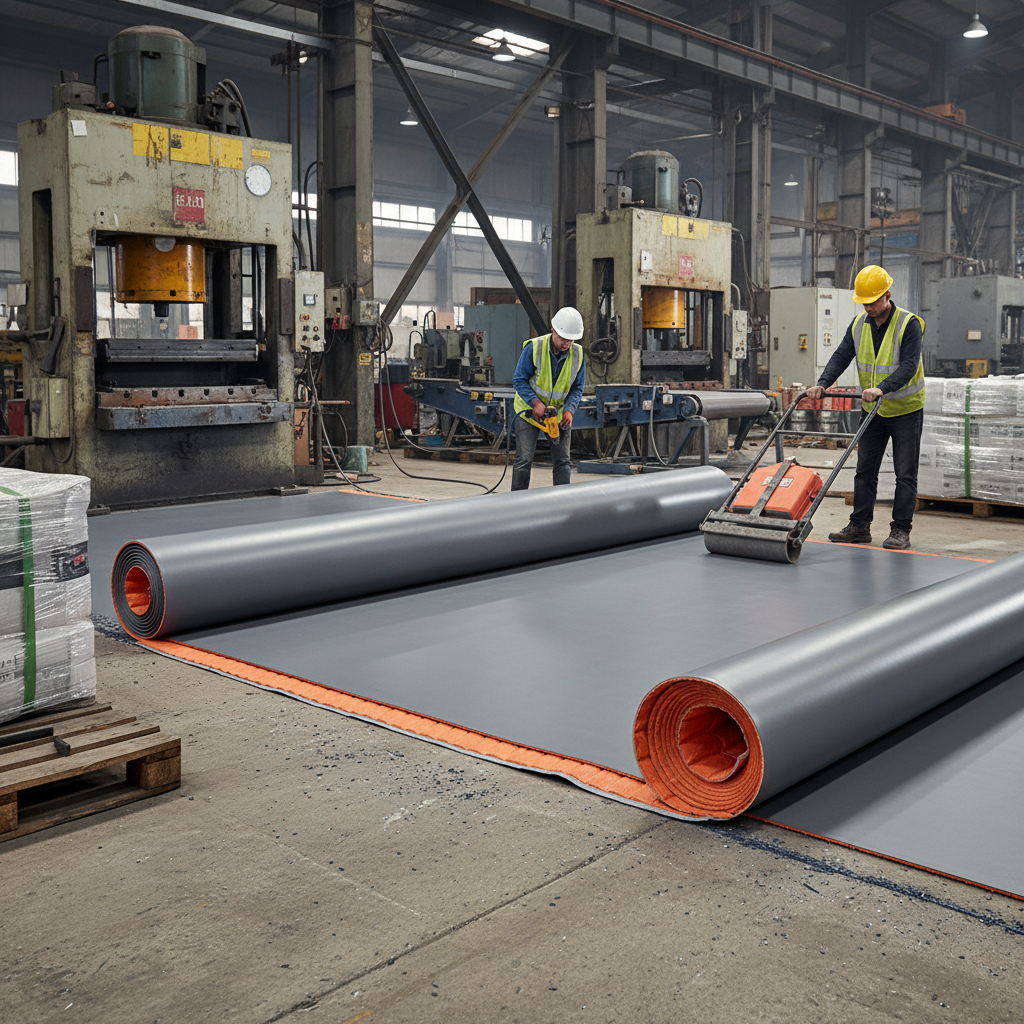
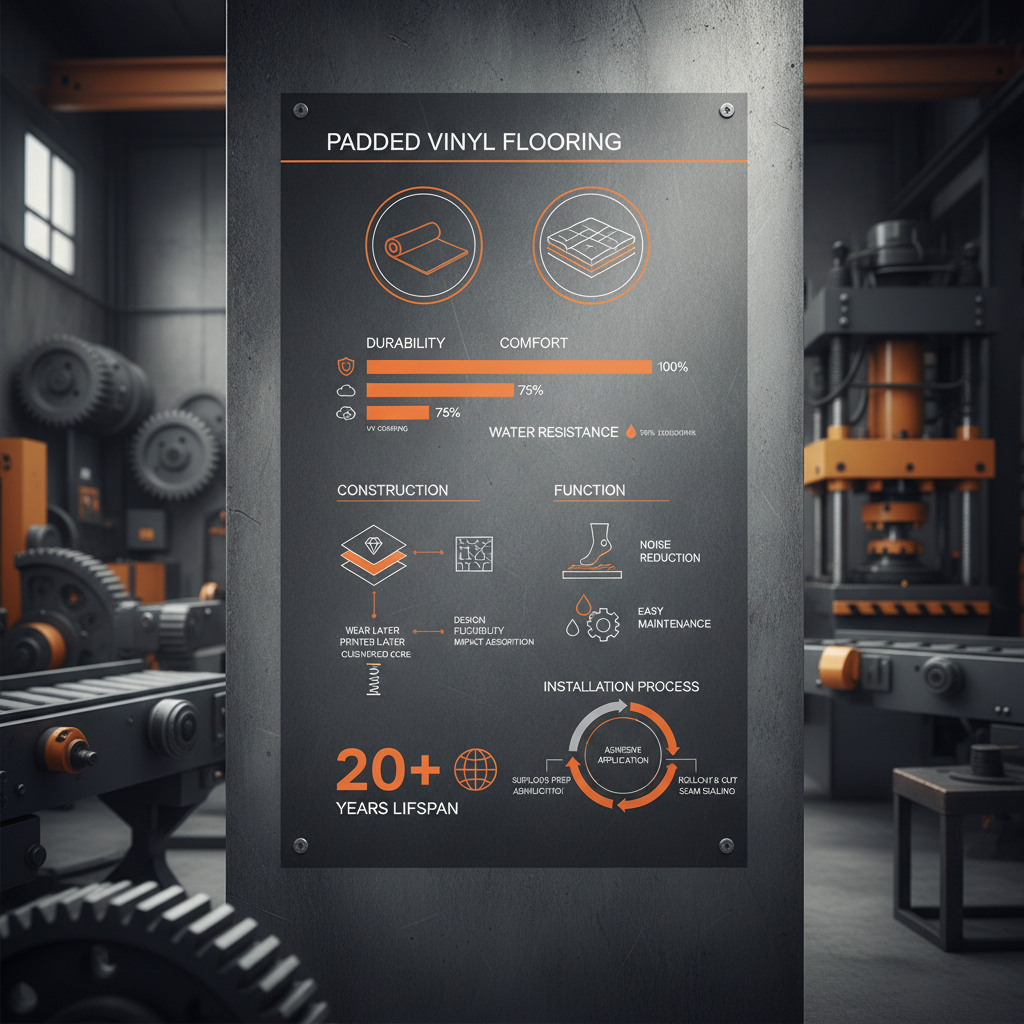
When it comes to high-performance interior surfacing, padded vinyl flooring has emerged as a cornerstone for spaces that demand a balance between rugged durability and ergonomic comfort. By integrating a resilient cushioning layer beneath a high-wear vinyl surface, this flooring solution addresses the critical need for impact absorption in environments where people spend extended periods standing or engaging in physical activity.
The global shift toward healthier workspace designs and specialized sports facilities has propelled the adoption of cushioned surfaces. In an era where occupational health and safety are paramount, the ability of padded vinyl flooring to reduce joint fatigue and prevent injuries makes it an indispensable asset for healthcare clinics, gymnasiums, and modern industrial workstations.
Understanding the technical nuances of these materials—from the density of the foam backing to the wear layer's thickness—is essential for facility managers and architects. This guide explores the multifaceted benefits of choosing cushioned vinyl, ensuring that your flooring investment aligns with both operational efficiency and the long-term well-being of the users.
Global Industry Context of Padded Vinyl Flooring
On a global scale, the demand for specialized flooring has surged as ISO standards for workplace ergonomics have become more stringent. The rise of "active design" in architecture means that padded vinyl flooring is no longer a niche product but a standard requirement for hospitals and sports complexes across Europe, North America, and Asia.
The primary challenge facing modern facility design is the "hardness paradox"—the need for a surface that is hard enough to resist heavy equipment rollers but soft enough to protect a human heel from impact. This is where the engineered layers of cushioned vinyl provide a scientific solution, reducing the incidence of musculoskeletal disorders among healthcare workers and athletes.
Defining Padded Vinyl Flooring and Its Purpose
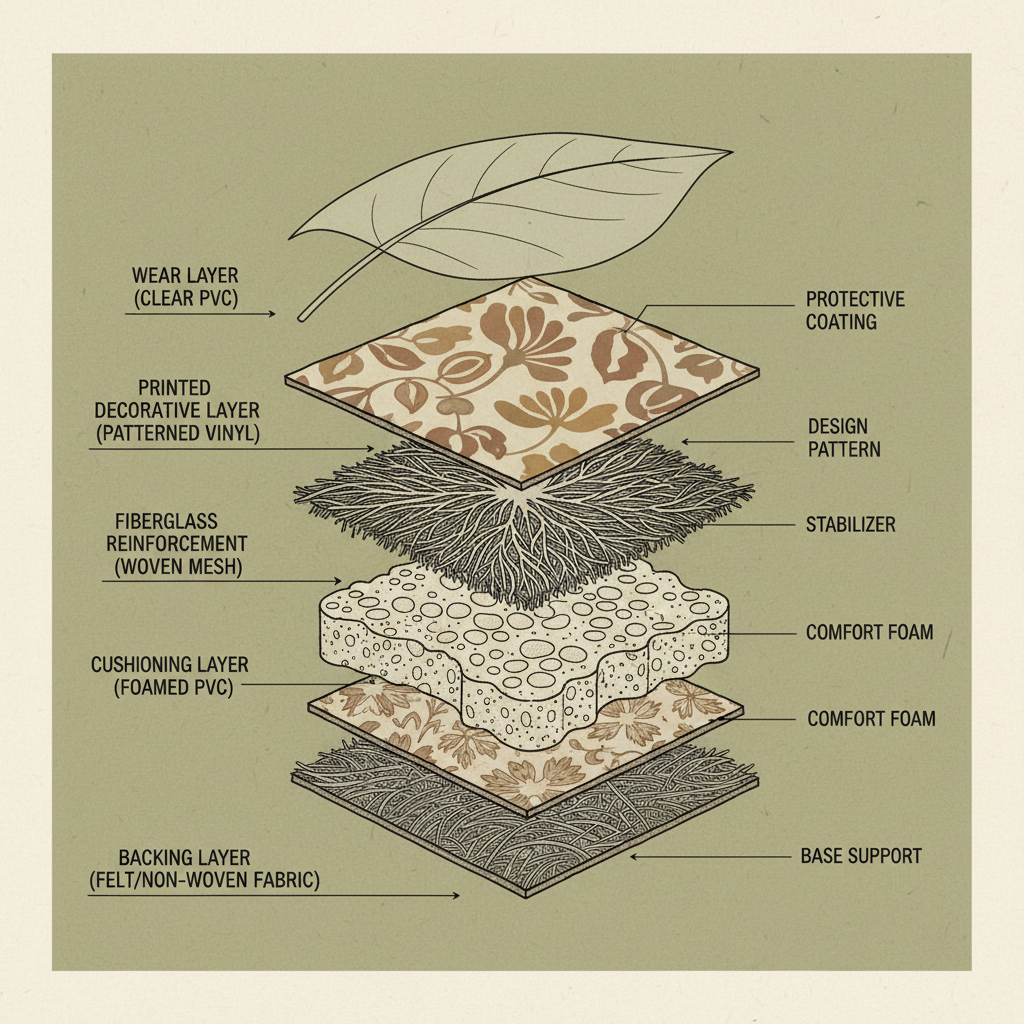
In simple terms, padded vinyl flooring consists of a high-performance polyvinyl chloride (PVC) top layer bonded to a resilient foam or rubber underlayment. Unlike standard luxury vinyl tiles (LVT), the padded variant is specifically engineered to provide "give" or shock absorption, which distributes weight more evenly across the foot's surface.
This design is deeply connected to modern humanitarian and industrial needs, particularly in elderly care facilities and rehabilitation centers. By providing a surface that minimizes the impact of falls and reduces joint strain, it directly contributes to the safety and dignity of vulnerable populations, ensuring that the environment supports recovery rather than hindering it.
Beyond the softness, these floors are engineered for hygiene. The non-porous nature of the vinyl capping ensures that while the floor feels soft, it remains impervious to liquids and bacteria, making it a critical component in sterile environments where cleanliness is non-negotiable.
Core Components for Maximum Performance
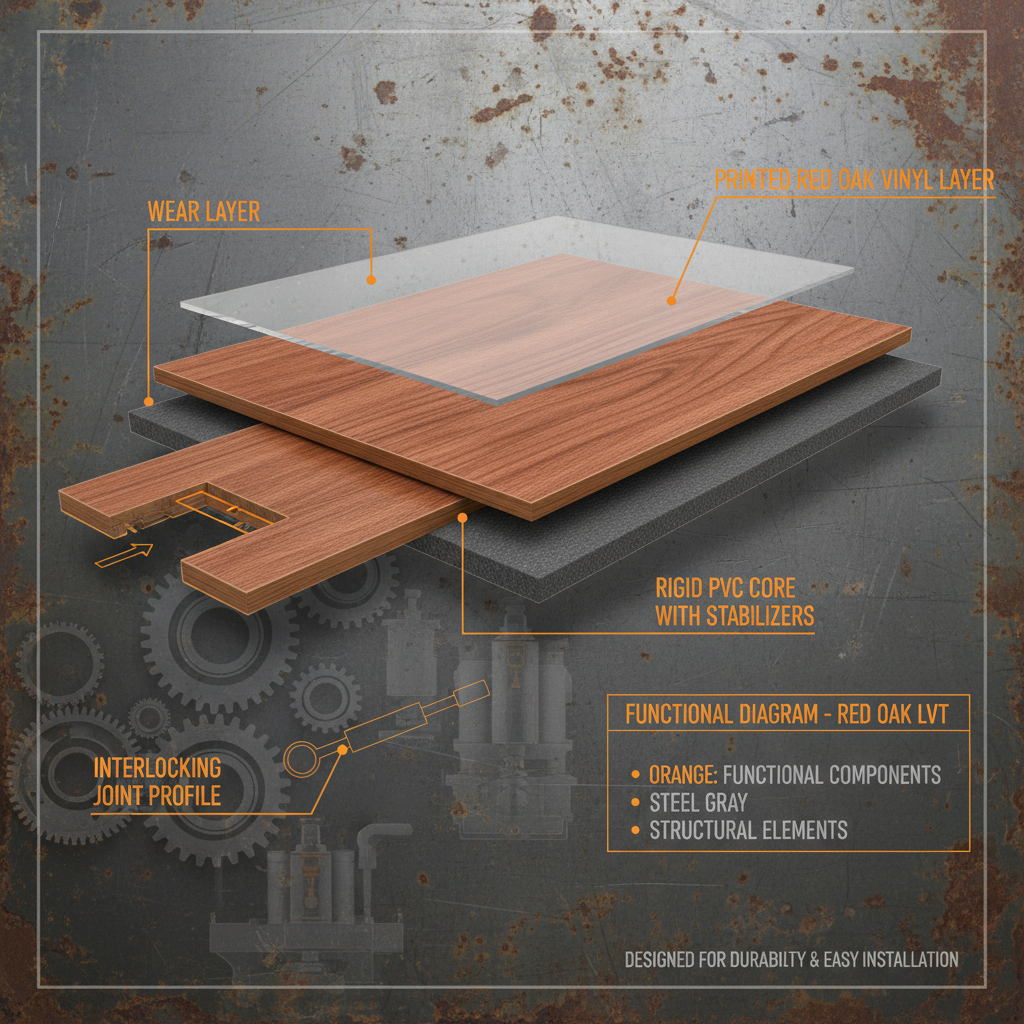
The efficacy of padded vinyl flooring relies on the synergy of its layers. The wear layer is the first line of defense, usually composed of a transparent, high-density polymer that protects the design layer from scratches and abrasions in high-traffic zones.
At the heart of the system is the cushioning core. This layer—often made of closed-cell foam—determines the "rebound" and shock-absorption capacity of the padded vinyl flooring. A higher density foam provides better support for heavy loads, while a lower density offers a "plusher" feel for comfort-driven spaces.
Finally, the backing layer ensures dimensional stability. It prevents the floor from shrinking or expanding excessively with temperature changes, ensuring that the padded vinyl flooring remains seamless and secure, regardless of the environmental conditions of the installation site.
Key Factors in Material Selection
When selecting the right padded vinyl flooring, the most critical factor is the balance between durability and elasticity. For an industrial gym, you require a high-density padding that won't permanently deform under heavy weights, whereas a pediatric ward requires a softer, more forgiving surface to prevent injury.
Cost-efficiency is also a major consideration. While the initial investment in cushioned vinyl may be higher than basic options, the long-term value is found in reduced maintenance and the mitigation of health-related costs associated with worker fatigue.
Performance Metrics of Various Padded Vinyl Flooring Types
Global Applications and Use Cases
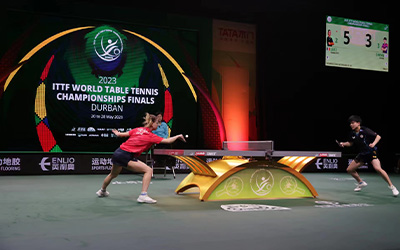
In real-world contexts, padded vinyl flooring is extensively used in the hospitality sector, particularly in high-end hotel corridors and boutique wellness centers, where acoustic dampening is as important as visual appeal. The padding absorbs the sound of footsteps, creating a serene atmosphere for guests.
Furthermore, in remote industrial zones or temporary medical tents during disaster relief operations, modular padded vinyl flooring is deployed to provide a hygienic, cushioned surface over uneven ground, ensuring that medical staff can operate with stability and comfort in challenging environments.
Long-Term Value and Sustainability
The long-term value of padded vinyl flooring extends beyond mere physical durability. From an emotional perspective, it fosters a sense of safety and care. Patients in a recovery ward feel more secure on a surface that minimizes the risk of impact, which in turn builds trust in the healthcare provider's attention to detail.
Logically, the sustainability of these floors is improving. Modern manufacturers are integrating recycled PVC and bio-based plasticizers, reducing the carbon footprint of production. Because these floors are long-lasting and require less frequent replacement than carpets or thin vinyl, they contribute to a reduction in landfill waste.
Reliability is the final pillar of value. A well-installed cushioned floor eliminates the need for separate underlayment installation, reducing labor costs and minimizing the potential for failure points between the subfloor and the finish.
Future Trends in Cushion Flooring Technology
The future of padded vinyl flooring is being shaped by the digital transformation of materials science. We are seeing the rise of "smart" flooring, where sensors are embedded within the padding layer to monitor foot traffic patterns or even detect falls in elderly care facilities, alerting staff in real-time.
Sustainability is also driving innovation through the development of fully biodegradable padding materials. The goal is to maintain the shock-absorbent properties of the padded vinyl flooring while ensuring that the product can be fully recycled at the end of its lifecycle without releasing harmful toxins.
Automation in manufacturing is allowing for more precise control over the foam density across a single sheet. This means we can now produce floors with "zonal cushioning"—harder in high-traffic pathways and softer in standing zones—all within a single, seamless installation.
Analysis of Padded Vinyl Flooring Technical Specifications
| Material Grade |
Cushion Density |
Impact Absorption |
Recommended Setting |
| Eco-Lite Vinyl |
Medium-Low |
Moderate |
Residential Gyms |
| Pro-Shock Vinyl |
High |
Excellent |
Sports Arenas |
| Care-Comfort Vinyl |
Low (Soft) |
Very High |
Nursing Homes |
| Industrial-Flex |
Ultra-High |
High (Stable) |
Factory Workstations |
| Acoustic-Plus |
Medium |
Medium |
Hotel Corridors |
| Med-Grade Vinyl |
Medium-High |
High |
Surgical Centers |
FAQS
The primary difference is the integrated cushioning layer. While standard vinyl is thin and transfers the hardness of the subfloor directly to the user, padded vinyl flooring includes a foam or rubber core that absorbs impact, reduces noise, and provides ergonomic support, making it significantly more comfortable for long-term standing.
Yes, provided you choose a high-density version. For industrial settings, it is important to select a cushioned floor with a higher Shore hardness rating in the foam core. This ensures that heavy machinery or carts do not leave permanent indentations while still providing a level of comfort for operators.
Maintenance is simple: avoid using overly abrasive scrubbers or harsh chemical solvents that could degrade the vinyl wear layer. By keeping the surface intact, the internal padding remains protected from moisture and wear, preserving its elastic properties for many years.
In many cases, yes. However, it is crucial that the existing subfloor is level and free of debris. Because padded vinyl has its own cushioning, it can hide minor imperfections, but significant dips or bumps should be leveled first to prevent the padding from compressing unevenly.
Modern padded vinyl is increasingly competitive. With the introduction of phthalate-free materials and recycled content, it offers a similar sustainability profile to rubber while often providing superior moisture resistance and a wider variety of aesthetic design options for architects.
Absolutely. The padding acts as a natural sound decoupler, significantly reducing "impact noise" (the sound of footsteps or dropped objects) that travels through the slab to the floor below. This makes it an ideal choice for gymnasiums or clinics located on upper floors.
Conclusion
In summary, padded vinyl flooring represents the perfect intersection of material science and human-centric design. By combining the hygienic, durable properties of vinyl with the shock-absorbing capabilities of advanced foam cores, it solves the age-old conflict between surface resilience and user comfort. From reducing workplace injuries to enhancing the acoustic quality of professional spaces, the benefits are both tangible and long-lasting.
As we look toward the future, the integration of sustainable materials and smart sensors will only increase the value proposition of these flooring systems. Whether you are upgrading a medical facility, designing a sports complex, or optimizing an industrial workspace, investing in high-quality cushioned surfaces is a strategic move toward a safer, more efficient environment. To explore our full range of high-performance solutions, visit our website: www.enliosport.com.