Selecting the right flooring for wet areas is a critical decision that balances aesthetic appeal with fundamental safety. In the modern home, non slip vinyl flooring bathroom solutions have emerged as the gold standard, offering a sophisticated blend of water resistance and high-traction surfaces that prevent accidents in high-moisture environments.
Beyond simple utility, the evolution of luxury vinyl tiles (LVT) and sheets has transformed the bathroom from a purely functional space into a sanctuary of design. The integration of advanced anti-slip textures ensures that homeowners no longer have to compromise between the sleek look of stone or hardwood and the rigorous safety requirements of a shower-adjacent zone.
Understanding the technical specifications—from the wear layer thickness to the slip resistance rating—is essential for any renovation project. By prioritizing non slip vinyl flooring bathroom installations, property owners can significantly reduce the risk of slips and falls while increasing the overall longevity and value of their interior spaces.
Global Relevance of Non Slip Vinyl Flooring Bathroom
On a global scale, the demand for specialized safety flooring has spiked as aging populations in developed nations increase the vulnerability to home-based accidents. According to safety data aligned with ISO standards for floor slip resistance, bathroom falls represent a significant percentage of domestic injuries, driving the architectural shift toward non slip vinyl flooring bathroom options that prioritize grip over gloss.
Moreover, in rapidly urbanizing regions, the move toward prefabricated and modular housing has made vinyl the preferred choice due to its ease of installation and impervious nature. The ability to provide a waterproof, high-friction surface that can be deployed quickly across large-scale residential projects makes it a cornerstone of modern urban development and public health safety.
Defining High-Traction Vinyl for Wet Areas
At its core, non slip vinyl flooring bathroom is a synthetic flooring material composed of polyvinyl chloride (PVC) combined with specific additives and textured surface treatments. Unlike standard vinyl, these products are engineered with a microscopic profile or embedded grit that increases the coefficient of friction, ensuring that even when a thin film of water is present, the foot maintains a secure grip.
This material addresses a critical humanitarian need: the dignity and safety of independent living for the elderly and those with limited mobility. By transforming a hazardous "slip-zone" into a secure environment, the industry provides more than just a product; it provides peace of mind and reduces the burden on healthcare systems associated with fall-related trauma.
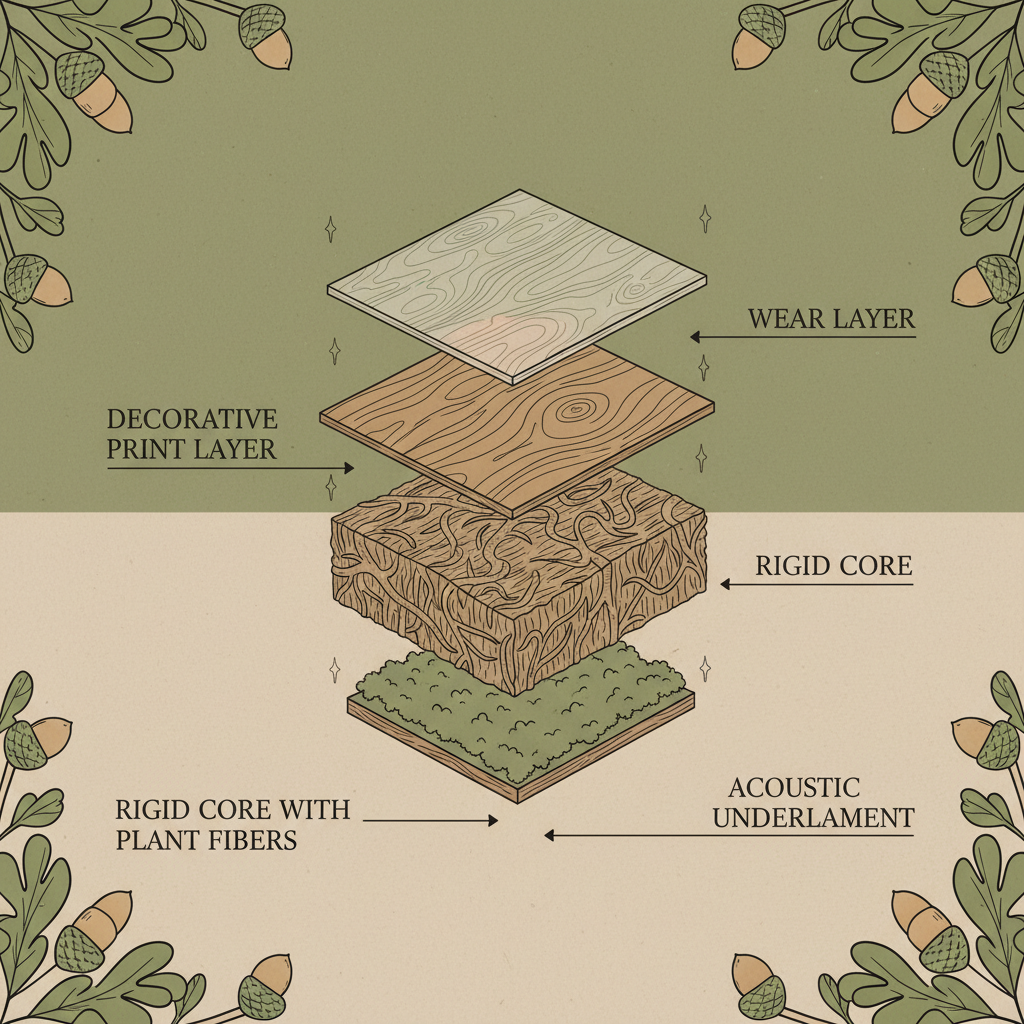
Modern iterations include Luxury Vinyl Plank (LVP) and Luxury Vinyl Tile (LVT), which utilize high-definition printing layers to mimic the look of marble or slate, while the top wear layer is chemically treated to remain slip-resistant without sacrificing the ease of cleaning.
Core Components of Slip-Resistant Technology
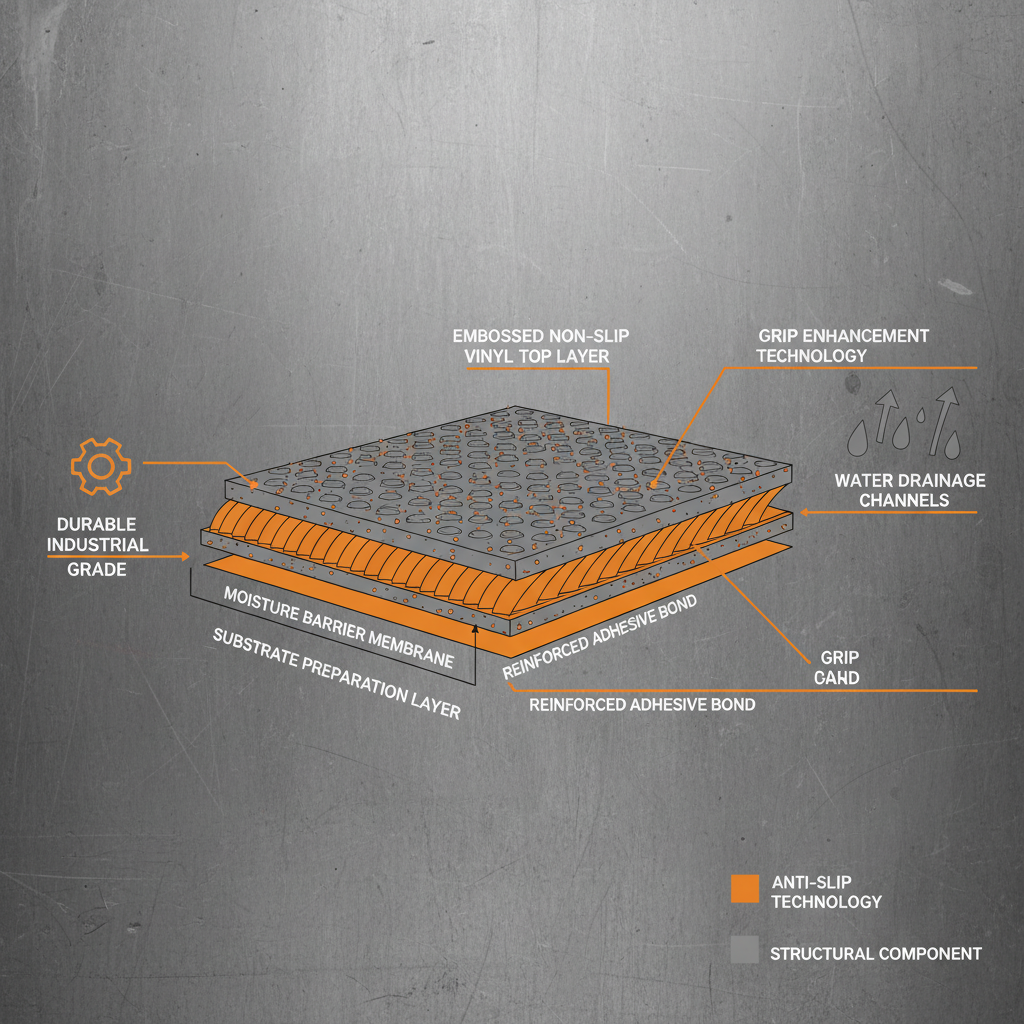
The effectiveness of non slip vinyl flooring bathroom relies heavily on the Wear Layer. This transparent top layer is not only responsible for protecting the design from scratches but also contains the UV-cured coatings that define the floor's texture and slip-resistance rating (often measured by the R-rating scale).
Another crucial element is the Core Composition. Whether it is SPC (Stone Plastic Composite) or WPC (Wood Plastic Composite), the core must be 100% waterproof. In a bathroom setting, any moisture seepage can lead to mold growth or delamination, meaning the structural integrity of the vinyl is just as important as the surface grip of the non slip vinyl flooring bathroom.
Finally, the Embossing Technique plays a vital role. Advanced "Registered Embossed" technology aligns the physical texture of the vinyl with the visual pattern. For example, a wood-grain look will have actual grooves that provide mechanical grip, significantly enhancing the safety profile of the installation.
Performance Metrics and Durability Standards
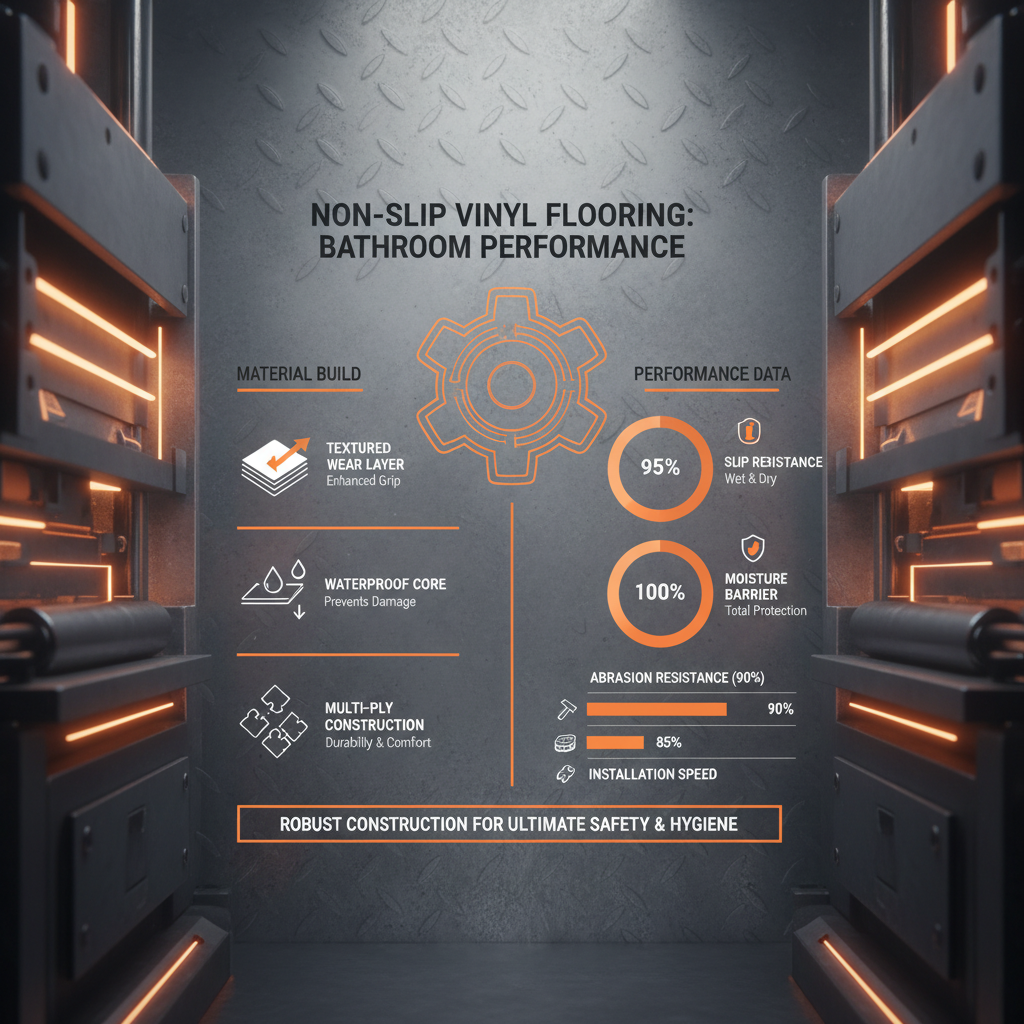
Evaluating the quality of non slip vinyl flooring bathroom requires looking beyond the surface. Professionals measure the Dynamic Coefficient of Friction (DCOF), where a value of 0.42 or higher is typically required for level floors expected to be walked upon when wet. This technical benchmark ensures that the material meets commercial-grade safety standards.
Furthermore, the durability of these floors is tested through abrasion cycles. High-traffic bathrooms—such as those in hotels or hospitals—require a thicker wear layer (0.5mm or more) to ensure that the non-slip properties do not wear away over time, maintaining a consistent safety level throughout the product's lifecycle.
Comparative Safety and Durability Ratings for Bathroom Flooring
Real-World Applications Across Diverse Sectors
The versatility of non slip vinyl flooring bathroom extends far beyond residential homes. In healthcare facilities, such as nursing homes and rehabilitation centers, these floors are indispensable. They provide the necessary friction for patients using walkers or wheelchairs while remaining non-porous, which is critical for infection control and sterile maintenance.
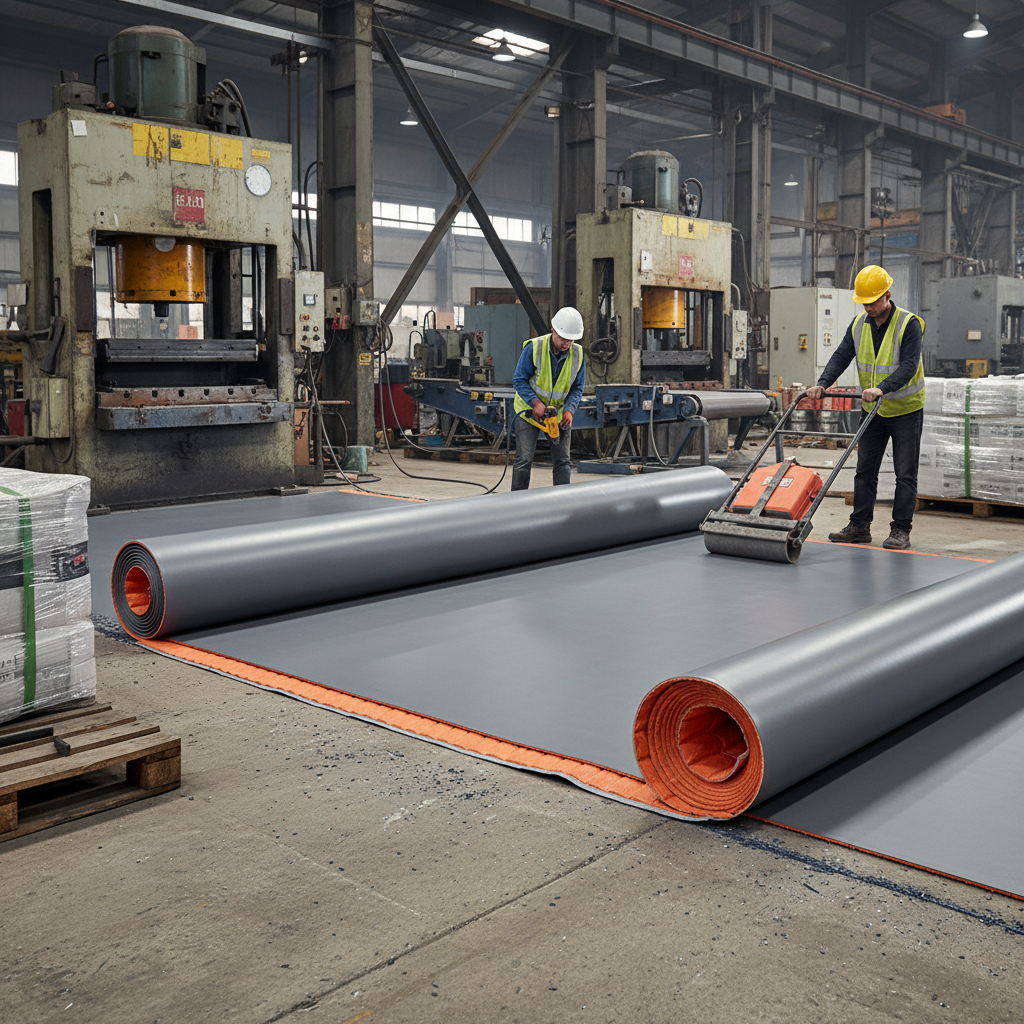
Additionally, the hospitality industry utilizes these solutions in high-traffic hotel bathrooms to minimize liability and maintenance costs. In remote industrial zones or temporary worker housing, the ease of "click-lock" installation allows for rapid deployment of safe sanitary facilities without the need for wet-mixing mortars or long curing times.
Long-Term Value and Sustainability Benefits
From a financial perspective, investing in non slip vinyl flooring bathroom offers a superior return on investment. The reduction in potential medical costs from falls, combined with the low maintenance requirements—requiring only mild soap and water—makes it more cost-effective than traditional tile, which often suffers from grout failure and water seepage.
Sustainability is also a key driver. Modern manufacturers are increasingly using phthalate-free materials and recycled PVC content to reduce the environmental footprint. Because these floors are durable and long-lasting, they reduce the frequency of replacement, thereby minimizing landfill waste compared to cheaper, low-quality alternatives.
Beyond the logic of cost and eco-friendliness, there is an emotional value: the feeling of security. A bathroom that is designed to be safe fosters a sense of independence and dignity, particularly for elderly family members who can navigate their home without constant assistance.
Future Trends in Bathroom Flooring Innovation
The future of non slip vinyl flooring bathroom is moving toward "smart surfaces." We are seeing the development of antimicrobial coatings integrated directly into the wear layer, using silver-ion technology to actively kill bacteria and mold on contact, which is a game-changer for humid bathroom environments.
Digital transformation is also hitting the manufacturing process. 3D printing and advanced precision embossing now allow for "biomimetic" textures—surfaces that mimic the grip of natural elements like shark skin or lotus leaves to maximize water displacement and traction.
As green building certifications like LEED and BREEAM become standard, we expect to see more bio-based vinyls that replace petroleum-based plastics with renewable plant oils, ensuring that the safety of our bathrooms does not come at the expense of the planet.
Comparative Analysis of Vinyl Flooring Types for Bathrooms
|
Product Type
|
Slip Resistance (1-10)
|
Waterproof Rating
|
Installation Speed
|
| SPC Rigid Core Vinyl |
9 |
100% Waterproof |
Very Fast |
| WPC Composite Vinyl |
8 |
100% Waterproof |
Fast |
| Luxury Vinyl Sheet |
7 |
High (Seamed) |
Moderate |
| Glued-down LVT |
8 |
Moderate |
Slow |
| Textured Vinyl Tile |
10 |
100% Waterproof |
Fast |
| Standard PVC Roll |
6 |
High |
Fast |
FAQS
Yes, non slip vinyl flooring bathroom is specifically engineered to provide a higher coefficient of friction than traditional tiles. When choosing a product for seniors, look for a high R-rating (R10 or R11) and a textured surface that ensures stability even when the floor is wet, significantly reducing the risk of falls.
To maintain the traction of your flooring, avoid using wax or oil-based polishes, as these create a slippery film over the non-slip texture. Instead, use a pH-neutral cleaner and a soft mop. For deeply embossed surfaces, a soft brush can help remove debris from the grooves to ensure maximum grip is maintained.
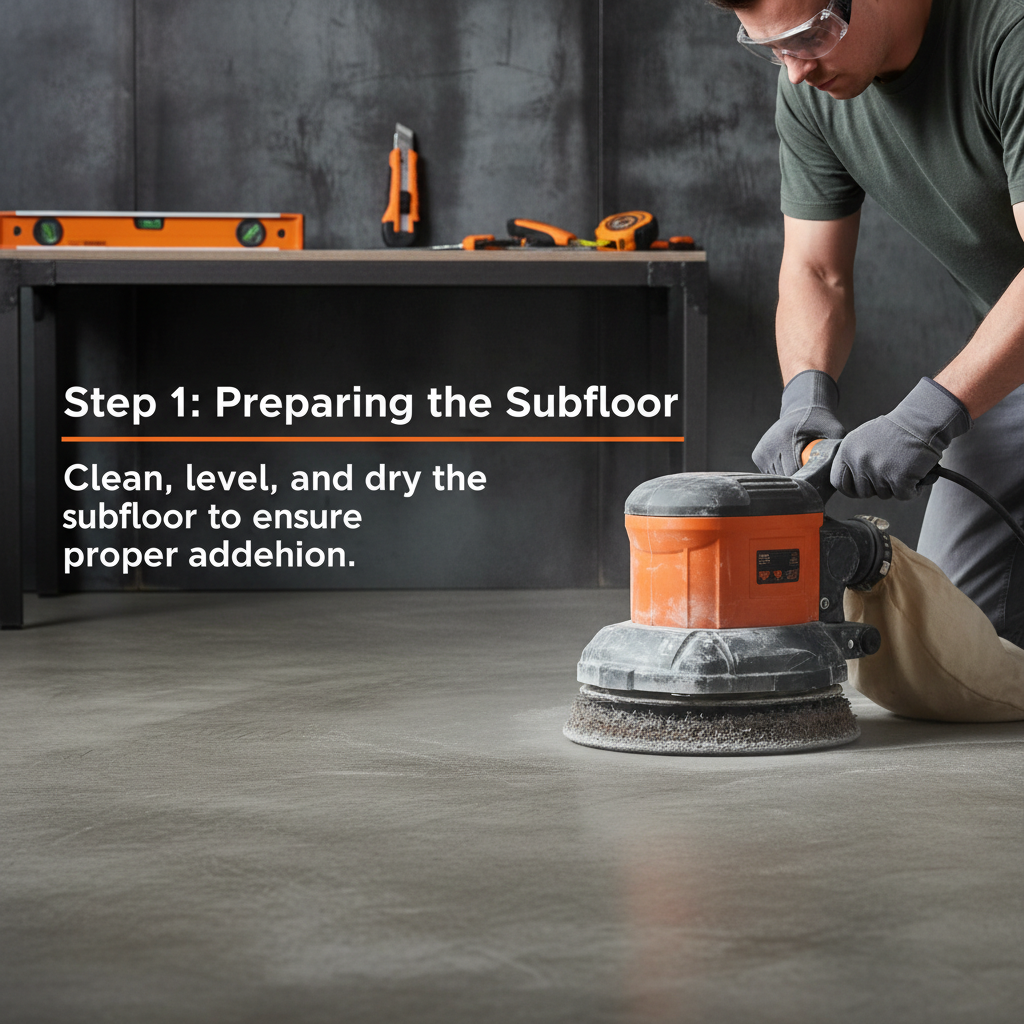
In many cases, yes. Rigid core options like SPC non slip vinyl flooring bathroom can be installed as a floating floor over existing tiles, provided the subfloor is level. This saves time and demolition costs while instantly upgrading the safety and look of the room.
Modern luxury vinyl is 100% waterproof, meaning the material itself will not swell or warp. However, for "wet-room" applications where water flows directly on the floor, the installation method (such as heat-welded seams or professional sealing) is what ensures the entire system is waterproof and prevents leaks into the subfloor.
Water-resistant vinyl can handle splashes and spills but may soak up moisture if submerged for long periods. Waterproof non slip vinyl flooring bathroom is completely impervious to water, making it the only appropriate choice for bathrooms, laundry rooms, and areas subject to standing water.
With a proper wear layer of 0.5mm or more, a high-quality vinyl floor can easily last 15 to 25 years. The longevity depends on the traffic volume and the care taken during cleaning. Because they don't crack like tile, they often maintain their structural integrity and safety features for decades.
Conclusion
In summary, non slip vinyl flooring bathroom solutions represent the perfect intersection of safety, durability, and design. By combining waterproof core technologies with advanced surface textures, these floors effectively eliminate one of the most common hazards in the home while offering a versatile aesthetic that fits any interior style. From reducing liability in commercial settings to ensuring the safety of our loved ones at home, the value of high-traction vinyl is undeniable.
As we look toward the future, the integration of antimicrobial properties and sustainable bio-materials will only further enhance the role of vinyl in healthy living. For anyone planning a bathroom renovation, prioritizing slip resistance is not just a design choice—it is a commitment to long-term well-being and peace of mind. Visit our website for more professional flooring solutions: www.enliosport.com